

Robert F. Kennedy Jr, current Health Secretary of the United States, has publicly shared his struggles with and recovery from heroin addiction. When he was first nominated as Health Secretary by President Donald J. Trump, people wondered - Was RFK Jr. a heroin addict? But recent speeches, podcast conversations, and online posts have all left no doubt: RFK Jr has a heroin addiction, and he openly admitted to it and shared his story with the public.
This article will explore RFK Jr’s drug use, the timeline of his addiction and recovery, and the lessons we can learn from it. Most people don’t like to talk about their struggles, vulnerabilities, and weaknesses, and so we are especially grateful that Robert F. Kennedy Jr. has shared his story to offer hope and encouragement to those on the same path.
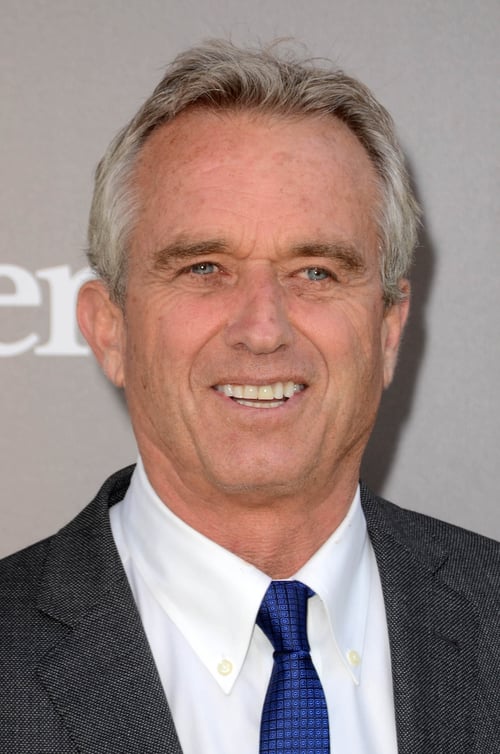
How RFK’s heroin journey began:
Robert F. Kennedy was just 15 years old when, after a party, he was offered LSD by a friend. While speaking at an Rx and Illicit Drugs Summit, he described the experience as ‘wonderful,’ saying that he had had ‘very, very intense hallucinations.’ On the way home, he felt himself ‘crashing’ as the drug left his body and the withdrawal symptoms kicked in. He met some boys and told them what was happening, and they offered him crystal meth, which made the symptoms disappear. He ‘felt better than [he’d] ever felt in [his] life.’
Coming from a deeply religious Irish-Catholic family, RFK Jr. had pledged at school that he would never drink - leading to remorse the next morning. He says about the next day: “In the morning, I was remorseful. I was kicking myself and saying, ‘you swore you would never do this, you broke your commitment to yourself.’ I swore to myself [that] I would never take drugs again.”
The feelings of remorse and the promise to never take drugs again is common among people struggling with addictions. There is so much shame and guilt surrounding drug and alcohol use, and struggling people often feel regret and promise to never use again.
What caused RFK Jr. to become a heroin addict?
There is much speculation as to what causes addiction. Some experts claim the cause is an ‘addictive personality,’ while others preach genetics and family or environmental factors. RFK Jr. himself says that it doesn’t matter how exactly or why it happened. He quoted “Look at the past, but don’t stare at it.”
We could, however, speculate on different factors in his life that led him to become addicted to heroin after he was first introduced to it. Firstly, his father had been assassinated the summer before. Hallucinogenic drugs let the user escape reality, and so it gave him a short break from the deep grief he felt after losing his father. He also mentioned that his mother ‘invented tough love,’ highlighting the emptiness and loneliness that he felt at the time.
RFK Jr. admitted that he felt like he had a ‘hole’ inside of him that he needed to ‘fix.’ He said that “every addict feels that way in one way or another — that they have to fix what’s wrong with them, and the only thing that works are drugs. And so threats that you might die, that you’re going to ruin your life are completely meaningless.” He wisely commented that addiction is “a source of misery, but also a symptom of misery.”
Interestingly, RFK Jr. also mentioned that alcohol addiction runs in the maternal side of his family, going back many generations. Being of Irish origin was also a factor, he says, as the Irish struggle with addiction disproportionately to other ethnicities. (The Irish even refer to addiction as ‘the Irish flu.’) RFK Jr. also lost a brother to addiction, and had other close family members who were inflicted by the disease.
RFK’s heroin addiction timeline:
RFK’s heroin use continued for 14 years, until he hit 28 years old and decided he would do anything it took to get sober. He commented that he had “tried earnestly, honestly and sincerely to quit [drugs] constantly. I made pledges to my brothers, to my friends, to my family. I took vows, I wrote out agreements and some contracts, I saw a psychiatrist. I did everything that I could think of, and nothing worked. And for me, the most demoralizing feature of this disease was my incapacity to keep contracts with myself.”
RFK Jr. described the typical journey of every person struggling with addiction. As much as they love the pleasurable effects of using drugs, addicts usually come to hate the substance that they’ve become dependent on for survival. They typically try everything they can to stop using, but until they enter recovery, there is little chance their vows, promises, or pledges will have any affect on their drug use the next day.
He also shared that “like most addicts, I interpreted this as a moral failure, and a character failure, and that fed this addiction of morosity, of self-loathing, [and] of darkness.” He got arrested in September of 1983, which actually freed him to start taking care of his addiction. Now that RFK Jr. was known as a drug dealer and the “cat was out of the bag,” he was finally able to join a 12-step group and start his journey toward recovery in earnest.
RFK Jr. addiction recovery:
At 28 years of age, RFK Jr. joined a 12-step group where he shared all his “secrets” with the fellow addicts in the group. He knew he needed a spiritual awakening, because he was tired of thinking about drugs all the time- he just wanted to be a “normal person.” He also didn’t want to be white-knuckling his sobriety, trying his hardest not to take drugs but still thinking about them and craving them every day of his life.
People battling addiction usually reach a point called ‘rock-bottom’ – a term used to describe their darkest, saddest, and loneliest state, when they are ready to do anything it takes to stop using drugs. For many people, rock-bottom signifies the beginning of their recovery. While RFK Jr. was using drugs, he tried everything to stop, but until he hit the rock-bottom of being arrested, he couldn’t find recovery.
How RFK Jr. stays sober today:
RFK Jr. reflected on the tools he uses today to help him stay sober. He attends a 12-step meeting every day, connects with fellow addicts, and involves himself in his community and other spiritual matters. He speaks often about God, doing the right things to build his character, and bringing himself out of isolation by connecting with other people.
It's proven that the most effective way to stay sober is through connecting with what's known as a "higher power". Most people with addiction find recovery only when they admit that they are powerless over their addiction, and need a higher power to help them stop using their substance of choice. When RFK Jr. was a drug addict, he was spiritually connected to Christianity and the Church but had little personal connection with God.
Additionally, people in early recovery can find relief from their loneliness and isolation- both factors that cause drug use - when they reach out to and socialize with other people in their recovery community. They look for ways to be at service to those around them, allowing them to step out of the natural self-absorption of active addiction.
RFK Jr’s ideas for preventing addiction:
RFK Jr. said that more has to be done to help people who are struggling with drug addiction, like ensuring that Suboxone and methadone are available to save people’s lives. He mentioned we need more rehab facilities available for people ready to get sober. He also touched on methods of preventing addiction in the next generation, by increasing spirituality and healthy socializing.
RFK Jr. believes that isolation is one of the greatest causes of addiction today. He mentioned that the teenagers today have “lost hope in their future” and no longer have the same spiritual life as they used to. He suggested that people think and pray about how they can be of service to other people to bring them out of isolation and self-centeredness.
He also mentions strengthening family and community ties, putting an emphasis on parents being more present with their children. He raised the topic of cellphones and its detrimental effects on teenagers, citing a school in Virginia that banned cellphones at school and saw better grades and less violence.
Avenues Recovery and addiction recovery:
At Avenues recovery, we have proven strategies to help people battling addiction find lasting sobriety. From our beautiful facilities nationwide, to our professional, caring staff, and the many forms of therapies that we offer, we have helped thousands of people travel the path to sobriety.
Reach out today to discover an Avenues Recovery facility near you. We’ll craft a personalized treatment plan for your recovery, starting with medical detox and one-on-one therapies. We can help you find serenity, meaning, and freedom in a life free from addiction.
Reach out today to start your journey home!