


Key Takeaways:
- Military stress and deployment can promote increased use of military drugs.
- Military injuries often require short-term opioid relief, but extended use can lead to dependency.
- The Army commonly screens for opioids, cocaine, amphetamines, methamphetamines, THC, and misused prescriptions.
Why Military Drugs Appear in Military Settings
Military life brings real and long-lasting stress. Frightening missions, repeated deployments, physical strain, and the need to stay alert can all lead soldiers to use medications like pain relievers, sleep aids, and stimulants. Over time, the line between medical use and unsafe dependence can become unclear.
Injuries and traumatic experiences only add to the risk. Strong medications might be needed for recovery, and some soldiers try to cope with the emotional stress on their own. These pressures make drug misuse a real concern for many service members and veterans.
If you or someone you know needs help with addiction, please contact Avenues Recovery for confidential, professional support. We’re here for you.
Stimulants Used for Performance or Alertness
Stimulants like amphetamines or some ADHD medications often come up in drugs in military discussions because they can increase alertness. In demanding conditions where fatigue harms performance, using these drugs may seem appealing. They can boost focus and energy for a short time, but using them without medical oversight creates serious risks - including dependence, heart strain, and poor decision-making.
Today, there are strict rules around stimulant drug use, and any misuse is watched closely under military and drug policies. The military now relies more on education, healthy sleep habits, and safer alertness methods to support their soldiers’ performance without their turning to medications.
Opioids for Injury Recovery and Chronic Pain
Injury is common in military service, and surgeries or serious wounds often require strong pain relief. Opioids will always help in the short term, but long-term use can lead to dependence. This risk plays a major role in substance abuse in the military.
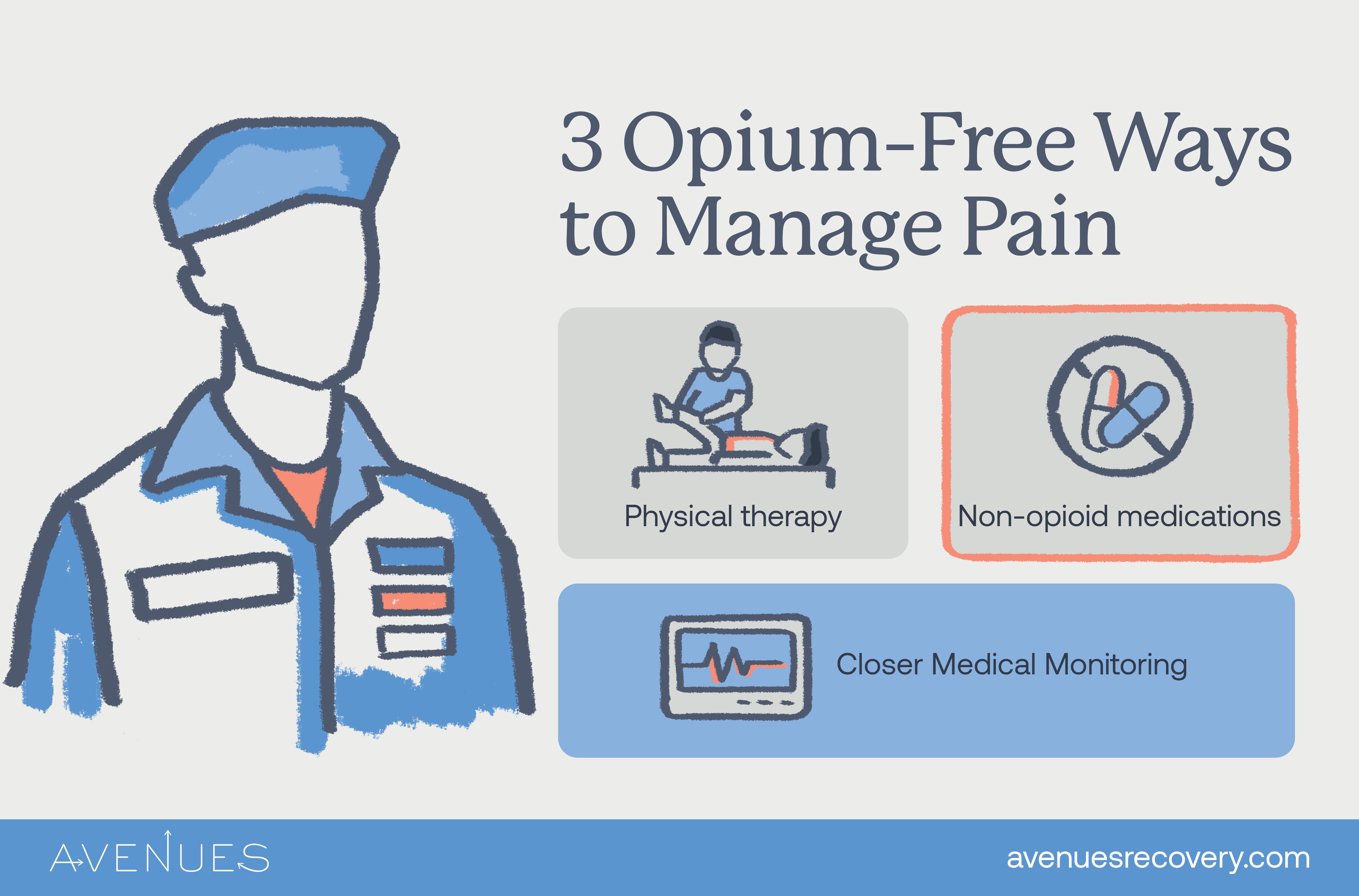
To reduce that danger, the military is expanding safer pain-management options, including physical therapy, non-opioid medications, and closer medical monitoring. These steps can all help prevent necessary treatment from turning into drug misuse or dependency.
Alcohol Misuse
Alcohol misuse is one of the most common concerns affecting both active-duty personnel and veterans. High-stress occupations, tight-knit social cultures, and long stretches of downtime can encourage patterns that escalate into unhealthy use. Among military on drugs and alcohol discussions, alcohol remains one of the most widespread substances.
Veterans also show higher rates of alcohol use compared with civilian populations, influenced by isolation, chronic pain, and emotional challenges after service. These patterns contribute heavily to veterans and substance abuse statistics nationwide.

Marijuana and Illicit Drug Use
Marijuana and illicit drug use remain strictly prohibited under federal military rules, even in states where such substances are legal. Trauma, stress, or the difficulty of transitioning between deployments can increase interest in “calming” substances, but the consequences are serious. Policies on drugs in military environments are clear and enforced everywhere.
Illegal drug use usually comes up in situations when soldiers try to escape from overwhelming pressure or untreated emotional health issues. But both prevention programs and early intervention aim to reduce reliance on these substances by addressing the root causes, rather than just focusing on punishment.
Prescription Misuse
Soldiers struggling with anxiety or insomnia might abuse prescription drugs like benzos and sleep aids. These medicines have valid uses, but taking them without supervision can cause dependence, poor coordination, and more.
Because of this, strict rules control how these medications are given. This is meant to reduce drug misuse under military drugs oversight. Therapy and healthy sleep habits offer safer alternatives, limiting soldiers’ reliance on sedating medications.

The Role of PTSD, Anxiety, and Depression
Mental health conditions like PTSD, anxiety, and depression are a huge reason why drug use is so widespread in the military. Traumatic experiences during service can cause service members to experience nightmares, hyperarousal, emotional numbness, or persistent sadness — all factors that increase their likelihood to try and self-medicate.
Without proper therapy, soldiers can turn toward substances to quiet intrusive thoughts or cope with overwhelming emotions. Addressing their mental health needs through therapy, support, and structured treatment can greatly reduce their likelihood of becoming dependent on drugs.
Military Drug Testing: What Drugs Does the Military Test For?
A key question many ask is: What drugs does the army test for? The army usually tests for opioids, cocaine, amphetamines, methamphetamines, THC, and certain prescription medications. Additional substances may be included depending on the specific branch and mission requirements.
When exploring what drugs do the military test for or what drugs does the army test for, one thing remains consistent: the goal is to prevent impairment that could threaten lives. Regular testing discourages soldiers from drug misuse and reinforces safe, sober performance across all units.
Consequences of Failing a Drug Test In the Army
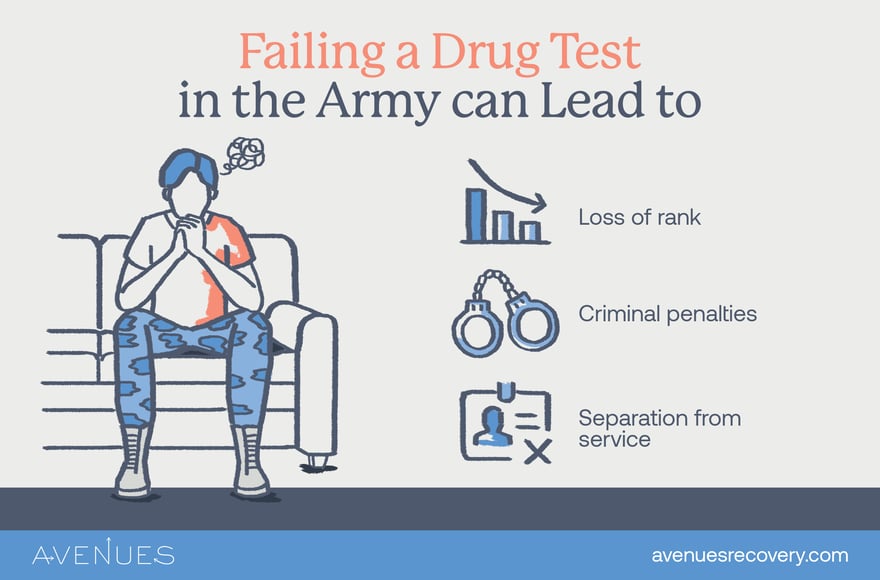
The impact of failing a drug test in the army can be severe. Consequences may include loss of rank, mandatory counseling, separation from service, or criminal penalties depending on the substance. For many, it can also affect long-term benefits, career progression, and reenlistment status.
However, some cases allow entry into treatment programs rather than immediate discharge. Early honesty and willingness to engage in recovery can influence outcomes and reduce long-term harm.
Veteran-Specific Substance Use Trends
Veteran substance abuse remains a major national concern. Many veterans struggle with chronic pain, PTSD, disrupted sleep patterns, or difficulty transitioning to civilian life, all of which increase the likelihood of turning to drugs or alcohol. The numbers reflected in veteran substance abuse statistics highlight this challenge.
Research on substance abuse in veterans statistics consistently shows higher rates of alcohol misuse, prescription misuse, and co-occurring mental-health disorders than in the general population. Supportive care, structured therapy, and community programs are essential for long-term stability.
Treatment Options and Recovery Pathways for Service Members
Service members facing substance use challenges have access to structured, supportive care designed to meet their unique needs.
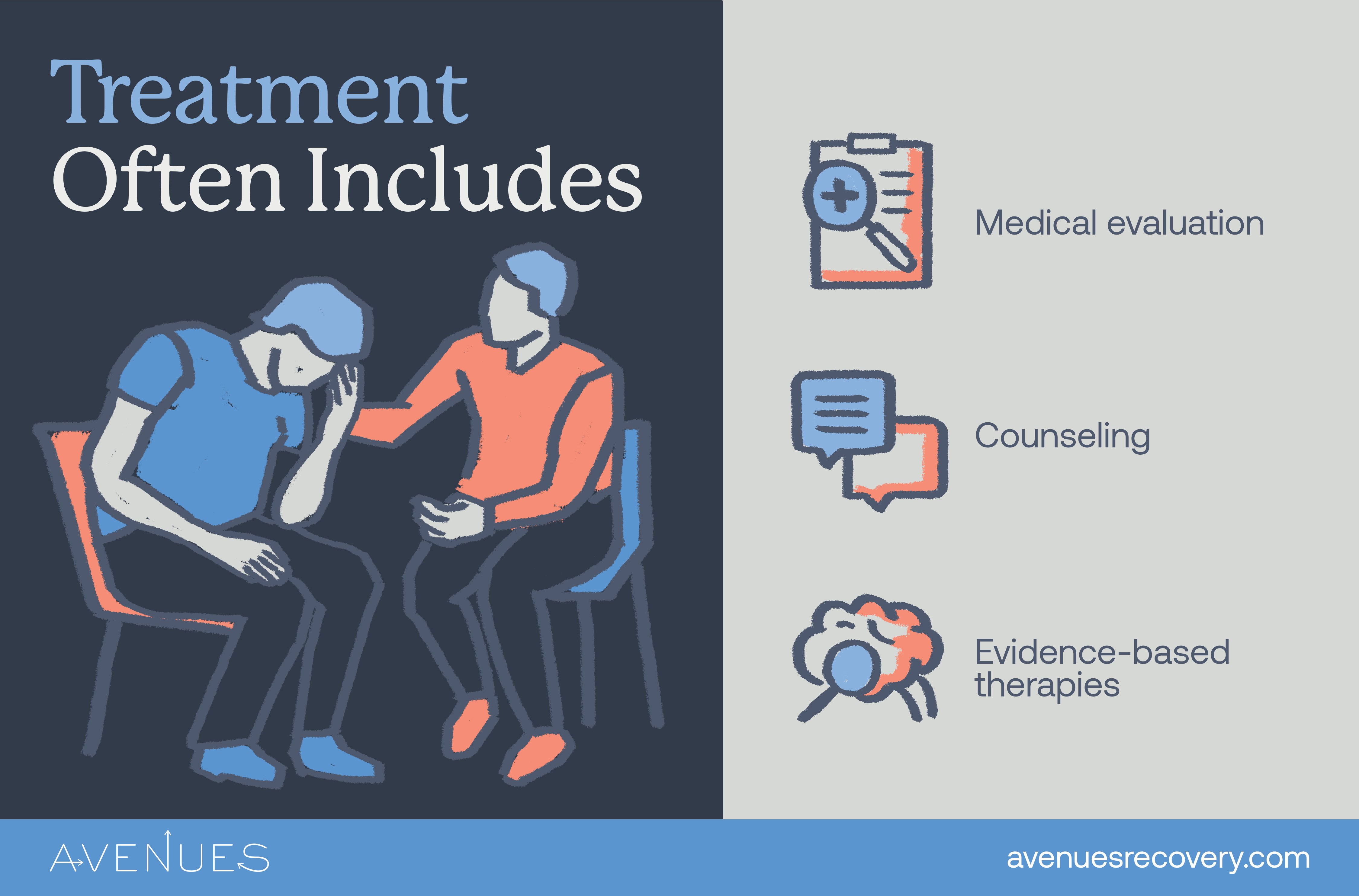
Treatment often includes:
- Medical evaluation
- Counseling
- Evidence-based therapies
Programs may incorporate medication-assisted treatment, trauma-informed care, and skills training to help stabilize daily functioning and rebuild physical and emotional health.
Recovery pathways also extend beyond just active duty. Veterans can continue care through community programs, VA services, peer support, and long-term relapse-prevention strategies that reinforce stability and resilience. With the right support, service members can rebuild confidence, strengthen coping skills, and work toward lasting recovery.
For discreet and effective help on this journey, reach out to Avenues Recovery.