


Key takeaways:
- Drug addiction treatment is 28 days at minimum, but the longer you are in rehab, the better.
- Most rehabs allow you to use your phone, although you may be asked not to use it for certain periods of time.
- You may not be able to see your family at first, but they will be invited to join the recovery process at some point.
- The cost of treatment varies according to the treatment plan but may be covered by your insurance.
- Reach out to Avenues Recovery for any questions or concerns you may have so we can help you!
Your Questions Answered: Drug Rehab FAQs
You don’t look like someone who needs rehab. And that’s exactly why this page exists.
You’ve spent most of your life doing what you have to do, without letting on how miserable you’ve felt inside. You show up to work every day, doing your best to pay the bills and keep a roof over your family’s head. But at the same time, you’re carrying the weight of trauma, stress, anxiety, and maybe even depression. And that’s not even the biggest problem.
The biggest problem is the substances you’ve been using to get through the pain.
You’ve spent years—maybe even decades—downplaying the impact drugs or alcohol have had on your life. Afterall, you’re functioning. You aren’t lying in a gutter, stoned or bleeding. You’re not hungover every morning. You can still hold down a job. To the outside world, you seem to be managing just fine.
But you know the truth: your inner world is buckling under the weight of unaddressed mental health struggles.
So when you read about people going to drug or alcohol rehab, you tell yourself it’s not for you. You see yourself as respectable, capable, high functioning. You’re successful at work. You have a social life. You have people who love you.
At Avenues Recovery, we invite you to read through the FAQs from people just like you—people who once wondered the same thing—so you can decide for yourself whether rehab is the right next step
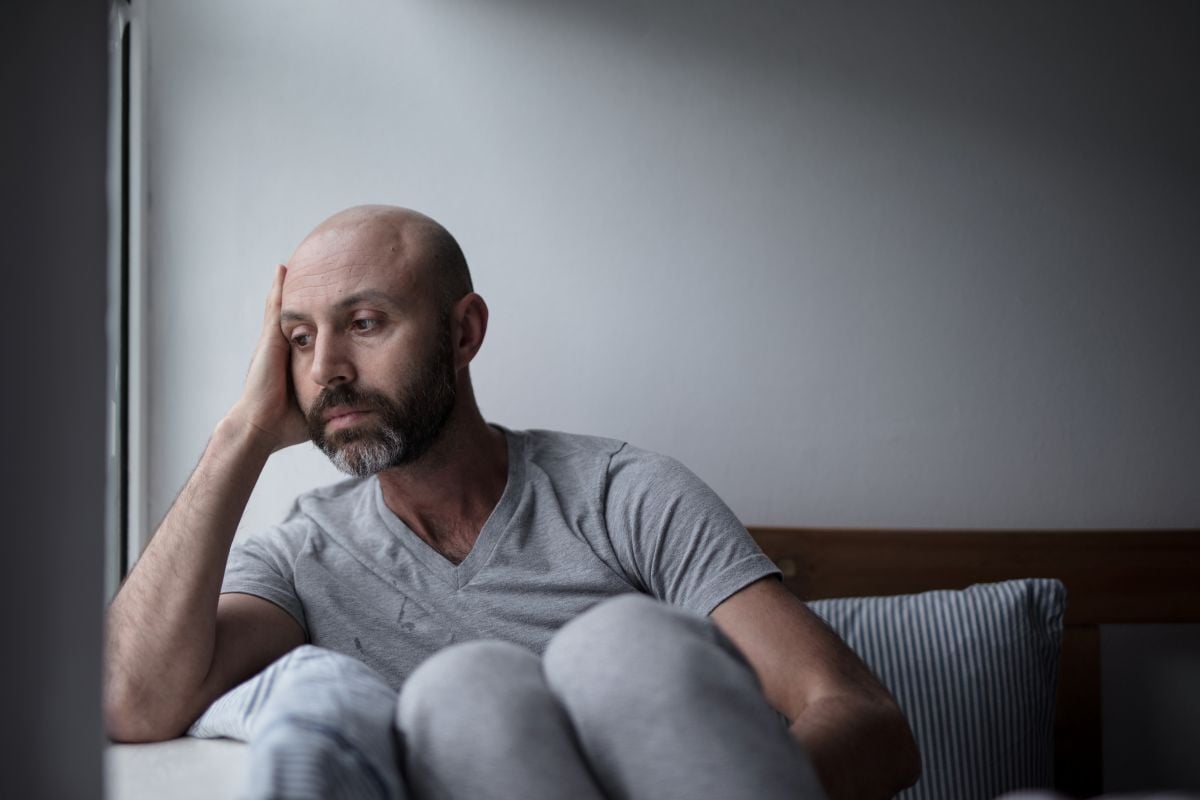
How long is drug addiction treatment?
The short answer is: the longer you stay, the better the outcome.
Understandably, the idea of stepping away from your life to attend inpatient rehab feels overwhelming. You worry about what family and friends might think—and that fear alone can feel suffocating, even shame-inducing. While we deeply empathize with how hard this feels, we also want to gently encourage you to take this courageous step toward getting your life back.
The reality is that rehab can be profoundly beneficial for many reasons. One of the most important is the environment itself. Stepping away from your everyday surroundings helps break familiar patterns and creates space for real healing. Right now, you know exactly where to go and what to do when cravings hit. In rehab, that access is removed, giving you the chance to pause, reset, and focus fully on sobriety.
Most treatment programs recommend a minimum of 28 days, though longer stays are often available and can be especially helpful in strengthening recovery before returning home.
Will I be allowed to use my phone?
If you are a successful person with work, family, and real responsibilities, the idea of having your phone taken away can feel frightening, anxiety-producing, and even patronizing. It can bring up fears about losing control, falling behind, or letting people down.
The good news is that most rehab facilities do not ban phone use entirely. Instead, they usually have specific times when cell phones are not allowed, so you can focus on healing and recovery without constant distractions.
So the short answer is yes, you will likely be able to use your phone most of the time.
That said, it is important to do your homework before committing to a rehab program. Each facility has its own cell phone policy. While many allow regular phone access, some restrict usage significantly or prohibit it altogether. If staying connected is important to you, those programs may not be the right fit, and it is better to know that upfront.
Will I be able to see my family?
You do not have to choose between healing and the people you love.
You love your family and want their support during this crucial time in your life. You have finally owned up to the addiction you have been battling, and you may be feeling raw and exposed. As you prepare to enter rehab, you want their love, care, and reassurance, but you are also worried about whether you will be able to see them while you are in treatment.
It is true that many rehab programs limit family contact at the very beginning of the treatment process. However, family members are usually invited to participate after an initial period of time. While that can feel frightening or isolating at first, the reasoning is straightforward. Early treatment is a time for you to focus ony ourself, build stability, and gain confidence in your ability to heal and succeed.
As treatment progresses, quality rehab programs recognize how important family support is to long-term recovery. Loved ones are eventually invited to take part in the process, allowing space for connection, understanding, and healing for the entire family.

How much will treatment cost?
Although costs vary depending on the rehab facility you choose, they also depend on the type of treatment plan you pursue. For example, inpatient rehab is generally more expensive than outpatient care because it includes housing, meals, and structured daily activities. Outpatient rehab does not include living expenses, but costs can still vary depending on what services are offered.
Some outpatient programs include weekly group and individual counseling sessions, while others offer fewer supports. In many cases, insurance plans cover a significant portion of the cost of drug rehabilitation, so it is worth finding out what benefits are available to you.
One final point to consider: the price of rehab can feel overwhelming at first. But it can help to compare that cost with what you are currently spending on drugs or alcohol, and what it maybe costing you in peace of mind, family relationships, and your work life.
Treatment is an investment, but so is continuing exactly as things are.
Can I smoke a cigarette?
Wanting to hold on to small comforts during a big life change is human and completely understandable.
If you smoke, you may worry about losing one of the few comforts or coping mechanisms you rely on when entering treatment. While it is true that some rehab programs do not allow smoking, particularly those located on hospital grounds, most rehabs do not ban it entirely.
Publicly funded facilities are required to follow public health regulations, which may prohibit smoking onsite. Privately owned treatment centers, on the other hand, often have more flexibility and may set their own policies, as long as they follow state and federal guidelines.
Even so, try not to let a smoking policy stand in the way of getting help. Policies vary widely, and what matters most is finding treatment that supports your recovery.
Where do 12-Step programs fit in with drug rehab treatment?
You may have heard about 12-Stepgroups and even considered joining one to help you manage your addiction. When thinking about rehab, it is common to wonder whether 12-Step meetings are still necessary or helpful as part of treatment.
Self-help groups such as Alcoholics Anonymous (AA), Narcotics Anonymous (NA), and Cocaine Anonymous (CA)have helped millions of people worldwide. Because of their effectiveness, most drug rehab centers encourage patients to attend meetings during treatment and continue participating after they leave rehab.
In other words, rehab and 12-Stepmeetings are not mutually exclusive. In fact, they often work best together. Rehab provides structure, clinical support, and stability, while 12-Step groups offer ongoing peer connection and accountability. Adding a social and community-based layer to recovery can make a meaningful difference over time.
You can find more information about meetings and how to locate a support group in your area by asking your treatment team or searching local meeting directories.
How effective is drug rehab?
Most people who enter treatment do so with questions, fears, and mixed emotions.
If you are still unsure about whether rehab is right for you, it can help to look at what research shows about addiction treatment outcomes. Studies consistently find that professional treatment for addiction is far more effective than relying on willpower or self-motivation alone. Many people try to manage or overcome addiction on their own, but those efforts often do not hold up long term.
Addiction treatment centers bring experience, structure, and clinical tools that make recovery more achievable. They are designed to support you through each stage of the process, from medical detox to building the skills needed for long-term sobriety. Treatment programs also prepare you for challenges along the way, helping you recognize triggers, manage cravings, and respond to setbacks without losing momentum.
Rehab does not promise a perfector effortless recovery, but it does give you a stronger foundation, professional guidance, and a support system that greatly improves your chances of lasting change.
Taking the next step
At Avenues Recovery, we understand the hesitation that comes with stepping away from your life to enter rehab. Thousands of people who have come through our doors arrived feeling exactly as you do now. They believed they were managing well enough and wondered how rehab could really help.
We invite you to pause and consider not just how you are getting by today, but what your life could look like with the right support, stability, and care. Recovery is not about admitting defeat. It is about giving yourself a chance at something better.
It is also important to know that rehab is highly effective for people who are committed to getting sober. Recovery is possible, and you are not failing if the road is not perfectly straight. Relapse is common in addiction recovery and does not mean treatment has failed. It usually means your care needs to be adjusted or restarted so you can regain your footing and continue forward.