


Chroming, also known as huffing, describes a specific form of inhalant abuse where individuals inhale the fumes from substances like chrome spray paint, gasoline, or nail polish to achieve a euphoric or altered mental state.
Avenues Recovery outlines the Chroming side effects and shares the tragic story of a young boy and girl who lost their lives to this dangerous trend. Understanding what chroming involves and the serious risks it carries can help educate kids who might be exposed to the dangerous chrome challenge on TikTok.
Key Takeaways about Chroming
- Chroming is a form of inhalant abuse that involves breathing in toxic fumes from substances like spray paint, deodorant, or gasoline.
- The TikTok chroming trend has made this behavior more common among teens, putting them at risk of serious harm or death.
- Short-term effects include dizziness, nausea, euphoria, and loss of coordination, while long-term use can cause brain and organ damage.
- Sudden Sniffing Death Syndrome can occur after a single use, causing instant heart failure in otherwise healthy individuals.
- Chroming is highly addictive and can lead to withdrawal symptoms, mental health issues, and lasting cognitive impairment.
- Treatment for chroming addiction involves medical detox, therapy, and family support to rebuild health and prevent relapse.
What Does Chroming Mean?
In simple terms, the chroming definition is a form of inhalant abuse, a dangerous behavior that can cause brain damage, heart problems, and even death. But why is it called chroming? The name comes from the use of chrome-based spray paints, which were among the first substances people inhaled to achieve these effects.
What is The Chroming Process?
There are three ways to achieve the chroming process:
- Sniffing: Sniffing fumes directly from a container, such as a bottle of nail polish remover.
- Bagging: Inhaling fumes that were sprayed into a bag first.
- Huffing: Inhaling vapors, like gasoline or lighter fluid, that were first soaked into fabric.

What Are The Side Effects of Chroming?
Some side effects of huffing paint and other fumes include:
- Headaches
- Dizziness
- Nausea
- Drowsiness
- Slurred speech
- Trouble walking
These side effects can occur after sniffing any gas, solvent, aerosol, or nitrite-containing toxic substances. Even sniffing markers can cause adverse effects.
Can Huffing Kill You?
Yes, huffing (chroming) can kill you. One of the dangers of chroming is that when a person abuses hydrocarbon-based chemicals to get high, such as huffing nail polish remover, the chemicals enter the bloodstream and are transferred to other organs, including the brain. The chemicals act on brain cells to cause hallucinations, dizziness, sleepiness, and euphoria. These are the short-term effects.
In the long term, chroming can change neurons in the brain, causing memory problems, learning deficits, psychiatric disorders, and addiction. Once a person stops chroming, they may feel withdrawal symptoms such as sleep disturbances, shakiness, sweating, and heart palpitations.
Risks of Inhalants
Not everyone who chromes will get addicted, but any abuse of inhalants causes risks such as:
- Burns to the face (since the products are flammable)
- Kidney damage
- Asphyxiation
- Cancer risk (if the product includes benzene)
- Fainting
- Inflammation of the lungs
- Sudden Sniffing Death Syndrome
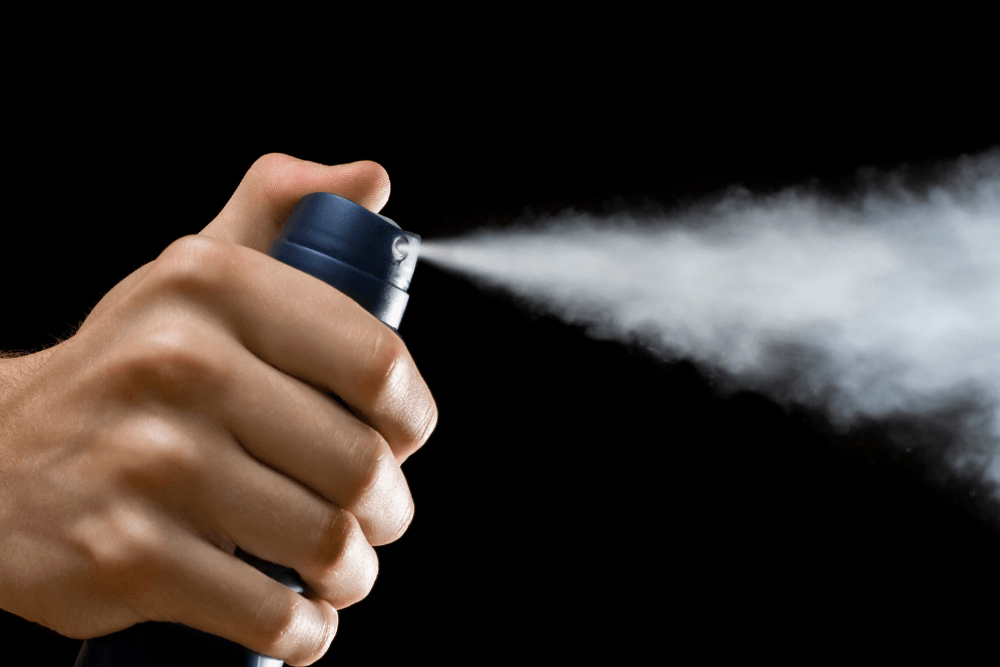
What Is Sudden Sniffing Death Syndrome?
Sudden sniffing death syndrome happens when someone goes into cardiac arrest or heart failure after abusing inhalants. This can happen after just one use by an otherwise healthy person.
What Is The Chroming TikTok Challenge?
While inhalant abuse is not new, the chroming trend was recently popularized after a chroming challenge went viral on TikTok.
The social media chroming challenge typically involves inhaling fumes by spraying or pouring the substance into a plastic bag and then inhaling the vapors. Chroming can have serious health consequences, including brain damage, organ damage, and even death.
According to the 2021 National Survey on Drug Use and Health, chroming is most popular amongst children aged 12 to 17.
Tommie-Lee Gracie Billington Died Due To Chroming

The tragic death of 11-year-old Tommie-Lee Gracie Billington from Lancaster, United Kingdom, made headlines in March 2024. Billington participated in a TikTok chroming challenge at a sleepover with friends on March 2, 2024. He was soon found unresponsive in his friend's home by Lancashire police, after a suspected cardiac arrest. He was transported to a local hospital by the North West Ambulance Service and pronounced dead a short time later.
Tommie-Lee's heartbroken grandmother, Tina Burns, shared, "Tommie-Lee went into cardiac arrest immediately and died right there and then. The hospital did everything to try to bring him back, but nothing worked. He was gone." She added, "He had a heart of gold just like his dad. Our family is utterly devastated." She further pledged in a Facebook post: "I will make sure to the best of my ability that your name and your beautiful face will become the reason that other children's lives will be saved and other families don't have to suffer this deep, deep hurt."
Chroming Death of Esra Haynes
Another heart-wrenching account that proves the lethal effects of chroming, is the story of Esra Haynes, a 13-year-old girl from Australia who died from chroming deodorant. Esra was a fitness enthusiast and one of the leading members of a competing aerobics team in Melbourne. Sadly, her fitness and athletic prowess didn’t save her from the ravages of chroming.
Esra went on an overnight with friends. In the middle of the night, her parents got a call that their daughter needed immediate medical attention. She had suffered from a cardiac arrest after trying the chroming trend with her friends.
She was immediately put on life support and remained in that state for her entire hospital stay. Towards the end of her hospitalization, a brain scan revealed irreparable brain damage. She died eight days later.

These two nightmarish stories serve as stark reminders of the incredible danger involved in any form of inhalant abuse. Although it might seem harmless and fun, and your child might use the excuse that “everybody does it!”, severe injury and even death can occur as a result.
Is Chroming Addictive?
Yes, chroming can definitely become addictive.
Early detection of chroming addiction is important. The following signs could be indicators of a chroming addiction:
Behavioral changes: Sudden mood swings, secrecy, falling grades, or loss of interest in hobbies and friends.
Physical signs: Frequent nosebleeds, irritated eyes, sores near the mouth, or stains from paint or solvents.
Unusual smells: Noticeable chemical or solvent-like odors on clothing, skin, or breath.
Can Chroming Addiction Be Treated?
Yes, a chroming addiction can be fully treated. Treatment options for inhalant addiction, like any substance use disorder, typically involve a combination of medical, behavioral, and psychological interventions. Inhalant addiction can be particularly challenging to treat, due to the wide range of substances that can be inhaled, each with its own unique effects and risks.
Some treatment options include a medical evaluation and detoxification, behavioral therapy, family therapy, individual therapy, and possibly pharmacotherapy. Although there is not one specific medication that helps with withdrawal from inhalants, medications like baclofen or benzos may be prescribed to manage cravings.
Banish the Chroming Trend
Although chroming may seem like a relatively harmless and fun activity, it is anything but. Chroming carries the risk of many dangers and can become highly addictive. Teaching children what chroming is and the harmful side effects that occur when huffing, will enable them to make better choices in the future.
If you or a loved one is suffering from a chroming addiction, know that recovery is possible. Here at Avenues Recovery, we offer a wide range of treatment options and therapies to help you stop chroming for good. Our highly trained and experienced staff will support and encourage you through every step on your path to healing. Contact us today to begin your journey to a brighter, happier, and addiction-free future.
Frequently Asked Questions About Chroming
1. What is chroming?
Chroming is the act of inhaling toxic fumes from products like chrome spray paint, gasoline, or deodorant to experience a brief high. It’s extremely dangerous and can lead to severe health consequences or death.
2. Why is chroming trending on TikTok?
The chroming challenge went viral on TikTok, encouraging users, mostly teens, to inhale fumes for a euphoric effect. Unfortunately, this trend has already resulted in several tragic deaths and widespread warnings from health experts.
3. What happens to your body when you chrome?
When you inhale toxic fumes, the chemicals rapidly enter your bloodstream and reach the brain, causing dizziness, hallucinations, and loss of control. Long-term, chroming can damage the heart, lungs, liver, and brain.
4. Can chroming kill you?
Yes. Chroming can cause sudden sniffing death syndrome, a fatal cardiac arrest that can occur even after one use. It can also lead to suffocation, burns, and fatal overdose.
5. Is chroming addictive?
Yes. Like other forms of substance abuse, chroming can lead to physical dependence, cravings, and withdrawal symptoms when not using. Over time, it can develop into a chronic addiction.