

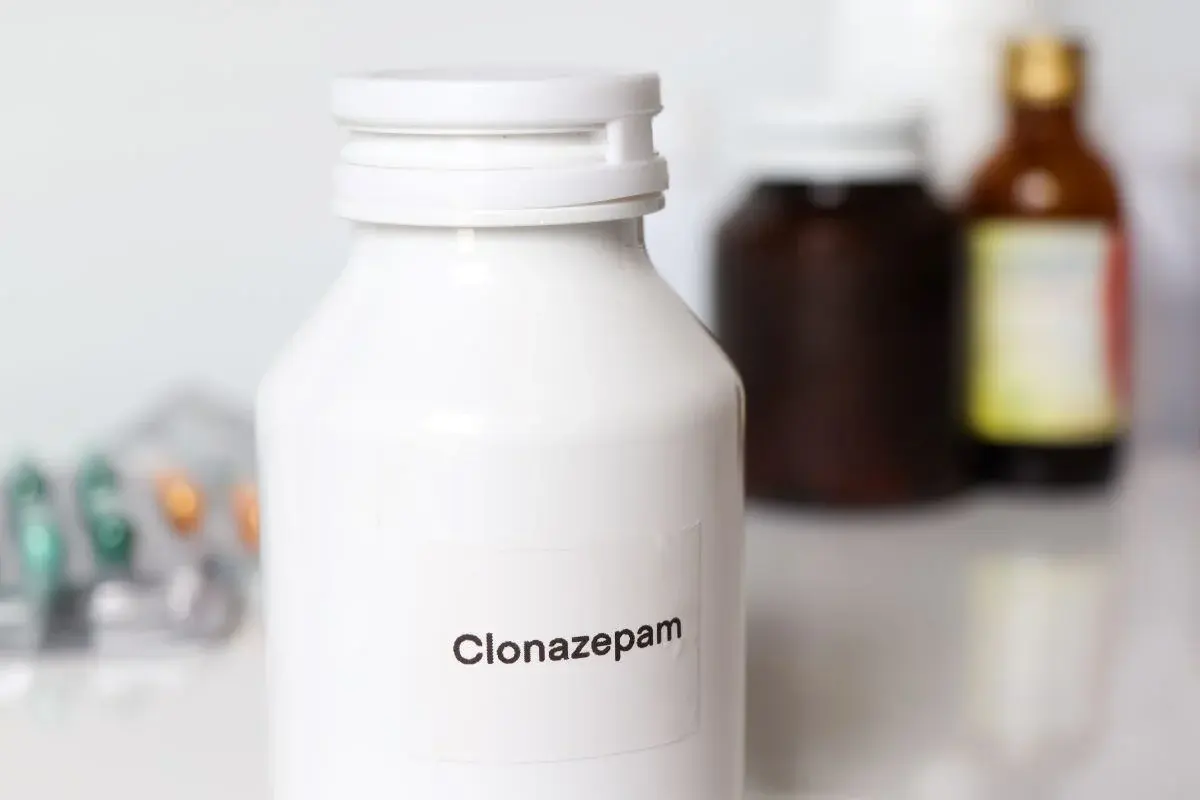
Klonopin stays in your system for 5 to 9 days after the last dose you take. Its half-life ranges from 30 to 40 hours, meaning that within that time, your body will eliminate 50% of the drug. However, how long Klonopin will show up on a drug test depends on the type of test (blood, urine, or saliva) and your individual metabolism and dose. Explore the types of drug tests for Klonopin with Avenues Recovery and when it might show up on them.
Key Takeaways About How Long Klonopin Stays in Your System
- Klonopin (clonazepam) is a long-acting benzodiazepine used to treat panic disorders, anxiety, seizures, and other nervous system conditions.
- The drug can be detected in the body for varying lengths of time depending on the test type: urine (3–6 days), blood (2–3 days), saliva (up to 5–6 days), and hair (up to 90 days).
- Individual factors such as age, liver function, metabolism, dosage, duration of use, and use of other substances all affect how long Klonopin’s effects last and how long it stays in the body.
- Long-term use can lead to tolerance, dependence, memory problems, fatigue, mood changes, and withdrawal symptoms if stopped abruptly.
- Mixing Klonopin with alcohol or other depressants greatly increases the risk of overdose, respiratory depression, and other severe side effects.
What Is Klonopin?
Klonopin is a drug used to treat panic disorders, anxiety, and seizures. A brand name for clonazepam, it is a depressant that falls under the umbrella of benzodiazepines, which means that it slows the central nervous system (CNS). The drug enhances the inhibitory neurotransmitter gamma-aminobutyric acid (GABA) to calm a system that has become overstimulated. In other words, by slowing the central nervous system, it allows the body to calm down.
Klonopin may also be prescribed to manage the symptoms of mania, tardive dyskinesia (a condition where one performs uncontrollable bodily movements), and insomnia. Although it has been approved by the FDA and is a schedule IV drug (which means that it has a low potential for abuse), it is still misused by people craving its pleasant side effects.
What Affects How Long Clonazepam Stays in Your System?
Several factors affect how long clonazepam stays in your system, including your dosage, frequency of use, metabolism, age, liver function, and body fat percentage. Here’s how some of those factors work:
- Age/overall health: Younger, healthier people usually have more efficient metabolisms, which means that the body will more easily flush the drug out of the system. Health issues that are common in older people also considerably slow down the metabolism of medicines.
- Metabolism: In addition to age, your metabolism is affected by genetics. This means that one young person can have a slower metabolism than another elderly person, causing Klonopin to remain in their body for longer.
- Dosage and duration: People who frequently consume high doses of Klonopin will have a harder time ridding their bodies of the drug. Those who have a history of abusing Klonopin usually increase their dosages with time and develop tolerance, which makes it harder for the body to eliminate the drug.
- Mixing with other substances: Taking Klonopin while also using alcohol or other substances increases the duration of time that Klonopin remains in your body. The way other substances, especially alcohol, interact with Klonopin makes it more difficult for the body to rid itself of the drug.
How Long Does Klonopin Take to Work?
Klonopin takes 20 to 60 minutes to start working. It reaches its peak effects within 1 to 4 hours. The exact onset time varies based on your dosage, metabolism, and whether you take it with food.
Klonopin lasts 6 to 12 hours per dose. However, its long half-life (the time it takes your body to eliminate 50% of the drug) of 30 to 40 hours can cause some side effects, such as sedation or drowsiness, to carry on into the next day. People with slower metabolisms or impaired liver function often experience longer-lasting effects, while those who metabolize medications quickly feel the effects wear off sooner.
Does Klonopin Show Up on a Drug Test?
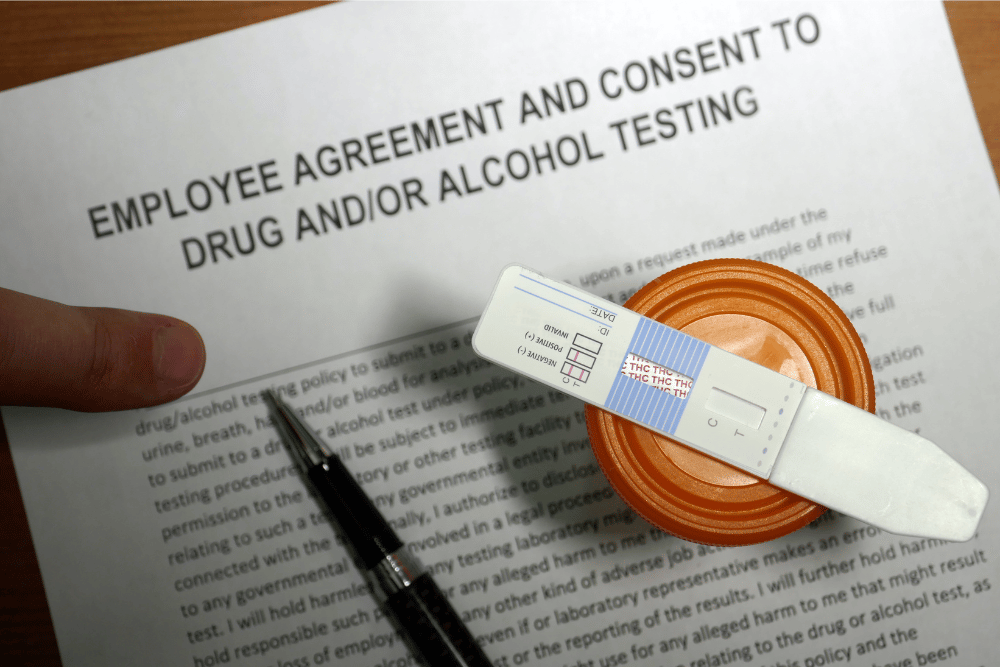
Klonopin does show up on drug tests as a benzodiazepine. If you are taking Klonopin at the recommendation of a doctor, you should present a doctor’s note when you take a drug test, as, depending on the method of testing, the drug can be detected for quite some time. The exact duration varies based on the type of test and individual factors.
How Long Does Klonopin Stay in Your Urine?
Klonopin stays in your urine for 5 to 30 days after the last dose. If you take it only occasionally, you can test positive for 5 to 7 days, while chronic or high-dose users test positive for up to 30 days. Detection time also depends on your metabolism and liver function.
How Long Does Klonopin Stay in Your Blood?
Klonopin stays in your blood for up to 48 hours after the last dose. Blood drug tests only detect clonazepam during this short window because it rapidly spreads and breaks down in the blood.
How Long Does Klonopin Stay in Saliva?
Klonopin stays in saliva for 5 to 6 days after the last dose. However, saliva drug tests are less accurate and less sensitive than urine or blood tests, and sometimes produce false negatives because clonazepam and its metabolites are present in saliva at much lower concentrations than in urine or blood.
How Long Does Klonopin Stay in Hair?
Klonopin stays in hair for up to 90 days after the last use. Hair tests work by detecting clonazepam byproducts that become trapped in your hair as it grows. The results can depend on how much hair was collected for the sample, and if the hair was grown while the drug was still in your system.
Klonopin’s Half-Life
In order to understand how long Klonopin lasts in the system, it’s important to understand the half-life process of drugs in the body. The half-life of a drug is the time it takes for the concentration of the substance in your body to decrease by half. Clonazepam, the active ingredient in Klonopin, has a half-life of about 30 to 40 hours. This is considered a long half-life relative to other substances.
After the first half-life of Klonopin in the body, the drug continues to lose half its concentration until it is removed from the body entirely. It is estimated that around five half-lives are needed until the substance is flushed out of the body, which can take 6 to 9 days.
What Are the Side Effects of Klonopin?
Klonopin can cause side effects such as drowsiness, dizziness, poor coordination, and fatigue. Possible side effects include the following, although it is important to remember that not every person will experience all these effects:
- Insomnia
- Anxiety
- Flu-like symptoms
- Headache
- Dizziness
- Nausea
- Diarrhea or constipation
- Extreme drowsiness
- Lack of coordination
- Increased heart rate
- Low blood pressure
- Reduced libido
Misusing Klonopin can lead to much more dangerous side effects, including addiction, suicidal ideation, loss of consciousness, coma, and even death. People who mix Klonopin with other substances to increase the effectiveness of the drug also risk more severe symptoms.
Long-term usage can have additional side effects such as memory issues, emotional blunting, and muscle weakness.
Klonopin Dependence, Addiction, and Withdrawal
Taking large doses of Klonopin, or using Klonopin for an extended period of time, can cause your body to develop physical dependence: it gets used to functioning with clonazepam in the system and struggles to manage without it. If this happens, you’ll feel adverse withdrawal symptoms after the effects of the drug wear off, which can drive you to use more of the drug for relief. This, in turn, can lead to addiction. If you’re struggling with Klonopin addiction or dependence, you may try to quit on your own, but this can cause serious and even dangerous side effects.
Rather than trying to stop taking Klonopin cold turkey, reach out to an addiction specialist who can help you with a Klonopin taper schedule to gradually reduce your dose while using different resources to manage the withdrawal symptoms.
Klonopin Addiction Treatment
If you’ve been diagnosed with a Klonopin addiction, it is important to do a medical detox as soon as possible in a supervised setting, such as an accredited drug rehab center.
Once you’ve flushed the Klonopin out of your system and you are no longer experiencing the withdrawal effects, follow-up intervention is needed to ensure you don’t fall into the cycle of addiction again.
Recovery can feel overwhelming, but you don’t have to face it alone, and real, lasting change is possible with the right support. At Avenues Recovery, our experienced team has helped thousands of individuals rebuild their lives, and we’re here to do the same for you.
If you’re ready to take the next step, reach out today. You’ll find compassionate professionals and evidence-based care that puts you first.
Frequently Asked Questions About How Long Klonopin Stays in Your System
Does Klonopin show up on a 10-panel drug test?
Klonopin may show up on a 10-panel drug test if the panel includes benzodiazepines. Standard 10-panel tests often screen for benzodiazepines, but some may not reliably detect clonazepam without a specific assay.
Is Klonopin on a 5-panel drug test?
Klonopin does not appear on a standard 5-panel drug test. 5-panel tests screen for marijuana, cocaine, opiates, amphetamines, and PCP, but exclude benzodiazepines like clonazepam.
Is 0.5 mg a lot of clonazepam?
0.5 mg of clonazepam is a low to moderate dose of clonazepam. Standard starting doses range from 0.25 mg to 0.5 mg taken 1 to 2 times daily for anxiety or panic disorders. Higher daily doses, such as 1 mg to 4 mg, indicate moderate to high use depending on tolerance and condition.
What is the washout period for clonazepam?
The washout period for clonazepam is 5 to 9 days for most people. This range reflects 5 to 7 half-lives, based on a 30- to 40-hour half-life. Complete elimination may take up to 10 days in slower metabolizers or long-term users.
Are there tips for how to get Klonopin out of your system fast?
You cannot safely speed up the removal of Klonopin from your system. Hydration, good overall health, and avoiding additional doses can support your body’s natural clearance.