

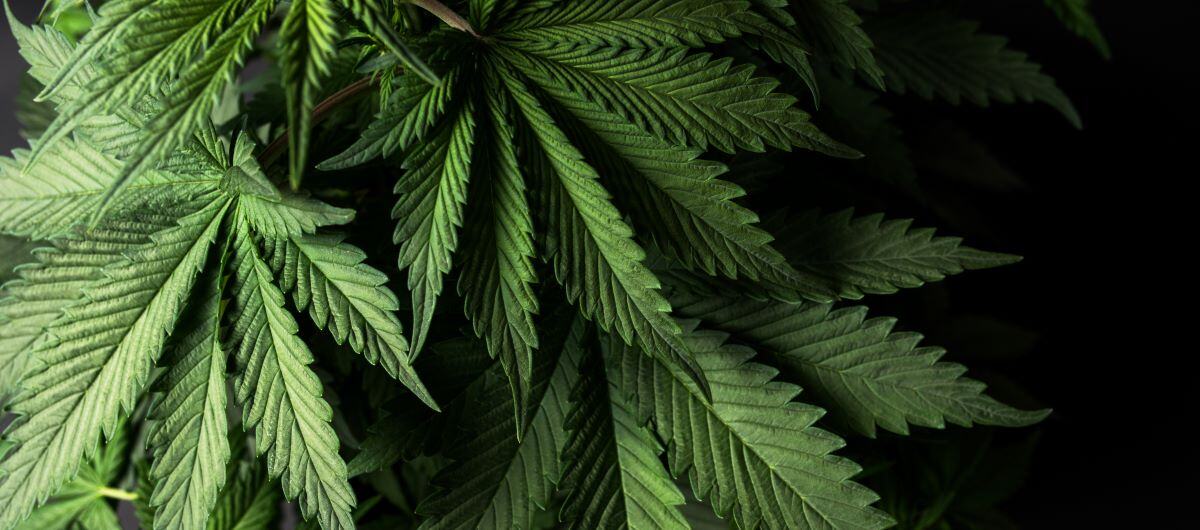
Weed/marijuana is often classified as a depressant because it can slow the central nervous system, but its effects are complex and also include stimulant and hallucinogenic properties. Marijuana, commonly known as weed, cannabis, or pot, has long been a topic of debate because of its wide-ranging influences on the mind and body.
If you’re curious about the science and impact of marijuana, Avenues Recovery offers reliable, research-backed information.
Key Takeaways
- Marijuana can act as a depressant, stimulant, or hallucinogen depending on the interplay between many factors.
- THC can either stimulate or relax the mind and body, while CBD mainly promotes calm.
- Effects vary by strain, dose, and metabolism, leading to varied responses.
- Understanding these effects helps identify risks and when to seek support.
What Are Stimulant Drugs?
Stimulant drugs are substances that quicken certain functions of the central nervous system, leading to increased alertness, energy, and mood. These drugs work by enhancing the activity of neurotransmitters, particularly dopamine and norepinephrine, in the brain. Common stimulant drugs include cocaine, methamphetamine, and prescription medications for attention deficit hyperactivity disorder (ADHD), such as Adderall and Ritalin. Stimulants can boost brain function, improve focus, and temporarily ease feelings of fatigue. However, their misuse or over-consumption can have adverse effects, including increased heart rate, elevated blood pressure, and a heightened risk of addiction.
What Are Depressant Drugs?
Depressant drugs are substances that slow down the activity of the central nervous system, resulting in a calming or sedative effect. These drugs act mainly on neurotransmitters like gamma-aminobutyric acid (GABA), which inhibits brain activity. Common depressant drugs include alcohol, benzodiazepines like Xanax and Valium, barbiturates, and certain sleep medications like Ambien. Depressants are often prescribed to relieve anxiety, induce sleep, or relax muscles. While they can be beneficial when used as directed by a healthcare professional, misuse or excessive consumption can lead to serious health risks. Depressant drugs can cause drowsiness, impaired coordination, slowed breathing, and, in extreme cases, overdose.
Is Weed a Stimulant or Depressant?
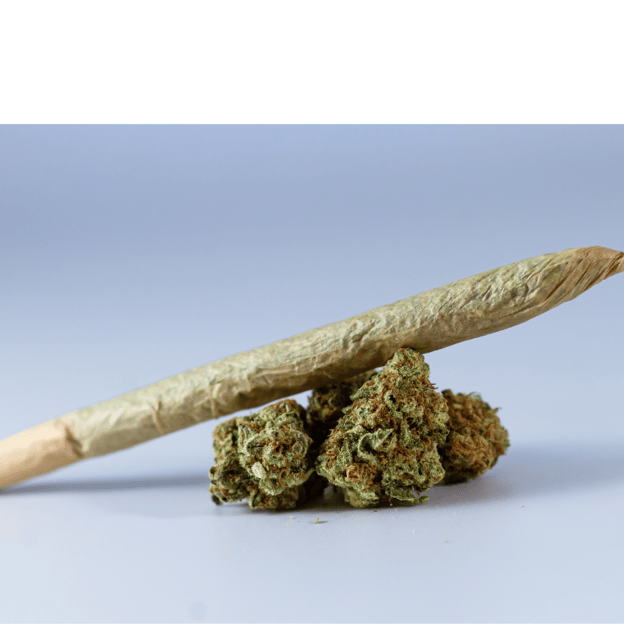
The short answer is that weed can be classified as either a stimulant or a depressant. Its effects do not fit neatly into a single category.
THC and CBD
Tetrahydrocannabinol (THC), the primary psychoactive compound in marijuana, sometimes shows stimulant-like qualities by triggering the release of dopamine, causing feelings of euphoria, increased alertness, and elevated mood. But it can also act as a depressant by relaxing muscles and calming nerves, leading to a sense of calm. Meanwhile, cannabidiol (CBD), a non-psychoactive compound found in weed, is known for its relaxing properties, contributing to marijuana’s depressant effects.
Sativa vs Indica
The difference in effect also depends on the strain of marijuana consumed. Sativa strains are often associated with more stimulating effects, promoting creativity and focus, while indica strains are linked to relaxation and potential drowsiness.
The Biphasic Effect
Another factor to keep in mind is that marijuana is biphasic, meaning it can have opposite effects at low and high doses. The same cannabinoid can make a person feel more alert at high doses and more relaxed at lower doses, or vice versa.
How Your Body Processes Cannabis
Marijuana’s effects can also depend on a person’s metabolism and how their body processes it. That’s why an equal dose of the same strain of weed has different effects on different people, acting as a stimulant on some and a depressant on others.
Therefore, marijuana is both a depressant and a stimulant, reflecting its complex and sometimes unpredictable effects on mood and energy.
Is Weed Hallucinogenic?
While marijuana is not usually classified as a hallucinogen, it can sometimes cause hallucinogenic effects. The primary psychoactive compound in marijuana, tetrahydrocannabinol (THC), interacts with the brain's receptors, affecting perception and cognition. While hallucinations caused by weed are not as common or intense as those induced by traditional hallucinogens like LSD, higher doses or specific strains of THC can lead to altered sensations, vivid imagery, and changes in the perception of time. These effects are not universal and can vary widely from person to person.
Cannabis’s Effects on the Body and Mind
The cannabinoids in weed interact with the body’s endocannabinoid system, leading to a range of effects.
What Does Weed Do to Your Brain?
THC binds to receptors in brain areas associated with coordination, pleasure, thinking, memory, and time perception, triggering the release of dopamine, which creates a sense of euphoria and relaxation. Simultaneously, weed can interfere with the hippocampus, affecting short-term memory. Weed’s effects typically start almost immediately, peaking within 30 minutes of ingestion, and can last up to two hours. While some users experience positive responses, others may encounter adverse reactions. Possible side effects include:
- Euphoria and relaxation
- Impaired coordination
- Short-term memory issues
- Increased heart rate
- Dry mouth
- Bloodshot eyes
- Altered judgment and decision-making
- Anxiety or paranoia
- Hallucinations (in high doses)
How Does Weed Affect Serotonin and Dopamine?
When you consume weed, THC boosts levels of neurotransmitters like dopamine and serotonin in your brain, creating a sense of euphoria and pleasure. This mood elevation is often accompanied by relaxation and a reduction in stress and anxiety for some users.
But weed’s impact on mood is not the same for everyone. While some people may feel more creative and upbeat, others may experience anxiety, paranoia, or even episodes of temporary psychosis. Long-term or excessive use of weed can contribute to depression or, in rare cases, schizophrenia.
How Does Weed Affect Your Mood?
The THC in weed interacts with your endocannabinoid system, which regulates things like mood, stress, and pleasure. This can make you feel relaxed, euphoric, or more anxious.
Recognizing Problems
Understanding how weed affects your body and mood is important because while some people use it without serious problems, others may experience negative effects or develop patterns of use that interfere with daily life. Recognizing these potential risks helps you make informed choices and know when it might be time to seek support.
Weed Addiction Treatment at Avenues Recovery
Overcoming weed addiction is a journey that often benefits from professional guidance and a combination of supportive interventions. Avenues Recovery offers evidence-based treatment programs that are designed to address the unique challenges of marijuana use disorder. We provide personalized care that includes therapy, behavioral interventions, support groups, medical guidance, and holistic approaches, all delivered by experienced addiction specialists.
If you or a loved one is struggling with marijuana use, reach out to us for compassionate, expert support on the journey to recovery.
FAQs: Is Weed a Depressant?
What weed is a downer?
Cannabis that feels like a “downer” is typically indica-dominant marijuana. Indica strains usually produce calming, sedating effects such as muscle relaxation, sleepiness, and reduced energy. These effects contrast with those of sativa strains, which are more often stimulating or energizing.
Are edibles more likely to feel depressant than smoking or vaping?
Yes, edibles often feel more depressant than smoking or vaping. That’s because when you digest weed, your body turns THC into a stronger form called 11‑hydroxy‑THC, which lasts longer and hits your body harder. The slower start and longer duration can make you feel heavy or tired, but everyone’s experience is a little different.
What does Gen Z call weed?
Gen Z commonly calls weed “zaza,” “gas,” “tree,” “loud,” or “pack.” These slang terms describe marijuana in casual conversation and vary by region and social group. The words reference potency, smell, or culture.
What is mind high vs body high?
A mind high affects thoughts, mood, and perception, causing euphoria, creativity, or altered focus, while a body high affects physical sensation, causing relaxation, heaviness, pain relief, or sleepiness. Mind highs are commonly linked to sativa effects, while body highs are commonly linked to indica effects.
Can indica make you freak out?
Yes, indica can make you freak out. Although indica strains are commonly associated with depressant effects, they can cause anxiety, panic, or paranoia in some people, especially at high THC levels. Individual factors such as tolerance, mood, setting, and dose determine the reaction. Effects vary by person, not just by strain type.