

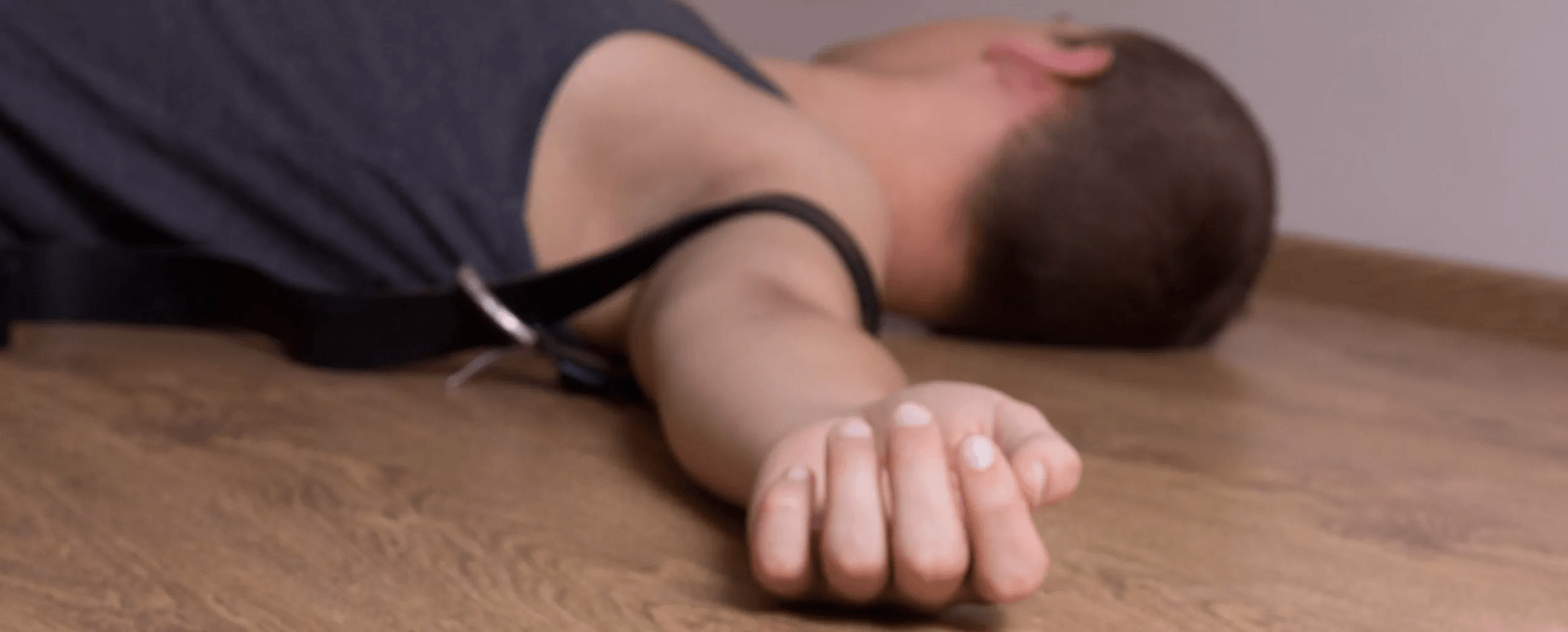
Overdoses are often fatal, so it’s crucial to seek medical help immediately if you need it. Some people do not recognize the signs of overdose or are not aware that they are experiencing an overdose because they are under such a heavy influence of drugs or alcohol.
Since drug overdose is one of the leading causes of preventable death, most states have instituted Good Samaritan laws to protect individuals from criminal charges if they seek emergency help for an overdose. Following emergency treatment, comprehensive addiction recovery programs like Avenues Recovery provide services such as detox programs, counseling, and ongoing support to help individuals reduce their risk of future overdoses.
Key Takeaways on the Signs of an Overdose
- An overdose occurs when a person ingests more of a substance than their body can handle.
- Warning signs to look out for include confusion, slowed breathing, and loss of consciousness.
- Certain factors increase the risk, such as age, mental health conditions, and combining substances.
- Overdoses always need immediate medical attention and should never be treated at home.
- Getting through the emergency is just the first step, lasting recovery requires ongoing support and treatment.
What is an Overdose?
An overdose, or OD, is a type of poisoning that occurs when a person takes in too much of a substance or a dangerous mix of substances. The amount taken surpasses their tolerance, which overwhelms the body and causes harm that can be fatal. Overdoses often occur from the abuse of illegal drugs, but can even result from a toxic amount of prescription or OTC medications.
Statistically, overdose death rates are rising dangerously. According to the American Medical Association (AMA), overdose deaths in the United States topped 75,000 in 2024. Therefore, it is crucial to understand the symptoms, risk factors, how to identify an overdose, and explore treatment options.
Overdose Symptoms
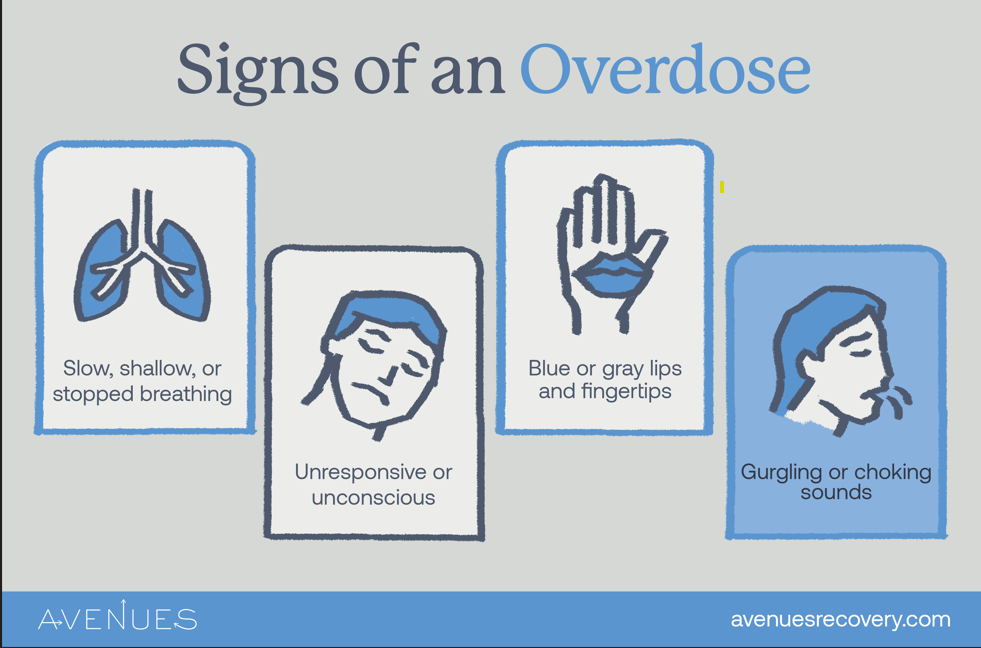
While overdose symptoms can vary depending on the kind of substance involved, key signs of overdose include the following:
- Confusion
- Dizziness
- Slurred speech
- Impaired coordination
- Seizures
- Severe chest pain
- Nausea and vomiting
- Dilated pupils
- Slow heart rate
- Shallow breathing
- Respiratory arrest (stops breathing)
- Respiratory depression (slow, ineffective breathing)
- Bluish tint to the skin, especially the lips and fingertips (cyanosis)
- Loss of consciousness
- Gurgling or choking sounds
Of the various signs and symptoms of an overdose, respiratory failure is the most common cause of death during any substance OD. If you or someone you know is experiencing any of these overdose effects and symptoms, it is crucial to seek medical attention immediately.
How Many Pills Does it Take to Overdose?
How many pills it takes to overdose can vary depending on several factors, such as whether the substance is a legal medication or an illicit drug, the age of the user, and whether other substances are involved. In short, there isn’t one fixed answer to this question. All of the factors listed above will affect how much of a particular substance is needed to cause an overdose.
Overdoses can be accidental or intentional. Although most are accidental, intentional overdoses occur most frequently in teenagers to adults in their mid-30s, either while trying to get high or for self-harm.
Examples of Accidental Overdoses
Accidental drug overdoses can happen in young children when medications are left within reach. Children aged six months to three years may ingest them out of curiosity and because they often put objects in their mouths.
Other examples of accidental overdose include:
- Taking the wrong medication or too much of a prescription medication. This is especially common among seniors who may take multiple medications prescribed by different doctors.
- Mixing alcohol with prescription medications or other drugs. Alcohol can amplify the effects of other drugs and lead to an overdose.
- Taking a drug that has been laced with another, more potent drug. This is often seen with street drugs such as cocaine or heroin that may be cut with other substances such as fentanyl.
- Not knowing the strength of a drug or how much to take.
It is crucial to seek medical help immediately if you suspect that you or someone you know has overdosed on any drug. Drug overdoses are often fatal, so it is best to err on the side of caution.
Overdose Risk Factors
Certain factors increase a person’s risk of overdosing on a substance. Some of these factors include:
- Age – Children and seniors are more likely to accidentally overdose due to their curious nature or because they may take multiple medications prescribed by different doctors.
- Mental health – People with mental health disorders such as depression or anxiety are more at risk of intentional overdoses.
- Substance abuse – People who abuse drugs or alcohol are more likely to accidentally overdose due to their perceived tolerance level for the substances.
- Polysubstance use – People who use multiple substances simultaneously are at an increased risk for overdose due to the combined effects of the drugs. An example is when opioid medications are combined with other drugs, such as alcohol or benzodiazepines.
- Poor physical health – People who are physically unhealthy are also at risk. Poor nutrition, dehydration, and sleep deprivation can contribute to an increased risk of overdose.
What Happens When You Overdose On Pills?
When a person overdoses on pills, their body becomes overwhelmed by the substance and can no longer maintain its normal functions. The exact effects vary based on the drugs involved, the amount consumed, and whether other substances were used at the same time. The first step in knowing what to do if someone overdoses is to recognize the danger signs.
Call 911 immediately if you witness an individual experiencing any of the following overdose effects:
- Limpness
- Unresponsive
- Extremely pale skin
- Blue-tinged lips
- Slowed breathing and pulse
What Pills Can Kill You?
There are many pills and substances that people can fatally overdose on, both legal and illegal. Overdosing on any of these substances can be extremely dangerous and even fatal.
Knowing what drugs can kill you can help people recognize and avoid fatal overdoses. Some of the most common substances with a high risk for overdose include:
Prescription Medications
Prescriptions can be dangerous when administered in high doses or misused. This includes amphetamines and methamphetamines, such as Adderall, benzodiazepines such as Xanax and Valium, and painkillers and Opioids such as Oxycodone, Hydrocodone, Fentanyl, and Kratom.
Alcohol
Alcohol is a depressant and can be lethal in high doses. The World Health Organization (WHO) reports it as the leading cause of death.
Illicit Drugs
Illicit drugs carry a high risk of dangerous overdose and serious harm. This category includes cocaine and crack, heroin, and illegally manufactured forms of prescription drugs.
Over-the-counter Medications
Ibuprofen, Acetaminophen, and other over-the-counter drugs can be harmful in large doses.Hallucinogens and Psychedelics
Some hallucinogens can lead to dangerous side effects, especially when taken in unsafe conditions. This includes substances such as ketamine.
Marijuana
Although marijuana is legal in several states, it is still possible to overdose on it. However, there have been no reports of fatal overdoses on this drug.
How to Stop an Overdose
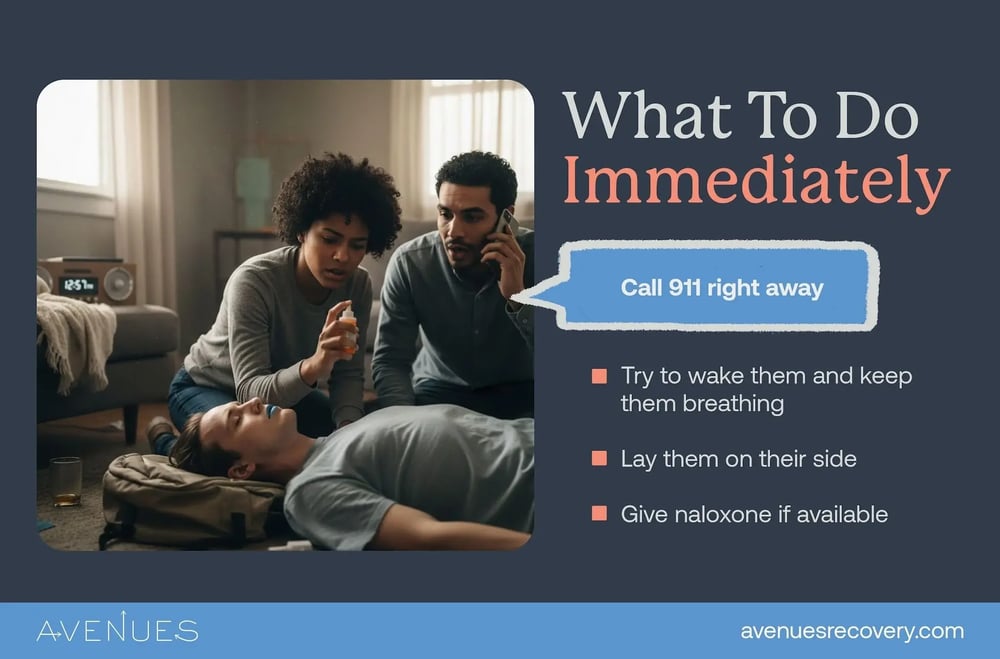
Treatment for an overdose usually requires hospitalization, where, in some cases, specific medications are administered. For example, Narcan (also known as Naloxone) is an antidote for opioid overdoses, and flumazenil is an antidote for benzodiazepine overdoses. Treatment for an overdose should never be attempted at home. Practicing overdose prevention and recognizing the signs of overdose early are the most effective ways to reduce the risk of a medical emergency and hospitalization. If you think someone is overdosing on a substance, call 911 immediately.
Some common overdose treatments include:
- Activated charcoal - charcoal is administered to absorb toxins in the body.
- Gastric lavage - stomach is pumped to remove the substance.
- Intravenous fluids - fluids are provided to maintain hydration and blood pressure.
- Oxygen therapy - can be used to assist breathing if the person has stopped breathing independently.
- Medications – there are a variety of medications used to counter the effects of an overdose, such as Naloxone for opioid overdoses.
How Long Does it Take to Recover From an Overdose?
Overdose recovery can be a long and challenging process that can take days or even weeks; however, the damage caused by an overdose can often take much longer to heal. It is therefore essential to seek professional help if you or someone you know has overdosed on a substance due to addiction.
There are many different types of treatment available for those struggling with addiction. Treatment should be tailored to the individual’s needs and may include drug detox treatment, counseling, and medication-assisted treatment.
Immediately following an overdose, it is crucial to do the following:
Address Immediate Medical Issues
A variety of medical issues can arise from an overdose, including abnormal vital signs, memory loss, and cardiac/respiratory/gastrointestinal problems. These issues may require continued care from a health provider.
Address Mental Health Issues
In the case of an intentional overdose, a psychiatric evaluation will be given, and the patient will receive the appropriate psychiatric care.
Seek Out Treatment for Substance Abuse
Overcoming an addiction is difficult, but many resources are available to help those in recovery. A good first step is usually to check into a rehabilitation program like Avenues Recovery, where a safe and supportive environment will be provided for those looking to recover from their addiction.
Stay Connected With Support Groups
A support system is crucial during recovery. Support groups such as Narcotics Anonymous and Alcoholics Anonymous can provide emotional support and helpful resources. Some groups meet in person, while others are available online.
Overdose Prevention
There are several ways to prevent an overdose. These include:
- Talk to your healthcare provider about exploring other pain management methods if you are taking prescription opioids. Examples of alternative methods are acupuncture, massage, cognitive behavioral therapy, and physical therapy.
- Take medications correctly as prescribed by a doctor and only use the amount specified. You can enlist the help of someone you trust to ensure that you are only taking the dosage prescribed.
- Keep prescription medications in a safe place where children or pets cannot reach them.
- Avoid mixing substances, especially alcohol and drugs.
- Seek professional help for substance abuse problems.
- Talk to your doctor about Naloxone, an FDA-approved medication to counter the effects of an opioid overdose. Doctors can prescribe this medication to patients at high risk of an overdose.
Help Is Available
If you are contemplating suicide through an overdose or any other means, know that help is available. If you feel suicidal or hopeless, please reach out for professional help. There are people who care about you and want to help you through this difficult time.
Please remember that suicide is a permanent solution to a temporary problem. If you are experiencing overwhelming challenges in your life, know that they can, and will, get better. There is hope.
Don’t hesitate to call the National Suicide Prevention Lifeline at 988 or 1-800-273-8255. In addition, there are many therapists and counselors you can reach out to for help. You are not alone.
Recover From Addiction With Avenues Recovery
Understanding what happens when you overdose on pills or other substances is the first step on the road to recovery. If you or a loved one is struggling with a substance use disorder, you can prevent the risk of an overdose by seeking help now. No one has to go through addiction alone. Contact Avenues Recovery, leaders in addiction rehabilitation, to find the treatment program that’s right for you. Get the help you deserve on your journey to recovery!
FAQs on Signs of Overdose
How do you know if you’re overdosing?
The clearest sign of an overdose is when your body stops responding the way it normally would. You might feel unusually dizzy, nauseous, or have trouble staying awake. Another danger sign is that breathing can become slow or labored. People experiencing an overdose often become confused and disoriented, so it falls on a friend or family member to notice the signs and call for help.
What does an overdose feel like?
What an overdose feels like depends heavily on the substance, but disorientation and physical weakness are common effects. Some people describe a heavy, sluggish feeling in their limbs, while others describe intense panic or a tight chest. In severe cases, the person may become unconscious.
Does an overdose happen immediately?
The timing of an overdose depends on how the substance was ingested and what it contains. Pills that are swallowed can take up to 30 minutes longer to act than a substance that has been injected or inhaled. Mixing substances can also shift this timeline. Because the timing varies so much, it's safer to treat any suspected overdose as urgent.
How much of a substance does it take to overdose?
There is no set quantity of a substance that can lead to an overdose, as the exact amount depends on the person and the drug. Body weight, tolerance, and whether any other drugs have also been ingested can all impact the risk of an overdose.
What should you do if someone is overdosing?
If someone is experiencing an overdose or shows signs of an overdose, it’s critical to call 911 as soon as possible and remain with the person until help arrives. If the person is throwing up, turn them on their side to prevent choking. Never wait for it to pass on its own, as overdoses can worsen quickly without treatment.