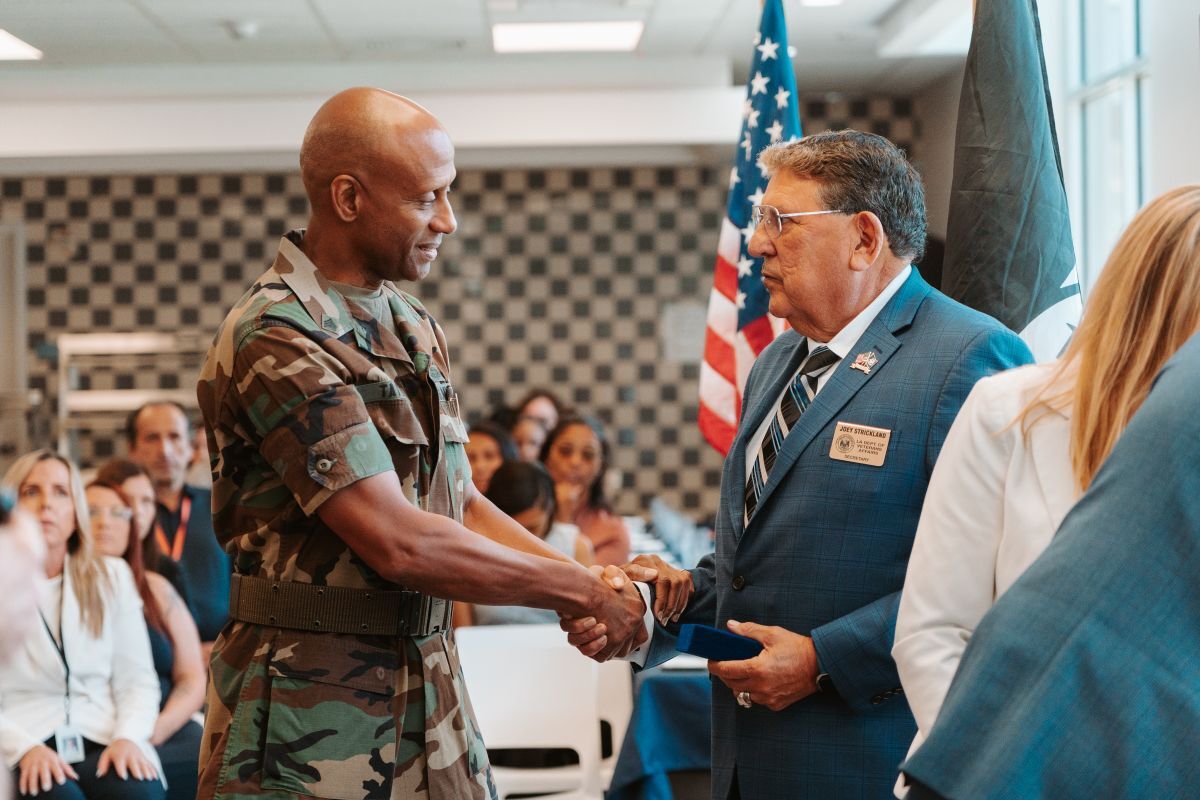
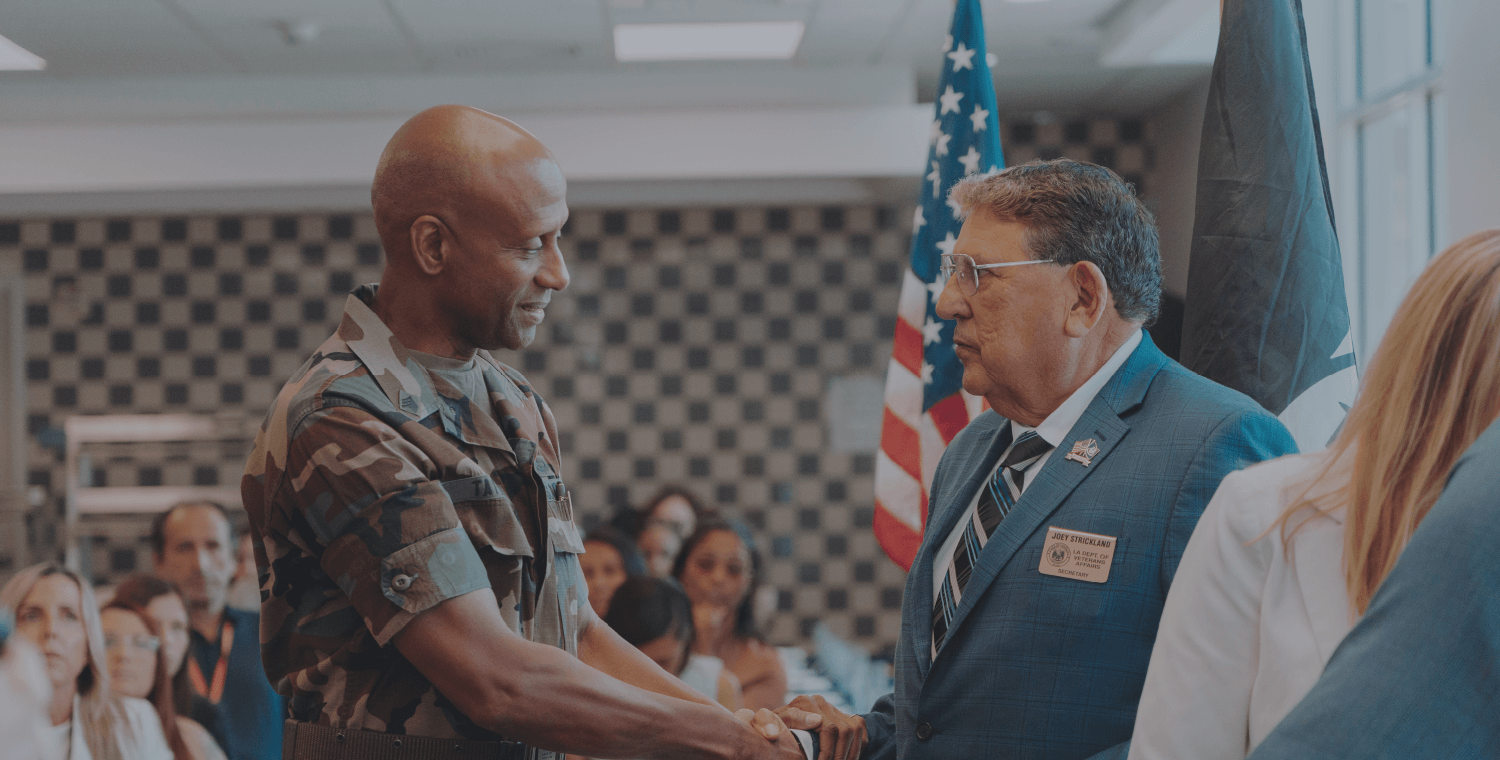
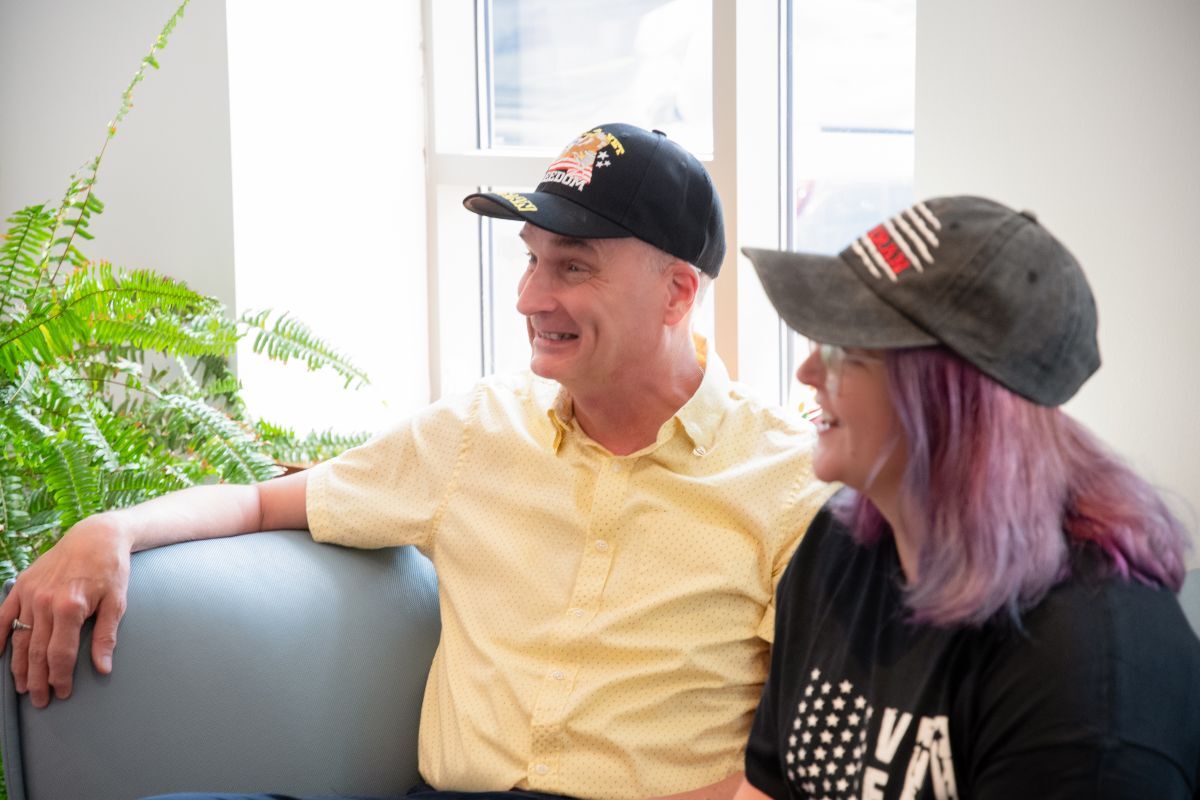

Giving back to those
who gave their all.

Rehab for Veterans: Avenues Drug & Alcohol Addiction Treatment Program

Giving back to those
who gave their all.

Rehab for Veterans: Avenues Drug & Alcohol Addiction Treatment Program

Why Avenues’ Veteran Program?

Specialized
Support

PTSD, Trauma, and veteran-focused therapies

Dual Diagnosis
Treatment

Science-backed mental health care

Veteran
Staff

Staff who are vets themselves. Here to help vets

Veteran
Community

A warm community of people just like you

Real World
Support

Full case management and aftercare

Handicap
-Friendly

Fully accessible facilities and 24/7 nursing to accommodate all ADLs

 
Every veteran deserves recovery.


Your pain makes sense.

Veterans carry things they don’t talk about — flashbacks that come from nowhere, fear that doesn’t go away, or trying to settle back into a world that feels strange. After coming home from war, the battle isn’t half over…

Almost 1 in 10 veterans suffer from substance use disorder, and most of them carry PTSD right alongside it. Not because they’re “broken,” or “weak”, but because they’ve lived through horrors most people will never have to face. It’s only human to look for something that numbs the pain for a little while.


And your healing matters.

And that’s why the right kind of help matters so much. If you’re a vet, you need treatment that understands your story and the weight you carry.

At Avenues Recovery Center, we’ve built programs especially for vets: support for PTSD and dual diagnosis, a skilled team that understand military life, and a warm community of veterans who get it – even before you explain. 


You’ve carried enough on your own.
Now, we’re honored to walk with you.

Our recovery stats

32855

people have trusted Avenues
with their recovery journey.

why that matters
1400K+

recovery professionals work at Avenues to transform lives.

why that matters
92%

of our active alumni are
sober after one year!

why that matters

We help veterans start living again.

This was not my first rodeo - but it was the first one that worked. I gained more in my first week at Avenues Recovery than I did in the entire 30 day stay at my previous rehab. What made Avenues different? Firstly, the staff CARED. They were not there for a paycheck; they were on a mission. My counselor was a veteran himself, 18 years sober! He understood exactly what I was going through. He was professional, knowledgeable, and held me accountable. I also learned so much from the other patients in my group. I was inspired by veterans and civilians alike and I maintain the relationships I created until today. But do you know what was most valuable? For the first time in my life, I felt I had been given the tools to STAY SOBER. I am fully confident that this was my last stint at rehab. I owe Avenues my life. 

Henry Green Alumnus Avenues Recovery Center at Covington

As a Veteran walking clients through recovery, my military experience strongly shapes how I support and care for them. In the military, especially during basic training, preparation was everything. We trained long before the battle so that discipline, structure, and mental strength became second nature. I view recovery the same way. Recovery is preparation. My service also taught me the importance of teamwork and never leaving someone behind. In recovery, this means walking alongside clients, meeting them where they are, and reminding them that setbacks are part of the process, not a failure. I approach each client with respect, patience, and belief in their ability to grow. Recovery, like service, requires courage, commitment, and preparation, and my role is to help clients build the tools they need to succeed.

Christy T. Group Facilitator

As a 23-year veteran of the United States Navy, I understand firsthand the demanding lifestyle, frequent, sometimes long deployments, intense experiences, and bonds that are and/or were formed during military service. I can relate to the challenges, anxieties, and post traumatic events that some military members faced during their service. This coupled with my knowledge of care within the Veterans Administration allows me to provide individualized care to Veterans who join the Avenues family.

Kathaleen Thomas, CAPT, USN Nurse Practitioner Avenues Recovery Center at South Bend

As a veteran, I felt understood here, especially by staff who knew my background. What stood out most was when a Marine veteran on staff realized I was a vet and asked if I’d be willing to talk with another veteran who was struggling with addiction and PTSD after a combat injury. This program was completely different from other treatment centers I have been to. We were not treated like numbers. We were treated like people. There was a real sense of unity, almost an esprit de corps, that the staff, especially the BHTs, actively built. The alumni community is another major difference. Staying connected after treatment genuinely helps prevent relapse and keeps people accountable. When I struggled, staff did not brush it off. They leaned in. One conversation in particular kept me from leaving early and helped save my sobriety. I am still sober today because of that support. I would absolutely trust this place with someone I served with. Veterans are treated as individuals here, with dignity and respect.

William Williams Alumnus Avenues Recovery Center at New England

As a veteran myself and director of nursing at Avenues, I’m intentional about connecting with clients who have served. I make a point to check in with Veterans to ensure their medical and support needs are fully addressed, especially when navigating the VA system, which can be complex. When a client is connected to the Fort Wayne VA, I work directly with them to secure their medications so there’s no interruption in care. I also focus on matching Veterans with providers who understand trauma-informed care and PTSD. Beyond clinical support, I’m mindful of environment, placing Veterans in quieter spaces when appropriate and helping connect them with local housing and Veteran-specific resources. My goal is for every Veteran to feel understood, supported, and prepared for life after treatment.

Holly Haft Director of Nursing Avenues Recovery Center at Fort Wayne

The military was instrumental in teaching me several core values which I have implemented in providing clinical services to our clients. The core values taught to me are teamwork, responsibility , and accountability. At Avenues, it is the effort of the team that drives clinical services. Bringing together professionals with different skills sets has proven effective in our service delivery. Each team member understands the importance of carrying out their individual responsibilities and know that they will be held accountable by the Team in this effort. The integration of these core values are key ingredients in assisting our client to gain acceptance of their substance use disorder and in developing sobriety based coping skills.

Marion C. Clinical Supervisor Avenues Recovery Center at Prince Frederick

When I came to Avenues Prince Frederick, I knew I had to do something different. I’d been to several treatment centers back to back before Avenues and just couldn’t get it right. From the start, Avenues felt different. Having a counselor who was also a veteran made a huge impact- I felt seen, understood, and comfortable opening up. He really got my background and PTSD, and that made it easier for me to be honest. The entire facility supported me and helped give me the strength to be honest with myself. After Prince Frederick, I went to Avenues extended care program in Bucks, PA. I was hesitant at first, but it ended up being the best decision I could’ve made. They picked things up right away. It was life changing. Avenues played a critical role in my recovery, and I honestly wouldn’t be where I am today without their support and understanding of my background.

Kevin J. Alumnus, Army Avenues Recovery Center at Prince Frederick

As a veteran, I felt respected and supported throughout my time at Avenues. The staff was patient, accommodating, and always willing to give me the space I needed when things were difficult. They were especially helpful in coordinating appointments with the VA and making sure my needs were handled without added stress. What stood out most was the way the program pushed me to reconnect with the world instead of keeping everything contained. Unlike other programs I’ve been in, this approach helped me build real connections in AA and better prepare for life after treatment, which made a lasting difference for me. Through EMDR, one-on-one counseling, peer support, and process groups, I began to accept and enjoy sobriety in a way I didn’t expect. I also formed stronger, more meaningful connections than I had anticipated going in. I would absolutely trust Avenues with someone I served with. The staff truly care about the people here, and it shows in how they show up every day. This isn’t just a job to them—it’s something they believe in.

Marty Alumnus Avenues Recovery Center at Bucks

As a veteran, I felt understood by the Avenues staff. They genuinely tried to understand where I was mentally and took the time to ask for my perspective, which made a real difference in how supported I felt. My experience in treatment completely changed the way I think about my situation and my mindset. The staff did their best to understand how my mind works as a veteran and were especially good at recognizing when I was struggling. Instead of letting things escalate, they stepped in with tools that actually helped me work through it. I would absolutely encourage another veteran to seek treatment and would support them throughout their journey. I would also trust Avenues with fellow veterans I served with, knowing they would be given the tools and support needed to maintain sobriety.

Phil Cutter

As a veteran, I felt completely understood and respected here. What made the biggest difference was that staff truly got where I was coming from. There were multiple veterans on staff who I could speak with openly about PTSD and my addiction, and that level of understanding meant everything to me. The staff listened with undivided attention, thanked me for my service, and asked what I needed — including whether I wanted to speak with a fellow veteran. When I struggled, they didn’t rush me or dismiss how I felt; they sat with me and talked as long as it took until I felt okay again. This experience was very different from other programs I’ve been in. In the past, my service was never acknowledged or recognized. Here, it mattered. What surprised me most was realizing that addiction did not define my future. I left believing I still had a future and could achieve my dream of one day working in recovery. To any veteran unsure about getting help: we’ve already sacrificed so much. If war didn’t take us, addiction shouldn’t either. If we can train to fight an actual war, we can train to fight our own battle with addiction. I would 100% trust this place with someone I served with. Avenues gave me another chance at life, and I’d want my brothers and sisters in arms to be blessed with that same opportunity.”

Jessica W. Avenues Recovery Center at Clarksville

As both a veteran and an Avenues alum, I bring my own experience into the way I work with clients every day. My time in the Air Force taught me the importance of structure, and I believe that foundation is essential to successful recovery. I make it a priority to help clients build that structure so they have something solid to stand on as they move forward. Veterans in treatment often need a few key things: structure, respect, and the opportunity to be of service. Those elements matter, and when they’re in place, real progress can happen. Because I have personal experience with PTSD, I’m able to recognize the signs when someone is struggling. There have been moments where I could step in early, pull a client aside, and use my own experience to help de-escalate a situation before it became overwhelming. I would trust this program with someone I served with without hesitation. I’ve lived through this program myself, and I’m deeply grateful for what Avenues has given me—both in my recovery and in my life today.

Dan Leedy Lead BHT Avenues Recovery Center at Denver

This was not my first rodeo - but it was the first one that worked. I gained more in my first week at Avenues Recovery than I did in the entire 30 day stay at my previous rehab. What made Avenues different? Firstly, the staff CARED. They were not there for a paycheck; they were on a mission. My counselor was a veteran himself, 18 years sober! He understood exactly what I was going through. He was professional, knowledgeable, and held me accountable. I also learned so much from the other patients in my group. I was inspired by veterans and civilians alike and I maintain the relationships I created until today. But do you know what was most valuable? For the first time in my life, I felt I had been given the tools to STAY SOBER. I am fully confident that this was my last stint at rehab. I owe Avenues my life. 
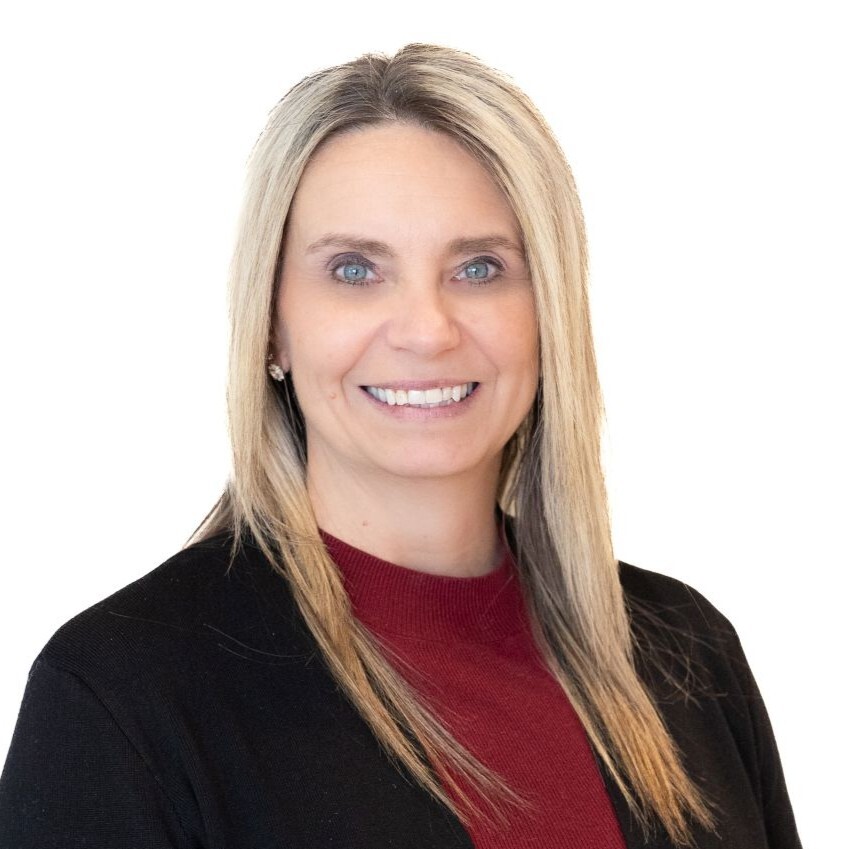
Henry Green Alumnus Avenues Recovery Center at Covington

As a Veteran walking clients through recovery, my military experience strongly shapes how I support and care for them. In the military, especially during basic training, preparation was everything. We trained long before the battle so that discipline, structure, and mental strength became second nature. I view recovery the same way. Recovery is preparation. My service also taught me the importance of teamwork and never leaving someone behind. In recovery, this means walking alongside clients, meeting them where they are, and reminding them that setbacks are part of the process, not a failure. I approach each client with respect, patience, and belief in their ability to grow. Recovery, like service, requires courage, commitment, and preparation, and my role is to help clients build the tools they need to succeed.

Christy T. Group Facilitator

As a 23-year veteran of the United States Navy, I understand firsthand the demanding lifestyle, frequent, sometimes long deployments, intense experiences, and bonds that are and/or were formed during military service. I can relate to the challenges, anxieties, and post traumatic events that some military members faced during their service. This coupled with my knowledge of care within the Veterans Administration allows me to provide individualized care to Veterans who join the Avenues family.

Kathaleen Thomas, CAPT, USN Nurse Practitioner Avenues Recovery Center at South Bend

As a veteran, I felt understood here, especially by staff who knew my background. What stood out most was when a Marine veteran on staff realized I was a vet and asked if I’d be willing to talk with another veteran who was struggling with addiction and PTSD after a combat injury. This program was completely different from other treatment centers I have been to. We were not treated like numbers. We were treated like people. There was a real sense of unity, almost an esprit de corps, that the staff, especially the BHTs, actively built. The alumni community is another major difference. Staying connected after treatment genuinely helps prevent relapse and keeps people accountable. When I struggled, staff did not brush it off. They leaned in. One conversation in particular kept me from leaving early and helped save my sobriety. I am still sober today because of that support. I would absolutely trust this place with someone I served with. Veterans are treated as individuals here, with dignity and respect.

William Williams Alumnus Avenues Recovery Center at New England

As a veteran myself and director of nursing at Avenues, I’m intentional about connecting with clients who have served. I make a point to check in with Veterans to ensure their medical and support needs are fully addressed, especially when navigating the VA system, which can be complex. When a client is connected to the Fort Wayne VA, I work directly with them to secure their medications so there’s no interruption in care. I also focus on matching Veterans with providers who understand trauma-informed care and PTSD. Beyond clinical support, I’m mindful of environment, placing Veterans in quieter spaces when appropriate and helping connect them with local housing and Veteran-specific resources. My goal is for every Veteran to feel understood, supported, and prepared for life after treatment.

Holly Haft Director of Nursing Avenues Recovery Center at Fort Wayne

The military was instrumental in teaching me several core values which I have implemented in providing clinical services to our clients. The core values taught to me are teamwork, responsibility , and accountability. At Avenues, it is the effort of the team that drives clinical services. Bringing together professionals with different skills sets has proven effective in our service delivery. Each team member understands the importance of carrying out their individual responsibilities and know that they will be held accountable by the Team in this effort. The integration of these core values are key ingredients in assisting our client to gain acceptance of their substance use disorder and in developing sobriety based coping skills.

Marion C. Clinical Supervisor Avenues Recovery Center at Prince Frederick

When I came to Avenues Prince Frederick, I knew I had to do something different. I’d been to several treatment centers back to back before Avenues and just couldn’t get it right. From the start, Avenues felt different. Having a counselor who was also a veteran made a huge impact- I felt seen, understood, and comfortable opening up. He really got my background and PTSD, and that made it easier for me to be honest. The entire facility supported me and helped give me the strength to be honest with myself. After Prince Frederick, I went to Avenues extended care program in Bucks, PA. I was hesitant at first, but it ended up being the best decision I could’ve made. They picked things up right away. It was life changing. Avenues played a critical role in my recovery, and I honestly wouldn’t be where I am today without their support and understanding of my background.

Kevin J. Alumnus, Army Avenues Recovery Center at Prince Frederick

As a veteran, I felt respected and supported throughout my time at Avenues. The staff was patient, accommodating, and always willing to give me the space I needed when things were difficult. They were especially helpful in coordinating appointments with the VA and making sure my needs were handled without added stress. What stood out most was the way the program pushed me to reconnect with the world instead of keeping everything contained. Unlike other programs I’ve been in, this approach helped me build real connections in AA and better prepare for life after treatment, which made a lasting difference for me. Through EMDR, one-on-one counseling, peer support, and process groups, I began to accept and enjoy sobriety in a way I didn’t expect. I also formed stronger, more meaningful connections than I had anticipated going in. I would absolutely trust Avenues with someone I served with. The staff truly care about the people here, and it shows in how they show up every day. This isn’t just a job to them—it’s something they believe in.

Marty Alumnus Avenues Recovery Center at Bucks

As a veteran, I felt understood by the Avenues staff. They genuinely tried to understand where I was mentally and took the time to ask for my perspective, which made a real difference in how supported I felt. My experience in treatment completely changed the way I think about my situation and my mindset. The staff did their best to understand how my mind works as a veteran and were especially good at recognizing when I was struggling. Instead of letting things escalate, they stepped in with tools that actually helped me work through it. I would absolutely encourage another veteran to seek treatment and would support them throughout their journey. I would also trust Avenues with fellow veterans I served with, knowing they would be given the tools and support needed to maintain sobriety.

Phil Cutter

As a veteran, I felt completely understood and respected here. What made the biggest difference was that staff truly got where I was coming from. There were multiple veterans on staff who I could speak with openly about PTSD and my addiction, and that level of understanding meant everything to me. The staff listened with undivided attention, thanked me for my service, and asked what I needed — including whether I wanted to speak with a fellow veteran. When I struggled, they didn’t rush me or dismiss how I felt; they sat with me and talked as long as it took until I felt okay again. This experience was very different from other programs I’ve been in. In the past, my service was never acknowledged or recognized. Here, it mattered. What surprised me most was realizing that addiction did not define my future. I left believing I still had a future and could achieve my dream of one day working in recovery. To any veteran unsure about getting help: we’ve already sacrificed so much. If war didn’t take us, addiction shouldn’t either. If we can train to fight an actual war, we can train to fight our own battle with addiction. I would 100% trust this place with someone I served with. Avenues gave me another chance at life, and I’d want my brothers and sisters in arms to be blessed with that same opportunity.”

Jessica W. Avenues Recovery Center at Clarksville

As both a veteran and an Avenues alum, I bring my own experience into the way I work with clients every day. My time in the Air Force taught me the importance of structure, and I believe that foundation is essential to successful recovery. I make it a priority to help clients build that structure so they have something solid to stand on as they move forward. Veterans in treatment often need a few key things: structure, respect, and the opportunity to be of service. Those elements matter, and when they’re in place, real progress can happen. Because I have personal experience with PTSD, I’m able to recognize the signs when someone is struggling. There have been moments where I could step in early, pull a client aside, and use my own experience to help de-escalate a situation before it became overwhelming. I would trust this program with someone I served with without hesitation. I’ve lived through this program myself, and I’m deeply grateful for what Avenues has given me—both in my recovery and in my life today.

Dan Leedy Lead BHT Avenues Recovery Center at Denver

Have Questions?

We thought so.

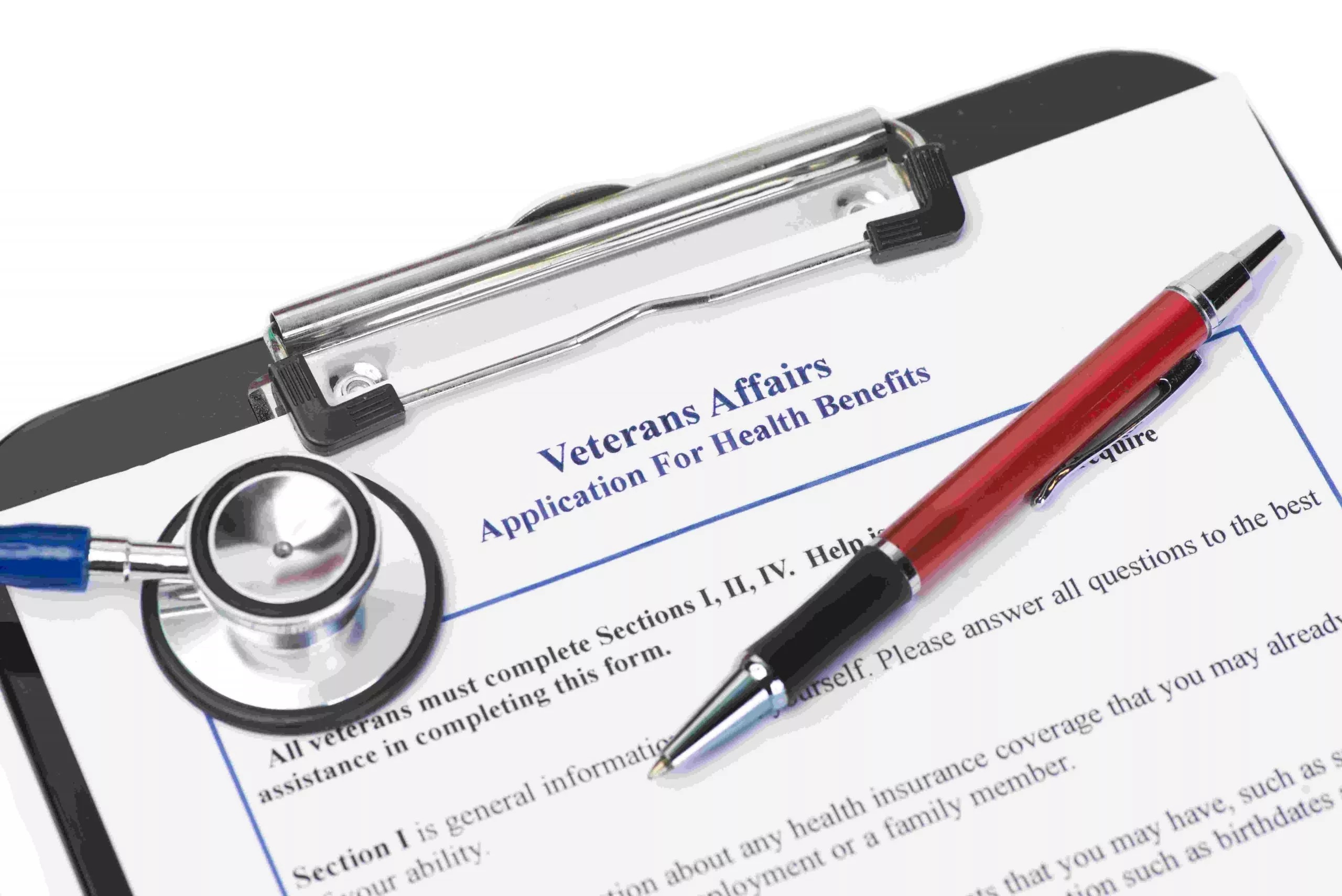
Does the VA or TRICARE pay for inpatient rehab?

In many cases, yes. The VA often covers addiction treatment for veterans, and TRICARE covers inpatient rehab when it’s medically necessary. The easiest way to know what you qualify for is to let the treatment center check your benefits—they’ll tell you exactly what’s covered and whether you’d have any out-of-pocket costs before you make a decision.

Not sure if you’re covered? You can verify your insurance here, or reach out to our admissions team to find out!

Will going to rehab affect my VA disability benefits?

No—getting help usually helps you, not hurts you. It’s viewed as a positive step, not something that harms your benefits. The VA encourages veterans to seek treatment, and being honest about what you’re struggling with often helps your overall care. If you have specific questions about a disability claim, a VA rep can walk you through it privately.

Can I go to a civilian rehab like Avenues instead of the VA?

You usually have options. You can go to a VA residential program, but you may also be able to attend a civilian rehab that works with VA Community Care or takes TRICARE or other insurance. A quick benefits check will tell you what’s available to you.

Are there inpatient rehab programs specifically for veterans?

Yes. Many rehabs, like Avenues, offer veteran-specific tracks, or groups led by clinicians who are veterans themselves or understand military life and trauma well. These programs often group veterans together so you can heal alongside people who “get it.” They also put a big emphasis on dual diagnosis care, treating not just addiction but the trauma and PTSD that likely caused it.

If a veteran-specific program matters to you, ask the rehab you’re considering directly - finding the right fit for you can make a huge difference.

Does Avenues treat veterans with PTSD and addiction together?

Yes. More often than not, veterans struggle with PTSD, trauma, TBI, anxiety, or chronic pain alongside addiction, and treating them together is critical. Avenues offers a strong veteran program that understands military culture, offers trauma-informed care, and is highly experienced in working with co-occurring mental health needs.

You deserve a place that sees the whole picture—not just the addiction.

What is a typical day like at Avenues’ veteran program?

Days at Avenues are structured and steady. You can expect group therapy, one-on-one therapy sessions, full medical support, three full meals a day (plus snacks), downtime, and regular extracurricular activities and outdoor time. You’re not “locked in” in any way, but the routine helps your mind and body settle so you can focus on healing without distractions or triggers.

What kind of therapy modalities does Avenues use to treat veterans?

Avenues’ veteran program uses a mix of science-based therapies that are especially helpful for veterans. Your therapist might use approaches like Cognitive Behavioral Therapy (CBT) to work through unhelpful thought patterns, Motivational Interviewing to help you reconnect with your goals, and Trauma-Focused therapies like EMDR or Cognitive Processing Therapy (CPT) to address PTSD and traumatic memories safely.

Aside from traditional therapies, when at Avenues, you can expect to use mindfulness, grounding techniques, group therapy, and peer support—all designed to help you feel more stable, connected, and understood. Your treatment plan will be fully customized to your needs, especially if you’re dealing with PTSD, depression, anxiety, chronic pain, or moral injury alongside addiction.

What kind of support do I get after inpatient rehab at Avenues?

You won’t be left on your own. At Avenues, aftercare planning starts the day you admit. Every veteran who goes through our programs is set up with a full aftercare plan before leaving - outpatient therapy, VA services, a strong support group, housing help, a primary care doctor, relapse-prevention tools, and medication support if needed.

Recovery doesn’t end when you walk out the door of Avenues, and your care plan shouldn’t either.

Is relapse possible after alcohol detox?

Unfortunately, relapse is always possible; recovery is a lifelong process! But there are steps you can take to reduce the risk. One great way to cement your recovery is by entering residential alcohol rehab after detox. Residential treatment will give you a solid foundation and the tools needed to build a new life of sustained sobriety.

Got more questions for us?

Give us a call. 888-683-0333

What will your journey look like with Avenues?

Drug & Alcohol Detox

Detox from drugs and alcohol in a calm, supportive environment. 24/7 medical care.

Residential Treatment

With a custom veteran - focused treatment plan and serious support, you’ll begin to rebuild on every level.

Dual Diagnosis Treatment

Get mental health care that digs to the root of your trauma and addiction – and helps you heal from the inside out.

Partial Hospitalization Treatment

Intensive daily therapy and basic life skills, as you build your recovery toolbox and prepare for the real world.

Intensive Outpatient Treatment

Ease back into real life with confidence and grace, with ongoing therapy and support.

Alumni Program

A vibrant community of vets just like you, to keep you sober long after treatment ends.

Check your insurance

Thanks,
We received your insurance request!

We will get back to you shortly. While you wait... you may find our resource blog helpful. Take a look below:

VIEW ALL ADDICTION RESOURCES

Text me!

Have a question? Want to get started? Enter your number and someone on our team will send you an SMS.

By selecting the checkbox, you consent to receive information/promotional text messages from Avenues Recovery Center. Message and data rates may apply. Carriers are not liable for delayed or undelivered messages. Message frequency varies per user. Text help & stop to unsubscribe at any time. Click for our Privacy Policy and Terms of Use.