


What is Sober Living?
Recovery doesn’t end when treatment does. Many people leave rehab motivated to stay sober, only to discover how difficult it can be to return to routines, relationships, and stability all at once. Sober living homes offer a supportive environment designed to help people navigate this fragile stage of recovery with structure and accountability. In this article, Avenues Recovery, a leading provider of addiction treatment, explores what sober living is, the benefits it offers, and who might gain from time at a sober living home.
Key Takeaways on Sober Living Houses
- Sober living homes are structured, substance-free residences that support individuals as they transition from treatment to independent living.
- People in early recovery who need added accountability and peer support can benefit from sober living homes.
- Sober living homes typically require residents to follow house rules, maintain sobriety, maintain a daily routine, and participate in recovery-focused activities.
- The cost of sober living varies by location and amenities, but monthly expenses generally range from a few hundred to several thousand dollars.
What Is a Sober Living House?
A sober living house is a structured group home for people recovering from drug or alcohol addiction. Sober living houses provide a substance-free environment, as well as peer support and accountability after rehab or treatment. There are usually rules and regulations that accompany living in a sober house, such as: no substance use, keeping private and public areas clean and orderly, participating in 12-step meetings, and abiding by specific curfews.
Research shows that sober living homes are valuable because they serve as a place where individuals in early sobriety can maintain and strengthen their recovery skills without the challenges of a toxic and unstable living situation.
Who Is Sober Living For?
Sober living is for people recovering from alcohol or drug addiction who need a stable and clean environment after rehab or detox. Sober living homes support people transitioning back to daily life by providing accountability and structured routines that reduce relapse risk during early recovery. Additionally, staying away from the environment that initially triggered an addiction is helpful to avoid relapse. For those who still need regular support as they pick up the thread of their lives, structured sober living homes are the perfect solution. Sober homes provide a warm, domestic environment surrounded by like-minded people in early recovery, with the perfect blend of structure and freedom as residents go about their daily lives.
How Does Sober Living Work?
Most sober living programs require residents to follow house rules and stay drug and alcohol free. Many residents also go to work or school, or volunteer during the day while checking in with house managers or peers for support and accountability. Sober living homes often include group meetings and curfews that help residents build healthy habits, such as improved communication skills, and take on responsibilities again after addiction.
Common Sober Living House Rules
Rules provide stability for residents and teach them responsibility. Here are some common rules and requirements often found in sober living homes.
- Stay drug- and alcohol-free
- Take part in random drug and alcohol testing
- Follow house curfews and schedules
- Attend recovery meetings or therapy sessions
- Complete chores and help maintain shared spaces
- Treat residents and staff respectfully
- Maintain basic hygiene
- Work, attend school, or participate in a recovery program
- Attend regular house meetings and check-ins
- Help cover basic household expenses
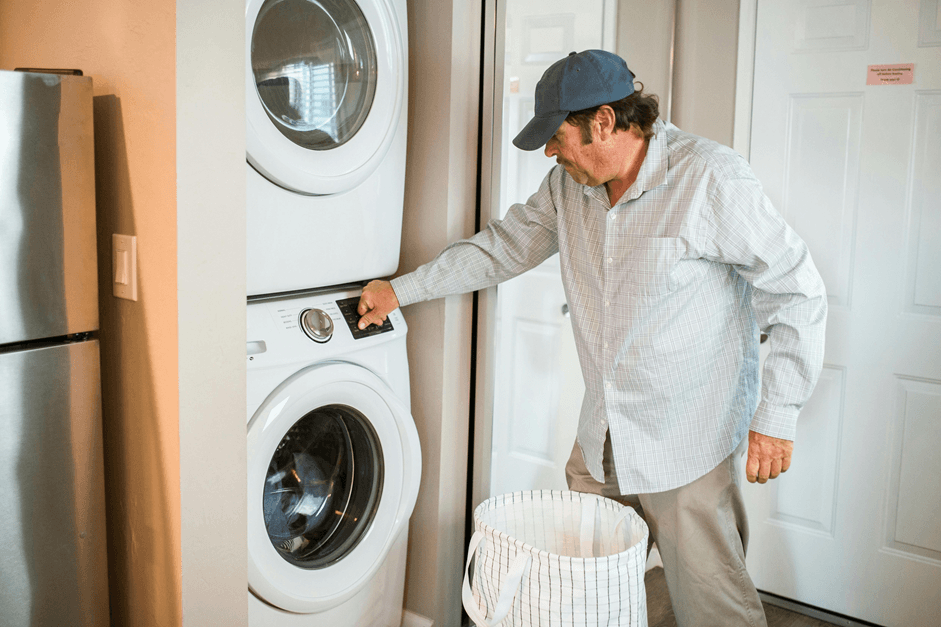
Rules aside, living in a communal housing arrangement naturally helps clients develop tolerance, problem-solving skills, and the ability to live with others and contribute to a greater whole.
How Much Does Sober Living Cost?
The cost of staying at a sober living facility will depend on the specific home you choose, with prices ranging from $500 - $3000 per month, but many sober living homes are actually covered by insurance as part of substance abuse treatment. At Avenues Recovery, we work with most major insurance companies to ensure our programs work for you.
Does Medicaid Pay for Sober Living?
Medicaid may pay for some sober living services, but coverage varies by state and program. Most Medicaid plans cover substance use treatment, counseling, and recovery services. Many sober living homes are not fully covered because they provide housing instead of medical care. Some states fund sober living through Medicaid waivers or recovery programs.
Benefits of Sober Living Homes
Sober living homes provide valuable support during the transition from addiction treatment to independent living. Some important benefits of sober living include:
- Accountability through house rules, curfews, and regular check-ins
- Peer support from others who are also committed to sobriety
- Reduced exposure to triggers and unhealthy environments associated with past substance use
- Opportunities to rebuild healthy daily routines and life skills
- Support while returning to work, school, or family responsibilities
- Increased confidence and independence during early recovery
- Access to recovery meetings, therapy, and other supportive resources
- A smoother transition between rehab and fully independent living
- Reduced risk of relapse during early sobriety
How Long Do People Stay in Sober Living?
The length of stay in a sober living home depends on each person’s recovery needs and progress. Most people stay for several months while building healthy routines and confidence in their sobriety.
Typical lengths of stay include:
- 30–90 days: Common for people transitioning directly from rehab
- 3–6 months: Often recommended for building stronger recovery habits and independence
- 6–12 months or longer: Helpful for people who need additional structure, support, or relapse prevention
Many sober living homes offer flexible timelines, allowing residents to stay as long as they continue to follow house rules and benefit from the program.
How to Find a Quality Sober Living Home
Choosing the right sober living home can make a major difference in long-term recovery success. A quality sober living home should provide a clean, safe, and supportive environment with clear rules and accountability. It’s also important to look for homes that encourage ongoing recovery through meetings, treatment support, and peer connection.
When searching for a sober living home, consider factors such as:
- Staff supervision and level of support
- Clear house rules and relapse policies
- Clean and well-maintained living spaces
- Access to treatment programs and recovery meetings
- Positive reviews and reputation
- Accreditation or licensing, when applicable
- Cost, insurance options, and location
Taking time to research sober living options can help individuals find an environment that fits their unique recovery needs and goals.
Sober Living at Avenues Recovery
Avenues partners with several sober living homes in order to allow clients in our Intensive Outpatient program to participate in treatment without the burden of travel. The homes are all located a short drive from our facilities and are staffed with round-the-clock support to ensure each client’s maximum safety and comfort. Clients attend treatment during the day at our nearby treatment facility and live, eat, sleep, relax, and socialize in their sober living home. The warm, relaxed domestic environment helps remove the institutionalized feel of treatment and allows clients to flourish as they continue their recovery.
Recovery Support at Avenues
Recovery is a journey, and having the right support system can make all the difference during the transition back to everyday life. Sober living homes provide structure and a sense of community that can help individuals build a stronger foundation for long-term sobriety. If you or a loved one is exploring recovery options or seeking ongoing support after rehab, our team is here to help. Reach out today to learn more about sober living and the next steps toward lasting recovery.
FAQs on Sober Living
Does Avenues offer Sober Living?
Yes! Two Avenues locations - Avenues Recovery Center at Bucks and Avenues Recovery Center at New England - offer Sober Living Services. These two facilities partner with a network of luxury sober living homes in their areas, enabling clients in our Intensive Outpatient program to engage in treatment without commuting.
How long do people typically stay in a Sober Living Home?
People typically stay in a sober living home anywhere from 3 months to over a year. However, this can vary from person to person, as each person will stay for a different amount of time depending on their personal situation and needs.
What’s the difference between halfway houses and sober living homes?
Sober Living homes are intended exclusively for people graduating from addiction treatment programs, and are usually individually owned, offering a considerable level of comfort and privacy. In contrast, Halfway Houses are usually government-owned and operated, and many of the residents are court-mandated to remain there.
Is there supervision in a sober living home?
Every sober living home will have its own setup and level of oversight. Avenues’ sober living homes have behavioral health technicians on-site 24/7 to ensure each client’s safety, comfort, and treatment progress.
Who pays for sober living homes?
Sober living homes are usually paid for by the residents who live there. Monthly costs range from $500 to $2,500 depending on location, housing quality, and included services.