


If you’ve heard the term “Calvin Klein drug” and felt confused, uneasy, or worried about someone you care about, that reaction makes a lot of sense. Street names have a way of making dangerous substances sound harmless, or even trendy, when the reality is anything but. Calvin Klein isn’t a brand, a pill, or a party joke. It’s a risky combination of powerful drugs that can take a real toll on the body, the mind, and the people who love the person using it. At Avenues Recovery, we believe honest, compassionate information without fear or judgment is often the first step toward safety, clarity, and healing.
Cocaine, Ketamine, and the Risks of Mixing
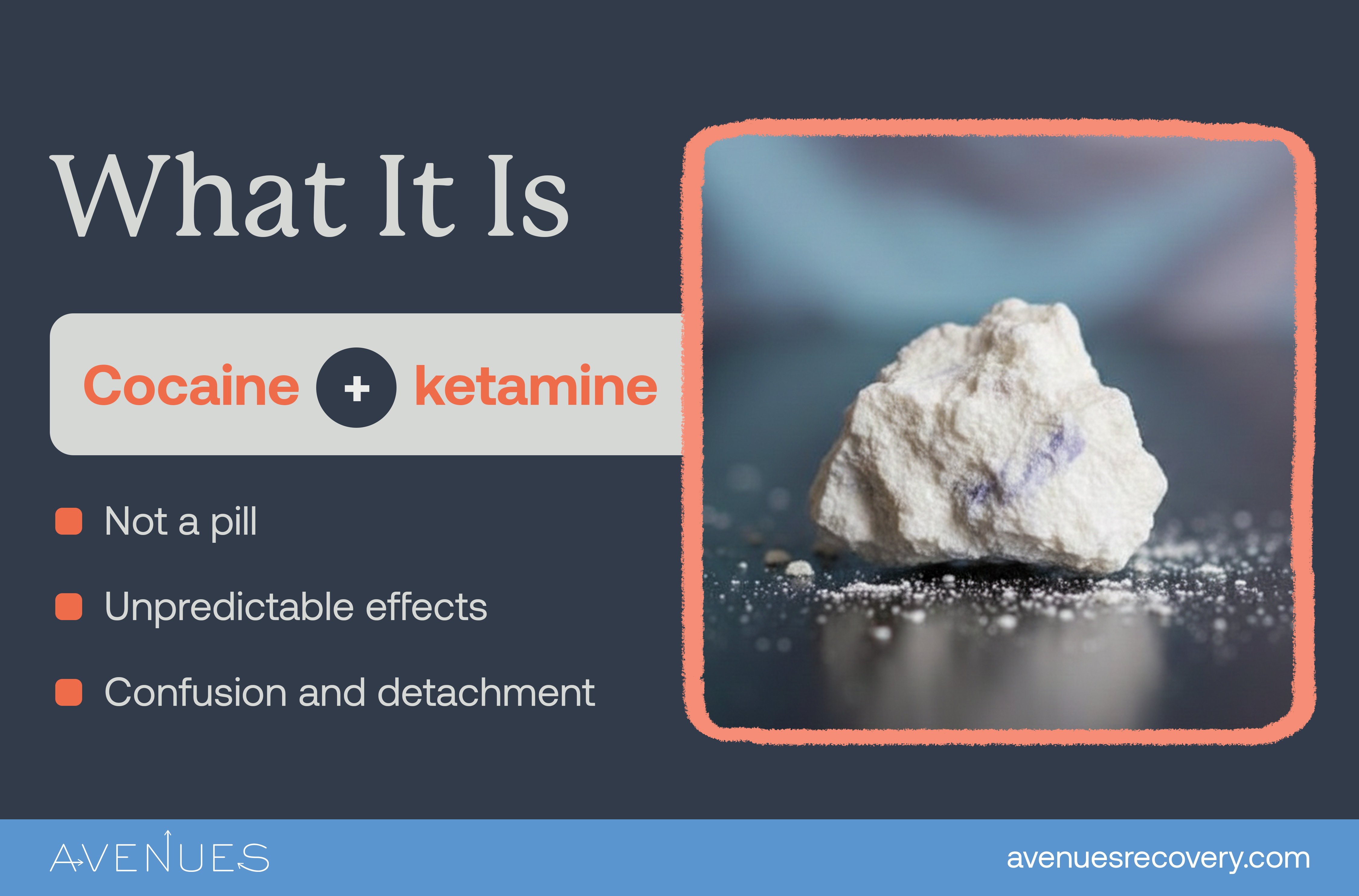
In drug slang, “Calvin Klein” has nothing to do with fashion; it’s a street name for a dangerous mix of cocaine and ketamine. The nickname can make it sound lighter or less serious than it is, but it actually refers to combining two very powerful substances that affect the brain in very different ways. Cocaine is a stimulant that speeds everything up, while ketamine is a dissociative drug that can distort perception and disconnect someone from reality. Put together, the effects can feel intense, unpredictable, and overwhelming, increasing the risk of panic, aggression, medical emergencies, and long-term harm. Many people don’t realize just how risky this combination is until something goes wrong.
What is Ketamine?
Ketamine is a dissociative drug, meaning it can make someone feel detached from their body, surroundings, or sense of self. In medical settings, ketamine has legitimate uses. It’s been safely used for decades as an anesthetic and, more recently, in carefully controlled environments to help treat severe depression or chronic pain. In those cases, dosage, purity, and monitoring matter a great deal. Outside of medical care, though, ketamine is often used outside of medical supervision and often unpredictably. Recreational use can lead to confusion, memory gaps, loss of coordination, anxiety, and a feeling of being disconnected from reality. Higher doses increase the risk of accidents, panic, bladder damage, and psychological dependence, especially when ketamine is used frequently or without understanding its effects.
What is Cocaine?
Cocaine is a powerful stimulant that speeds up the body and brain, often creating short-lived feelings of energy, confidence, and euphoria. Under the surface, though, it places intense strain on the heart, nervous system, and mental health. Cocaine raises heart rate and blood pressure, increases body temperature, and can trigger anxiety, paranoia, or agitation, even in people who don’t consider themselves heavy users. Because the high fades quickly, it’s easy to take more than intended. This raises the risk of overdose, heart attack, or stroke. Over time, cocaine use can lead to cravings, mood crashes, sleep problems, and a cycle of use that’s hard to break, even for people who never planned to develop an addiction.
Why People Mix Coke and Ketamine
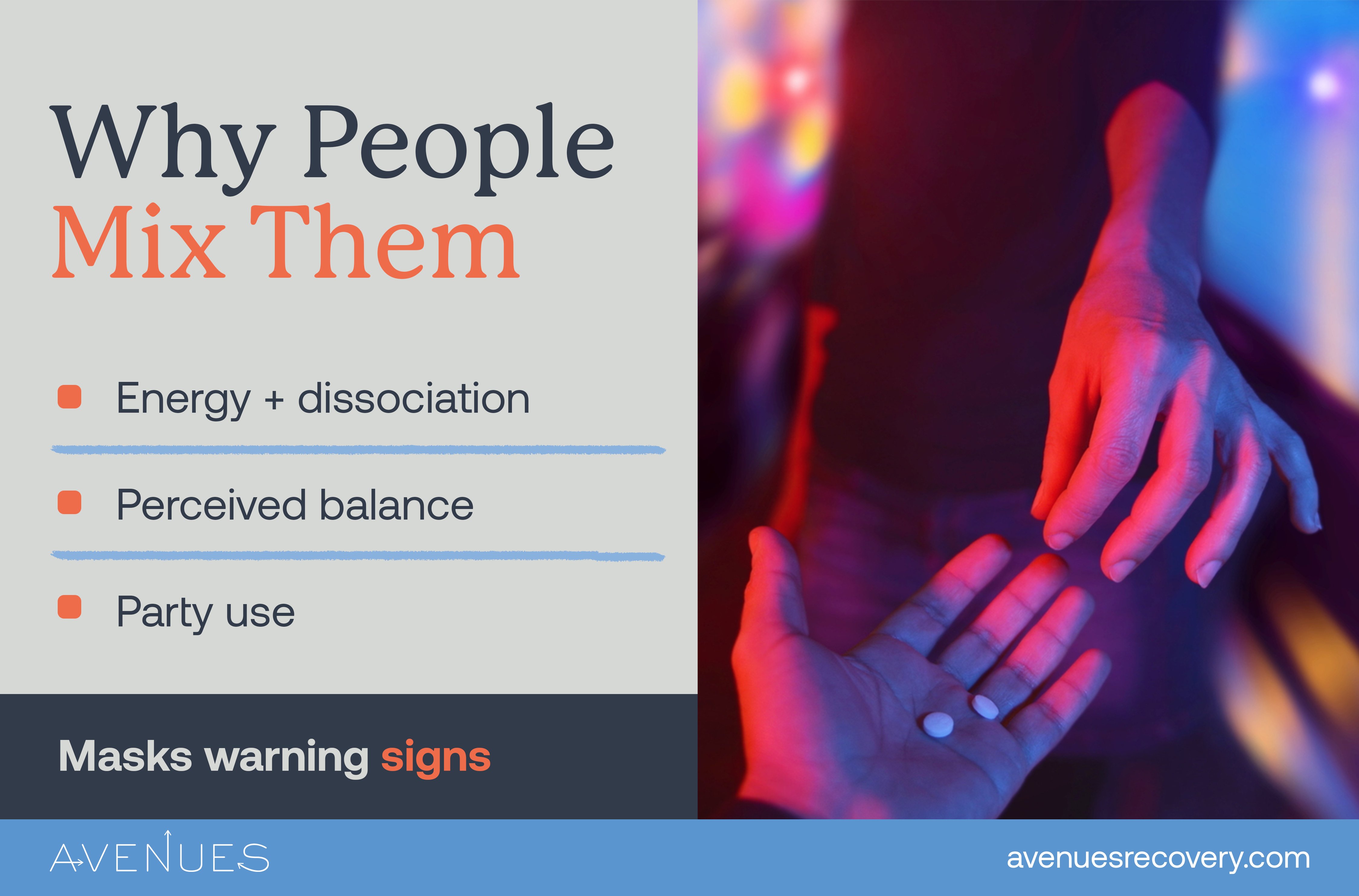
People often mix ketamine and cocaine in social or party settings because they believe the two drugs will balance each other out. Cocaine’s stimulating effects can make someone feel alert, energized, and social, while ketamine’s dissociative effects may soften anxiety, slow racing thoughts, or dull emotional intensity. Some people think this combination lets them stay awake and engaged while also feeling detached or relaxed. In reality, this perceived balance is misleading. Each drug places stress on the brain and body in different ways, and mixing them can blur warning signs like exhaustion, panic, or overdose. What may start as an attempt to control the experience or enhance a night out can quickly become unpredictable and dangerous.
Why Mixing a Stimulant and a Dissociative Is Especially Risky
On the surface, combining a stimulant like cocaine with a dissociative like ketamine can seem like it creates control or balance, but biologically, the opposite is happening. Cocaine pushes the nervous system into overdrive, increasing heart rate, blood pressure, and alertness. Ketamine, meanwhile, disrupts perception, coordination, and awareness of the body’s signals. Together, these effects can interfere with the brain’s natural warning system. Someone may not feel how overstimulated, exhausted, or unwell they actually are, which makes it far easier to take more than intended or miss signs of medical distress.
Short-Term Dangers of Mixing Cocaine and Ketamine
In the short term, mixing ketamine and cocaine can lead to intense and frightening effects. People may experience rapid heartbeat, chest pain, confusion, panic, paranoia, nausea, or sudden mood changes. Judgment and coordination can be impaired, increasing the risk of accidents, unsafe decisions, or injuries. Because ketamine can dull pain and cocaine can mask fatigue, someone might push their body far past safe limits without realizing it. Medical emergencies like heart rhythm problems or severe psychological distress are more likely when these drugs are used together.
Long-Term Mental Health Effects
Over time, repeated use of ketamine and cocaine, especially together, can take a serious toll on mental health. Many people notice worsening anxiety, depression, irritability, or emotional numbness. Memory, concentration, and motivation can suffer, and dissociation may start to feel less like a temporary effect and more like a constant state. The brain can also become conditioned to rely on substances to feel “normal” or socially comfortable, increasing the risk of dependence. What begins as occasional party use can quietly shift into something that feels harder to control and harder to stop.
Why the Calvin Klein Drug is So Dangerous
This combination is especially dangerous because the drugs send conflicting signals through the body at the same time. Stimulants like cocaine push the heart, brain, and nervous system to speed up, while dissociatives like ketamine interfere with awareness, perception, and the ability to accurately feel what’s happening inside the body. This mismatch can override natural warning signs such as pain, fatigue, anxiety, or a racing heartbeat. As a result, someone may feel more “okay” than they actually are, making it easier to keep using, take higher doses, or ignore symptoms that would normally signal the need to stop.
Overdose Risk and Unpredictability
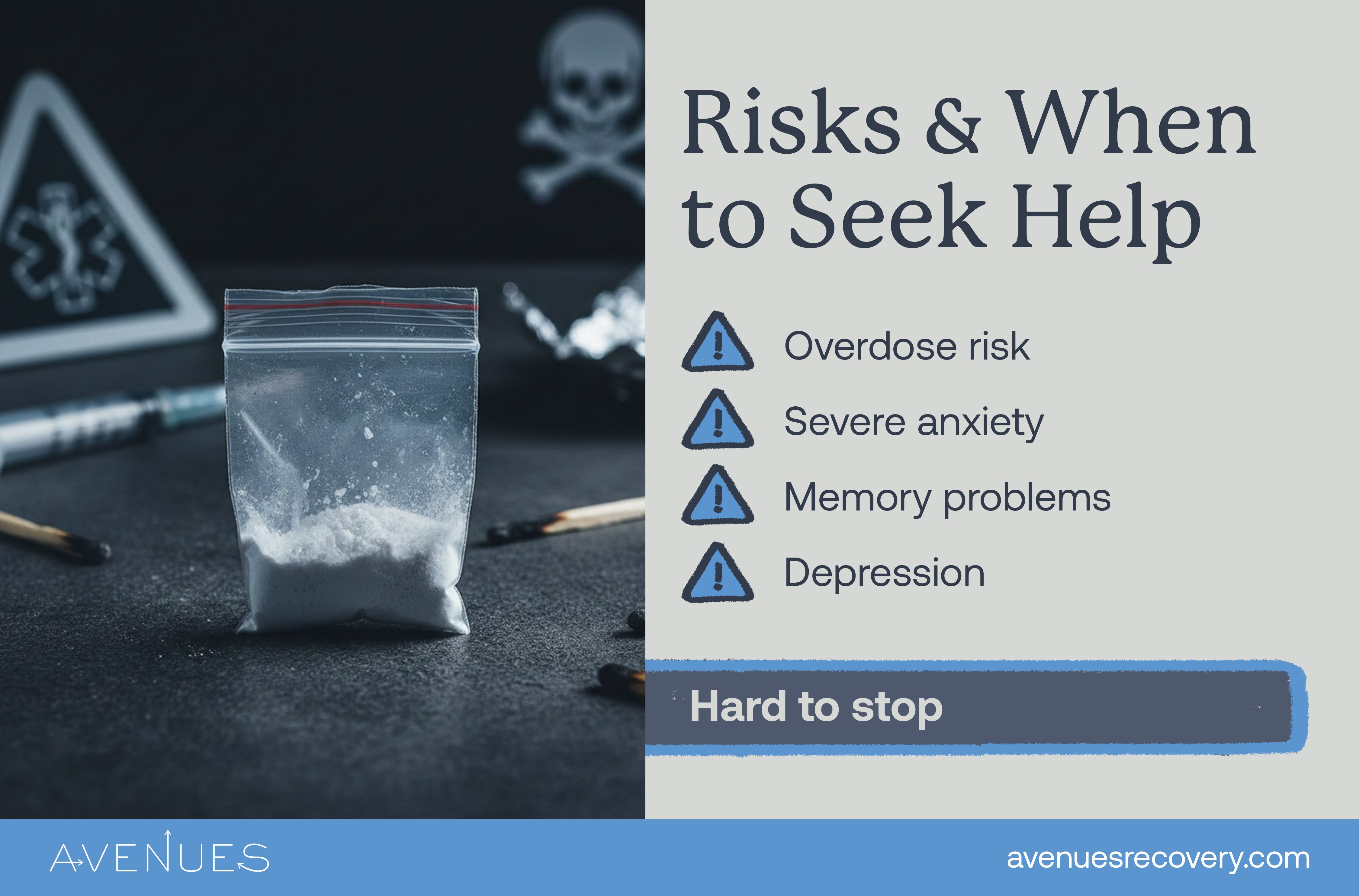
One of the most dangerous aspects of mixing these substances is how unpredictable the effects can be. The stimulating effects of cocaine can mask ketamine’s sedating or dissociative impact, while ketamine can dull the discomfort that might otherwise limit cocaine use. This increases the risk of accidental overdose, heart rhythm disturbances, respiratory problems, or severe psychological reactions. Because illicit drugs vary so widely in strength and purity, there’s no reliable way to know how the body will react each time. What feels manageable one night can become a medical emergency the next, even for people who believe they’re being careful.
When to Seek Help for Polysubstance Use
It may be time to seek help if mixing substances is becoming more frequent, harder to control, or starts to feel necessary to get through social situations, emotions, or daily life. Warning signs can include blackouts, memory gaps, mood changes, anxiety, increased tolerance, or feeling disconnected from yourself even when you’re not using. Help is also important if loved ones have expressed concern, or if use has led to close calls, health scares, or regret. Reaching out doesn’t mean you’ve failed or hit rock bottom. It simply means something isn’t feeling right, and support can make things safer, clearer, and more manageable.
Mixing substances like ketamine and cocaine can start out feeling experimental, social, or manageable but over time, it often becomes heavier, riskier, and harder to control than anyone expects. If any part of this feels familiar, it’s important to know you’re not alone, and nothing is ‘wrong’ with you. Struggling with polysubstance use doesn’t mean you lack willpower or judgment; it means your brain and body have been under real strain.
At Avenues Recovery, we specialize in treating complex substance use with compassion, medical expertise, and respect. Our team understands how overlapping substances affect both mental and physical health, and we tailor treatment to meet you where you are without shame, pressure, or judgment. Whether you’re worried about yourself or someone you love, reaching out can be the first step toward feeling grounded, safe, and hopeful again. Help is available, and recovery is possible with the right support.
Key Takeaways
- The Calvin Klein drug is a street name for cocaine mixed with ketamine.
- Mixing these substances is dangerous because it can cause unpredictable and serious effects.
- Using the Calvin Klein drug may cause overdose, confusion, or heart problems. Call 911 immediately.
- Treatment includes medical support, counseling, and recovery programs.
- Avenues Recovery offers compassionate support for polysubstance use and mental health needs.