


Deciding to go to rehab is huge. It is one of the bravest things you can do for yourself or for someone you love. You did not make this choice because it was easy. You made it because you want a healthier, more stable, and more fulfilling life.
Rehab offers a structured environment, professional support, and tools that help you better understand addiction and how to break free from it. But treatment is not a magic switch. It is a process that works best when you step into it with intention, openness, and a willingness to fully participate.
These tips are not tricks or quick fixes. They are grounded in what people in recovery and clinical professionals have learned over time about what truly helps treatment work. If you follow them, you will be giving yourself the strongest possible foundation to heal, grow, and build a life that feels worth living.
Tip 1: Trust Your Counselors…and the Process
When you first enter rehab, it is normal to feel skeptical, nervous, or even resistant. You might find yourself wondering, “Do these people really understand me?” or “Will this actually help?” Those feelings are completely valid. You are stepping into a new environment with unfamiliar rules, and that can feel intimidating.
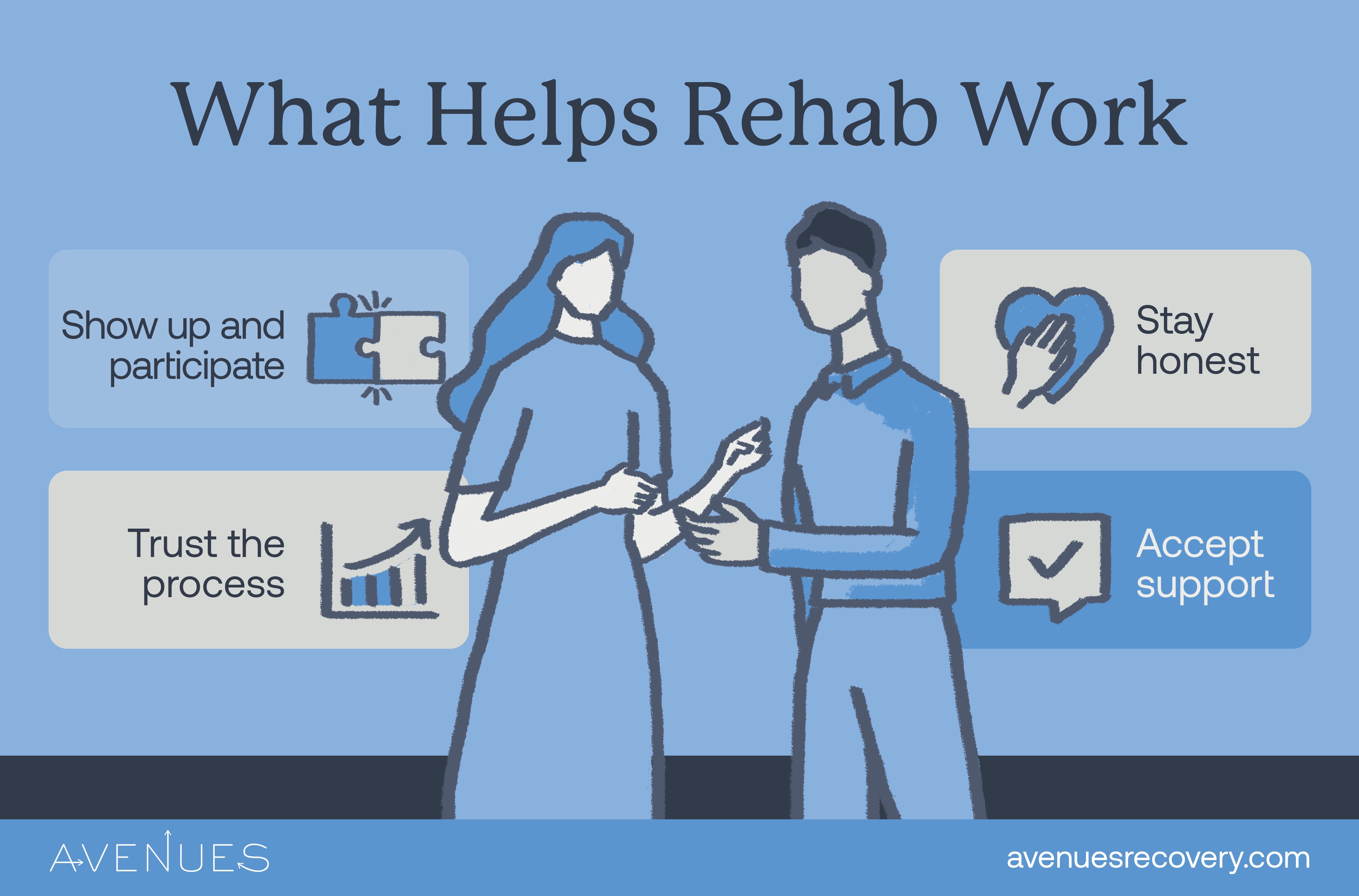
The counselors and staff are there for one reason: to help you succeed. Trusting their guidance means leaning on experience and training that can make recovery safer, more effective, and more sustainable. When you engage openly, follow suggestions, and participate fully, you give yourself a real opportunity to understand your addiction, build coping skills, and develop a plan that supports long-term recovery.
Think of it this way: the counselors are not there to control you. They are there to walk alongside you through a process that has helped many people reclaim their lives. The more you trust the process, the more you will be able to absorb the tools and lessons that rehab offers.
Tip 2: Lean on Support Groups and Community
Recovery does not happen in isolation. Even if you are independent by nature, connecting with others who understand what you are going through can make a meaningful difference. Rehab is not just about individual work. It is about becoming part of a community that understands, without judgment, what it means to struggle with addiction.
Support groups create space to share your experiences, hear others’ stories, and realize that you are not alone. Listening to someone else’s journey can offer insights you may not reach on your own, and sharing your own progress can strengthen your commitment to staying sober.
These connections often continue beyond rehab, giving you a network of support when you return home.
The takeaway is simple. Engaging with the community is not optional. It is part of the healing process. The more you allow yourself to participate and connect, the more you will benefit from the encouragement, accountability, and tools that support groups provide.
Tip 3: Be Honest and Transparent
It can feel frightening to admit your struggles openly in rehab. You might worry about being judged, looking weak, or being “found out.” Those fears are normal. Opening up about addiction takes courage, and honesty is one of the most powerful tools you have in treatment.
When you are transparent with counselors, peers, and support staff, they are better able to help in ways that truly match your needs. Hiding details or minimizing challenges might feel safer in the moment, but it often slows progress and makes recovery harder. The more openly you communicate, the more personalized your treatment becomes, and the more likely you are to develop coping skills that continue to work after rehab.
Think of honesty not as exposing yourself, but as giving your treatment team the full picture they need to guide you safely and effectively. Being truthful about your experiences, fears, and setbacks builds trust, both in yourself and in the people supporting your recovery.
Bonus Tips for a Successful Rehab Experience
-
Set Realistic Goals for Yourself
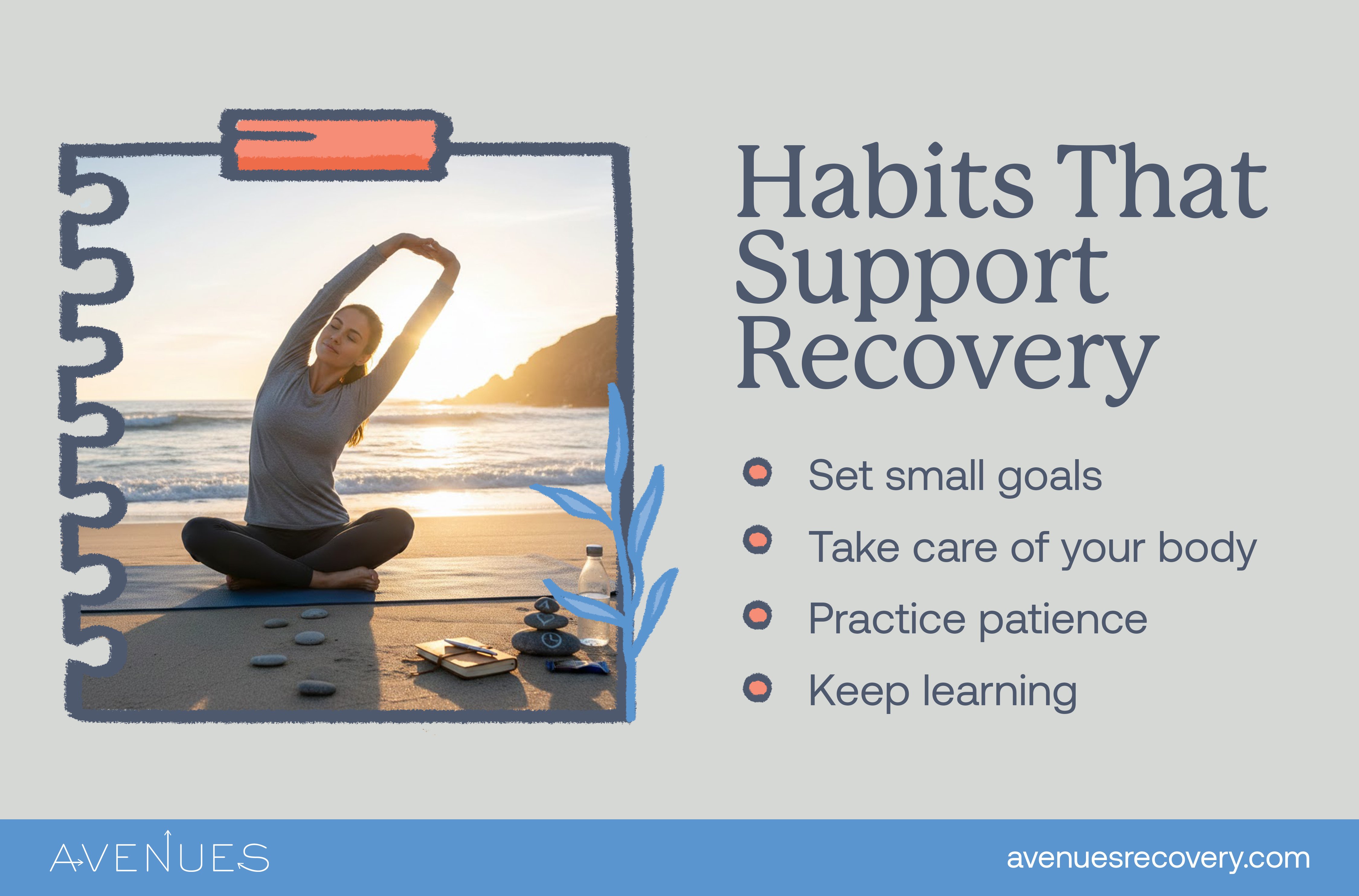
Recovery is a process, not a race. It is easy to feel discouraged if progress does not happen as quickly as you hoped. Try setting small, achievable goals each day, such as attending every group session, practicing a coping skill, or checking in honestly with your counselor. These small wins add up, and acknowledging them can help you stay motivated. -
Take Care of Your Body
Physical health supports mental health. Eating balanced meals, staying hydrated, getting enough rest, and engaging in light exercise, if your treatment plan allows, can improve focus, mood, and energy. Rehab is not just about mental work. Caring for your body helps your recovery take hold. - Keep a Journal
Writing down your thoughts, feelings, and experiences can be a powerful tool during rehab. Journaling helps you process emotions, track progress, and identify triggers. It also gives you a private space to reflect honestly and without judgment. -
Practice Patience with Yourself
You may experience setbacks, difficult emotions, or moments of doubt. That is normal. Recovery is rarely a straight line, and patience helps you stay committed through the ups and downs. Setbacks are not failures. They are opportunities to learn and adjust. -
Build a Support System Beyond Rehab
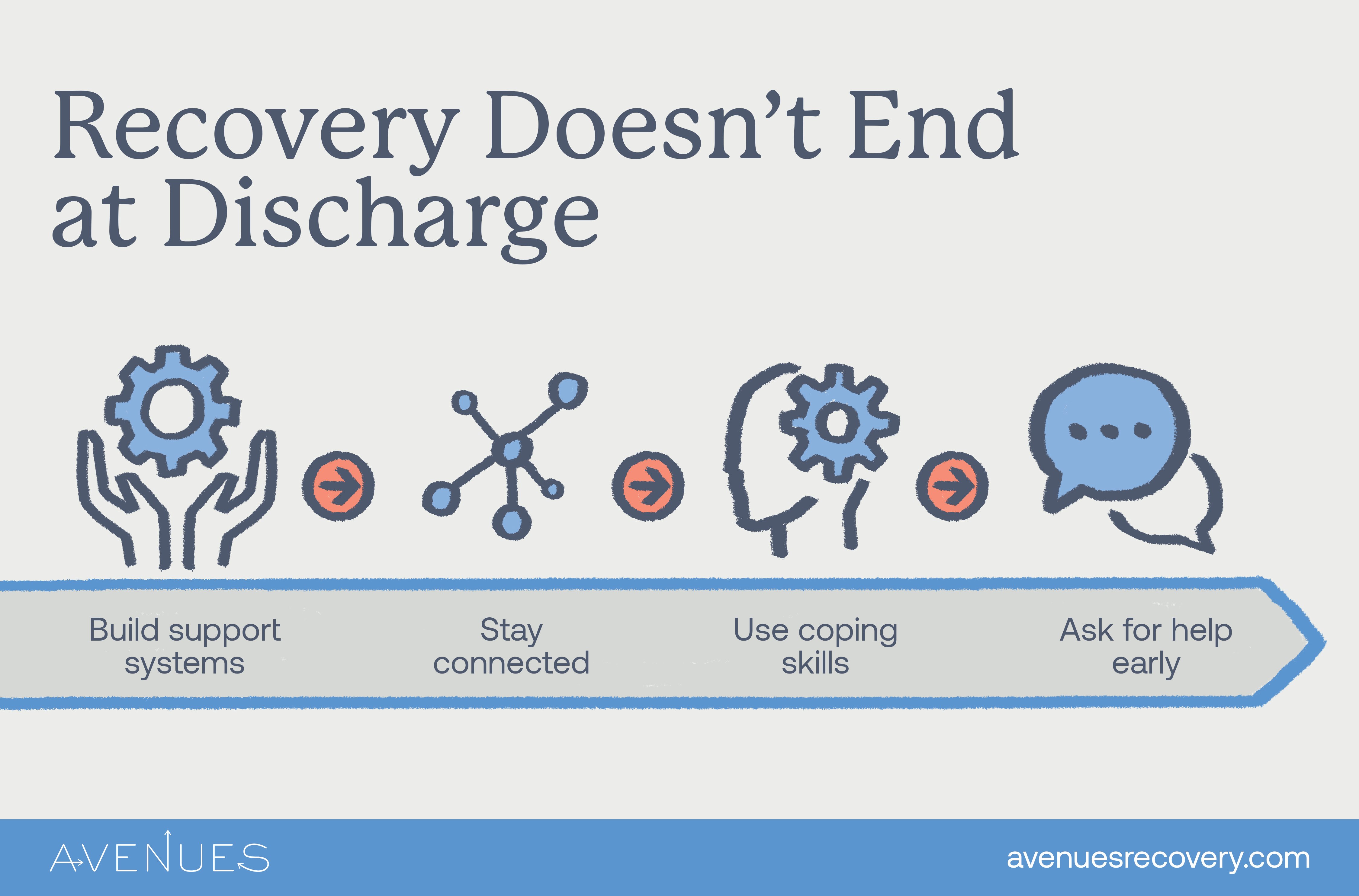
The connections you make in rehab matter, but recovery continues after treatment ends. Plan ahead for ongoing support by staying connected with friends, family, mentors, or alumni groups from your program. Ongoing connection helps reinforce accountability and confidence as you return to daily life. - Be Open to Learning New Skills
Rehab often introduces new coping techniques, mindfulness practices, and relapse prevention strategies. Even if something feels unfamiliar or uncomfortable at first, giving it an honest try can equip you with tools that support long-term recovery.
Before You Take the Next Step
If you are in rehab now, or thinking about taking that step, it is okay if you do not have everything figured out yet. Recovery does not require perfection. It requires honesty, support, and a willingness to keep showing up, even on hard days. Every effort you make in treatment matters, including the ones that do not feel significant at the time.
A successful rehab experience is not about doing everything right. It is about learning, growing, and giving yourself the chance to heal in a safe and supportive environment. When you engage fully, lean on others, and stay open to the process, you are building a foundation for long-term recovery one step at a time.
At Avenues Recovery Centers, we understand how overwhelming this journey can feel. Our programs are designed to meet you where you are, offering compassionate care, evidence-based treatment, and a team that listens. Whether you are just beginning to consider help or ready to take the next step, you do not have to do this alone.
Key Takeaways
- A successful rehab experience starts with showing up honestly and staying open to the process.
- Trusting your counselors and treatment team helps you get care that truly fits your needs.
- Support groups and community remind you that you’re not alone in recovery.
- Honesty allows treatment to work more effectively and builds long-term stability.
- Progress takes time; being patient with yourself is part of healing.
- Recovery continues beyond rehab, and ongoing support makes a real difference.