

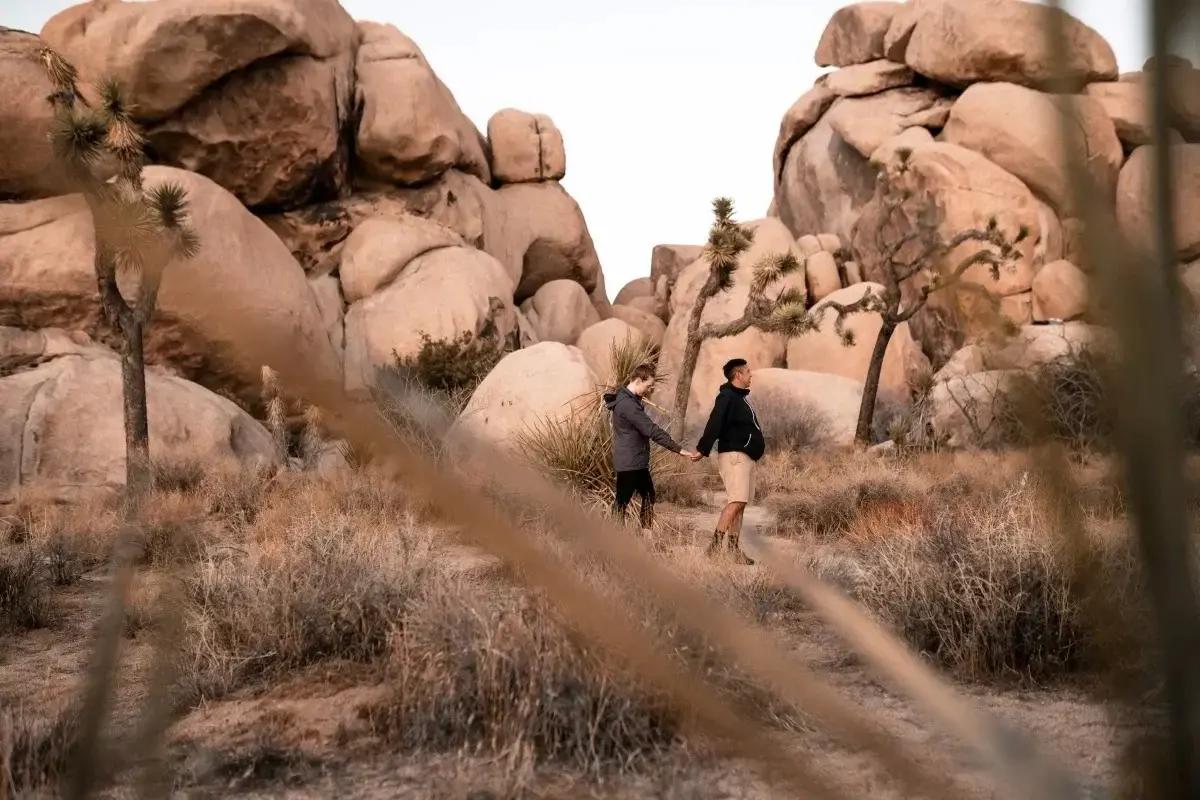
Recovery doesn’t always happen sitting on a couch in a therapist’s office. For many people, real breakthroughs happen when the body is engaged, and the mind is challenged in new ways. That’s where adventure therapy comes in.
At Avenues Recovery, one of the nation’s leading addiction treatment centers, we combine adventure therapy with traditional, evidence‑based care to support people working through substance use disorders. Being out in nature and facing new experiences helps individuals reconnect with themselves, build confidence, and develop practical skills for daily life while supporting their mental and emotional well‑being.
Read on to learn how adventure therapy works, the types of programs available, and how this approach works together with traditional therapy to promote recovery.
Key Takeaways on Adventure Therapy for Addiction
- Adventure therapy for addiction increases addiction recovery by restoring confidence and personal control, counteracting helplessness that fuels substance use.
- Adventure and wilderness therapy helps ease addiction by lowering stress and emotional reactivity, reducing relapse risk through nature and physical activity.
- Adventure therapy promotes addiction recovery by replacing substance use with healthy coping skills, teaching individuals to manage cravings and discomfort without drugs or alcohol.
- Adventure-based counseling supports addiction recovery by building connection and accountability, reducing isolation through shared challenges and group support.
- Adventure-based therapy strengthens long-term recovery by increasing resilience and problem-solving, helping individuals respond effectively to real-life triggers.
What Is Adventure Therapy?
Adventure therapy, also known as wilderness therapy, is a form of holistic experiential therapy that combines nature, community, and challenging sports and activities to assist with the therapeutic process. The goal of adventure therapy is to enhance an individual’s physical, social, spiritual, and psychological well-being by leveraging the healing power of the wilderness through evidence-based therapies, recreational activities, and wilderness expeditions. Adventure-based therapy is mainly used for teenagers experiencing behavioral issues, addiction, or various mental health challenges.
How Does Adventure Therapy in Addiction Treatment Work?
Some adventure rehab programs are designed to train participants to master a sport, while other programs offer a one-time experience. Trained mental health professionals are on hand to support and facilitate the therapeutic process throughout the activities. At the end of each activity, there is usually a group discussion. Sometimes the individual in adventure rehab meets one-on-one with the therapists to discuss the events of the day, what they’ve learned, and how they can apply their skills in their lives.
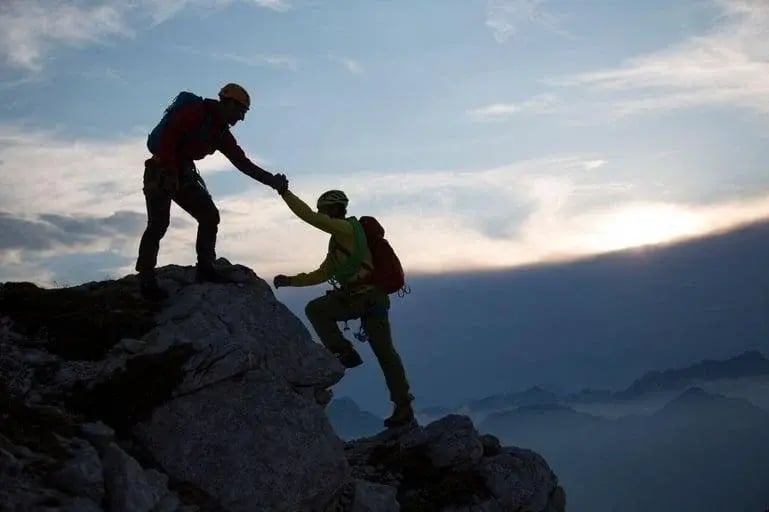
Adventure therapy draws on activities like surfing, rock‑climbing, biking, camping, and skiing to help clients push their boundaries, connect with others, and build confidence and inner strength. By integrating these diverse activities into the therapeutic process, adventure therapy not only helps individuals improve their mental health but also teaches valuable life skills, including teamwork, perseverance, and emotional regulation.
What Are the Different Types of Adventure Therapy Programs?
There are generally three different forms of adventure therapy for addiction. They utilize different methods to achieve the same goal of leveraging nature and wilderness to support the recovery from substance use disorder and assist in the therapeutic process. Although they differ slightly, their names are used interchangeably.
Wilderness Rehab
Wilderness alcohol and drug rehab involves a group of participants who usually remain the same throughout the course. They spend their days in remote locations engaging in challenging activities. By the end of the wilderness rehab programs, the group has fostered meaningful relationships with one another.
Adventure-Based Counseling
In this model, most participants are usually enrolled in an outpatient treatment program or attending some form of group therapy at the same time. Individuals participate in various activities close to home. These activities usually take place outdoors, although they can also be held indoors.
Long-Term Camping
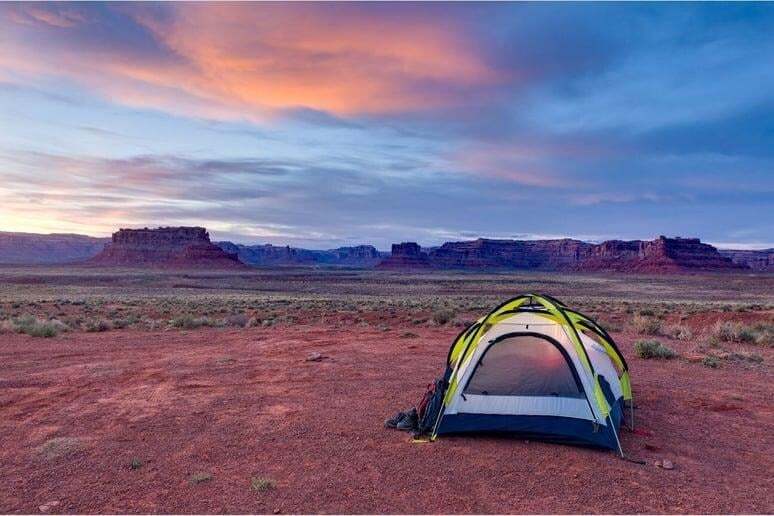
Also known as therapeutic camping, participants live in temporary outdoor accommodations, such as tents or mobile units, for an extended period while they focus on developing a particular skill. For example, they might spend a few months learning to surf and exploring other water sports, giving them time to build confidence, patience, and self‑discipline as they work toward something meaningful over a longer period.
Adventure Therapy Vs. Traditional Therapy
An adventure therapy session is very different from your regular meeting with a therapist. It is recommended to attend one-on-one sessions alongside adventure therapy. Nevertheless, adventure-based therapy has a lot of qualities that regular therapy does not necessarily have, such as:
- Active Participation: Unlike traditional therapy, which is typically passive, adventure therapy involves active engagement in nature, allowing clients to express themselves more openly.
- Clearer Insight: Observing clients in action gives therapists deeper insight into their struggles, helping them address challenges more effectively.
- A Change of Scenery: Being removed from a typical therapy setting helps teens overcome negative associations with therapy and become more open to change.
- Bond Through Challenge: Engaging in challenging activities together helps break down barriers and fosters a stronger connection between clients and therapists.
- Increased Confidence in Capabilities: Adventure therapy helps clients build confidence by showing them they can handle stress and overcome challenges in healthy ways.
- Focus on Strengths: Instead of focusing on dysfunction, adventure therapy highlights strengths, achievements, and personal growth during activities.
- Small Groups: Small groups create a sense of camaraderie and community, with participants supporting each other and building meaningful relationships.

Key Benefits of Adventure Therapy for Addiction Recovery
One key benefit of adventure therapy is that most activities take place outdoors. The fresh air and physical activity stimulate the hormones and produce endorphins while reducing the level of cortisol, the chemical that causes stress and anxiety. Spending time in nature also has a relaxing, reflective effect, providing the opportunity to bond with nature and access a sense of inner peace. In addition to the nature aspect, adventure therapy programs offer other advantages, including:
How Wilderness Therapy Supports Addiction Treatment and Recovery
Wilderness therapy for addiction is often offered at drug rehab centers as a way to provide a therapeutic ‘break’ from traditional sessions. Participants spend time in nature while learning new skills in a structured, supportive environment. These activities are designed to reinforce the skills and behaviors developed during rehab.
Many people struggling with addiction feel powerless, often blaming outside circumstances for their challenges. Wilderness therapy helps illustrate that while we cannot control everything in life, we can take responsibility for our actions and how we respond to events. In outdoor treatment programs, participants learn to focus on what they can control.
For example, if a sudden cold snap occurs during a hike, they cannot change the weather. The group faces a choice: do nothing and blame the situation, or gather wood and build a fire. By taking action, participants experience firsthand that they can control their responses, even when circumstances are beyond their control.

Adventure Therapy for Addiction at Avenues Recovery
At Avenues Recovery, we partner with Jake King from Thrive Outdoors to provide bi-weekly Adventure Therapy activities for our clients. Thrive Outdoors have core principles that keep people alive in the wilderness:
- Mindset - A positive mindset is crucial for physical survival, and equally important for navigating life emotionally.
- Shelter - Shelter refers to the tangible shelter that protects us from the elements, but also on an emotional level, to the toxic and negative environments and people that we have to remove ourselves from.
- Fire - Fire is vital to our survival in nature, providing warmth, food, and other benefits, and it’s also necessary for everyday life. We have to find fire and passion in life and a reason to get up every day.
- Food and Water - Food and water sustain us, and as with everything we put into our bodies, we must determine: Will this cause harm or be beneficial? Do I need this or do I want this?
Thrive Outdoors’ adventure therapy is highly effective because it empowers participants to step beyond their comfort zones. Through challenging outdoor activities, clients learn to push past limits and expand their boundaries. The skills and growth developed in nature carry over into daily life, helping individuals maintain sobriety, avoid toxic environments, and address the core issues of their addiction with increased resilience and confidence.
Addiction Recovery and Healing at Avenues Recovery
At Avenues Recovery, our adventure therapy program helps clients take the skills and lessons learned in the wilderness and apply them to everyday life. Participants build confidence, resilience, and practical tools to maintain sobriety, navigate challenges, and create lasting positive change. If you’re ready to explore how adventure therapy can support recovery for you or a loved one, our dedicated team is here to guide you every step of the way. Contact Avenues Recovery today to start your journey toward a healthier, addiction-free life.
FAQ’s on Adventure Therapy for Addiction Recovery
Can adventure therapy improve motivation in addiction recovery?
Yes, adventure therapy can improve motivation by creating achievable challenges that rebuild hope, confidence, and a sense of forward movement.
How does adventure therapy help people who struggle with traditional therapy?
Adventure therapy helps people who struggle with traditional therapy by offering hands-on activities that promote growth and participation without needing to talk through everything.
Is adventure therapy suitable for different stages of addiction treatment?
Yes, adventure therapy can be adapted for various stages of treatment, from early stabilization to later phases of recovery, ensuring activities align with an individual’s physical health and clinical needs.
Do participants need to be very active or have prior outdoor or adventure experience to take part in adventure therapy?
No, participants don’t need to be highly active or have any prior outdoor or adventure experience to participate in adventure therapy. Activities are carefully adapted to individual abilities, with the focus on building confidence, teamwork, and personal growth rather than athletic skill.
Does adventure therapy support long-term recovery?
Yes, adventure therapy supports long-term recovery by building self-efficacy, healthy risk-taking, and meaningful connections. These internal resources help protect against relapse after treatment.