

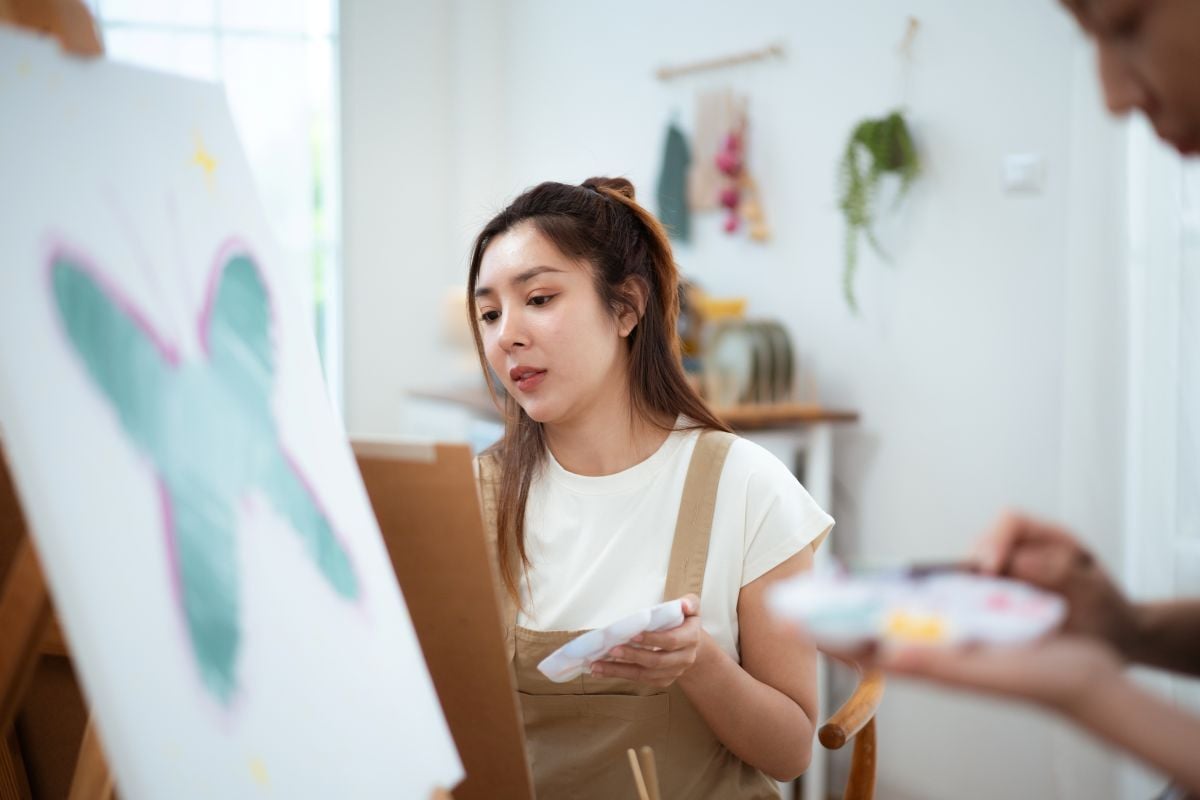
Art therapy is one of the most meaningful tools people discover on their recovery journey. Through drawing, painting, collage, or sculpture, a person in recovery can tap into emotions and express them in ways words alone cannot. Join Avenues Recovery in exploring the benefits and workings of art therapy for addiction recovery, as well as practical ideas for art therapy projects.
Art Therapy for Addiction Recovery: Key Takeaways
- Art therapy allows individuals to process complex emotions and trauma that can be difficult to express through traditional talk therapy.
- Addiction art therapy incorporates multiple art methods, including drawing, painting, sculpting, collage, and digital media, to facilitate emotional release and healing.
- Sessions combine hands-on creative work with guided discussions led by trained art therapists to process personal reflection.
- Art therapy is most effective when integrated into a comprehensive treatment plan alongside psychotherapy, group therapy, CBT, and medical care.
- Engaging in recovery artwork helps build self-awareness, emotional regulation, and stress-reduction skills that support long-term sobriety.
What is Art Therapy for Addiction Recovery?
Art therapy for addiction recovery is a form of therapy in which a trained art therapist guides you through creative work, like drawing, painting, or sculpting, to explore the emotions and experiences connected to substance use. Art therapy has been around since the 1940s, when Margaret Naumburg began developing art as a way to express emotions that talk therapy alone couldn’t access. As art therapy became adopted by organizations as a legitimate mental health treatment, professionals started providing art therapy for addiction recovery.
Unresolved trauma, mental health struggles, and chronic stress are often at the root of substance abuse and addictions. Art therapy creates a safe outlet for processing these difficult emotions through art and creativity, often serving as a more effective alternative to conventional talk therapy for people who find it hard to put their pain into words. Recovery art has been proven incredibly effective in helping people heal emotional wounds and better understand themselves. Extensive research by Addiction Science & Clinical Practice reaffirms that art therapy is an effective modality for individuals with SUD and plays a vital role in their care.
Why Is Addiction Art Therapy Effective?
Art therapy for addiction recovery is effective because it:
- Helps process shame and trauma that are hard to verbalize
- Supports emotional regulation and helps heal pain
- Engages brain networks tied to cognition and self-regulation
- Offers a non-confrontational way to build self-awareness
Recovery Artwork: Five Core Methods
Art therapy for addiction recovery usually combines creative expression and therapeutic discussion. Different art methods offer different kinds of emotional releases. Five core methods are:
- Drawing and Sketching: Using pencils, pastels, or charcoal for direct, expressive mark-making
- Painting: Acrylics, watercolors, or finger paints for fluid, spontaneous, or more controlled emotional release
- Sculpting and Clay Work: Hands-on, three-dimensional work that offers soothing sensory input to externalize stress or worry
- Collage: Combining images, magazine clippings, and text to build personal meaning, sometimes symbolically
- Digital Media and Photography: Using tablets, apps, or edited photos as a modern, accessible creative outlet
Therapeutic Discussion in Addiction Art Therapy
After the creative work is done, the therapist typically invites you into a gentle conversation about what you made and to explore what came up along the way. The therapist may ask you:
- What you noticed or felt while creating the piece
- What certain colors, shapes, or choices meant to you
- How making the piece felt in the moment
Art Therapy Ideas for Substance Abuse
Here are five examples of what art therapy activities for addiction could look like:
- Paint Your Emotions
You draw or paint how a specific emotion “feels” using color and shape. Materials used can include canvas or paper, acrylic or watercolor paints, and brushes. - Recovery Collage
You create a collage representing your past, present, and future in recovery. You snip images, words, and phrases from magazines or other printed materials and arrange them on cardboard or paper. - Sculpt Your Challenges
You sculpt with clay or playdough to mold figures or shapes that reflect your challenges. The physical act of shaping the clay releases tension and relieves cravings.
- Draw a Safe Place
You create a mental escape by drawing a scene that feels safe and comforting to you. You can use paper, pencils, markers, crayons, or watercolor paints to form your safe space. - Art Journal
You combine written reflections with drawings or collages to express thoughts and feelings. Using a journal, pens, markers, colored pencils, and collage materials, you commit reflections to paper on a regular basis.
10 Benefits of Art Therapy for Addiction Recovery
Below we summarize ten positive outcomes that may result from recovery art therapy:
- Reduces Shame and Anxiety
Creating art offers a non-judgmental outlet for emotions that feel too heavy to speak aloud. - Supports Trauma Processing
Art can help surface and process traumatic memories that are difficult to access through words alone. - Builds Emotional Regulation
Working with color, texture, and form can help calm intense emotions in the moment. - Increases Self-Awareness
Creative work often reveals triggers or feelings a person hasn't fully recognized yet. - Strengthens Self-Image
Completing a piece of art can build confidence and a sense of personal accomplishment. - Engages the Brain Experientially
Art therapy may activate brain networks tied to memory, cognition, and self-regulation. - Offers a Non-Verbal Outlet
It gives people a way to express what feels too overwhelming or unclear to put into words. - Reduces Stress and Tension
Hands-on techniques like sculpting or painting can have a soothing, grounding effect. - Complements Traditional Treatment
Art therapy works well alongside counseling, group therapy, and other core recovery modalities. - Encourages Long-Term Coping Skills
Creative expression can become a healthy habit people carry with them well beyond treatment.
Recovery Art as a Complementary Therapy
Art therapy works best as part of a broader treatment plan, not as a stand-alone solution. Most art therapy projects for addiction are designed to support core treatments and should be used alongside modalities such as:
- Individual counseling and psychotherapy
- Group therapy and peer support sessions
- Cognitive behavioral therapy (CBT)
- Dialectical behavioral therapy (DBT)
- Medical care and psychiatric support
- Family therapy and relapse prevention planning
Art Therapy for Addiction Recovery at Avenues
At Avenues Recovery, art therapy for addiction recovery is led by licensed art therapists trained in both artistic technique and psychological theory. Therapists tailor each session to the individual's needs and recovery goals. We believe healing works best when traditional treatment is augmented by holistic approaches. This is why art therapy is offered alongside options like equine therapy and adventure therapy, among others. Our team works to find the ideal blend of treatments that will lead you to lasting recovery. If you or a loved one is struggling with addiction, reach out to Avenues Recovery today to take the first step towards real healing.
FAQs About Art Therapy for Addiction Recovery
How does art therapy help with addiction?
Art therapy helps with addiction by giving people a non-verbal way to process emotions like shame, trauma, and stress that often fuel substance use. Through guided creative work, followed by conversation with a licensed therapist, it can support emotional regulation and strengthen coping skills.
What are some creative recovery art therapy ideas?
Some creative recovery art therapy ideas include drawing or painting how an emotion feels, creating a collage related to recovery, sculpting with clay, and making a visual comparing sobriety with continued substance use. The common denominator is using artistic creativity to tap into hard-to-reach emotions and reinforce positive convictions.
What is better, EMDR or art?
Neither EMDR nor art is universally better. They are different therapy modalities that serve different purposes and are often used together. EMDR is a structured, evidence-based method for processing traumatic memories, while art therapy offers a more flexible outlet for emotions that are hard to verbalize.
What is an example of an art therapy project for addiction?
One example of art therapy is the "Safe Place Visualization" activity, where a person draws or paints a real or imagined location that brings them a sense of calm and security. This image can later serve as a grounding tool during moments of stress or cravings during recovery.
Do you talk during art therapy?
Yes, you talk during art therapy, usually during or after the creative process. The therapist will gently try to explore with you what emotions and thoughts are surfacing through your artwork.