

Dialectical behavior therapy (DBT) is an evidence-based treatment originally developed by Dr. Marsha Linehan in the 1970s to treat borderline personality disorder. Over time, DBT was adapted to address substance use disorders, particularly when addiction is driven by intense emotions, impulsive behaviors, or co-occurring mental health conditions.
Building on cognitive behavioral therapy (CBT), DBT combines behavioral change with mindfulness and acceptance strategies, making it especially effective in addiction recovery.
Join Avenues Recovery, leaders in addiction rehab, as we explore the techniques, effectiveness, and process of using DBT for addiction treatment.
|
Key Takeaways on DBT for Addiction
|
DBT Techniques and Core Skills
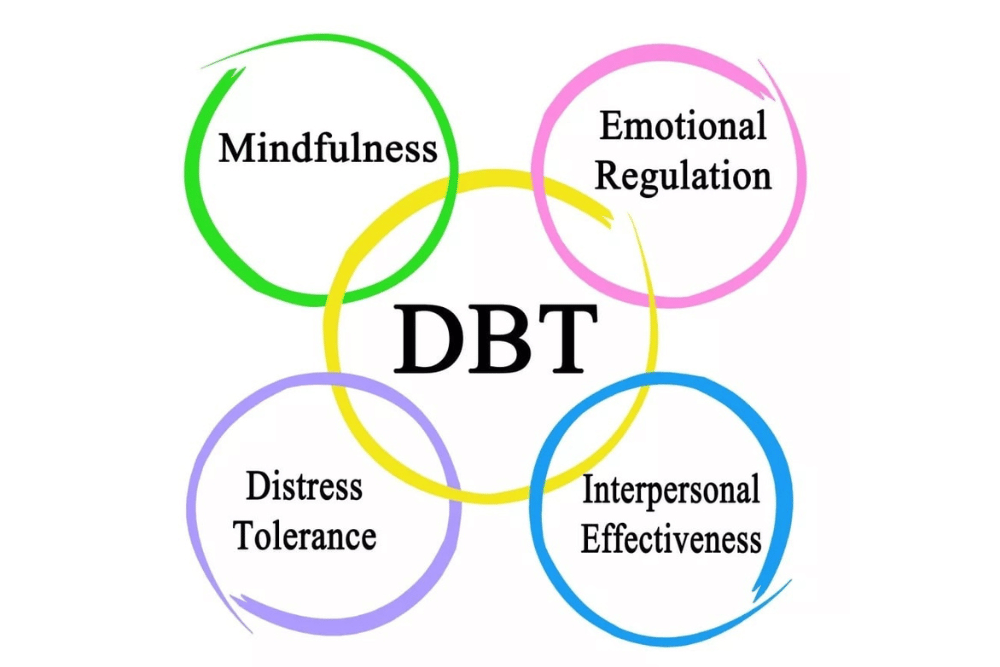
Dialectical behavior therapy is built around four core skill modules that address emotional and behavioral challenges commonly associated with addiction. In DBT-based treatment, patients are expected to learn and practice all four modules, as each skill builds on the previous one. Mindfulness is taught first and serves as the foundation, followed by distress tolerance, emotional regulation, and interpersonal effectiveness.
Together, these skills help individuals manage emotions, tolerate stress, and navigate relationships without turning to substance use. Essential oils are sometimes used during therapy sessions to help create a calming environment that supports relaxation and focus.
1. Mindfulness
Mindfulness is the first skill taught in treatment, as it is the foundation of DBT. It teaches individuals to remain present in the moment and observe thoughts and emotions without judgment. By practicing mindfulness and radical acceptance, patients learn to experience emotions fully without reacting impulsively.
When emotions pull attention toward past regrets or future worries, mindfulness helps bring awareness back to the present. This allows individuals to see situations and emotional responses more clearly and respond in healthier ways.
Mindfulness in Action
Common mindfulness skills practiced in DBT include:
- Observation: Noticing internal and external experiences without judgment
- Describing: Clearly expressing what has been observed rather than reacting emotionally
- Present participation: Fully engaging in the current moment or activity
- Fact-based thinking: Focusing on what is happening rather than labeling experiences as “good” or “bad”
These skills are essential in addiction recovery, where cravings and emotional distress can feel overwhelming.
2. Distress Tolerance
Distress tolerance skills help individuals survive emotional crises without making the situation worse. As Dr. Marsha Linehan explains, these skills help individuals manage intense emotional pain without resorting to harmful behaviors.
This module emphasizes acceptance of reality when situations cannot immediately be changed, helping patients tolerate discomfort without escaping through substance use.
12 Crisis Survival Skills
Distress tolerance techniques commonly taught in DBT include:
- Self-soothing techniques based on the five senses
- The STOP skill to pause impulsive behavior
- Pros and cons to encourage cognitive thinking during crisis
- Radical acceptance of situations that cannot be changed
- Distraction during moments of intense overwhelm
- Improving the moment, including imagery, meaning, prayer, relaxation, focusing on one thing at a time, brief mental “vacations”, and encouragement
These short-term coping strategies slow emotional reactions and reduce the risk of self-harm, avoidance, or substance use during periods of distress.
3. Emotional Regulation
Emotional regulation focuses on helping individuals identify, understand, and manage their emotions. Many people struggling with addiction experience intense emotional responses but have difficulty labeling or understanding what they are feeling.
This module teaches patients to:
- Identify and name emotions accurately
- Recognize emotional triggers
- Understand how emotions influence behavior
- Apply distress tolerance skills to reduce emotional intensity
The Story of Emotion
The story of emotion is a key DBT exercise for emotional regulation. It involves examining:
- The event that occurred
- Personal interpretation of the event
- Physical sensations experienced
- Body language and the urges that followed
- The action taken
- The emotion involved
This process helps patients slow their emotional reactions and respond more intentionally.
4. Interpersonal Effectiveness
Interpersonal effectiveness teaches individuals how to communicate needs, manage conflict, and maintain healthy relationships. Addiction often damages relationships, making these skills especially important in recovery.
Interpersonal Effectiveness Skills
Skills taught in this module include:
- DEAR MAN: Communicating needs clearly and assertively
- GIVE: Maintaining relationships through validation and respect
- FAST: Preserving self-respect and personal values
- Problem-solving exercises: Practicing real-life scenarios in therapy
By completing this final module, patients learn to apply DBT skills outside therapy and maintain their progress in everyday situations.
What Does Dialectical Behavior Therapy Treat?
DBT was initially developed to treat Borderline Personality Disorder (BPD), but its effectiveness has expanded its use to a wide range of mental health conditions. DBT is particularly useful for people who struggle with intense emotions, impulsive behaviors, and relationship challenges. Below is an overview of the conditions DBT can treat:
Borderline Personality Disorder (BPD)
DBT is considered the gold standard for treating BPD. Individuals with BPD often experience emotional dysregulation, difficulty maintaining relationships, and impulsive or self-harming behaviors. DBT helps by teaching skills in emotional regulation, distress tolerance, and mindfulness, enabling patients to better manage their symptoms and lead more stable lives.
Substance Use Disorders
Using DBT for addiction treatment has proven highly effective. People struggling with substance use often turn to drugs or alcohol to cope with overwhelming emotions. Through distress tolerance and mindfulness techniques, DBT substance abuse treatment helps individuals identify triggers, manage cravings, and replace destructive coping mechanisms with healthier alternatives.
Eating Disorders
Conditions like bulimia nervosa and binge-eating disorder benefit significantly from DBT. These disorders are often linked to emotional dysregulation, making DBT’s focus on mindfulness, emotional regulation, and distress tolerance particularly helpful in reducing binge-purge cycles or emotional eating.
Depression and Anxiety Disorders
DBT is increasingly being used to treat depression and anxiety, especially in cases where traditional therapies have not been effective. It helps individuals recognize and challenge negative thought patterns, build emotional resilience, and develop coping strategies for chronic worry or hopelessness.
Post-Traumatic Stress Disorder (PTSD)
For individuals who have experienced trauma, DBT provides tools to regulate the overwhelming emotions and intrusive thoughts that often accompany PTSD. DBT teaches grounding techniques, self-soothing skills, and mindfulness practices, helping patients regain a sense of control and safety.
Self-Harming Behaviors and Suicidality
DBT is specifically designed to help individuals who engage in self-harm or struggle with chronic suicidal ideation. It offers immediate strategies for managing crises and long-term skills for building a life worth living, gradually reducing the risk of harmful behaviors.
Bipolar Disorder
DBT can be adapted to help individuals with bipolar disorder better regulate extreme mood swings. The emotional regulation and mindfulness modules are particularly beneficial for managing the highs of mania and the lows of depression.
Attention Deficit Hyperactivity Disorder (ADHD)
Although not a primary treatment for ADHD, DBT can help individuals with ADHD develop better emotional control and interpersonal effectiveness. Its structured approach and skills-based framework address common challenges, including impulsivity and relationship difficulties.
Chronic Stress and Emotional Dysregulation
Even for individuals without a formal diagnosis, DBT can be helpful in managing chronic stress and improving emotional resilience. Its skills-based approach applies to anyone seeking to better manage life’s challenges and foster healthier relationships.
The Flexibility of Dialectical Behavior Therapy
The versatility of DBT lies in its structured yet flexible framework, which addresses the root causes of emotional dysregulation and teaches practical, actionable skills. By focusing on mindfulness, emotional regulation, distress tolerance, and interpersonal effectiveness, DBT equips individuals to navigate a variety of mental health challenges and improve their overall quality of life.
Whether someone is dealing with a diagnosed condition or struggling with everyday emotional difficulties, DBT offers tools to create meaningful, lasting change.
DBT and Addiction
Dialectical behavior therapy has become a cornerstone of effective addiction treatment, offering individuals the tools to regulate their emotions, manage triggers, and build a fulfilling, substance-free life. DBT’s focus on emotional regulation, mindfulness, and behavioral change makes it particularly effective for treating addiction. Below, we explore the process of using dialectical behavior therapy in addiction treatment, its effectiveness, and the numerous benefits it provides to those on their recovery journey.
How Does Dialectical Behavior Therapy for Addiction Treatment Work?
DBT addresses addiction through structured techniques and a holistic focus on emotional resilience and coping skills. Here's how DBT for substance abuse treatment operates:
Addressing Emotional Dysregulation
At the core of addiction lies an inability to manage intense emotions. Substances often become a means of escaping or numbing feelings such as anger, sadness, or shame. DBT substance abuse treatment teaches emotional regulation skills, enabling individuals to understand and control their emotions without relying on harmful substances.
Replacing Maladaptive Coping Mechanisms
Addiction thrives on unhealthy coping mechanisms, such as using drugs or alcohol to handle stress or trauma. DBT introduces healthier alternatives, including mindfulness practices, distress tolerance skills, and interpersonal effectiveness strategies. Using DBT in addiction recovery, patients learn to cope with cravings and triggers in ways that do not jeopardize their recovery.
Enhancing Self-Awareness and Mindfulness
Mindfulness is a cornerstone of DBT. Mindfulness in recovery helps individuals become more aware of their thoughts, feelings, and behaviors in the present moment. This awareness is crucial for recognizing cravings, identifying triggers, and making conscious decisions to stay on the path of recovery.

Building a Supportive Framework
DBT in drug and alcohol recovery incorporates both individual and group therapy to create a comprehensive support system. Individual sessions focus on personalized strategies to overcome obstacles, while group therapy for substance abuse provides a safe environment to practice new skills and build healthy relationships. Phone coaching offers immediate assistance when challenges arise outside of therapy, ensuring real-time support during moments of vulnerability.
Reinforcing Long-Term Recovery
DBT doesn’t just focus on short-term sobriety; it equips individuals with skills to sustain long-term recovery. Patients learn to navigate high-risk situations, repair damaged relationships, and develop a strong sense of self-respect and purpose.
Effectiveness of DBT for Addictions
Research and clinical practice consistently demonstrate the effectiveness of dialectical behavior therapy in addiction treatment. Some key outcomes include:
- Reduced Relapse Rates: DBT’s focus on emotional regulation and distress tolerance reduces the likelihood of relapse, as individuals are better equipped to handle triggers and high-stress situations.
- Improved Emotional Regulation: By addressing the root causes of emotional dysregulation, DBT in alcoholism and drug abuse recovery helps patients reduce impulsive behaviors, such as substance use.
- Enhanced Coping Skills: The DBT addiction treatment method teaches practical skills for managing cravings, avoiding triggers, and responding to stress, providing a toolkit for long-term recovery.
- Stronger Interpersonal Relationships: Addiction often damages relationships, but DBT’s interpersonal effectiveness training helps individuals rebuild trust and communicate effectively.
- Increased Treatment Retention: DBT’s structured approach, combined with its emphasis on empathy and validation, improves patient engagement and retention in treatment programs.
Benefits of DBT for Addiction Recovery
The relationship between DBT and addiction recovery is highly beneficial for individuals recovering from substance abuse disorders, creating a strong foundation for a healthier and more fulfilling life.
Personalized and Holistic Treatment
DBT in addiction treatment takes a personalized approach, addressing each individual’s unique struggles and strengths. Its holistic framework ensures that emotional, behavioral, and relational aspects of addiction are thoroughly addressed.
Development of Emotional Intelligence
Patients learn to identify, understand, and manage their emotions effectively. This emotional intelligence promotes healthier decision-making and reduces the likelihood of impulsive behaviors.
Improved Mental Health
Addiction often coexists with mental health conditions such as depression, anxiety, or trauma. DBT simultaneously addresses mental health and addiction, offering a comprehensive treatment plan that improves overall well-being.
Real-World Application
Through techniques such as phone coaching and group therapy, DBT equips individuals with skills they can apply immediately in their daily lives. This real-world relevance enhances the treatment's practicality and effectiveness.
Lasting Recovery Skills
The skills taught in DBT—mindfulness, distress tolerance, emotional regulation, and interpersonal effectiveness—extend far beyond the recovery process. They empower individuals to lead meaningful, balanced lives long after rehab ends.
How to Find Effective DBT for Addictions
Finding effective DBT for addiction recovery can be life-changing, but choosing the right provider is essential. At Avenues Recovery, we specialize in using evidence-based therapies such as dialectical behavior therapy to help individuals break free from addiction and build a healthier, more fulfilling life. Our compassionate team of professionals is dedicated to guiding you or your loved one through every step of recovery, offering tailored treatment plans that address emotional challenges, triggers, and life goals. Take the first step toward lasting change, and reach out to Avenues Recovery today to discover how DBT for substance use can transform your journey to sobriety.
FAQs About DBT for Addiction
What is dialectical abstinence?
Dialectical abstinence is a DBT skill that involves trying to completely avoid harmful behaviors while also accepting that mistakes can happen. It helps people cultivate self-control and teaches them to recover calmly if they slip up.
What is the difference between CBT and DBT for addiction?
The main difference between DBT and CBT for addiction is that CBT helps people change negative thoughts and habits, while DBT also teaches how to manage strong emotions and accept tough situations. DBT is often used when addiction involves self-harm or emotional ups and downs.
Is DBT effective for substance use disorders?
Yes, DBT is helpful for substance use disorders, especially when someone also struggles with strong emotions or self-harm. It helps people avoid relapse, handle stress better, and stay in treatment longer.
Who is DBT for in addiction treatment?
DBT is for people in addiction treatment who also struggle with strong emotions, self-harm, or mental health issues like borderline personality disorder. It works best for those who need help managing urges and handling emotional stress without using substances.
What DBT skills are used for addiction recovery?
DBT uses skills such as staying calm under stress (distress tolerance), managing emotions, being present (mindfulness), and improving relationships. These help people avoid using drugs, control their feelings, and get support from others.
How does DBT help prevent relapse?
DBT helps prevent relapse by teaching people how to manage stress, control emotions, and avoid triggers. It also shows how to cope with cravings and bounce back from slips without giving up on recovery.
Can DBT be combined with other addiction treatments?
Yes, DBT can be combined with other addiction treatments like medication, group therapy, or 12-step programs. Combining DBT with other methods gives people more tools to manage addiction and emotional struggles.