

Essential oils are plant extracts made by steaming or pressing various parts of flowers, plants, and trees that have been found to have therapeutic benefits. Many people use essential oils for addiction recovery alongside medical treatment for additional support. In this post, Avenues Recovery explores the various ways essential oils can help with the symptoms of withdrawal from smoking, drugs, or alcohol.
Key Takeaways: Essential Oils for Addiction
- Aromatherapy can support addiction recovery by influencing brain pathways linked to mood, stress, and cravings, helping you feel calmer and more balanced.
- Essential oils may ease withdrawal-related symptoms like anxiety, poor sleep, nausea, fatigue, and nicotine or alcohol cravings.
- Essential oils are not a cure for addiction, but they can be a helpful complement to medically supervised detox, therapy, and ongoing treatment.
- Choosing high-quality oils and using them safely is key to getting the most benefit.
How Does Aromatherapy Help With Addiction Recovery?
Aromatherapy supports addiction recovery by using essential oils to influence your limbic system, which controls mood, stress, and cravings. Aromatherapy is based on the idea that the scents of essential oils can influence areas of the brain that are involved in emotions, memory, and stress responses. When you inhale essential oils through a diffuser or apply them locally, with a lotion or massage oil, smell receptors in your nose send signals to parts of the brain often referred to as the limbic system, which helps regulate mood, motivation, and emotional reactions. This is one reason why certain scents may feel calming, uplifting, or grounding during difficult moments in recovery.
Using Essential Oils Safely
Always dilute essential oils and keep them away from your eyes, ears, and nose. Make sure to read the instructions on the package in order to use them safely.
How Can Essential Oils Help With Addiction Recovery?
Essential oils help with addiction recovery by reducing stress, easing cravings, and improving emotional balance. Some benefits of using essential oils for addiction recovery include:
- Improved sleep
- Boosted relaxation
- Alleviated nausea
- Enhanced mood
It’s important to understand that research on how essential oils affect withdrawal symptoms and addiction outcomes is still limited. Essential oils should never be viewed as a cure for addiction or as a stand-alone treatment. Rather, they can be used as a complementary tool alongside evidence-based care such as medically supervised detox, counseling, and ongoing aftercare. Using essential oils for addiction recovery is one of many supplemental therapies, like acupuncture, equine therapy, or adventure therapy, that may help you feel calmer, more relaxed, and better able to cope with uncomfortable symptoms while you engage in a comprehensive treatment plan designed specifically for your needs.
Essential Oils to Quit Smoking
The nicotine in cigarettes makes smoking one of the most difficult addictions to recover from. Many people turn to cigarettes to decrease stress, and since aromatherapy has been proven to help decrease stress, using essential oils can be the first step toward quitting.
Some helpful essential oils to quit smoking include:
- Angelica oil
- Black pepper oil
- Lavender oil
- Peppermint oil
- Roman chamomile oil
- Rosemary oil
- Sweet orange oil
Essential Oils for Alcohol Detox
Withdrawal from alcohol should always be attempted under the close care of professionals in an alcohol detox facility. Quitting alcohol suddenly can cause withdrawal symptoms that can be very difficult to manage alone. Within such a setting, essential oils for alcohol withdrawal can help alleviate detox symptoms and reduce cravings.
Recommended essential oils for alcohol cravings and withdrawal include:
- Ginger oil
- Lemon oil
- Lavender oil
- Black pepper oil
- Roman chamomile oil
- Fennel oil
- Grapefruit oil
- Rosemary oil
- Mandarin oil
- Peppermint oil
Essential Oils for Drug Detox
Stopping drugs cold turkey is not recommended. When you are ready to quit, get in touch with a trusted rehab center to ensure you can detox in a safe and supportive environment.
Using essential oils for withdrawal symptoms can make the entire process easier.
What Essential Oils are Good for Drug Detox?
Essential oils that support drug detox include lavender, peppermint, ginger, eucalyptus, and lemon. These oils do not remove drugs from the body, but they can help you manage detox symptoms. Let’s explore some of the best essential oils for addiction and how each can help with specific withdrawal symptoms.
Rosemary Oil
Rosemary oil benefits include detoxification and help with fatigue and headaches.
Lavender Oil
Lavender oil helps calm agitation, relieve anxiety, reduce mood swings, and fight insomnia.
Peppermint Oil
Peppermint oil helps alleviate muscle aches, nausea, vomiting, and fatigue.
Roman Chamomile Oil
Roman chamomile oil is calming and can help you sleep better.
Grapefruit Oil
Grapefruit oil can suppress appetite, help with mental stress, and ease withdrawal.
Clove Oil
Clove oil can help you stop smoking by soothing the mouth and throat and reducing nicotine cravings and the anxiety associated with quitting. It also helps with muscle aches and regulates metabolic imbalance.
Black Pepper Oil
Black pepper oil can also help you stop smoking by curbing nicotine cravings, soothing oral fixation, and reducing anxiety.
Lemon Oil
Lemon oil can help manage anxiety, stress, and depression.
Bergamot Oil
Bergamot oil can help calm agitation, alleviate depression, and increase energy.
How Do I Know Which Essential Oils to Buy?
Here are some tips to guide you when buying essential oils.
Essential Oils in Dark Containers
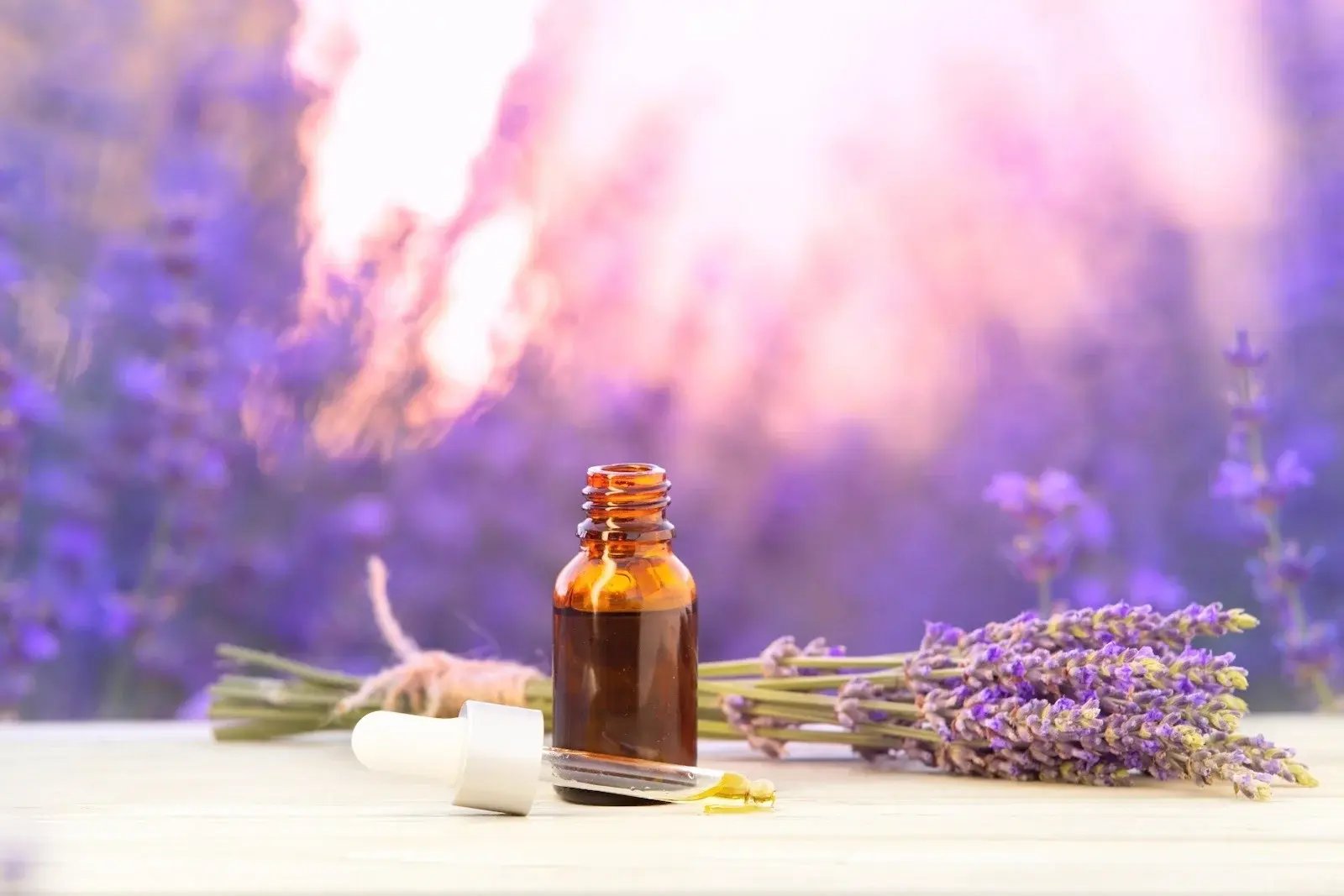
Look for essential oils that come in dark glass containers. Those are usually higher-quality oils. Ideally, don’t buy oils in plastic containers, as they can erode the plastic over time, while glass containers do not deteriorate.
100% Essential Oil
It’s important to determine whether the oil you’re buying is 100% essential oil. Some people confuse fragrance oils with essential oils, but only essential oils have the benefits described in this article. Much like essential oils, fragrance oils manufactured in a laboratory rather than extracted from plants can be damaging to the skin or harmful to people with asthma.
Trusted Brands
When buying essential oils, choose trusted brands rather than knock-offs. Be sure to read the label, which will contain information about the planting, picking, and extraction process used to produce the oil.
How Can I Use Aromatherapy Around the House?
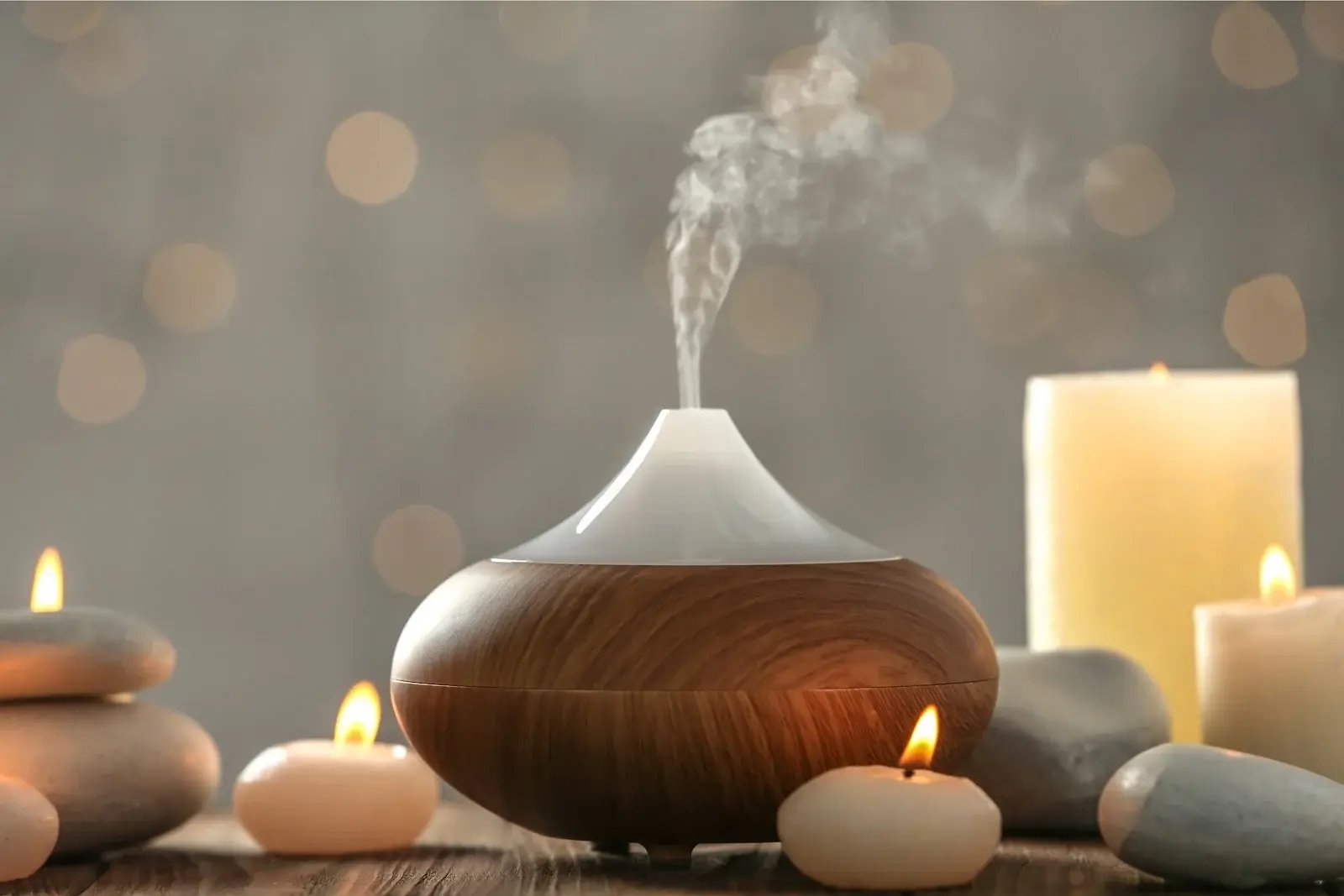
One way to use aromatherapy around the house is by diffusing essential oils to improve mood, air quality, and relaxation. Add 5-10 drops of essential oils to a diffuser to fill the room with a calming scent.
Another way is to mix a few drops of essential oil into approximately two cups of water. Dip a washcloth into the mixture, wring it out, and gently dab it on your hands, face, or neck. (Cotton washcloths work best.) You can also store the damp washcloths in the fridge in a sealed container for later use.
Other ways to benefit from aromatherapy include sniffing the scent directly from the bottle, setting out a scented stick in your house, or carrying some scented sticks in your pocket or purse to use as needed.
Who Can Use Essential Oils?
Most adults can use essential oils safely when properly diluted and applied. Pregnant women should consult with their obstetrician before using aromatherapy. Kids and teens should ask their doctor before using essential oils. People who are allergic to any of the ingredients in an oil should avoid using it.
Additionally, people with estrogen-dependent cancer, high blood pressure, skin conditions like psoriasis or eczema, and respiratory problems like asthma should not use aromatherapy.
Herbs That Help With Withdrawal
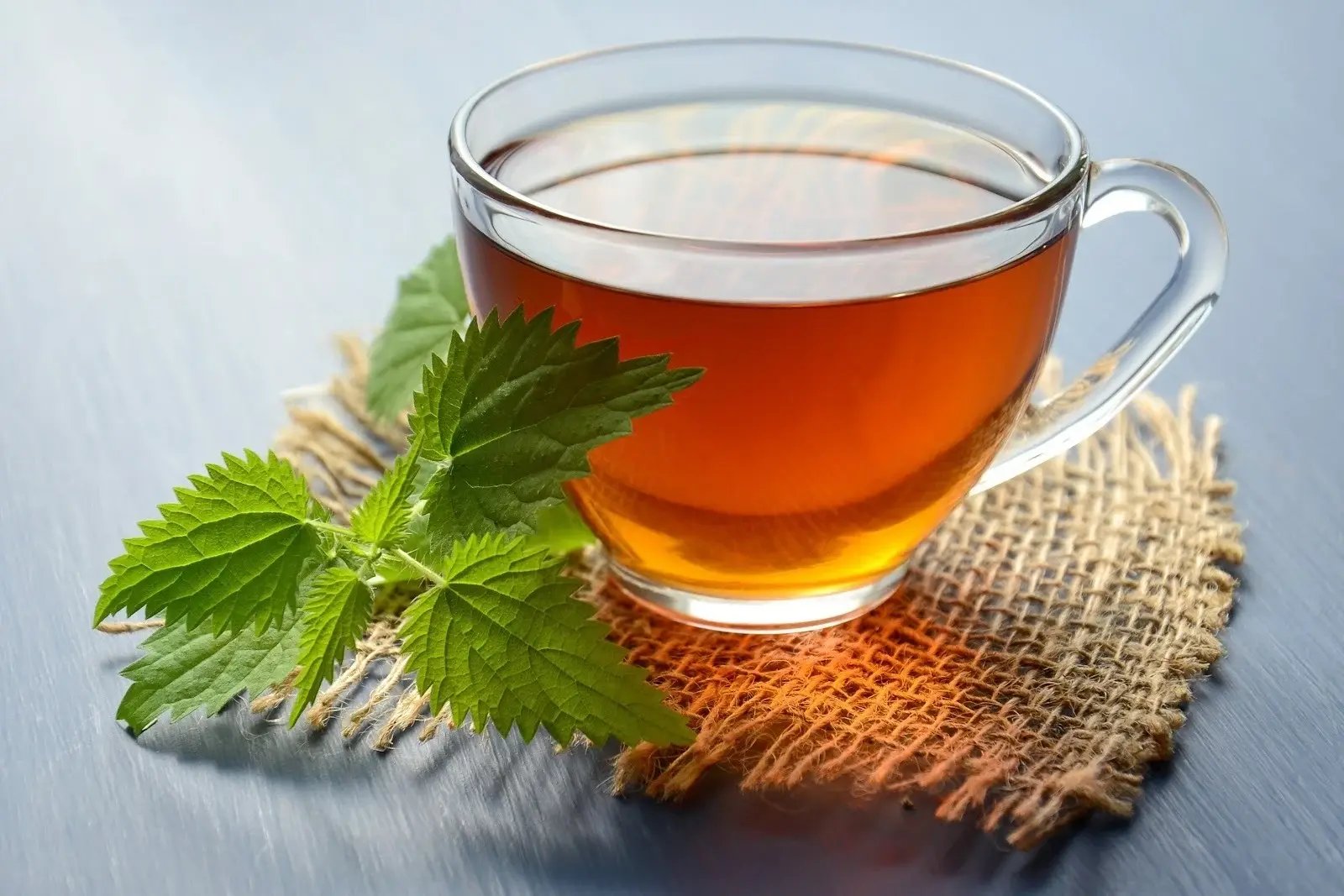
Some herbs have also been shown to have a powerful effect on addiction recovery. Valerian root and oat straw are calming herbs that can be very helpful for sleep issues. They can be taken in pill form, as tinctures, or in tea.
Skullcap is a herb that can help with the intense headaches that often occur in the early stages of recovery. It can be consumed as a tea or taken in tincture form. It is very calming on the nerves.
Lemon balm is a mild sedative. It helps to treat anxiety and has mood-enhancing properties.
Essential Oils for Addiction Recovery
Whether you're using aromatherapy for addiction or simply to aromatize your home, it offers many benefits.
Using herbs and essential oils for addiction is one of the many ways to wean yourself off drugs and away from alcohol addiction. At Avenues Recovery, our trained professionals will walk alongside you throughout the journey of recovery. We’ve done the same for thousands of successful alumni. Feel free to contact us at any time to hear more about how we can support you in your journey toward recovery.
FAQs About Essential Oils for Addiction Recovery
What essential oils are good for cravings?
Essential oils that help reduce cravings include peppermint, clove, lavender, grapefruit, and cinnamon. These oils influence the limbic system to reduce stress and impulsive behavior. Peppermint and clove curb oral cravings, while lavender calms anxiety, and grapefruit helps suppress appetite and emotional urges.
What essential oils boost serotonin?
Essential oils that help boost serotonin include lavender, bergamot, rose, sandalwood, and ylang-ylang. These oils support serotonin activity by calming the nervous system and improving mood regulation. Regular inhalation reduces stress hormones, allowing serotonin levels to stabilize and support emotional well-being.
What is the 20/30/50 rule for essential oils?
The 20/30/50 rule for essential oils is a blending guideline used in aromatherapy. It means a blend contains 20% top notes, 30% middle notes, and 50% base notes. This ratio creates balanced aroma strength, improves scent longevity, and ensures a smooth evaporation rate.
What oils should not be mixed together?
Essential oils that should not be mixed together include oils with similar irritant properties or opposing effects. Avoid combining cinnamon, clove, and oregano due to skin irritation risk. Do not mix stimulating oils such as peppermint with sedatives like valerian. Avoid combining multiple phototoxic citrus oils to reduce skin sensitivity.
What essential oils are good for detoxing the body?
Essential oils that support body detox include lemon, grapefruit, ginger, juniper berry, and peppermint. These oils do not remove toxins directly but support natural detox systems. They stimulate digestion, support liver function, improve circulation, and reduce inflammation, which helps the body eliminate waste more efficiently.