

Part of the complete guide to understanding addiction
It’s well-known that drug and alcohol addiction wreaks havoc on the body, hindering many of its critical processes. What many people don’t realize is the powerful relationship between nutrition and recovery. Understanding the benefits of nutrition in recovery will help you create a healthy sobriety diet and is a major step in accelerating your recovery journey. Learn why nutrition in recovery is such a powerful tool and what you should be eating as you heal from addiction, from the experts in addiction rehabilitation at Avenues Recovery.
Key Takeaways About Nutrition in Recovery
- Substance abuse wreaks havoc on the body; proper nutrition is a powerful tool that can repair this damage.
- An ideal sobriety diet must be well-balanced and include plenty of whole grains, healthy fats, and fruits and vegetables.
- Food and nutrition interact with recovery in other serious ways, including the phenomenon of food addiction replacing drug addiction; the rehab you choose must monitor and provide support for these risks.
How Does Substance Abuse Harm Physical Health?
Substance abuse causes serious damage to the body by reducing appetite, displacing healthy eating habits, blocking nutrient absorption, and damaging organs.
People who are addicted to drugs or alcohol often prioritize their next hit over healthy food choices. Many drugs have a side effect of appetite suppression, leading users to skip meals while they focus on getting more substances. Stimulant drugs create an energetic, invincible feeling where the user feels like they don’t need to eat for many hours at a time, sometimes with the express intention of prolonging the high.
Even when people with drug or alcohol addictions do consume nutritious food, the body has difficulty absorbing the nutrients because of all the toxins it’s been flooded with. Because of this absorption blockage, many alcoholics suffer from nutritional deficiencies.
Toxic substances like alcohol put a tremendous strain on the body. The most common, severe symptoms of this strain are:
- Poor organ function
- Vitamin deficiency
- Gastrointestinal problems

What Is the Role of Nutrition in Addiction Recovery?
Nutrition supports addiction recovery by restoring nutrient deficiencies, stabilizing blood sugar, and improving mood.
After all the toxins your body endured during your substance abuse, when working on your recovery, your body needs all the help it can get to detox and heal properly. Proper nutrition for recovering addicts is vital for successful healing.
In addition to the restorative, healing benefits of nutrition in addiction recovery, it also has more indirect effects on your recovery trajectory. A nutritious diet during recovery can impact:
- How much energy you have
- Your blood sugar level
- How much serotonin or melatonin your body produces
- Several other factors that can dramatically affect how you feel and how your recovery progresses
The energy benefits of proper nutrition are especially important since sobriety fatigue is a very common struggle during recovery. The mood benefits also help support recovery efforts, since when you are tired, sad, angry, or depressed, you’ll likely find it more difficult to avoid triggers. Similarly, when you feel upbeat, have more energy, and are happy, it will be easier to stay strong in your sobriety efforts.
Impact of Quitting on Nutrition
Quitting drugs or alcohol can have unanticipated effects on nutritional habits and physical health. Because food plays a role in addiction recovery in ways that people wouldn’t expect, choosing a rehab that is aware of these common interactions and pitfalls should be a top priority.
Here are some of the surprising ways food plays a role in recovery:
1. Food Addiction Often Replaces Drug Addiction
It is unfortunately very common to switch one addiction for another. When attempting to recover from a drug or alcohol addiction, many people turn to food as a way to cope with cravings and triggers, and wind up developing a food addiction.
A rehab center that understands this common pitfall relating to food in recovery will help you create a healthy relationship with food and foster healthy coping mechanisms, such as mindfulness and meditation, that don’t revolve around food.
2. Binge-Eating After Quitting Stimulants

Stimulant drugs cause users to feel over-energized, often skipping meals as they feel like they don’t need to eat. While this is detrimental to physical health and, of course, quitting is the best decision, many people don’t realize the need to be aware of the nutritional side effects of quitting stimulants.
Stopping stimulant abuse brings back the person’s appetite, and oftentimes, people in recovery start binge-eating without fully realizing it. This is another reason it’s essential to choose a rehab center that recognizes this common risk and provides nutritional guidance in addition to the traditional recovery elements. This may include assisting you in creating a meal plan and setting specific mealtimes and snack times to help you avoid binge eating.
3. Dangers of Unassisted Detox
Many people attempt to detox from drugs or alcohol on their own without realizing that this carries several dangers:
-
Dehydration, already severe from chronic substance abuse, worsens during withdrawal that’s not monitored and assisted by IV hydration and other supportive care
-
Nausea and vomiting, common during unassisted detox, prevent nutrient absorption
-
Lack of appetite in general leads to weakness and malnutrition
A rehab center that has experience with medical detox will monitor you carefully to ensure you stay well-hydrated during the process.
4. Co-Occurring Eating Disorders
Another interaction that food plays with recovery is that people with drug or alcohol addictions often have co-occurring eating disorders. A study conducted by the National Eating Disorders Association found that up to 50% of individuals with an eating disorder abused drugs or alcohol.
It is therefore essential that your rehab center understands the role of food and nutrition in recovery, and that they can look out for a co-occurring eating disorder and address both disorders simultaneously, helping you achieve the full recovery that you deserve.
Now that we’ve established the importance of nutrition in recovery – and of choosing a rehab that understands the risks that can come up during the detox and recovery process – let’s take a closer look at what exactly you should be eating when detoxing from drugs in order to help your body recover from addiction, vitamin deficiency, and organ damage.
What Is the Best Recovering Alcoholic Diet?
The best diet for drug addiction treatment is well-balanced and includes plenty of whole grains, healthy fats, and fruits and vegetables. It is also extremely important to stay well-hydrated. Water helps flush out toxins and curb cravings for unhealthy substances.
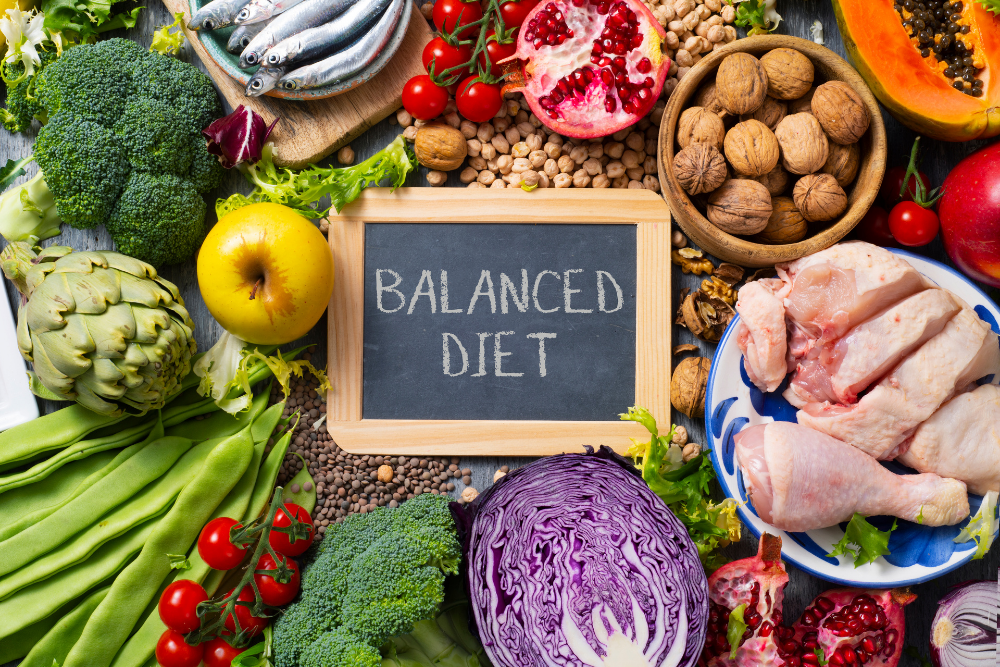
The following food groups support healthy, balanced bodily functions, with examples of foods that contain them.
1. Vitamins and Minerals
Vitamins and minerals support your immune system and promote healthy cell growth throughout the body. Some important vitamins and minerals are:
- Vitamins A, D, E, K, and C
- Vitamin B group
- Calcium
- Potassium
- Iron
- Magnesium
Fruits and vegetables are excellent sources of vitamins and minerals. Some good options to combat vitamin deficiency resulting from addiction include:
- Raspberries
- Blueberries
- Grapefruit
- Bananas
- Apples
- Pears
- Kale

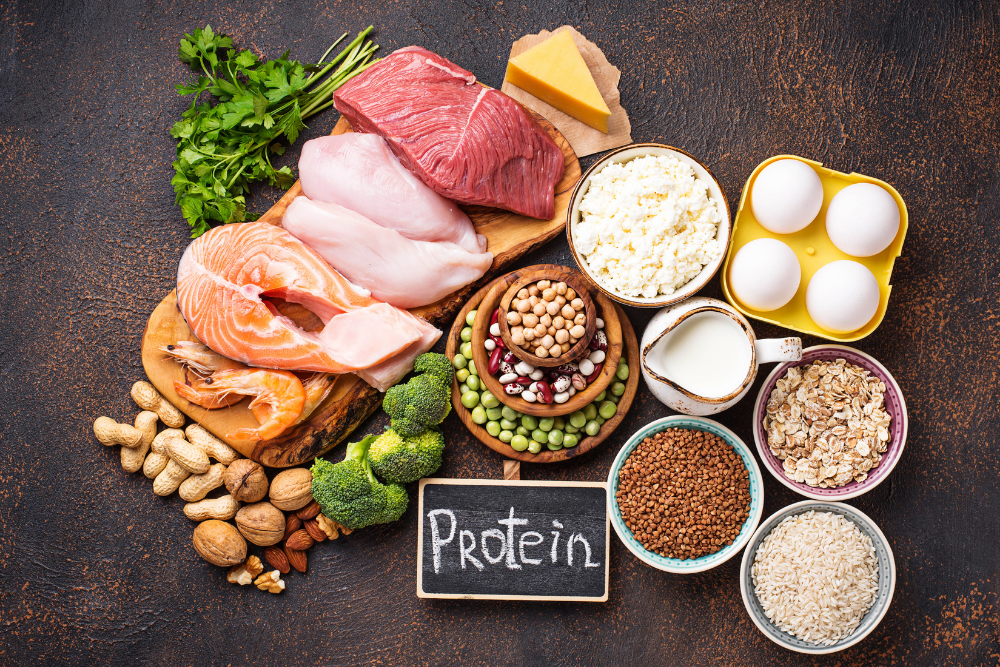
2. Protein
Think of protein as the building blocks for every part of the body, from helping build muscle to hair and skin growth. Eating enough protein is critical to maintaining good nutrition in recovery. You can get your protein intake from a variety of foods, such as:
- Poultry
- Fish
- Tofu
- Dairy products
- Eggs
- Nuts
- Pulses
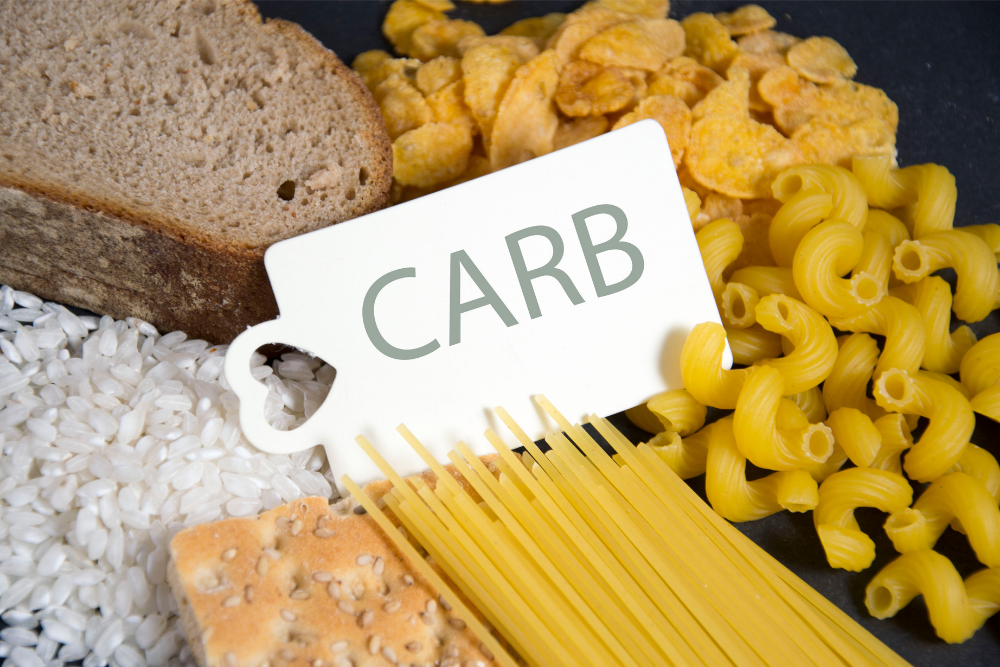
3. Carbohydrates
Carbohydrates give you energy and help with your digestive system. It is ideal to choose whole-grain products over refined flour products to maximize the nutritional benefits. Some sources of nutritious carbohydrates include:
- Whole grains, such as rice, oats, bread, and cereal
- Fruits
- Vegetables
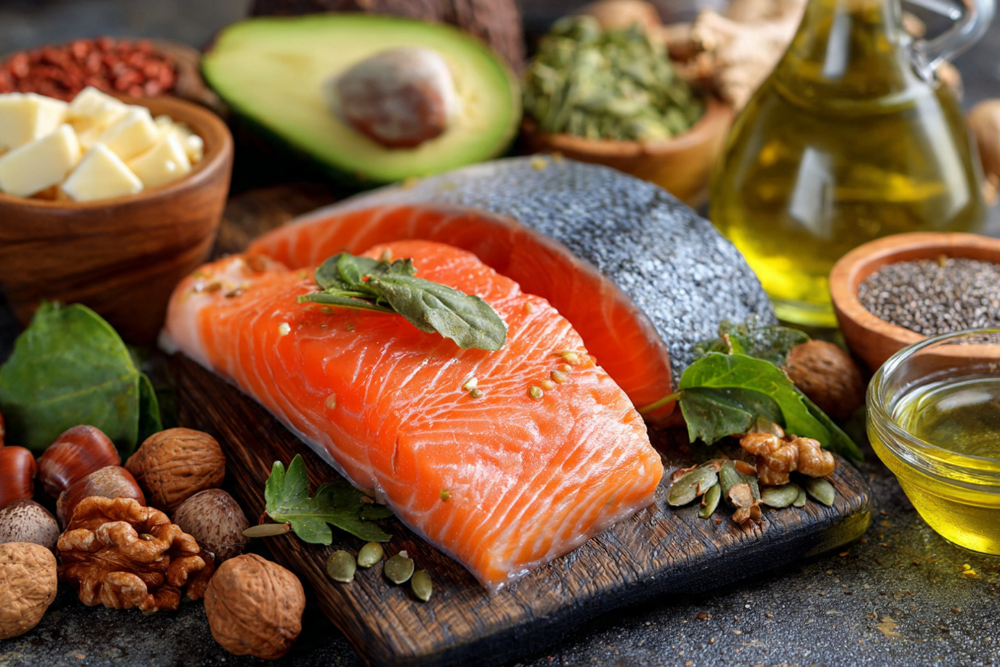
4. Fatty Acid and Fat
Fats are often assumed to be unhealthy, but it’s important to differentiate between different types of fats. Unsaturated fats support healthy cholesterol levels and help absorb nutrients. Some good sources of healthy fats are:
- Avocado
- Nuts
- Olive oil
- Salmon
- Seeds, such as flaxseed and chia seeds
How to Plan Your Nutrition in Recovery
It is important to always consult a professional counselor or physician if addiction is suspected or if you are considering treatment for recovery, and this also holds true for making drastic changes to your nutritional habits. Choosing a diet for addiction recovery may not seem like a big deal in the moment, but the state of your nutrition in recovery could have a big impact on how you feel and how well you cope with treatment. It’s therefore highly advisable to consult with your doctor before taking on a new diet, or to attend a rehab with on-site nutritionists that will guide you in creating and maintaining a sobriety diet plan.

Finding the Nutrient Balance With Avenues Recovery
Although recovery from addiction is challenging, it is an extremely rewarding process that propels you towards a better future. If you or a loved one are seeking more information about nutrition in recovery, contact us today. Our experienced, compassionate addiction and nutrition experts will assess your situation and recommend the best diet for your needs. At Avenues Recovery, we appreciate the vital role that nutrition plays in recovery, and our licensed professionals offer extensive resources to support your nutrition as you progress on your journey to sobriety. You can live a life free from drugs or alcohol – take the first step today!
FAQs About Nutrition in Recovery
What role does nutrition play in the recovery process?
Proper nutrition during addiction recovery restores brain function, stabilizes mood, improves energy, and repairs physical damage caused by substance abuse.
What are the most important nutrients in recovery nutrition?
The most important nutrients for addiction recovery are those found in proteins, complex carbs, healthy fats, vitamins, and minerals. Protein repairs tissues and stabilizes blood sugar. Complex carbohydrates provide sustained energy. Healthy fats support brain function and hormone balance. Vitamins B, C, and D, and minerals such as magnesium and zinc aid nervous system repair and reduce cravings.
Why are sugar cravings part of addiction recovery?
Sugar cravings are part of addiction recovery because the brain seeks dopamine to replace the reward previously triggered by drugs or alcohol. The body also craves quick sources of energy to raise blood sugar levels and replenish glycogen stores depleted by substance abuse.
Can certain foods help reduce cravings or improve mood?
Yes, certain foods reduce cravings and improve mood by stabilizing blood sugar and supporting neurotransmitter production. For example, protein helps dopamine and serotonin production, and omega‑3 fatty acids from foods like fish and nuts support brain health. Choosing balanced meals with lean proteins, healthy fats, and complex carbs can support emotional stability and reduce sugar cravings.
Are supplements necessary in addiction recovery?
No, supplements are not usually necessary in addiction recovery. Whole foods are preferred, but supplements may be recommended on a short-term basis under medical supervision.
Can poor nutrition increase relapse risk?
Yes, poor nutrition can be a risk factor for relapse, since blood sugar crashes, nutrient deficiencies, and dehydration can increase irritability and cravings.