


For many parents, even thinking about their child being exposed to drugs can bring up a quiet, heavy worry. You want to protect them from harm – and at the same time, you know you can’t shield them from everything forever.
Talking to your child about drugs and addiction can feel awkward, intimidating, and maybe even a little scary. But the truth is, it’s one of the most important conversations you’ll ever have with them.
The good news? It doesn’t have to be a single serious talk or a dramatic moment. In fact, the best conversations about drugs happen naturally, little by little, as part of your everyday relationship with your child.
When kids feel safe asking questions and know they can come to you without fear of judgment, they’re far more likely to make healthy choices later on.
Why It’s Important to Talk to Your Child About Drugs and Alcohol:
Parents sometimes underestimate just how much influence they have on their children.
Even casual comments or small conversations can shape how kids think about the world. From a very young age, children absorb the values they see at home. That’s why avoiding the topic altogether doesn’t help. At some point, your child will encounter drugs or alcohol, whether it’s through friends, media, school, or the broader world.
When children hear about these things first from their parents, they gain perspective before peer pressure enters the picture. Kids who understand the risks and feel comfortable talking to their parents are less likely to experiment with substances early on.
Many children first encounter drugs or alcohol between the ages of 9 and 12. Starting the conversation early, in a calm and age-appropriate way, helps them develop the knowledge and confidence they need before that moment arrives.
Tips for Explaining Drugs to a Child:
Talking about drugs doesn’t need to be overwhelming. Often, it works best as an ongoing conversation rather than one serious sit-down talk.
Here are some helpful guidelines to keep in mind.
-
Educate Yourself First.
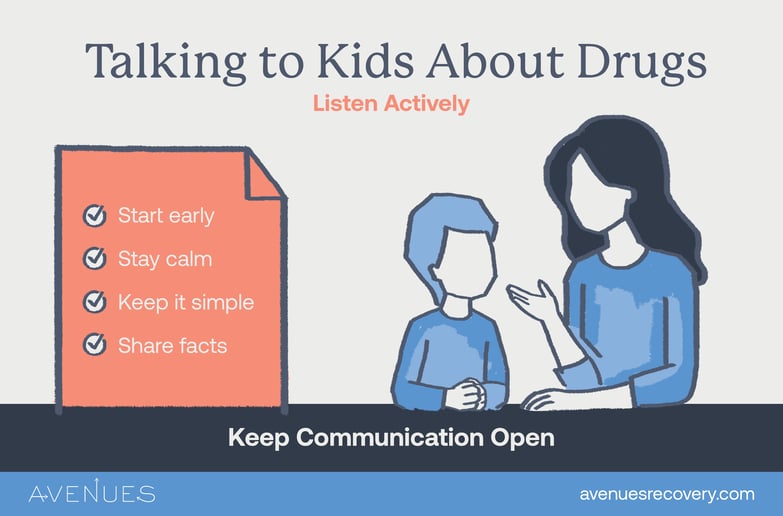
Before talking to your child, take some time to understand the basics yourself.Be Clear and Direct -
Children benefit from clear messages.
If your stance is vague or uncertain, it can leave them confused. Let them know where you stand and what you expect calmly and respectfully. -
Stay Calm.
This topic can bring up strong emotions, but try to keep the conversation steady and relaxed. If kids sense anger, panic, or frustration, they may shut down or stop asking questions. A calm tone helps them feel safe enough to share their thoughts honestly. -
Be Supportive.
Your child should always feel that your love isn’t conditional. Try not to speak harshly about people who struggle with addiction. If kids hear judgment or shame, they may worry they’ll lose your support if they ever make a mistake. Instead, help them understand that addiction is something people struggle with; and that compassion matters. -
Be Ready for Questions.
Kids can be surprisingly curious and insightful. They might ask things you didn’t expect. Prepare simple, age-appropriate answers so they don’t feel brushed off or left confused.
-
Teach Healthy Coping Skills.
It can help to explain that many people turn to drugs or alcohol as a way to escape difficult feelings like stress, sadness, or anger. Then talk about healthier ways to deal with those emotions, like talking to someone they trust, exercising, creative hobbies, or problem-solving together. -
Focus on Facts.
When explaining the risks of drugs and alcohol, try to stick to facts rather than emotional language. Children respond better to clear information about health risks, legal consequences, and long-term effects than to exaggerated warnings or harsh judgments.
Turning Everyday Moments Into Conversations
You don’t need a formal setting to talk about drugs. In fact, casual moments are often the most effective.
For example, you might bring it up when:
- A news story mentions drugs or alcohol
- A character in a movie or show is drinking
- A local event involves substance use
- Someone in your community struggles with addiction
These moments naturally open the door to discussion without making your child feel like they’re being lectured.
If your child knows someone who is struggling with addiction, it can also be a chance to gently explain what substance use disorder is and how it affects people without judgment or shame.
Talking About Drugs at Different Ages:
Children process information differently depending on their stage of development. Adjusting your approach can make these conversations far more effective.
Ages 3–7
At this age, keep things simple.
If you see someone drinking alcohol or using substances, you might explain that certain things can hurt people’s bodies if they’re not used responsibly.
Avoid making drugs sound exciting or glamorous. Instead, focus on the idea that they can make people feel sick or act in ways that aren’t safe.
Children’s books about health and addiction can also help introduce the topic in an age-appropriate way.
Ages 8–12
Kids in this age group often start hearing about drugs through friends or media.
You can ask gentle questions like:
- “Have you heard about drugs or alcohol before?”
- “What have kids at school said about them?”
Explain that children’s brains and bodies are still developing, which makes substances especially harmful at this stage.
Most kids this age are surprisingly open to hearing your advice and asking thoughtful questions.
Ages 13–17
Teenagers are far more likely to encounter substances through social settings.
If you’ve built open communication over the years, your teen will be more comfortable talking with you about these experiences.
Try to keep the conversation casual and nonjudgmental. When teens feel trusted rather than policed, they’re more likely to ask for guidance when they need it.
Questions Kids Often Ask About Drugs:
Children’s questions will change as they grow, but some come up again and again.
Here are a few examples.
- Why do people use drugs or alcohol?
You might explain that these substances can temporarily make people feel good or help them escape difficult emotions. However, those feelings don’t last, and over time, drugs can cause serious harm to both the brain and body. If drugs are bad, why do people keep using them?
-
If drugs are bad, why do people keep using them?
Over time, the body can become dependent on substances. This is called addiction. When someone is addicted, their brain begins to rely on the drug, making it extremely difficult to stop even when they want to. - Why can’t I use drugs or alcohol if adults do?
Children’s brains and bodies are still developing, which makes substances much more dangerous for them. There are also legal reasons: many substances are illegal for minors to use.
- Did you ever use drugs when you were younger?
If this question comes up, honesty is usually the best approach. If you did experiment with substances, you can acknowledge that while explaining that you now understand the risks and want your child to make healthier choices. Children tend to trust parents more when they feel they’re being told the truth.
Talk through simple ways your child can say no if they're offered drugs or alcohol. Sometimes it helps to have a few ready responses, such as:
- “I’m good, I don’t want.”
- “I’ve got something tomorrow and need to stay clear-headed.”
- “My parents would absolutely lose it.”
Practicing these responses can help make resisting peer pressure easier in the moment.
How Parents Can Help Prevent Drug Use:
While you can’t control every influence in your child’s life, there are meaningful things you can do to lower the risk of substance use.
Stay Informed
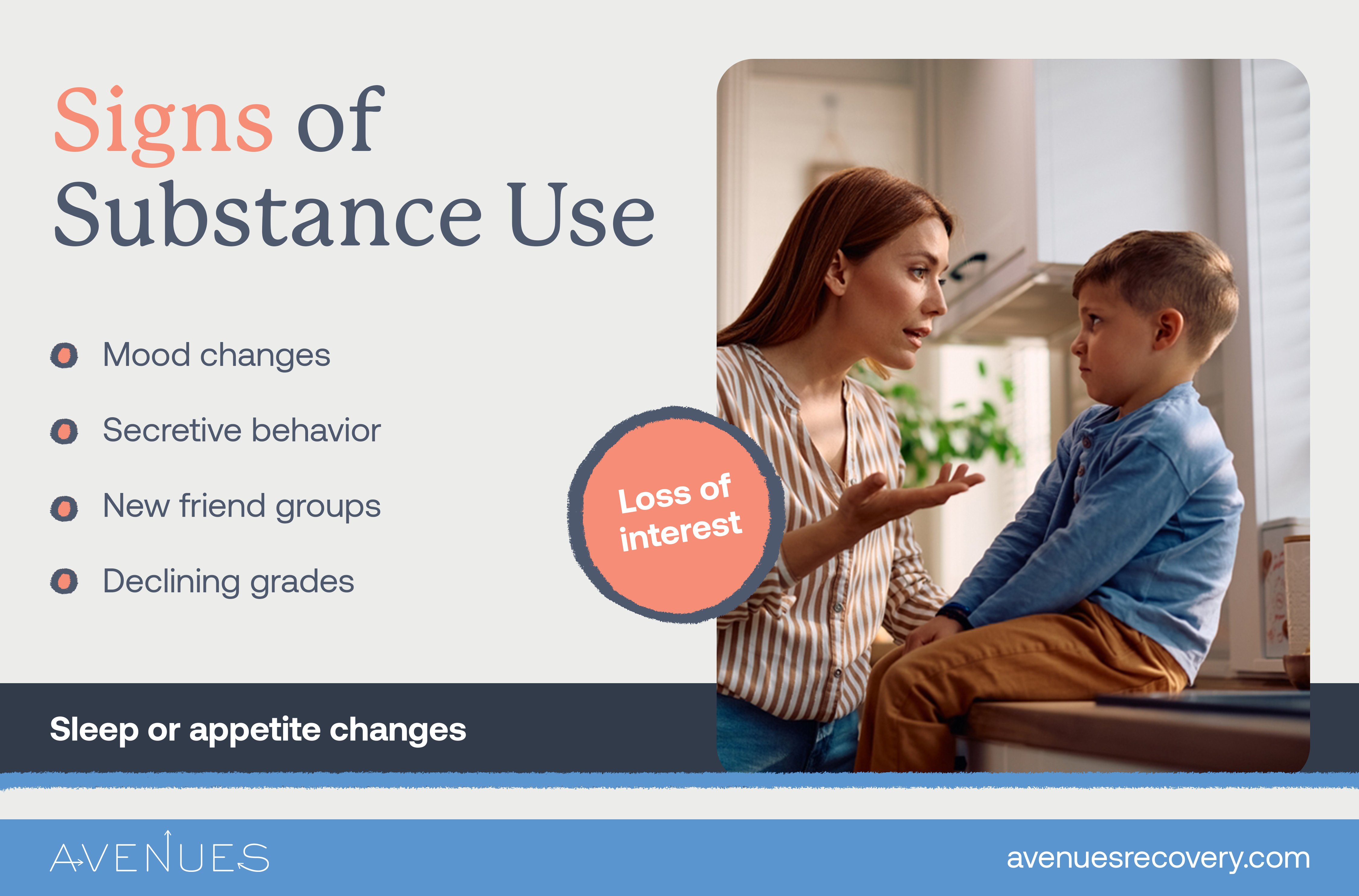
Learn the warning signs of substance use and addiction, such as sudden behavioral changes, new friend groups, secrecy, or withdrawal from family activities.
Stay Involved
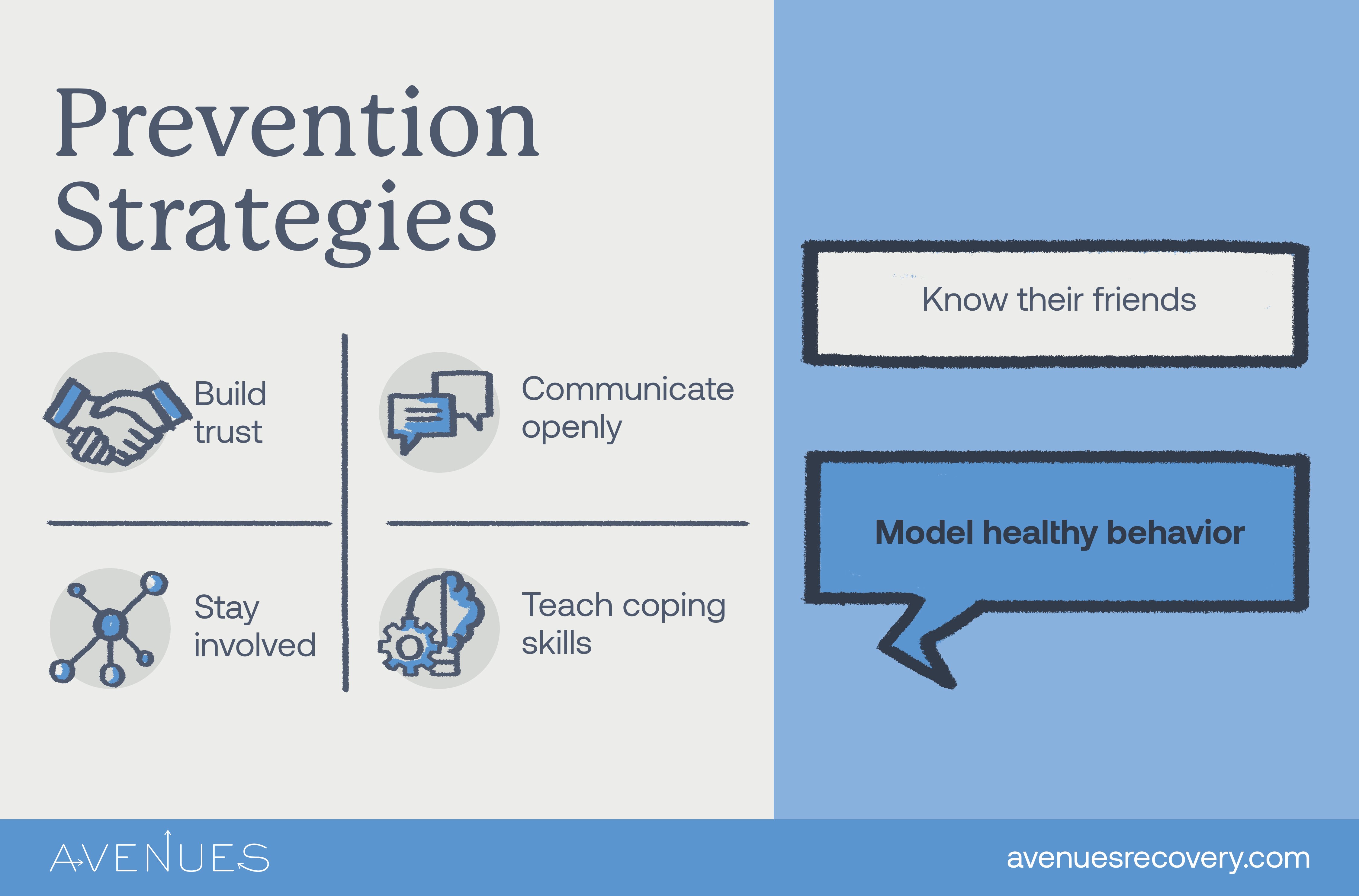
Know your child’s friends, their activities, and where they spend their time.
Being involved doesn’t mean being controlling, it simply shows your child that you care and are paying attention.
Build a Strong Relationship
The most powerful protection against substance use is a strong parent-child bond.
When children feel safe talking to you about anything, even mistakes, they’re far more likely to seek guidance rather than hide problems.
Avoid Judgment
If you suspect your child may have experimented with substances, try to approach the situation calmly.
Anger or punishment may push them away, while understanding and open conversation keeps communication alive.
Proceed With Care if There’s a Problem
If you believe your child may be struggling with substance use, approach the situation gently.
Rather than accusations or threats, create space for an honest conversation and explore ways to get professional help if needed.
Talking about drugs with your child might feel uncomfortable at first. And that’s okay. What matters most isn’t saying everything perfectly. It’s creating an environment where your child knows they can come to you with questions, worries, or mistakes. A few small conversations over time can make a bigger difference than one serious talk. When kids grow up knowing they’re supported, informed, and understood, they’re far more likely to make healthy decisions, even when you’re not there to guide them.
Sometimes, conversations with your child about drugs bring up deeper concerns. Maybe you’ve noticed changes in behavior, signs of substance use, or a growing worry that something more serious could be happening. If that’s the case, it’s important to remember that help is available, and reaching out for support is a powerful first step. At Avenues Recovery Center, we understand how deeply addiction can affect families. Our team provides compassionate, professional care designed to help individuals heal while supporting the loved ones who care about them most.
If you’re worried about a child, teen, or family member struggling with substance use, you don’t have to navigate it alone. Our experienced staff is here to listen, answer your questions, and help you explore treatment options that truly make a difference. Reaching out today could be the beginning of a healthier, brighter future for your whole family.
- Start talking about drugs early so the topic feels normal, not scary.
- Keep conversations calm, open, and age-appropriate.
- Focus on honest facts rather than fear or shame.
- Encourage kids to ask questions and share what they hear from friends or school.
- Teach healthy ways to cope with stress and difficult emotions.
- A strong, supportive relationship with your child is one of the best protections against substance use.
FAQs
When should I start talking to my child about drugs?
It’s best to start early. Simple conversations can begin in early childhood and grow more detailed as your child gets older.
How do I explain drugs to a young child?
Use simple language. Explain that some substances can harm the body and brain, and that children should never take them unless a doctor gives medicine.
What if my child asks if I used drugs?
Honesty is usually best. You can acknowledge past mistakes while explaining what you’ve learned and why you want them to make healthier choices.
What should my child do if friends offer drugs?
Teach them simple ways to say no and encourage them to leave situations where they feel pressured.
How can I reduce the risk of my child using drugs?
Stay involved in their life, build a strong relationship, talk openly about risks, and encourage healthy coping skills and activities.