


Key takeaways:
- Being in a relationship with someone battling addiction can feel lonely, isolating, and painful.
- It’s very normal to want to leave the relationship and all the pain behind.
- Many people remain in such a relationship, with clear boundaries and support.
- The decision of whether to leave or stay is unique to every person.
- Whether you choose to stay of leave, you and your partner can reach out to Avenues Recovery for help.
Being in love with someone who has an addiction:
Addiction is known to be a ‘family disease’ because it affects every person in the family, not just the person struggling with substance abuse. As the spouse of someone struggling with addiction, you know how true this is. Every time your spouse comes home drunk, or is too stoned to join you at a family wedding, or is verbally or even physically abusive after using drugs, you are reminded that this disease affects you powerfully, too.
Your life sometimes feels like a rollercoaster ride you can’t get off. You suffer through the aftereffects of using drugs or alcohol, and then you live through the cycles of shame, guilt, depression, and despair your spouse goes through. You’ve heard a thousand promises that they’ll stop, they’ll get help, they’ll do anything to save the relationship. But nothing has changed.
However, when the people around you tell you to ‘just leave,’ you know in your heart that it’s not so simple. You love your spouse. There are technicalities tying the two of you together, whether it’s children, finances, or the house. You want the relationship to work, you just need the substance abuse to stop. But nothing you’ve tried has worked. How can you know whether to stay or leave?
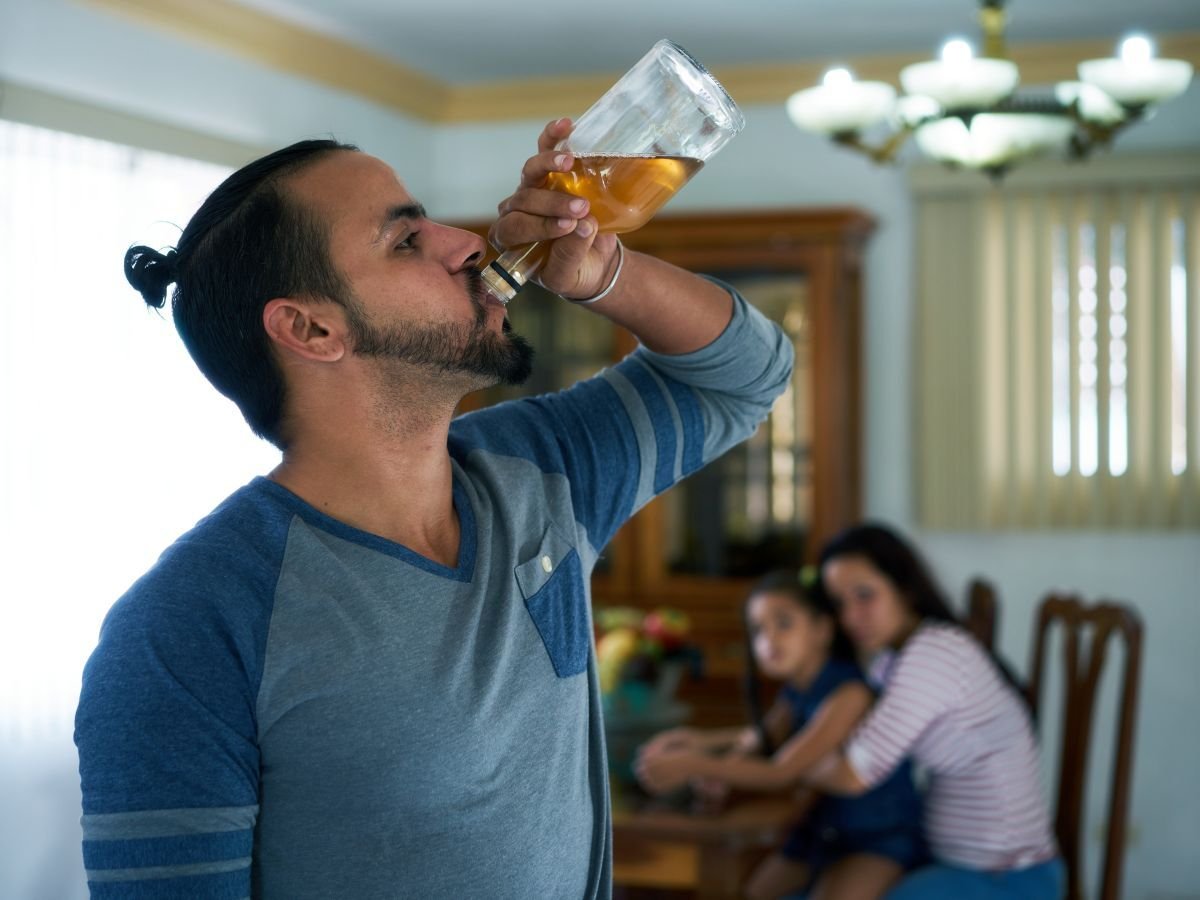
How does addiction affect you?
Every relationship is unique, and so is every individual who struggles with addiction. Here are some ways that you may be struggling because of your spouse’s addiction. If they resonate with you, you may have a clearer picture of how much the addiction impacts your life, which gives you more information to use when deciding the future of the relationship.
- Financial strain- Your spouse may have a difficult time holding down a job while they use drugs or alcohol. They might also be draining all of your financial resources to fund their substance use, leaving you struggling to just cover the basic costs of daily living. You may be working full-time at multiple jobs just to stay afloat, which puts a huge strain on the relationship.
- Loss of trust- If your spouse has promised countless times that they’ll stop using, you‘ve probably lost all trust in them by now. It’s so hard to keep believing your spouse when they’re unable to deliver on their promises time and time again - which makes you question the foundation of the relationship and whether or not you can continue.
- Rollercoaster- Many people who have loved ones struggling with addiction describe their lives as a rollercoaster. They use this terminology to describe living through the unpredictable highs and lows, the irritability, the depression, and all the various states of emotional being that your spouse cycles through.
- Uncertainty- You may have wondered many times where the relationship is headed. How will your future look if your spouse continues to use substances as they are doing now? If you have children, you may worry about what kind of reality they are living in- are they constantly tense and afraid of the parent with addiction?
- Pressure to make things ‘right’- Many spouses of people with addiction struggle with codependency. They feel pressured to keep the addiction a secret, so they cover up for the spouse and keep up a normal pretense to the world. If you’re in this position, you know how exhausting it is. You may also feel compelled to help your partner get their life together, which is usually a frustrating and fruitless experience.
Why do people end the relationship?
The decision of whether to leave or stay is very individual. It depends on the severity of the addiction, how much you are able stay grounded and emotionally stable through the instability, and other factors. Studies have shown that substance abuse is a significant reason for couples to end a relationship, due to the erosion of trust, financial and emotional instability, and sometimes abuse.
The first thing to consider when deciding whether you should continue your relationship, is your personal safety. If you have children, consider their safety, too. If either you or your children are being physically abused, remove yourself from the situation right away. Your spouse should not intimidate you, act violently to you or your children, or make you feel unsafe in any way.
Another factor to consider is whether or not your spouse is committed to getting help. Your spouse can get the help they need, but they need to snap out of denial and be internally motivated to get the help they need. If your spouse is willing to get help, there is hope that you can live a healthy, stable life together. Remember that getting help does not mean that life will be perfect- recovery is a long process with ups and downs. But if your spouse is committed to getting help, it’s a gamechanger.
Why do people stay in the relationship?
On the flip side, many people choose to stay in a relationship where the partner struggles with addiction. Sometimes, the person with addiction enters recovery, making a harmonious relationship possible. However, there are some people who stay in the relationship even when the spouse continues to actively engage in addictive behaviors.
Firstly, you may be too afraid to live on your own. Especially if you have children, you may find yourself anxious at the thought of breaking up your family and living on your own.
Secondly, you may be worried about the stigma. Will people judge you for ending the relationship? Will they avoid you or berate you for walking away? Will people be angry at you for leaving your spouse high and dry while they’re struggling? And, more importantly, will you struggle with guilt and self-doubt once the relationship is over? These are all difficult questions to answer.

So, should I stay or leave?
This question is deeply personal and obviously can’t be answered in one article. For starters, you can reach out to a professional at Avenues Recovery so they can guide you through the decision-making process. Right now, you can reflect on the following questions:
- Am I, or are my children, in physical danger?
- Do I still love my spouse?
- Do I still feel hope that things can change?
- Is my spouse willing to join a rehab and/or get sober?
- Is my spouse loving, kind, and considerate when not drunk/ on a high?
- Have I lost all trust, love, hope, and willingness to invest in this relationship?
- Will it be more difficult for my children if I stay married, or if I leave?
What to do before ending the relationship:
This article isn’t advising you to leave your spouse - we can’t possibly advise you on such a monumental issue because every case is different. However, if you’ve determined that the best course of action is to leave your spouse who is struggling with addiction, here are some tips on how to break up.
Firstly, find a support system. If you have supportive friends and family, share with them that you’re going to be ending the relationship. Let them know exactly what they can do for you during this turbulent time. If they live close by, find out if they can help you with childcare or other technical issues that may come up in the next few months. If you don’t have emotionally supportive family and friends, find an online community or local support group of people going through the same challenges as you are.
You can also reach out to a therapist or mental health professional to guide you through the emotional heartbreak of ending a relationship. Self-care is another important tool to help you maintain your emotional health. Make time to prepare and eat proper meals, sleep, exercise, socialize with friends, and engage in recreative activities. You can even ask your family and friends to remind you to take care of yourself throughout the day.
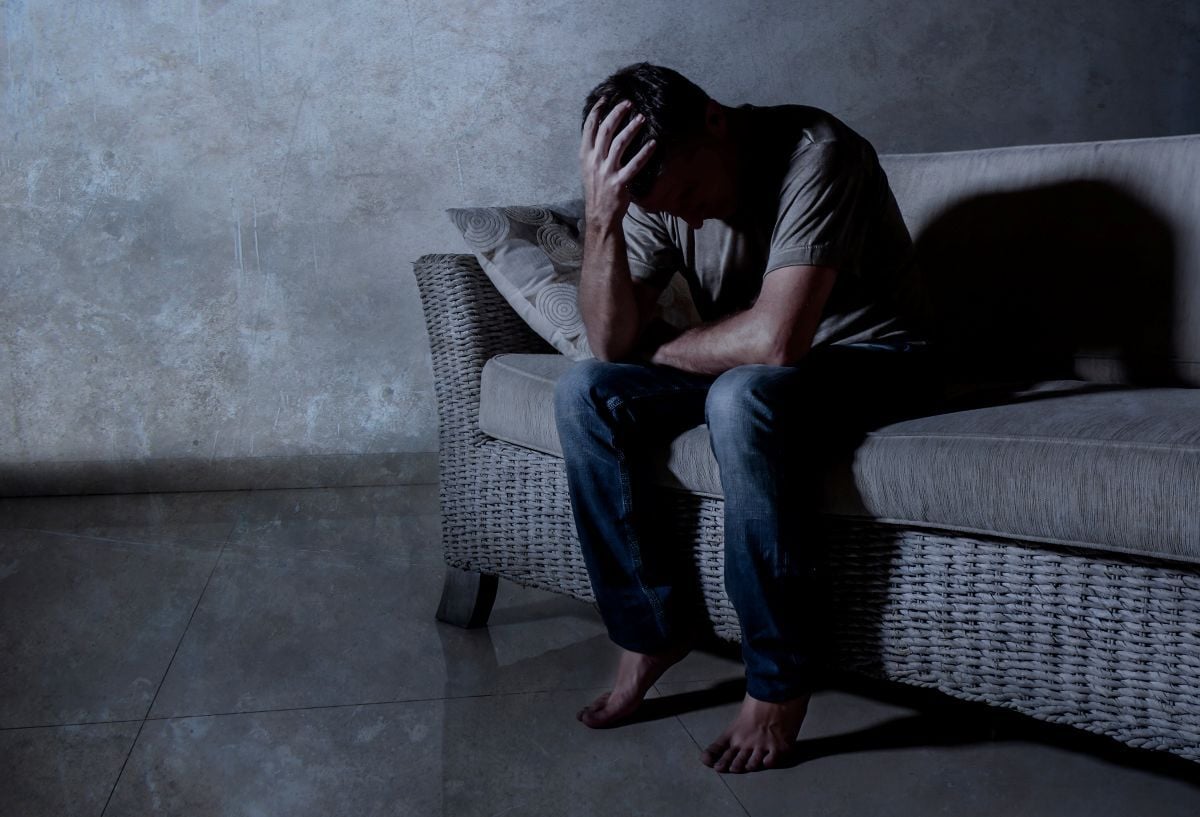
Will I feel guilty for leaving my spouse?
This is a question many people ask themselves when considering leaving a relationship involving a mentally or emotionally unstable spouse. It’s frightening to think that after having made the courageous decision to leave, you may be wracked with guilt and remorse for leaving your spouse to struggle on their own. Of course, every person is different, and it’s possible that you will be very confident in your decision and not feel any guilt at all.
However, it’s important to be prepared for feelings of guilt. After all, you may have enjoyed many months or years with your spouse before the addiction robbed them of all the love and joy in the relationship. You may feel sorry for them, and guilty for not staying with them. Contrastingly, you may feel like a failure because you were unable to ‘fix’ your spouse. You may also experience feelings of grief, sadness, and loss. These are all very normal feelings, and you can speak to a therapist or psychologist to help you process and manage your feelings.
Another tip is to help your ex-spouse in any way you can, even after you’ve made the decision to leave. For example, you can encourage them to attend rehab and help them out technically so they can go (for example, take care of the children, help out financially). You can also find other ways to help out depending on your ex-spouse’s situation, so you know you’re doing what you can without putting yourself at risk.
Can I make this relationship work?
Yes, you definitely can make the relationship work out. You may feel very lonely, as though you’re the only person in the world navigating this challenge, but we can assure you that there are many people around you who are dealing with the very same circumstances. And many people choose to stay in the relationship.
If you want to make it work, you’ll need a very strong support system, which can involve family, friends, and professional guidance. If you have supportive family and friends, you may choose to confide in them and allow them to support you through your day-to-day difficulties. A therapist, psychologist, or qualified counselor can be immeasurably helpful to maintain your sanity and emotional well-being.
You can also find other people who are in a relationship with someone struggling with addiction, and connect with them. For example, in 12-step groups like Al-Anon and Nar-Anon, you can find many people (in local and online meetings) who are also in a relationship with someone struggling with an addiction.
What to know if you choose to stay:
Other than a strong support network to help you through the difficult times, it’s also important that you establish boundaries to protect yourself. You can determine, for example, that certain behaviors are red lines for you, and that you will not tolerate it in your home. Remember, though, that a boundary is not about changing the other person or manipulating them to perform differently, but rather about protecting yourself and your family.
Another important factor when in a relationship with someone who struggles with addiction is self-care. This could be anything from making sure you eat and drink properly, socializing with friends regularly, getting a facial or massage, and even making time to attend 12-step meetings whenever you need it. This is absolutely vital to your emotional health and should never be compromised.
Whatever you decide, know this:
This decision is deeply personal. Only you know how you’re feeling and how much emotional resilience and support you have. Either way, trust yourself to make the best decision for you and your family. No one can tell you what to do or make you question your life choices, whether you decide to stay or leave.
Additionally, no matter what you choose, you can do your part to help your ex-spouse, without trying to ‘fix’ them or make their problems go away. Ultimately, you can’t force anyone to do anything, but you can gently suggest and encourage your partner or ex-partner to get the help they need, whether you refer them to a rehab center or mental health professional.
Conclusion:
It’s important for you to know that you are not alone. The struggle of being in a relationship with someone who has an addiction is very personal, and it may feel incredibly isolating. But at Avenues Recovery, we know hundreds of people who are, or who have been, in a relationship with someone struggling with addiction. You are not alone and you can reach out for support and help.
At Avenues Recovery, we offer compassionate and effective treatment programs for both you and your spouse. At our many locations nationwide, we have seen the incredible transformations of people who are addicted to drugs or alcohol. We invite you and your spouse to begin your journey from isolation, loneliness, and sadness, to a life of recovery and sobriety.
Reach out today to start your new path in life, together!