

Key Takeaways:
- Chronic insomnia is defined as a long-term sleeping disorder.
- Alcohol & other substance addictions cause insomnia.
- Withdrawal often triggers sleeping disorders to strike again.
- There are treatment methods for insomnia during recovery.
Night owls aside, when the sky dims its lights and the day starts closing shop, our bodies react in kind. Eyes start feeling heavy, energy begins to run out, and a hazy feeling of tiredness sets in. Sleep is a natural need for our functioning and is essential to a productive day in the morn. And the good news? Sleep is achieved ever so easily. Some first stifle a few yawns in attempt to ignore the fatigue, but tiredness eventually wins and sleep naturally settles in.
Unless there are some interferences.
Is this Insomnia?
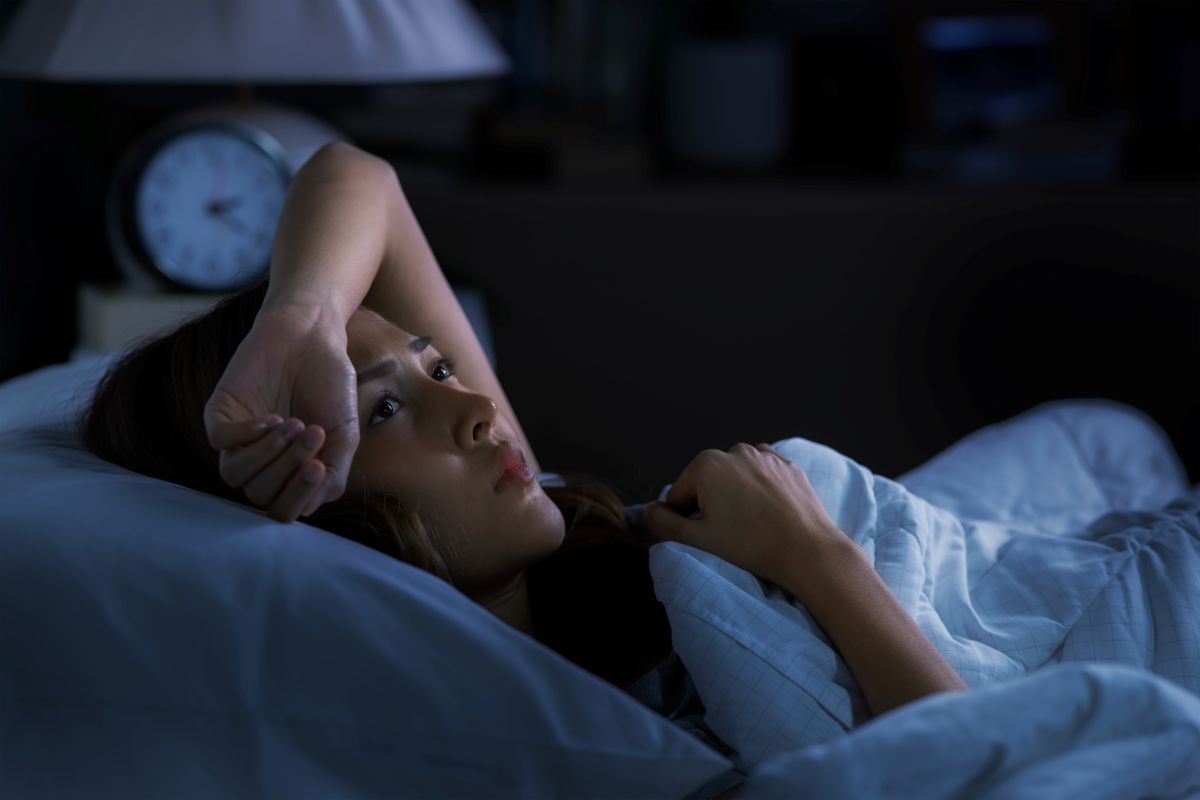
In today’s world, sleeplessness is pretty common. People are stressed about finances, relationships, and other life circumstances, which can all cause lack of sleep. Insomnia is a common sleep disorder that can either make it hard for someone to fall asleep initially, or cause them to wake up too early and be unable to fall back asleep. At least 25% of Americans experience some symptoms of the disorder each year. No matter how tired you are - sleep is completely evasive.
Once-A-Week Fluke? Defining Acute vs. Chronic Insomnia
Acute Insomnia
Who didn’t experience a night spent tossing and turning in bed? Whether it was a big exam the next day, an important meeting, or a significant event happening in the AM, the reason is usually obvious when we can’t seem to fall asleep. When symptoms last only a couple of nights, that’s known as acute insomnia.
Common Causes of Acute Insomnia:
- Screen time before bed
- Late caffeine intake
- Jet lag or travel
Acute insomnia is short-term and will usually disappear on its own when the underlying problems go away. When the original trigger is resolved, your sleep schedule will stabilize itself again.
Chronic Insomnia
But when those few sleepless nights become an ongoing, persistent sleep issue, this sleep disorder is better defined as chronic insomnia. If these restless nights happen at least three nights a week and you can’t point fingers at the cup of java after 9 pm, it’s usually a chronic issue that doesn’t disappear as fast as downing, say, a bottle of beer.
Common causes of chronic insomnia:
- Mental health conditions
- Alcohol consumption
- Steroids or medications
Chronic Insomnia is a long-term sleeping disorder that can last for three months or longer, causing unlimited frustration and stress; aside from a bone-weary tiredness.
Disruptive Dreams - How addiction affects sleep cycles
The way our sleep cycle normally works is pretty simple.
- Your body sends “tired signals”.
- Your brain releases melatonin to wind you down.
- Your body enters the sleep cycle (light→deep→REM)
Enter substances.
They thrive on chaos and disregard your internal clock that craves order and routine. The moment you bring in alcohol, stimulants, or certain prescription drugs, the brain gets mixed messages.
- Substances confuse the body’s natural signals
- They disrupt the melatonin & wind-down chemicals
- They break sleep cycles even when you’re finally asleep
The Culprit: Which Drugs Cause Sleeplessness?
There are a few possible suspects when you’ve got the combination of insomnia and addiction:
- Alcohol
- Opioids
- Marijuana
- Prescription meds
Dependency in Sleep: Defining Sleep Addiction & Abuse
Sleep Addiction isn’t being “addicted to sleep” in the usual sense-it’s when a person becomes dependent on substances or behaviors to fall asleep. It’s a no-brainer. After seeing results from these unhealthy behaviors, you come to rely on the few shots of alcohol or their vial of sleeping pills to fall asleep every night. Over time, the body stops falling asleep naturally and waits for those external triggers to initiate sleep.
Like any form of abuse, where a person uses unhealthy habits to force something to happen, sleeping abuse works the same way. If you use substances or prescription meds to force some shut-eye instead of allowing your body to fall asleep naturally, that’s known as sleep abuse. It doesn’t mean you’re trying to harm yourself-it simply describes a pattern where you can’t sleep, so you try to control and manipulate sleep to happen. Forcing yourself to sleep through alcohol or sleeping pills, though, just makes the insomnia worse.
Why Does Alcohol Cause Insomnia?
A popular quick fix that people turn to in life is alcohol. And when it comes to sleep disorders, the bottle of whiskey is ever so tempting. Alcohol may indeed knock you out at first, but it actually interferes with the entire sleep system. It delays melatonin production, throwing off the body’s natural wind-down process. Once alcohol wears off, the body rebounds with increased alertness and an even faster heart rate. This is how alcohol causes insomnia even if you do doze off after a couple of swigs: it doesn’t provide a quality, restful slumber. Alcohol causes those initial drowsy feelings, but it actually suppresses REM sleep, the deep, restorative stage your brain needs to feel rested.
By morning, you can feel exhausted despite having spent hours in bed!
Not Over Yet - How withdrawal triggers insomnia
So, you’ve decided to stop those drinking habits and allow your body to fall asleep naturally. But instead of seeing results, you’re hit with the same sleeping problems, seemingly worse than before.
It’s frustrating to make big changes in life and not see immediate results from those positive changes in behavior. It’s important to realize, though, that when you stop relying on substances to fall asleep, it simply takes time for the body to adjust. Up until then, your brain depended on alcohol to switch to sleep mode, and now it’s expected to do the same without that trigger.
A Vicious Cycle: How insomnia Fuels Addiction
It's no surprise that when withdrawal triggers a worse case of insomnia, the cycle will continue with the insomnia fueling a relapse. Although it sounds illogical, when a person experiences severe insomnia during withdrawal, sleeplessness causes them to head right back to the addictive substances they’ve been using to fall asleep. An “insomnia addict” is the term coined for someone caught in a cycle of insomnia fueling substance use- and substance use worsening their sleep once again.
Insomnia can get so intense that it drives the person to resort back to their unhealthy habits just to get some rest. Whether it's popping a sleeping pill that they’ve been taking or guzzling some alcohol, the idea of sleep is just too tantalizing. The insomnia addict meaning refers to someone trapped in this addiction-withdrawal-relapse cycle.
Sober & Sleepless - Sleep Problems During Recovery
Both in early recovery and in long-term sobriety, you might face restless nights, an unsettled mind, and sheer exhaustion. Even though it might have been two years (or more) since you battled withdrawal, and your body doesn’t await the nightly sleeping pill or shot of alcohol before retiring for the night, old habits are not easily forgotten. It can take some time to completely rewire the brain to fall asleep without any outside triggers. Reaching out for professional help is a proactive step in protecting both your long-term recovery and securing that quality sleep your body craves.
Sleep Training Again: Treatment Methods for Insomnia & Addiction
Sleep training is probably the first formal training humans get in this world. It’s not for naught that countless books were written on the topic of proper sleep! When healthy sleep patterns are forgotten, it’s important to restore those old sleeping habits again.
The goal of insomnia addiction treatment is to retrain the brain and build healthy sleep patterns for your mind and body. Avenues Recovery, a trusted rehab by those struggling with addiction and recovery, provides compassionate treatment methods that will last.
Top insomnia addiction treatment methods include:
- Cognitive Behavioral Therapy (CBT-I)
CBT-1 focuses on identifying and changing the thoughts, behaviors, and habits that keep you awake. Through structured sessions, one learns to break the “I can’t sleep” cycle and develops healthier associations with bedtime. - Medications
Medications are used carefully in addiction recovery to avoid triggering old patterns. Providers may recommend non-addictive sleep aids, such as melatonin, antihistamines and certain antidepressants. - Sleep Hygiene & Lifestyle Adjustments
Key tools in changing sleep patterns are keeping a consistent sleep and wake time, creating calming bedtime routines, and limiting caffeine and late-night eating. - Therapy & Stress Management
Emotional stress and anxiety naturally feed into insomnia. Avenues Recovery’s experienced therapists help untangle those mental loops by offering coping strategies and a place to process triggers or fears.
There are few rivals to a good night’s sleep.
When substance use hinders the body’s natural ability to sleep, it’s time to reach out for help. Rehabilitation centers like Avenues Recovery Center support those fighting insomnia and are dedicated to restoring the miracle of a restful night’s sleep.