

If you’re here, it’s probably not because you’re casually curious about kratom. Maybe you’re worried about your son. Maybe your partner has been using it. Maybe you’re using it yourself and something doesn’t feel right anymore.
First, take a breath. You’re not overreacting. And you’re not alone.
Kratom is often talked about like it’s harmless because it’s “natural.” It’s sold in smoke shops, gas stations, and online. People use it for pain, anxiety, or to try to come off opioids. It can seem like a safer alternative. But here’s the part that doesn’t get said enough: kratom can absolutely become dangerous. And yes, overdose is possible.
Let’s talk about what kratom overdose actually looks like, why it happens, and what to do if you’re worried.
Can You Overdose on Kratom?
Yes. Even though kratom is often marketed as “natural” and therefore safer, it still affects the brain and body in powerful ways. At high doses, or especially when mixed with other substances, kratom can cause serious and sometimes life-threatening symptoms. It may not always look exactly like a traditional opioid overdose, but the risk is real and it’s important to take it seriously.
What is Kratom?
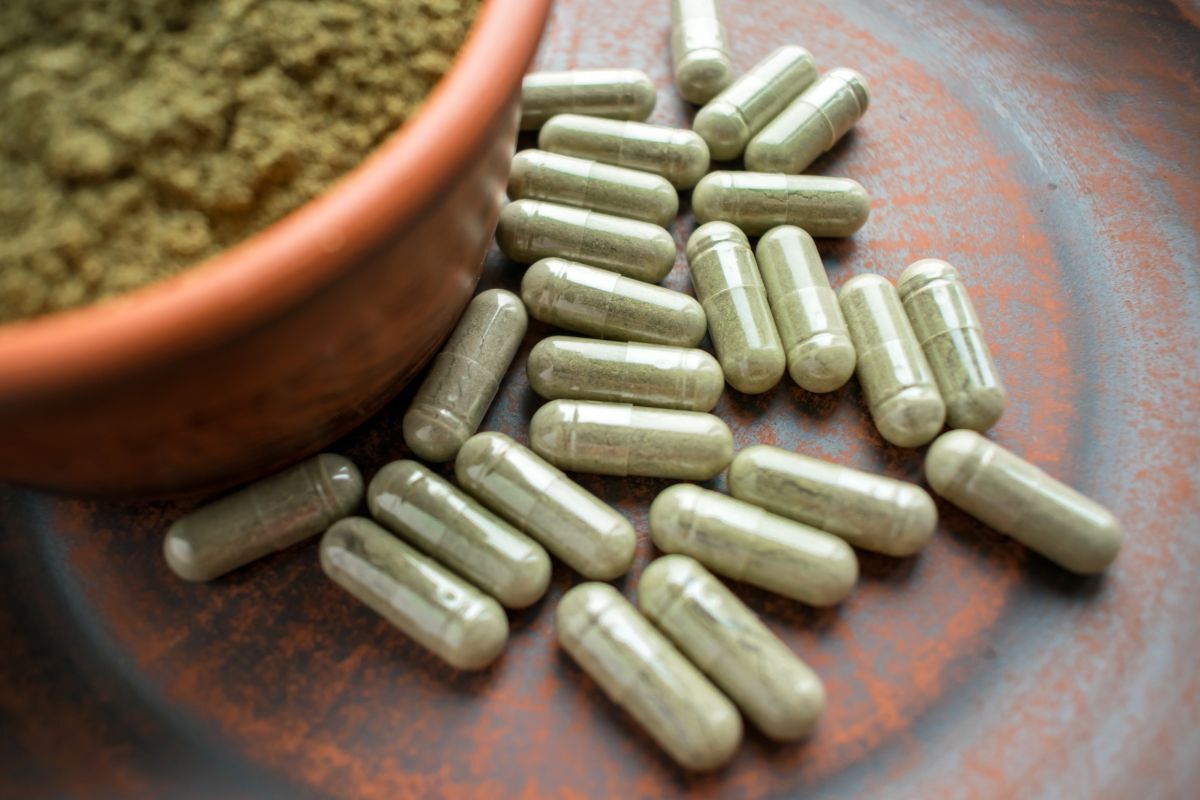
Kratom comes from a tropical tree native to Southeast Asia. Its leaves contain compounds that act on the same brain receptors as opioids. At lower doses, it can feel stimulating. At higher doses, it can feel sedating, even euphoric.
That’s part of what makes it tricky. The effects change depending on the amount taken, the person’s body chemistry, and whether it’s mixed with other substances.
Because kratom products aren’t regulated in the same way as prescription medications, potency can vary wildly. One batch might feel mild. Another might hit much harder, even if the amount looks the same. That unpredictability increases risk.
What is Kratom OD?
A kratom overdose doesn’t always look exactly like a traditional opioid overdose, but it can still be serious, even life-threatening. Risk goes up when:
- Large amounts are taken
- It’s mixed with alcohol, benzodiazepines, or opioids
- The person has underlying medical conditions
- The product is contaminated or unusually strong
In some cases, kratom has been involved in fatal overdoses — especially when combined with other depressant drugs.
That doesn’t mean everyone who uses kratom will overdose. But it does mean the risk is real and ignoring it doesn’t protect anyone.
Kratom Overdose Symptoms
One of the hardest things about a possible kratom overdose is that the symptoms don’t always look the same from person to person. It can affect several parts of the body at once, which makes it confusing and scary.
Often, the first signs show up in the stomach. Severe nausea, repeated vomiting, stomach pain, or sudden loss of appetite can all happen.
Neurologically, someone might seem extremely drowsy or hard to wake up. Or they might be confused, agitated, dizzy, or shaky. In rare cases, there can even be seizures or hallucinations.
You might also notice heart-related symptoms like racing or irregular heartbeat, high blood pressure, chest discomfort, or feeling faint.
The most serious warning signs involve breathing. Slow or shallow breathing, trouble staying awake, or not responding normally are red flags, especially if other substances were involved. If someone’s breathing becomes irregular, very slow, or stops, that’s an emergency. Call for help right away.
If you’re ever unsure whether it’s “serious enough,” err on the side of caution. It’s always okay to take safety seriously.
Can Kratom Kill You?
There have been reported deaths where kratom was present, and that’s important to acknowledge honestly. But in many of those cases, kratom wasn’t the only substance involved. Alcohol, opioids, benzodiazepines, or stimulants were often in the person’s system too. This is called polysubstance use, and it greatly increases the risk of something going wrong.
When substances are mixed, their effects don’t just add up, they can amplify each other in unpredictable ways. Drugs that slow the body, like alcohol or opioids, can stack together and dangerously suppress breathing. Even combinations that seem mild on their own can become risky when layered.
The takeaway isn’t panic, it’s awareness. Mixing substances is where the danger rises sharply. If you’re worried about someone combining drugs, that instinct to be concerned is coming from a very real place.
When Symptoms Become a Medical Emergency
It’s not always easy to tell when something has crossed the line from “not feeling well” to truly dangerous. Trust your gut here. If someone is extremely hard to wake up, not responding, breathing very slowly or irregularly, turning blue around the lips or fingertips, having seizures, or collapsing: that’s an emergency.
Breathing changes are the biggest red flag. If their breathing is shallow, uneven, or stops altogether, don’t wait to see if it improves. That’s the moment to act.
If you’re unsure whether it’s serious enough, err on the side of caution. It’s always better to overreact than to hesitate in a situation like this.
What to Do During a Suspected Kratom Overdose
First, call emergency services right away. Stay with the person. If they’re breathing but unconscious, gently roll them onto their side to prevent choking if they vomit. Try to keep them awake and responsive if you can.
If opioids might be involved, even if you’re not certain, use naloxone (Narcan) if it’s available. It won’t harm someone if opioids aren’t present, and it could save a life if they are.
Most importantly, don’t let fear of judgment stop you from calling for help. Medical teams are there to save lives, not to shame anyone. Acting quickly can make all the difference.
Prevention and Harm-Reduction
If someone is using kratom, the safest option is, of course, not using at all, especially if there’s a history of substance use or health concerns. But harm reduction also means meeting people where they are, not where we wish they were.
One of the biggest protective steps is avoiding mixing kratom with alcohol, opioids, benzodiazepines, or stimulants. Combinations are where risk rises quickly. Being honest with a healthcare provider about all substances being used can also make a real difference even if that conversation feels uncomfortable.
Pay attention to dose creep. If someone keeps needing more to get the same effect, that’s a sign that tolerance is building. Escalating doses increase the chance of overdose and dependence. Using highly concentrated extracts can also raise risk because they’re much stronger and less predictable than plain leaf products.
And maybe most importantly: don’t ignore warning signs. If kratom use is affecting mood, health, finances, or relationships, that’s worth addressing early. Support doesn’t have to mean judgment. It can simply mean saying, “I’m noticing this, and I care about you.”
When to Seek Professional Treatment for Kratom Dependence
It can be hard to know when use has crossed the line into something that needs real support. A good rule of thumb is this: if kratom is starting to control the person instead of the other way around, it’s time to look at getting help.
If someone is needing more to feel the same effects, feeling sick or anxious when they try to stop, hiding their use, or structuring their day around getting and taking kratom — those are signs of dependence. Withdrawal symptoms like irritability, insomnia, muscle aches, sweating, nausea, or strong cravings are also signals that the body has adapted and may need medical support to safely step away.
It’s also worth seeking professional treatment if kratom use is affecting work, school, relationships, finances, or mental health. You don’t have to wait for a crisis. You don’t have to wait for a medical emergency.
Getting help early can make the process gentler, safer, and far less overwhelming. And reaching out isn’t an admission of failure. It’s a step toward stability. Sometimes having medical guidance and emotional support makes all the difference between struggling alone and actually moving forward.
If kratom use is starting to feel out of control, for you or someone you love, you don’t have to face it alone.
At Avenues Recovery Centers, we provide compassionate, judgment-free support to help navigate dependence safely. Whether you have questions or are ready to explore treatment, reaching out is a simple first step toward healing.
You don’t have to wait for a crisis. Recovery can begin with one conversation.
Key Takeaways
- Kratom can be dangerous, especially at high doses or when mixed with other substances.
- Overdose symptoms affect multiple systems: gastrointestinal, neurological, cardiovascular, and respiratory.
- Kratom overdoses are unpredictable and can differ from classic opioid overdoses.
- Polysubstance use greatly increases overdose risk and severity.
- Seeking professional treatment early can make recovery safer and less overwhelming.
Frequently Asked Questions (FAQ)
Q: Can you really overdose on kratom?
A: Yes. High doses or mixing kratom with other substances can cause serious, potentially life-threatening symptoms.
Q: What are the signs of a kratom overdose?
A: Watch for extreme drowsiness, confusion, vomiting, rapid heartbeat, high blood pressure, shallow or slowed breathing, and seizures.
Q: How does kratom overdose differ from an opioid overdose?
A: Kratom effects are more unpredictable. Opioids often cause rapid respiratory depression, while kratom can cause a mix of sedation, nausea, agitation, and heart problems.
Q: What should I do if someone overdoses on kratom?
A: Call emergency services immediately. Keep them awake, if possible, monitor breathing, and use naloxone if opioids may be involved.
Q: When should someone seek professional treatment for kratom dependence?
A: If kratom use is controlling daily life, causing withdrawal symptoms, or affecting work, relationships, or health, professional help is recommended.
Q: How can I reduce the risk of kratom harm?
A: Avoid mixing substances, monitor dose escalation, and seek guidance from healthcare professionals if concerns arise.