

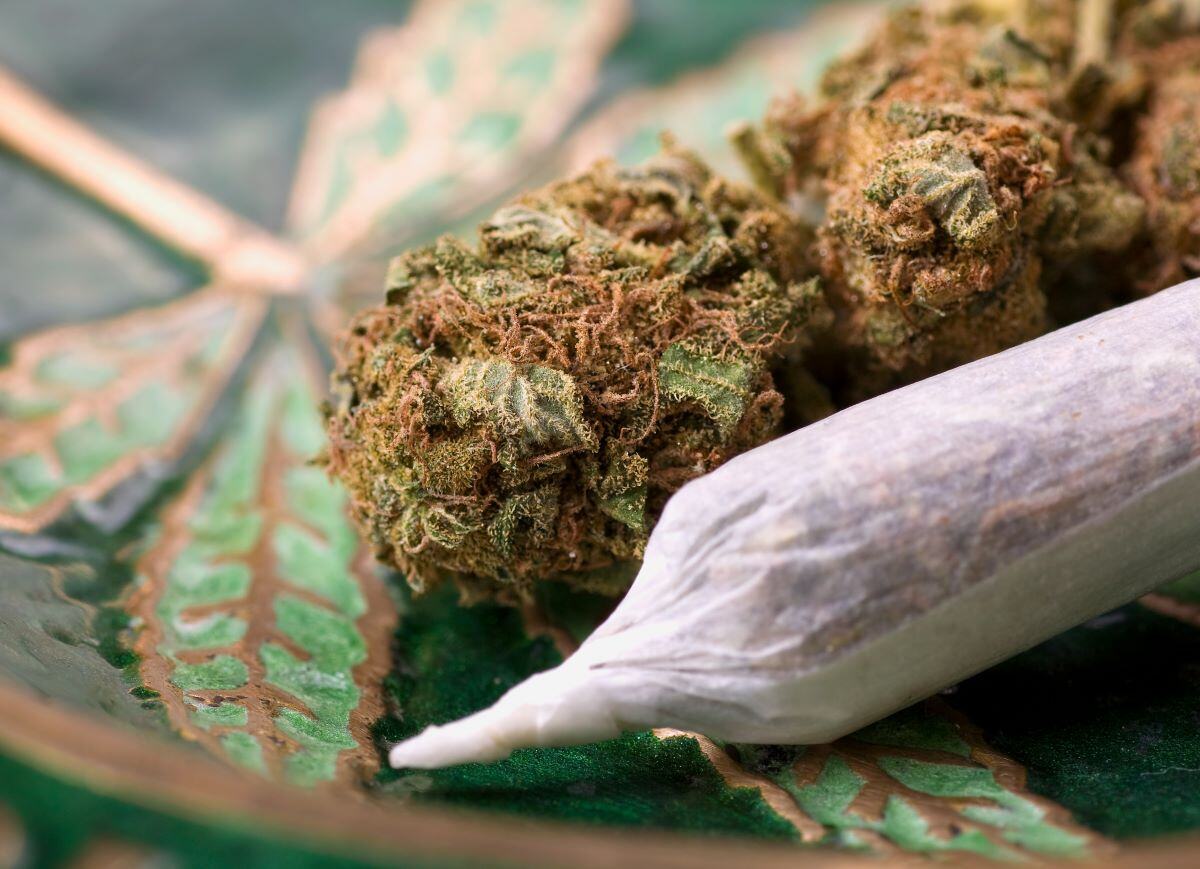
Marijuana is one of the most debated drugs today, legal in some states and banned in others. Because it is a natural substance, many people assume it is harmless, yet many non-synthetic drugs grow directly from the ground and still cause serious harm, including weed.
Due to the controversy surrounding marijuana and widespread misconceptions about its risks, quitting can feel more difficult than stopping other, more openly dangerous substances. Whether weed is used occasionally or daily, understanding the benefits of giving up weed can be a powerful motivator for change. Read this guide from Avenues Recovery, with expert guidance from licensed addiction professionals, to learn the risks of marijuana and the benefits of quitting weed.
Key Takeaways
- Regular marijuana, weed, or pot use can negatively impact mental, physical, and emotional health.
- Cannabis can be habit-forming, making quitting weed challenging without support.
- The benefits of quitting weed include better sleep, clearer thinking, improved mood, and renewed motivation.
- Giving up cannabis supports long-term health, improving lung and heart function, and emotional balance.
- Professional help makes quitting marijuana safer and more effective, especially for managing withdrawal and maintaining recovery.
How Does Weed Affect the Body?
The immediate after-effect of using marijuana is a pleasurable ‘high’, a euphoric sensation that causes people to take more of the drug when the effects wear off.
The short-term effects of weed are mood swings, increased heart rate, impaired cognitive function, loss of balance, and altered perception of senses.
The long-term effects of marijuana use include addiction, mental health disorders, respiratory and lung health issues, increased risk of cancer, and nausea and vomiting.
Is Marijuana Addictive and Can Dependence Develop?
There is much discussion about whether or not marijuana is addictive. Although weed is definitely not as addictive as alcohol, cocaine, and other hard drugs, it has been proven that people can become dependent on weed, which can lead to addiction.
People who use weed experience a pleasurable high for a short amount of time. Once the effects wear off, they will likely take another dose to recreate the euphoric feelings. With time, the body develops tolerance to the drug, meaning that the dose must be increased to produce the same effects.
Eventually, the body becomes dependent on weed, meaning that it cannot function optimally without it. This is because failure to take the regular dose causes intense withdrawal symptoms that are uncomfortable at best and dangerous at worst. At this point, the user is trapped- they cannot stop taking the drug, so essentially, they are addicted.
Understanding The Benefits of Giving Up Weed
If you are playing around with weed, you may be wondering what the benefits of quitting pot completely are. Whether you use weed occasionally at parties or take a fix every day, understanding the health benefits of giving up weed can help you feel motivated to quit.
8 Positive Effects of Quitting Marijuana
The positive effects of quitting weed include improved mental clarity, better sleep, and more energy. Below are some of the benefits you may experience if you choose to stop using weed.
Enhanced Mental Health
Chronic weed users report feeling paranoid, restless, anxious, and depressed. Ironically, people self-medicate with marijuana to deal with their mental health issues, but it only exacerbates those conditions in the long run. After quitting, brain function can steadily improve, restoring concentration, memory, and sound decision-making.
Improved Cognitive Function
Weed hampers brain function, affecting decision-making, concentration, memory, and the ability to absorb new information. After stopping weed, these functions improve slowly but steadily.
Stronger Physical Health
Weed users often crave sugary, fatty, and high-calorie foods. Additionally, when on a weed high, users are unlikely to engage in physical exercise and care for their bodies. Quitting weed clears the mind, leading to improved self-care and physical health.
Balanced Emotional Health
Mood swings are part of an addict’s life. The highs and lows of drug use are exhausting and leave users agitated, irritable, and jittery. Additionally, weed is often used to mask uncomfortable emotions, which promptly return after the high wears off. Dropping weed allows users to face and work through every difficult emotion.
Improved Respiratory and Cardiovascular Health
Prolonged misuse of weed harms the lungs and heart. Marijuana smoke fills the lungs with toxins and tar, leading to bronchitis and cancer. Heart rate increases when a person uses marijuana, which can cause a stroke or heart attack. One of the benefits of stopping smoking weed is that the lungs and heart begin to heal.
Financial Savings
Although weed is not a drug that causes people to go bankrupt, the expense of a constant supply of weed can add up over time. After quitting weed, you may notice that you’ll have more cash to go around.
Restorative Sleep
Insomnia and restlessness are common for marijuana users. Weed interrupts sleep patterns, causing exhaustion. Quitting weed allows you to enjoy a deep, restful, and restorative sleep.
Increased Productivity
Weed can make users feel sluggish and unmotivated. Combined with unhealthy eating habits and little sleep, marijuana may make users largely unproductive. Quitting weed results in raised energy and productivity levels.

How to Quit Weed
People who quit marijuana cold turkey often find that the withdrawal symptoms are too intense for sobriety to last. “White-knuckling sobriety” refers to when the addict desperately grasps sobriety with metaphorical white knuckles, as opposed to finding the tools and support needed to stay sober for the long term.
The most reliable way to stop using weed is through a professional rehab program. At Avenues Recovery, clients begin with medically supervised detox, allowing the body to safely adjust as withdrawal symptoms subside.
Support and Treatment for Quitting Weed Successfully
After detox, ongoing treatment is crucial for maintaining long-term sobriety. Avenues Recovery rehab centers offer personalized therapy plans, including one-on-one and group sessions, delivered by our highly qualified staff. Clients receive continued support and tools to address the root causes of addiction, navigate recovery successfully, and build a healthier, addiction-free future. Reach out today to take the first step toward an addiction-free life.
Frequently Asked Questions on The Benefits of Quitting Weed
Can quitting weed improve social relationships?
Yes. Many people find that regular marijuana use can cause social withdrawal. After quitting, users often reconnect more meaningfully with friends and family and feel more present in social situations.
How does quitting marijuana affect motivation?
Stopping marijuana can restore drive and focus. Users often notice renewed energy to pursue personal goals, hobbies, and career growth as the mind clears from THC’s effects.
Does quitting cannabis affect appetite?
Yes. Regular cannabis use can increase cravings for high-calorie or sugary foods. After quitting, appetite tends to normalize, making it easier to maintain healthier eating habits.
Can quitting weed help me think more clearly or be more creative?
Yes. Many people find that after quitting weed or pot, their thinking feels sharper and it’s easier to focus on projects or come up with ideas. Regular use can fog memory and problem-solving, so stopping often brings back mental clarity and creativity.
How does quitting weed influence stress?
Quitting weed helps users develop healthier ways to manage stress. Instead of relying on temporary highs, people often adopt strategies like exercise or mindfulness, which reduce anxiety and improve emotional balance.
Are there long-term cognitive benefits to quitting marijuana?
Yes. Long-term marijuana use can affect memory, attention, and learning. After quitting, many notice improvements in focus, decision-making, and information retention over time.