


May is Mental Health Awareness Month, but if you're struggling with your mental health, you don't need to wait for May to ask for help.
Sometimes, mental health struggles are obvious. Other times, they're almost impossible for anyone else to see. Someone can go to work, take care of their family, answer their texts, and smile when they're supposed to, and still be struggling deeply inside.
And for someone dealing with addiction, the picture can become even more complicated.
Mental health and substance use often affect each other. Anxiety, depression, trauma, and other mental health challenges can contribute to substance use, while ongoing drug or alcohol use can make mental health symptoms worse. When both are present, treating only one side of the problem can make lasting recovery much harder.
That's why mental health awareness matters, not just during one month of the year, but throughout the recovery journey.
What Is Mental Health Awareness Month, and When Is It?
Mental Health Awareness Month takes place every May. Mental Health America established the observance in 1949 to increase awareness of mental health and encourage people to recognize the importance of emotional well-being.
Over the years, Mental Health Month (as it is also known) has become an opportunity to talk more openly about mental illness, challenge stigma, and remind people that struggling with your mental health is nothing to be ashamed of.
And that last part matters.
For a long time, people have been made to feel that mental health problems are something they should hide or simply “get over.” Someone struggling with depression may be told to cheer up. Someone with anxiety may be told they're worrying too much. Someone with addiction may be labeled weak or lacking in willpower.
None of those responses help.
Mental health conditions are real health conditions. Addiction is a real health condition, too. Neither one is a character flaw.
How Mental Health Struggles and Substance Use Feed Each Other
Mental health and addiction don't always have a simple cause-and-effect relationship.
Sometimes, a person begins using drugs or alcohol because they're trying to cope with something painful. Alcohol might temporarily quiet anxiety. Drugs might provide an escape from trauma, loneliness, or emotional pain.
The relief may feel real in the moment.
But it doesn't last.
As substance use continues, it can create new problems and intensify existing ones. Relationships may become strained. Sleep can suffer. Anxiety or depression can worsen. Financial and legal problems can add even more stress.
Before long, the person may find themselves using substances not because they want to, but because they don't know how else to feel okay.
That's one way the cycle of mental health and addiction can develop.
And the cycle can work in the other direction, too. Substance use itself can contribute to changes in mood, anxiety, sleep, and emotional well-being.
This is one reason addiction treatment needs to look at the whole person, not just the substance they're using.
What Are Co-Occurring Disorders?
When someone is dealing with both a substance use disorder and a mental health condition, these are often called co-occurring disorders or a dual diagnosis. Co-occurring disorders can involve many different combinations of mental health and substance use conditions.
The important thing is that both problems deserve attention.
If someone is treated for addiction without addressing an underlying mental health condition, they may still be left with the emotional pain that contributed to their substance use in the first place.
On the other hand, treating a mental health condition while ignoring an active substance use disorder can make that treatment more difficult.
Integrated treatment allows professionals to look at both sides of the picture and create a recovery plan around the individual.
Why Is Mental Health Stigma So Harmful?
One of the biggest reasons people don't get help is stigma.
They may worry about what their family will think. They may be afraid friends will judge them. They may feel embarrassed to admit that they're not okay.
People struggling with addiction can face an additional layer of stigma. Addiction is still sometimes viewed as a choice or a moral failing rather than a complex health condition.
That shame can keep people silent. And silence can make things worse.
Talking about mental health doesn't mean you're looking for attention. Asking for help doesn't mean you're weak. And having a mental health condition doesn't define who you are.
You are still you. Your diagnosis doesn't erase your strengths, your relationships, your accomplishments, or your ability to heal.
How Can You Support Your Mental Health?
There isn't one magic solution that will make mental health struggles disappear. What helps one person may not be enough for another.
But there are small things that can make a difference.
Talk to Someone
You don't have to explain everything perfectly. Start with someone you trust and let them know you're having a hard time.
That might be a friend, family member, therapist, doctor, sponsor, or another person who makes you feel safe.
Sometimes the hardest part is simply saying, “I'm not doing as well as I look.”
Take Care of the Basics
When you're struggling emotionally, basic self-care can feel surprisingly difficult. Eating regularly, getting enough sleep, moving your body, spending time outside, and maintaining some structure in your day can give you a foundation to build on.
These things aren't substitutes for professional treatment when you need it. They're simply ways of supporting yourself along the way.
Pay Attention to Changes
Mental health symptoms don't always look dramatic.
Maybe you've stopped answering your friends. Maybe you're sleeping all day. Maybe you're constantly irritable. Maybe you don't enjoy things you used to love. Maybe you've started drinking or using drugs more often because it's the only time you feel relaxed. Those changes are worth paying attention to. You don't have to wait until you're in crisis before you ask for help.
Get Professional Support
A mental health professional can help you understand what's happening and figure out what kind of support makes sense for you.
And if addiction is part of the picture, look for treatment that addresses both substance use and mental health.
You deserve care for the whole person, not just one symptom.
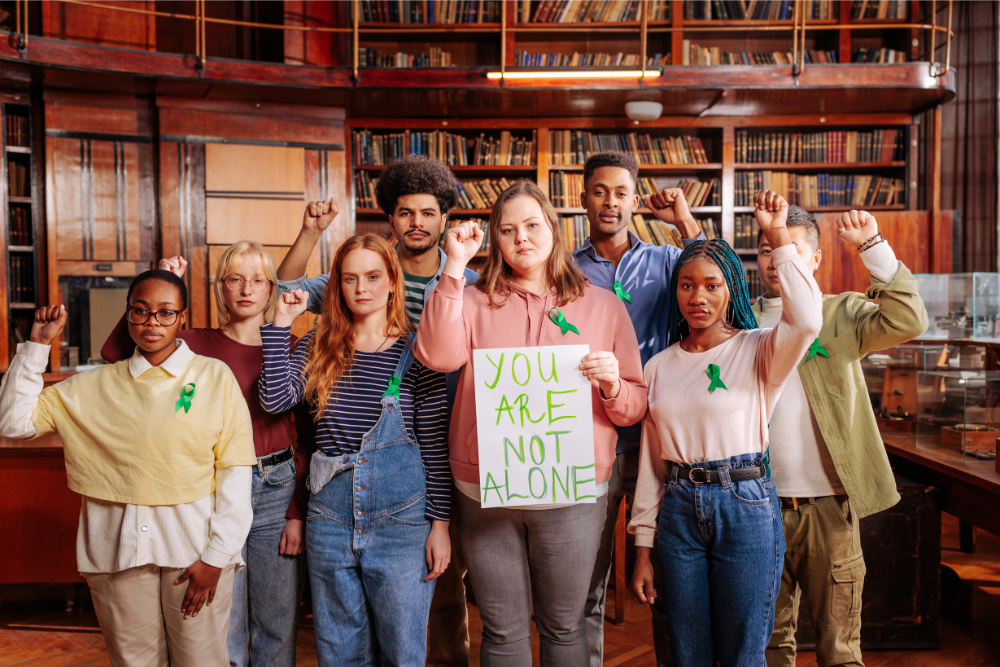
How Can You Help Someone Who Is Struggling?
If someone you love is struggling with their mental health or addiction, you may feel like you need to find the perfect thing to say.
You don't.
Start by listening.
Try not to judge, lecture, threaten, or minimize what they're experiencing. You don't have to agree with every decision they've made to let them know that you care about them.
You can say something as simple as:
“I've noticed you've been having a hard time lately. I'm here if you want to talk.”
Or:
“You don't have to figure this out by yourself. I'll help you find support.”
Sometimes knowing that someone is willing to stay beside you while you take that first step can make all the difference.
Mental Health Awareness Is About More Than May
Mental Health Awareness Month gives us a reason to start conversations that can be uncomfortable. But those conversations shouldn't end when May does.
If you're struggling with your mental health, you deserve support today.
If you're struggling with addiction and a mental health condition at the same time, you deserve treatment that recognizes both.
And if someone you love is struggling, you don't have to know exactly how to fix it. You can start by listening, showing compassion, and helping them find professional support.
Most importantly, remember this: struggling with your mental health doesn't make you broken, and addiction doesn't make you a bad person.
There is nothing shameful about needing help.
Don't Wait to Ask for Help
If you or someone you love is struggling with addiction, Avenues Recovery Centers is here to help. Our treatment programs include support for people dealing with both substance use and mental health challenges.
You don't have to have everything figured out before you reach out. Sometimes, the first step is simply telling someone, “I need help.”
And that's a perfectly good place to begin.
Key Takeaways
- Mental health and addiction can affect each other.
- Co-occurring disorders involve both mental illness and addiction.
- Addiction and mental illness are health conditions, not character flaws.
- Treating both issues can support lasting recovery.
- Asking for help is a sign of strength, not weakness.
Frequently Asked Questions
What is Mental Health Awareness Month?
Mental Health Awareness Month takes place every May to raise awareness, reduce stigma, and encourage people to seek support for mental health challenges.
How are mental health and addiction connected?
Mental health challenges can contribute to substance use, while drugs and alcohol can worsen mental health symptoms. The two can create a cycle that becomes difficult to break without support.
What are co-occurring disorders?
Co-occurring disorders occur when someone experiences both a substance use disorder and a mental health condition, such as depression, anxiety, PTSD, or bipolar disorder.
Can mental illness lead to addiction?
Mental health challenges don't automatically cause addiction, but some people may turn to drugs or alcohol as a way of coping with emotional pain or difficult symptoms. This can eventually lead to problematic substance use.
Can addiction make mental health worse?
Yes. Substance use can worsen symptoms such as anxiety, depression, mood changes, and sleep problems. It can also create additional stress in a person's life.
Why is mental health stigma harmful?
Stigma can make people feel ashamed or afraid to talk about what they're experiencing. That may prevent them from seeking help or getting treatment.
How can I support someone struggling with mental health or addiction?
Listen without judgment, let them know you care, and encourage them to seek professional help. You don't need to have all the answers to be supportive.
Can mental health and addiction be treated at the same time?
Yes. Treatment can address both substance use and mental health concerns together, helping people work on the challenges that may be affecting their recovery.