

Key Takeaways
-
Party addiction is a real condition that goes beyond just liking to go out. It often involves dependence on nightlife, excitement, and substances like drugs or alcohol.
-
Constant partying can take a toll on your health, relationships, and finances, leading to exhaustion, anxiety, and burnout.
-
Many popular party drugs such as MDMA, cocaine, and ketamine are addictive and can cause lasting harm to your body and mind.
-
Warning signs include feeling restless when you’re not out, needing substances to have fun, or putting parties before work or family.
-
Recovery is possible with the right help. Treatment focuses on detox, therapy, lifestyle changes, and ongoing support through programs like Avenues Recovery Center.
Is It Possible to Be Addicted to Partying?
Sounds kind of funny, right? But yes, it’s possible to have a partying addiction. For a lot of people, the thrill of nightlife with the music, the energy, and the escape from daily life provides a break from the monotony of the week. But for others, it can devolve into something much more dangerous: an addiction to the party lifestyle. Party addiction isn’t just about the events themselves, but very often the use of addictive party drugs, risky behaviors, and an endless cycle of seeking the next high. This lifestyle has serious consequences, both physical and emotional. If those weekends where you party too hard happen more and more frequently, you are doing damage to your brain and body. Break free of it, understand the addiction and its ties to substance abuse.
What is a Partying Addiction?
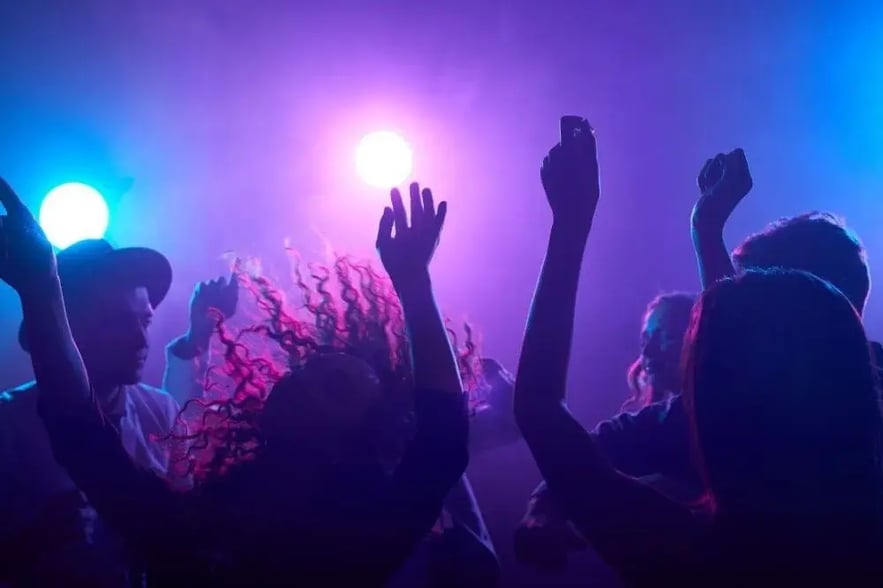
Party addiction is exactly what it sounds like: an unhealthy dependence on the nightlife and party lifestyle. Going out and enjoying social gatherings or an occasional night out is good for us, because we as humans are social creatures. But when you’re addicted to partying, it’s characterized by an obsessive need to attend parties, FOMO, and a desire to escape reality and seek thrills.
You know those people in school or college, who everyone knew were the partiers? Or maybe it was you. And the thing is, they probably don’t know they’re an addict. But their social life, identity, and even sense of happiness are tied to partying, and it will have a negative effect in other areas of their life.
I Feel Like I Need to Drink or Do Drugs Every Time I Go to a Party
So many people think “Can’t go to a party without getting messed up, right?” However, often people will turn to alcohol, party drugs, or stimulants to take them out of their normal state of mind, so the party will be more fun. Yes, parties are fun and create a sense of freedom, but for you or your friends who are addicted, this temporary high can spiral into a damaging routine, disrupting your relationships, finances, work responsibilities, and mental health.
What Are the Three Types of Addiction?
There are 3 main types of addiction: Substance, Behavioral, and Emotional/Psychological. Substances obviously are alcohol, coke, and meth, for example. Behavior could be shopping, sex, or gambling. And emotional is being codependent or OCD.
If you’re a party addict, that’s all three of those addictions together.
How Much Partying Is Too Much?
Partying goes from being a fun thing where you let loose a bit to an addiction when it starts getting in the way of the rest of your life. It usually happens subtly, when your need for excitement, escape, or euphoria takes priority over your responsibilities, relationships, and personal well-being. If you’re putting parties ahead of work, school, or family, feeling restless without the stimulation of nightlife, or you get FOMO every time you hear of a new party, it might be time to check yourself.
When partying too hard becomes a compulsion rather than a choice, it’s an addiction that requires intervention and support, including learning how to stop partying.
Signs of Partying Addiction
The most common signs of partying addiction include:
- Frequent Attendance: Consistently going out to parties despite other obligations or consequences.
- Prioritization: Choosing parties over work, school, family, or personal responsibilities.
- Substance Reliance: Regularly using alcohol or drugs to enhance the party experience or cope with social anxiety.
- Financial Strain: Spending excessive money on parties, clubbing, or related substances.
- Decline in Health: Experiencing physical exhaustion, poor diet, lack of sleep, or substance-related health issues.
- Emotional Dependence: Feeling restless, anxious, or unfulfilled when not partying.
- Neglecting Relationships: Damaging personal or professional relationships due to excessive partying.
- Escapism: Using the party lifestyle to avoid addressing emotional struggles or real-life problems.
- Loss of Control: Feeling unable to stop or reduce partying despite negative consequences.
What Are Party Drugs, and Are They Addictive?

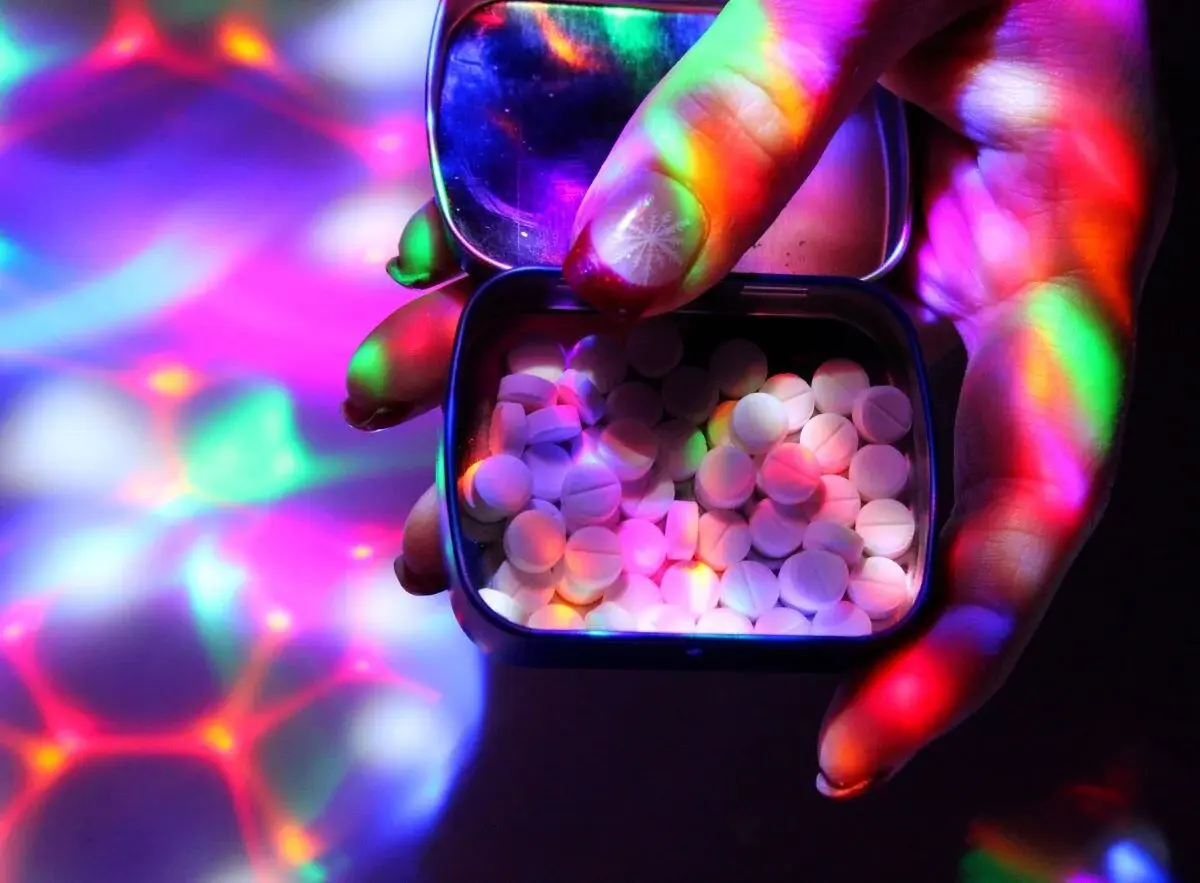
Party drugs (also known as club drugs or rave drugs) are recreational drugs commonly taken in nightclubs, raves, and electronic dance music parties. They enhance the overall party experience, cause feelings of euphoria, emotional warmth and closeness, self-confidence, and lowered inhibitions.
Common party drugs list:
- Ecstasy (MDMA): Known for creating feelings of euphoria, heightened sensory perception, and emotional closeness. However, Ecstasy can cause dehydration, hyperthermia, and long-term damage to serotonin levels in the brain.
- Ketamine: Originally an anesthetic, Ketamine induces a dreamlike state and is sometimes used for its hallucinogenic effects. Ketamine can lead to memory problems, bladder damage, and dependence when abused.
- LSD (Acid): A hallucinogen that alters perception and induces vivid visual or auditory hallucinations. Though not typically considered physically addictive, LSD’s psychological effects can be intense and unpredictable.
- Methamphetamine (Meth): A stimulant that increases energy, alertness, and confidence. Meth is highly addictive and can lead to severe physical and mental health issues.
- Marijuana: Commonly used in party settings for its relaxing and mood-enhancing effects. While not as immediately dangerous as other substances, frequent marijuana use can lead to dependence and impair cognitive function.
Is cocaine a party drug?
Yes, cocaine is definitely a party drug, and has been a party drug for a very long time. It’s a powerful stimulant that increases energy and confidence. Its effects are short-lived, leading to repeated use, which can cause heart issues, anxiety, and addiction.
What’s a good age to stop partying?
If your boyfriend, wife, husband, girlfriend, or friends party too much, or YOU find yourself taking Ecstasy or getting blackout drunk every weekend, it doesn’t matter what the party addict’s age is. As soon as you get to the point where you’re thinking about the next party, and finding the right drug for it, or you’re hungover at work every Sunday, you are at the right age to stop, whether you’re 18 or 58. Now is the time.
Treatment for Partying Addiction

Overcoming party addiction involves addressing both the behavioral patterns and potential substance use issues tied to the party lifestyle. Treatment often starts with acknowledging the problem and understanding its impact on various aspects of life, such as health, relationships, and responsibilities. From there, a combination of therapeutic strategies and support can help addicts regain control.
- Detox and Substance Treatment:
If party addiction involves drugs or alcohol, medical detox may be the first step to clear the body of harmful substances. This process is typically overseen by healthcare professionals to ensure safety and comfort. - Counseling and Therapy:
- Cognitive Behavioral Therapy (CBT) helps individuals recognize and change the thought patterns that drive their addictive behaviors.
- Motivational Interviewing (MI) encourages building internal motivation to make positive lifestyle changes.
- Group therapy provides support and accountability from peers who understand similar struggles.
- Developing Healthy Coping Mechanisms:
Many people use partying as a way to escape stress or emotional pain. Treatment focuses on identifying these underlying triggers and developing healthier ways to cope, like mindfulness practices, exercise, or creative outlets. - Social and Lifestyle Changes:
Breaking free from party addiction often involves reevaluating social circles and activities. Building connections with supportive, non-partying friends and exploring new hobbies or interests can create a more balanced and fulfilling lifestyle. - Support Groups:
Programs like Narcotics Anonymous (NA) or Alcoholics Anonymous (AA) offer structured support and guidance. Some groups specifically focus on younger individuals or those dealing with party culture. - Ongoing Aftercare:
Recovery doesn’t end after treatment. Regular check-ins with therapists, participation in support groups, and cultivating a strong, sober support network are key to maintaining long-term success.
Avenues Recovery Can Help You Overcome Partying Addiction
Party addiction can take over your life, leaving you stuck in a cycle of endless nights, substance use, and negative consequences. While it may feel like the only way to find happiness or escape from reality, this lifestyle can lead to significant harm to your physical and mental well-being. The good news is that recovery is possible. With the right support and resources, you can break free, rebuild a healthier life, and rediscover joy without the need for partying.
If you or someone you love is struggling with party addiction, or addicted to party drugs, Avenues Recovery Center is here to help. Our compassionate team offers personalized treatment plans designed to address both the lifestyle and substance-related challenges of party addiction. We have helped over 40,000 individuals break free of their addictions, and we can help you too. Take the first step toward a brighter future; contact Avenues Recovery Center today.
Party Addiction FAQs
Can you really be addicted to partying?
Yes. Party addiction is a real behavioral and emotional dependence on nightlife, social gatherings, and the excitement that comes with them. It often includes using drugs or alcohol to enhance the experience and can lead to serious consequences such as poor mental health, damaged relationships, and financial strain.
What are the signs of a partying addiction?
Common signs include going out constantly despite negative consequences, prioritizing parties over work or family, relying on substances to have fun, and feeling anxious or restless when not partying. Over time, this pattern becomes compulsive and difficult to control without help.
What causes someone to develop a party addiction?
Party addiction often starts as a way to escape boredom, stress, or emotional pain. The combination of stimulation, social validation, and substances can reinforce the behavior, making it difficult to stop even when it begins to cause harm.
Are party drugs addictive?
Yes. Many popular party drugs—such as ecstasy (MDMA), ketamine, cocaine, and methamphetamine—are highly addictive. Even substances that seem harmless, like marijuana, can lead to psychological dependence when used frequently in party settings.
Is cocaine considered a party drug?
Cocaine is one of the most common party drugs. It’s a stimulant that boosts confidence and energy but comes with dangerous risks including heart problems, anxiety, and addiction. Its short-lived effects often lead to repeated use in one night, increasing the chance of dependency.
How much partying is too much?
Partying becomes “too much” when it interferes with your responsibilities, finances, health, or relationships. If you feel like you can’t relax or have fun without partying—or if you experience FOMO when you miss one—it may be time to seek support.
At what age should you stop partying?
There’s no specific age to stop partying, but if the habit leads to substance use, hangovers that affect your daily life, or a constant need to escape reality, it’s time to make a change. Whether you’re 18 or 58, the right time to stop is when partying controls you instead of you controlling it.
What’s the treatment for party addiction?
Treatment usually includes detox (if drugs or alcohol are involved), therapy such as CBT or motivational interviewing, support groups, and lifestyle changes. Building healthier coping strategies and connecting with non-partying peers are key steps toward recovery.
Can Avenues Recovery help with party addiction?
Yes. Avenues Recovery Center offers personalized treatment for individuals struggling with party addiction and substance use. With professional detox programs, therapy, and long-term recovery support, Avenues helps people regain control and build a fulfilling, sober life.