


Repeated drug and alcohol use desensitizes a person over time, but in some cases, the opposite can occur. A person who once needed larger amounts of the substance to feel intoxicated may suddenly experience much stronger effects from much smaller doses. This phenomenon is known as reverse tolerance.
At Avenues Recovery, we've helped people through every stage of addiction and recovery, including challenges related to reverse tolerance. Our team specializes in addiction rehabilitation and understands how this condition can change the course of one’s recovery. We work to get to the root of what's driving substance use challenges and offer real, hands-on support every step of the way.
Key Takeaways on Reverse Tolerance
- Reverse tolerance is when the body becomes more sensitive to a substance over time and begins experiencing stronger effects from smaller doses.
- Reverse tolerance increases the risk of adverse reactions and overdose, even at lower doses.
- Liver damage from chronic alcohol use is one of the most common causes of reverse tolerance in long-term drinkers.
- Brain chemistry changes, genetics, age, and certain health conditions all play a role in the development of reverse tolerance.
- Anyone experiencing signs of reverse tolerance should seek professional help, as it can be a symptom of underlying health concerns.
What is Reverse Tolerance?
The definition of reverse tolerance, also known as drug sensitization, is when a person starts to feel stronger effects from drugs or alcohol after using them repeatedly, even in smaller amounts. This is the opposite of tolerance, where the body gets used to a substance and needs increasingly larger amounts to feel the same effects.
What Are the Causes of Reverse Tolerance?
There are several causes of reverse tolerance, with the main one being changes to brain chemistry caused by repeated exposure to substances such as drugs or alcohol.
Repeated exposure can make the brain more sensitive to a drug's effects. Genetics, which already influences alcohol sensitivity, can also play a role, as some people are naturally more likely to experience reverse tolerance.
Let's explore the full list of common causes of reverse tolerance:
Changes in Brain Chemistry
Recognized sources, such as the National Institute of Health (NIH), have conducted many studies proving that repeated use of certain substances can lead to changes in brain chemistry that increase sensitivity. For example, changes in neurotransmitter levels and receptor sensitivity can heighten the response to a drug.
Liver Function
The liver is responsible for metabolizing many substances. If liver function declines due to disease or damage (e.g., cirrhosis), the body may become less efficient at processing drugs, leading to increased sensitivity. Reverse tolerance liver damage is especially common among long-term alcohol users whose bodies can no longer process alcohol efficiently.
Accumulation of Substance
Some substances can accumulate in the body over time. As drug/alcohol levels build up, even small additional amounts can produce more pronounced effects.
Changes in Receptor Density
Repeated exposure to a substance can lead to an increase in the number or sensitivity of receptors in the brain, making the individual more responsive to the substance.
Psychological Factors
Mental and emotional states can influence how the body responds to substances. Increased sensitivity can sometimes be linked to changes in stress levels, expectations, or conditioning.
Health Conditions
Certain health conditions, such as neurological disorders, can affect how the body responds to drugs and other substances.
Age
Aging can affect metabolism and brain chemistry, potentially increasing sensitivity to substances. Aging has also been connected to increased sensitivity to alcohol.
Differences Between Tolerance and Reverse Tolerance
This chart clearly highlights the difference between tolerance and reverse tolerance:
|
Aspect |
Tolerance |
Reverse Tolerance |
|
Definition |
Decreased response to a drug with repeated use |
Increased sensitivity to a drug after repeated use |
|
Dosage Impact |
Requires higher doses to achieve the same effect |
Requires lower doses to achieve the same or greater effect |
|
Mechanism |
Cellular or metabolic tolerance |
Changes in brain chemistry or other physiological adaptations |
|
Common Substances |
Alcohol, opioids, stimulants, caffeine |
Alcohol (in some cases), stimulants, hallucinogens, and marijuana |
|
Onset |
Develops gradually with continuous use |
Can develop suddenly after prolonged use |
|
Examples |
A person needs more alcohol to feel drunk |
A person becomes more sensitive to the effects of alcohol over time |
|
Health Implications |
Can lead to an increased risk of overdose, dependency |
Can increase the risk of adverse effects even at lower doses |
|
Management |
Requires careful monitoring and possible dose adjustment |
May necessitate lowering the dose or discontinuing use |
Reverse Tolerance and Alcohol Addiction
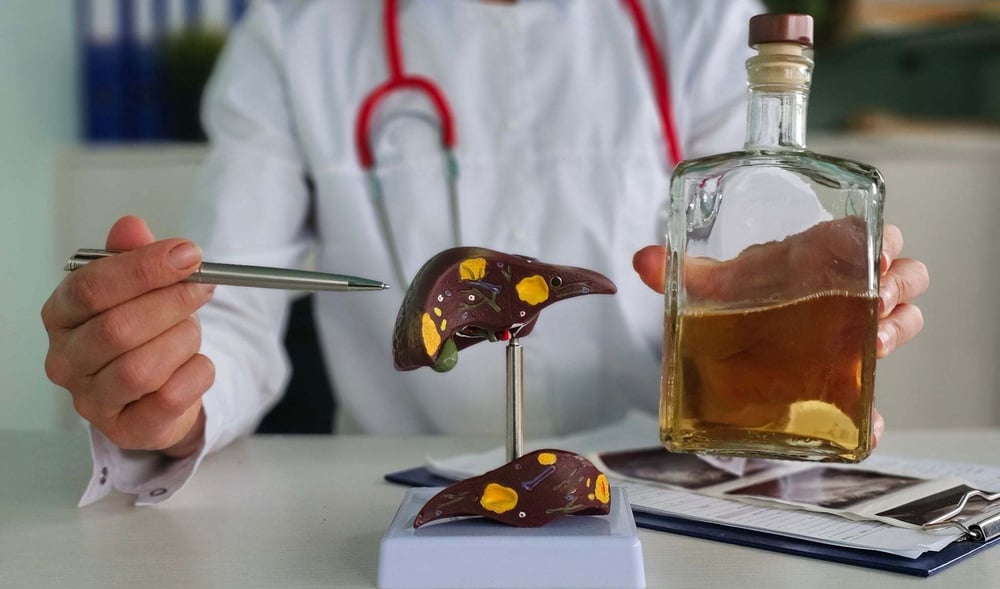
In the case of alcohol addiction, reverse tolerance can be particularly dangerous. Chronic drinkers may damage their liver, making it harder for their body to process alcohol. This means that smaller amounts of alcohol can lead to higher blood alcohol levels, causing stronger effects and increasing the risk of alcohol poisoning. This can create a dangerous cycle where the person drinks less but feels more intoxicated, worsening their health challenges.
Symptoms of Reverse Alcohol Tolerance
The reverse tolerance alcohol symptoms include:
- Increased Sensitivity to Alcohol: Feeling the effects of alcohol more quickly and intensely than before, even with small amounts of alcohol.
- Rapid Intoxication: Becoming drunk faster than usual, even with lower alcohol consumption.
- Severe Hangovers: Experiencing more severe hangover symptoms with milder drinking episodes.
- Physical Symptoms: Developing physical symptoms such as nausea, vomiting, or headaches with less alcohol.
- Liver Issues: Signs of liver damage such as jaundice (yellowing of the skin and eyes), abdominal pain, and swelling.
- Behavioral Changes: Increased irritability, mood swings, or depression aggravated by addiction and the body's heightened reaction to alcohol.
- Impaired Coordination and Judgment: Experiencing significant impairment in motor skills and decision-making abilities with minimal alcohol intake.
- Changes in Drinking Patterns: Needing to reduce alcohol consumption due to the body's adverse reactions.
If you or someone you know is experiencing these symptoms, it's important to seek medical advice, as it may indicate serious health problems.
Symptoms of Reverse Tolerance to Drugs
Reverse tolerance to drugs, also known as drug sensitization, happens when someone becomes more sensitive to a drug's effects with repeated use, needing smaller doses to feel the same effects. Some drugs with reverse tolerance include:
- Stimulants
- Opioids
- Hallucinogens
Symptoms include:
- Feeling the drug's effects more quickly and intensely with smaller doses
- Experiencing stronger side effects like nausea or dizziness
- Having behavioral changes like increased irritability or anxiety caused by addiction
There are also physical symptoms, such as:
- Sweating
- Tremors
- Heart palpitations
As a result, users might adjust their usage patterns to smaller doses taken more frequently. This heightened sensitivity also increases the risk of overdose. If these symptoms appear, get help immediately, as they may indicate serious health concerns.
Get Help for Reverse Tolerance and Substance Abuse
If you or a loved one suffers from reverse tolerance to drugs or alcohol, reach out to our experts at Avenues Recovery so we can guide you on your path to sobriety. Our caring and dedicated staff have helped over 40,000 individuals break free of their addictions, and can help you too! We specialize in creating personalized treatment plans to give every client a recovery journey tailored to them. Contact us today to join our vibrant recovery community and to begin treatment in a supportive and professional environment.
FAQs on Reverse Tolerance
What is a reverse tolerance example in real life?
A common example of reverse tolerance is a long-term drinker who suddenly starts to get drunk from one or two drinks after years of heavy drinking. This often happens when the liver has been through enough damage that it can no longer process alcohol the way it once did, causing smaller amounts to have a much stronger effect.
Is reverse tolerance dangerous?
Yes, reverse tolerance can be dangerous as the body’s response to a substance can become unpredictable. Somebody who thinks they know their limits may suddenly experience severe intoxication or overdose from quantities they previously handled with ease.
Can reverse tolerance happen with drugs other than alcohol?
Reverse tolerance is not exclusive to alcohol and can occur with drugs such as stimulants, hallucinogens, and opioids as well. In drug-related cases, the brain becomes more sensitive to the substance over time, which can cause even small doses to feel overwhelming.
Is reverse tolerance the same as drug sensitization?
Yes, reverse tolerance and drug sensitization are terms used to describe the same phenomenon. Both describe a pattern where repeated exposure to a substance makes the body more sensitive to its effects rather than less.
Can reverse tolerance develop suddenly?
Yes, reverse tolerance can appear to come on suddenly, even after years of regular substance abuse. There may be no warning signs until suddenly a familiar quantity of alcohol or a drug produces a much stronger reaction than expected.
Who is most at risk of developing reverse tolerance?
The people most at risk of developing reverse tolerance are people with long-term substance abuse histories, existing liver problems, or genetic predispositions. Age can also play a role as the body becomes less efficient at processing substances over time.