

Key takeaways:
- Phenibut is a non-FDA- approved drug that is not illegal in the United States.
- Many people think it’s safe to use, but it causes very serious physical and psychological effects.
- Most importantly, misusing Phenibut can cause physical dependence and addiction.
- Reach out to Avenues Recovery for more information and guidance.
What is Phenibut?
As a therapist, social worker, or certified addictions counselor, you keep your finger on the pulse of the latest trends and research so you can effectively help your clients. Since Phenibut is a relatively unknown drug, you may have heard about it recently for the first time, and are wondering what it is.
This article will explain what Phenibut is, the side effects of the drug, the withdrawal symptoms it causes, and the dangers of using it recreationally. At Avenues Recovery, we hope this article increases your awareness and confidence to help clients struggling with Phenibut misuse. We’d also like to applaud you for your commitment to helping your clients, and doing the relevant research to ensure you can be as effective as possible. As always, you can reach out to us at any time for more information, guidance, and advice- we’re always happy to hear from you!

Why do people use Phenibut supplements?
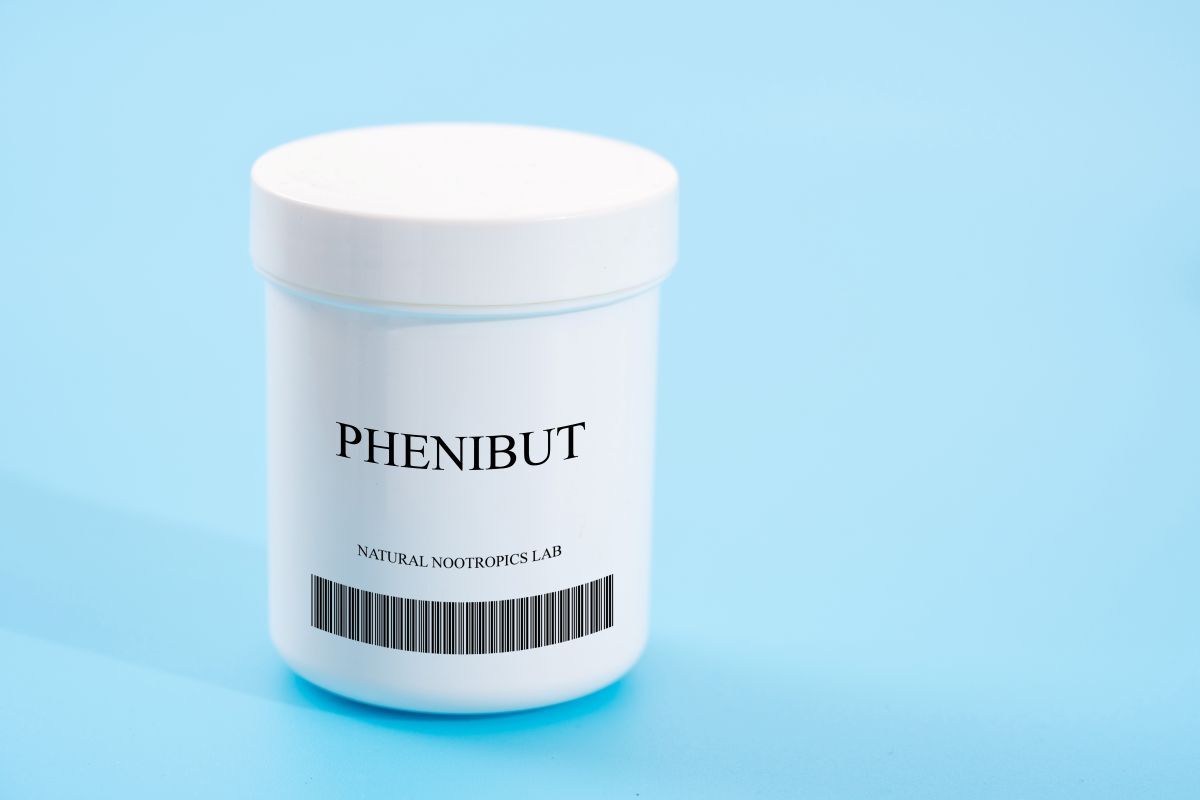
Phenibut is a non-regulated drug produced in Russia, which has a calming effect. It acts as an antidepressant, although it’s not FDA approved and therefore not used in clinical settings. It is marketed as an over-the-counter medication that can help people manage stress, anxiety, and insomnia. Users report feeling calmer, less tense, and less anxious.
Your client could be using Phenibut to help ease their social anxiety during social events, to help them manage stress at work, or cure the insomnia that keeps them up at night. Although some people are introduced to Phenibut by fellow drug-using friends, many find out about it because they are simply looking for ‘natural’ or over-the-counter help to ease certain issues in their lives.
How does Phenibut HCL work?
Phenibut is very similar in structure to natural GABA produced in the brain. As the pill is released into the brain, it mimics the sedating effects of GABA, and calms the brain and nervous system. It also can increase dopamine activity, producing the opposite effect of euphoria and excitement. It can relax natural inhibitions as well, which makes people feel more comfortable in social scenes.
Is Phenibut powder legal in the United States?
Phenibut is not illegal in the United States, but it’s also not FDA-approved for medical use. This means that anyone can buy, sell, or distribute Phenibut without breaking any law, but they may not market it as an FDA-approved drug. Because it is legal but not FDA-regulated, people think it must be safe to use.
The truth is that although the risk of addiction is relatively low (which is why it hasn’t been outlawed in the United States), Phenibut can lead to physical dependence, tolerance, and addiction. People who have become dependent on Phenibut report withdrawal symptoms when quitting, proving that their bodies have come to rely on the drug for regular functioning.
In certain countries like Russia, Latvia, Ukraine, Belarus, and Kazakhstan, Phenibut is actually prescribed to treat PTSD, anxiety, insomnia, and alcohol withdrawal symptoms. However, in Australia, Hungary, the United Kingdom, and Lithuania, the drug is controlled or even outlawed, highlighting its potential dangers and controversial nature.
Which Phenibut dosage is safe?
Your client may challenge you with this question. Usually, they’re asking because they want to be able to continue taking their drug of choice, so they’re trying to find out what dosage is safe. Unfortunately, there is no easy answer to this question. Firstly, because Phenibut has not been FDA approved, there hasn’t been any clinical study on the safety of different doses.
But perhaps more importantly, if your client is struggling with addiction to Phenibut (and possibly other substances, too) there probably isn’t any safe dosage for them. People who struggle with addiction usually can’t use drugs moderately- they often develop full-blown dependence and addiction after the first ‘safe’ dose. It’s likely that your clients will have to abstain from using Phenibut altogether, at least for the start of their healing journey, if they want to get better for good.
Phenibut side effects:
You may have heard about some potential effects of Phenibut from your clients, like muscle spasms, seizures, and increased heart rate. The problem is that there isn’t much research on the effects of Phenibut- anything reported is anecdotal and not studied in a clinical setting. Here are some effects your clients may report experiencing after using Phenibut: Dizziness, nausea, fatigue, difficulty breathing, delirium, confusion, loss of balance, and loss of consciousness.
As you can see, if your client is using Phenibut regularly for a long time, it will likely be detrimental to their health. It’s important to point out to your clients that putting the physical side effects aside, a very dangerous side effect of using Phenibut is dependence and addiction. As you already know, once the body develops tolerance to the drug, it can become dependent on it, leading to an addiction.
Phenibut withdrawal symptoms:
You may have heard your clients say they tried stopping their Phenibut use, but experienced difficult effects which made it hard to stay off. As you know, that’s called withdrawal symptoms. Their bodies have become dependent on the drug to function optimally, so stopping cold turkey is a painful adjustment.
Some withdrawal symptoms you may hear about are anxiety, heart palpitations, agitation, insomnia, delirium, and hallucinations. There have also been cases of more severe symptoms that were resistant to pharmaceutical interventions. As the professional, you can ensure your clients are safe, and have access to medical detox that can help them taper off the drug properly.
Phenibut addiction assistance:
As a mental health professional working with people who struggle with addiction, you already know how life-changing rehab can be. If your clients are struggling to get clean, you can refer them to Avenues Recovery rehab centers, where our professional, compassionate staff will help them undergo medical detox and start the journey to sobriety.
As you know, addiction recovery is a long and winding journey. At Avenues Recovery, we collaborate with other therapists and mental health counselors to achieve the best possible results for every client. We have vast experience with dual diagnosis, poly-substance abuse, and other mental health struggles, and offer a wide range of therapies and healing programs.
Please feel free to reach out with any questions or concerns you may have. We’re happy to help!
Your journey home begins today.