

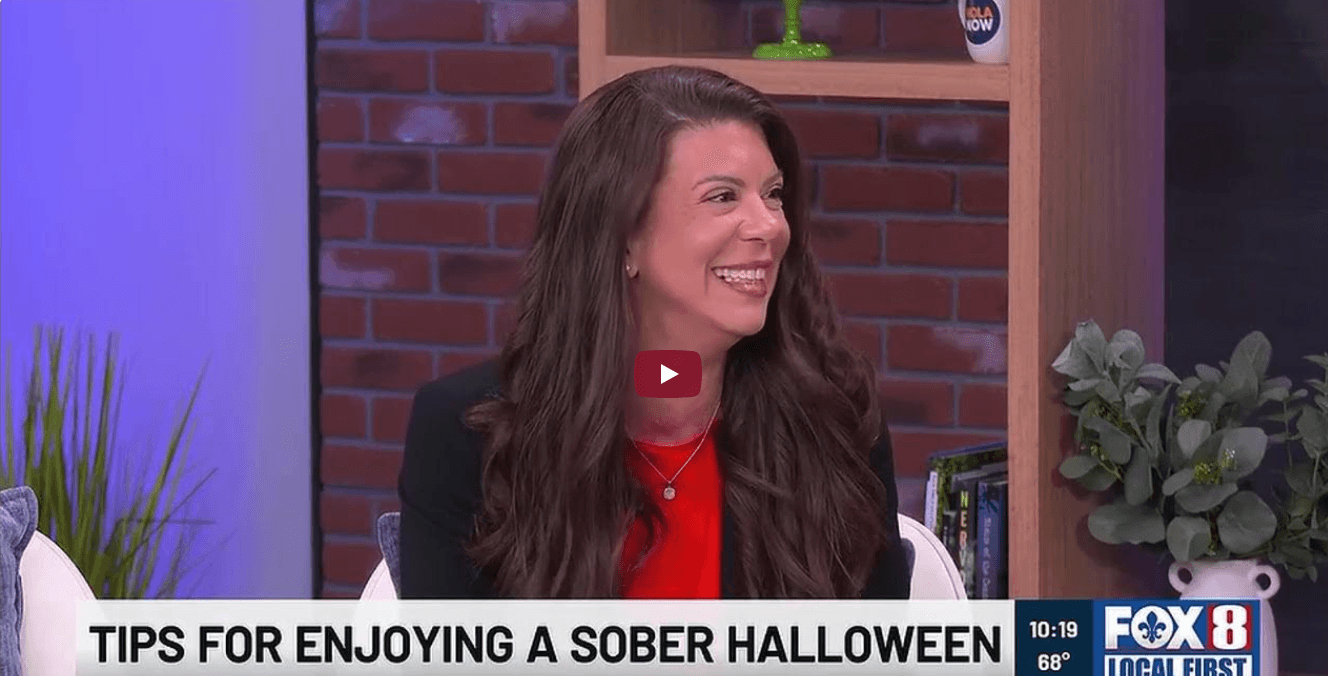
Staying sober at Halloween can mean navigating parties, drink offers, and social pressure while deciding what feels right for your recovery. For someone in early recovery, even an invitation from a close friend can bring questions: Will there be alcohol? What should I say if someone offers me a drink? What if I want to leave? Ahead of Halloween, Ashley Duncan-Soriano joined FOX8 on behalf of Avenues Recovery to discuss navigating these situations. Her message emphasized preparation, personal boundaries, and setting yourself up for success. As Ashley shared, “Sobriety can be scary on a random Tuesday.” Holidays can add another layer of uncertainty, making a plan especially valuable.
Why Planning Ahead Matters in Early Recovery
Halloween celebrations often involve environments where drinking is expected or encouraged. A familiar party may feel different when you are experiencing it sober, and other guests may not understand what you need. That does not mean every gathering will be uncomfortable. It means you deserve to consider your needs before committing to an invitation. Ashley highlighted practical steps such as arranging your own transportation, knowing it is okay to leave, and saying “No, thank you” when offered a drink. These choices give you options before a situation becomes challenging. The following tips build on those themes to help you prepare for Halloween parties and other social events in recovery.
Make a Sober Halloween Plan Before You Go
Start by learning what to expect. Ask where the event will take place, who will attend, and whether drinking will be a central activity. Consider whether the gathering fits your current needs and the recovery plan you have developed with your support network. Before heading out, decide:
- How you will get there and get home.
- Who you can contact if you need support.
- How long you would like to stay.
- What you will say if someone offers you alcohol.
- What you will do if you begin feeling uncomfortable.
You can also decide to skip the event. An invitation does not create an obligation, and choosing another activity can be a thoughtful way to protect your recovery.
Arrange Your Own Transportation
Having a reliable way home makes leaving easier. Ashley identified transportation as one practical part of preparing for a social event.If you attend with friends, discuss your plans beforehand so you are not depending on everyone being ready to leave at the same time. Depending on your circumstances, that might mean driving yourself, arranging a ride with a trusted person, or planning another reliable option. The goal is to have a realistic exit plan you can use whenever you need it.
Practice Saying “No, Thank You”
Declining a drink does not require a detailed explanation of your recovery. As Ashley discussed, a simple “No, thank you” can be enough. If it helps, practice a response before the event:
- “No, thank you. I’m good with this.”
- “I’m not drinking tonight.”
- “I’ll have a sparkling water, please.”
You can share more if you want to, but your personal history belongs to you. If someone keeps pushing after you decline, you can repeat your answer, move to another conversation, or leave.
Give Yourself Permission to Leave
Leaving early is a valid choice. You do not have to wait for a situation to become overwhelming before deciding you have had enough. Check in with yourself during the gathering. Are you enjoying the experience? Would stepping outside, calling someone, or heading home feel helpful? An exit can be brief: “Thanks for having me. I’m heading out.” You do not need to defend your decision. Ashley’s reminder that it is okay to leave offers a practical boundary for Halloween and celebrations throughout the year.
Stay Connected in Ways That Support Your Recovery
Protecting your sobriety can include making new social plans. Consider a pumpkin-carving night, a scary movie marathon, a costume dinner, or another activity where alcohol is not the focus.If you decline a party, try suggesting a different time to connect with someone you trust. Friends and family can help by respecting a declined drink, offering alcohol-free choices, and accepting an early departure without pressure. You can also plan a check-in with a supportive friend, sponsor, peer, or treatment professional, depending on your existing support network. Connection can look different as your needs change.