

Key Takeaways
- Counterfeit pills are fake medications that may contain fentanyl or other dangerous substances.
- Fake drugs can cause overdose or poisoning — call 911 if someone has trouble breathing or won’t wake up.
- You can spot fake tablets by checking markings, color, texture, and packaging.
- If you think a pill is fake, don’t take it — follow the steps in the section:
What To Do If You Think a Pill Is Fake - Avenues Recovery offers support and treatment for anyone affected by counterfeit pills or substance use.
Taking a pill often feels reassuring — you expect relief, safety, and predictable results. But many people never think about the growing danger of counterfeit medications. Fake pills have become increasingly common, especially through unregulated online sellers and street markets, and they often look nearly identical to real prescription medications. Some contain fentanyl, xylazine, or other toxic ingredients that can cause serious harm, even in tiny amounts.
Knowing how to tell if a pill is fake can help protect you and the people you care about.
What Are Counterfeit Pills?
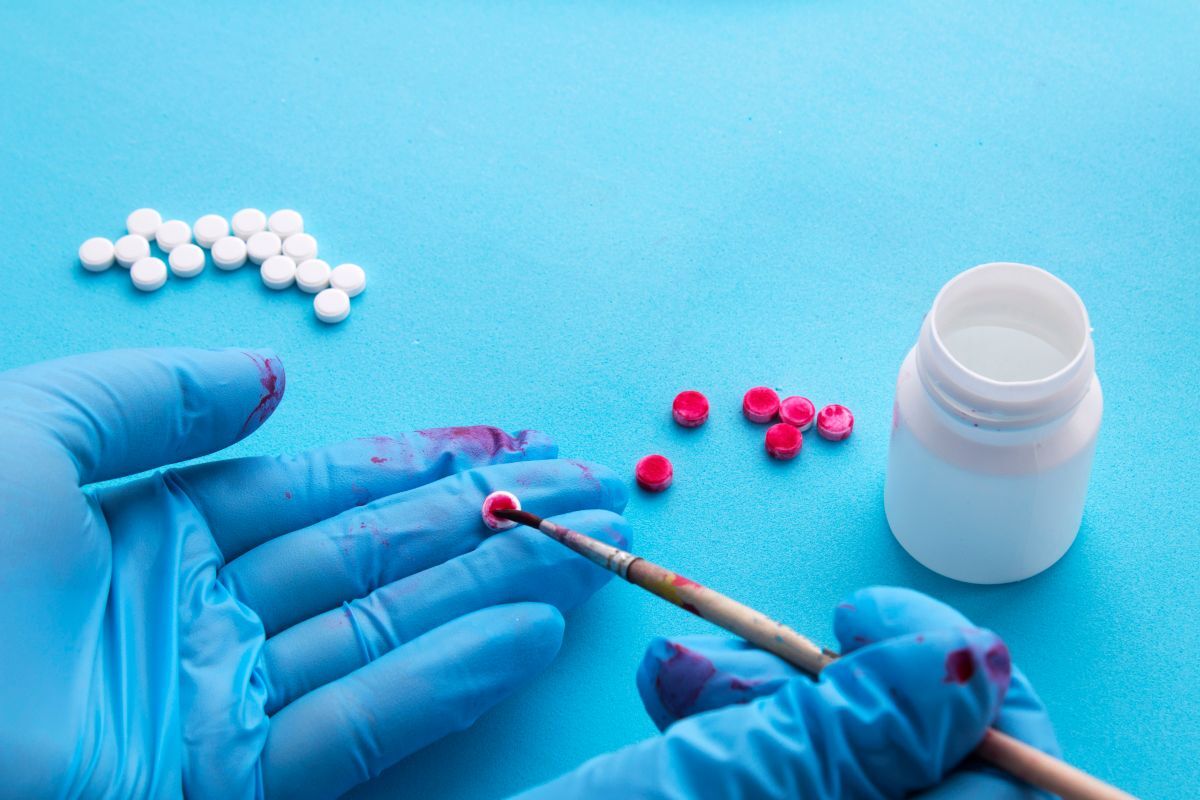
Counterfeit pills — also called fake drugs or fake tablets — are made to look like real prescription medications. They often copy the shape, color, and imprint of legitimate pills, but the ingredients inside are unpredictable and unregulated.
Fake pills enter the market through social media, unverified online sellers, street dealers, and illicit labs. They’re often shared between friends too, spreading the potential harm.
Because these pills are made without oversight, there’s no quality control, no dosage accuracy, and no way to know what you’re actually taking. Many counterfeit pills are pressed with fentanyl, which is extremely potent and can be deadly even in tiny amounts.
Why Fake Pills Are Dangerous
Fake pills are dangerous because you never know what’s actually inside. Risks include:
- Fentanyl contamination
- Xylazine (“tranq”)
- Wrong dose — too strong or too weak
- Toxic fillers
- Delayed medical care
- High overdose risk
Illicit manufacturers often add fentanyl because it’s cheap, potent, and easy to press into tablets. Even a few grains can dramatically increase the “strength” of a pill, which is why so many counterfeit tablets lead to accidental overdose.
This is why learning how to identify counterfeit drugs is so important.
If you want to understand more about how substances are misused or altered, Avenues Recovery’s Substance Guide offers simple, clear explanations.
Common Pills That Are Frequently Counterfeited
Counterfeiters often copy medications that are in high demand. Some of the most commonly faked pills include:
- Oxycodone (Percocet, “M30s”)
- Xanax
- Adderall
- Vicodin
- Klonopin
- Painkillers and anxiety medications
- ADHD stimulants
These pills may look almost identical to the real version, which makes careful checking essential.
How To Tell If a Pill Is Fake: Visual Red Flags
If you’re trying to figure out how to tell if a pill is fake, start with a simple visual check. Fake tablets often have small details that just feel “off.”
1. Markings and Imprints
Real pills have clean, sharp, consistent markings. Watch for:
- Blurry or shallow imprints
- Wrong numbers or letters
- Misspellings
- Logos that look slightly different
- Uneven spacing
A note about Xanax: Fake Xanax bars are extremely common. They often have flat letters, chalky texture, or break apart too easily. This is just one example of how subtle the differences can be.
2. Color and Shape
Check for:
- Color that looks too bright, too dull, or uneven
- Spots or speckles
- Pills that look different from your usual prescription
- Irregular shapes or edges
Real medications are made with strict quality control. Inconsistencies are a major warning sign.
3. Texture and Smell
Fake tablets often feel different. Red flags include:
- Crumbly or chalky texture
- Powdery residue in the bottle
- Pills that break too easily
- Strong chemical or bitter smell
Most real medications have little to no odor.
4. Packaging Red Flags
Counterfeit pills also often come in packaging that looks slightly wrong. Look for:
- Missing labels
- Spelling mistakes
- Wrong fonts or colors
- Broken or damaged seals
- Loose pills in a baggie or unmarked bottle
- No lot number or expiration date
If your prescription normally comes in a sealed bottle or blister pack, anything different should raise concern.
Why Visual Checks Are Not Enough
Even if a pill looks perfect, it can still be fake. Counterfeiters can use advanced machines to copy the look of real pills.
This means that you can’t confirm safety by appearance alone - a pill can look real and still contain dangerous illicit drugs. Only licensed pharmacies can guarantee authenticity.
If something feels wrong, trust your instincts.
If you want more guidance on how to recognize and avoid fake medications, review the FDA’s guidance on counterfeit medicine.
What To Do If You Think a Pill Is Fake
If you suspect a pill is counterfeit, do not take it. First compare it using a trusted pill identifier (like the FDA’s) and then call your pharmacist for verification. If you learn that the pill is counterfeit, dispose of the pill safely. And if you already took it and feel off, get medical help right away.
If someone has trouble breathing, blue lips, or won’t wake up, call 911 immediately.
For more information on the dangers of counterfeit pills, the DEA’s One Pill Can Kill campaign offers clear, up‑to‑date guidance.
When To Treat It as an Emergency
Call 911 immediately if you notice:
- Slow or stopped breathing
- Extreme drowsiness
- Confusion
- Chest pain
- Seizures
- Unresponsiveness
These all may be signs of fentanyl poisoning or overdose.
How To Prevent Fake Pill Exposure
You can lower your risk of taking a fake pill by always keeping these precautions in mind:
- Only fill prescriptions at licensed pharmacies.
- Don’t buy pills from friends, parties, or social media.
- NEVER buy medications from unverified online sellers.
- Check that your medication looks the same after each refill.
- Ask your pharmacist if anything looks different.
Why do people sometimes turn to unsafe pills? Avenues Recovery’s Understanding Addiction page explains it in simple, clear language.
For additional support, SAMHSA also offers a 247 national helpline for substance use concerns.
Avenues Recovery Can Help
If you or someone you love has been affected by counterfeit pills or substance use, Avenues Recovery is here to help. Our medical and clinical teams provide safe detox, personalized treatment, and long‑term support. We meet you with compassion, respect, and real experience.
You don’t have to face this alone – we’re ready and waiting to walk with you.
Learn more about our programs, or reach out today to get the help you need.