

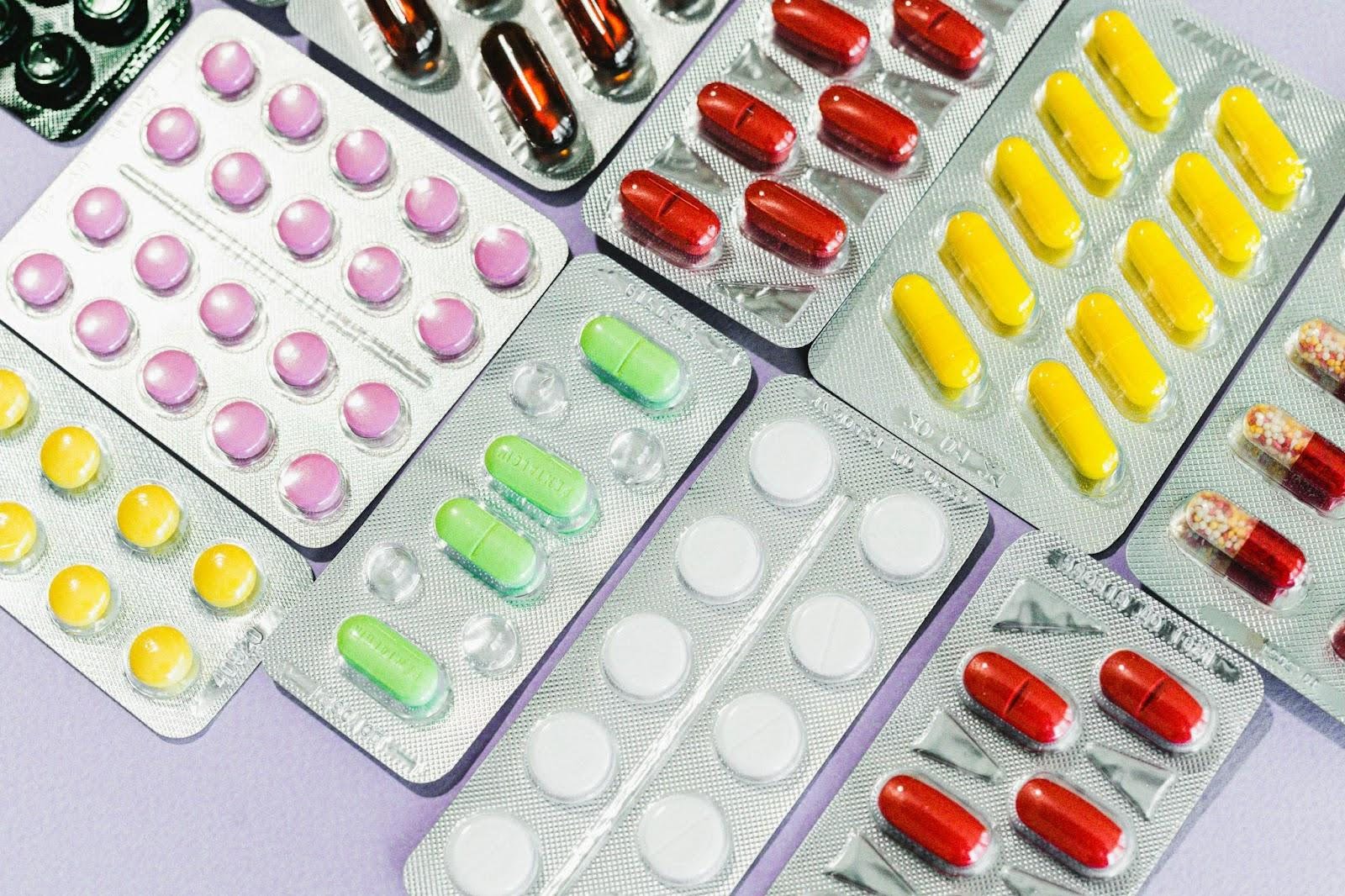
Although Gabapentin overdose is less common than overdoses from other drugs or opioids, it is still possible. Gabapentin is widely prescribed to help manage medical conditions, but like any medication, it also carries the risk of misuse. The risk increases when Gabapentin is abused or combined with alcohol or other substances like opioids. Since both alcohol and Gabapentin are depressants that slow nerve activity, their combined effects can be much stronger, increasing the chance of overdose or toxicity. This is why a person can overdose on Gabapentin and why recognizing the warning signs and knowing how to respond is crucial. Read this informative guide from Avenues Recovery to learn more about Gabapentin overdose and how to stay safe.
Key Takeaways on Gabapentin Overdose
- Gabapentin misuse can quickly become dangerous, especially when mixed with alcohol or other drugs.
- Gabapentin overdose suppresses vital nerve activity, putting breathing, heart rate, and overall body function at risk.
- Common gabapentin overdose symptoms include sedation, dizziness, slurred speech, and mood changes.
- Gabapentin overdose can occur even at lower doses, especially in children, older adults, or those with kidney or liver issues.
- Emergency treatment and addiction support are available to manage symptoms and prevent future overdoses
Why Would Someone Overdose on Gabapentin?
According to the Centers for Disease Control and Prevention, 90% of opioid deaths involve the use of Gabapentin. Although Gabapentin is not classified as a controlled substance by the DEA (Drug Enforcement Administration), it can still be abused. Interestingly, Gabapentin is chemically similar to Pregabalin (Lyrica), which is a Schedule V substance. There are several reasons why someone might abuse Gabapentin, resulting in overdose:
- It produces a sense of euphoria
- It creates a calming and relaxing effect
- It acts as a sedative
- It enhances one’s mood
- It encourages sociability and friendliness
Gabapentin Overdose Side Effects
When one takes Gabapentin in toxic amounts, or in conjunction with other drugs or alcohol, all vital bodily functions are slowed. This is because Gabapentin suppresses nerve activity.
Common Gabapentin overdose symptoms include:
- sedation
- dizziness
- double or blurred vision
- increased heart rate
- nausea and/or vomiting
- drowsiness
- diarrhea
- slurred speech
- labored breathing
- rapid heart rate
- ataxia-loss of control of bodily movement
- low blood pressure
Gabapentin overdose can usually be managed and treated easily. However, as with other drugs, the reactions and circumstances vary according to the individual. For individuals with kidney or liver problems, an overdose can be particularly dangerous and potentially lethal. Children and older adults are also at a higher risk of complications compared with healthy adults.
Warning Signs of Gabapentin Overdose or Abuse
A person struggling with a Gabapentin overdose or misuse may show a combination of mental, emotional, and behavioral warning signs.
Mental and Emotional Signs of Gabapentin Overdose
- Suicidal thoughts or statements
- Wanting to be left alone
- Withdrawing from family and friends
- Extreme mood swings
Behavioral Signs of Gabapentin Overdose
- Taking Gabapentin in higher doses than prescribed
- Ingesting gabapentin more frequently than prescribed
- Stockpiling pills or buying firearms
- Increasing alcohol or drug use
Being aware of these signs is crucial. If you notice any of them in yourself or someone you care about, it is important to seek help immediately.
Gabapentin Toxicity
To avoid ingesting too much of the drug, it’s important to know how much Gabapentin it takes to overdose. The following chart provides general guidelines for the maximum daily intake of Gabapentin for a healthy adult:
|
Medical Condition |
Maximum Daily Dose of Gabapentin |
|
Epilepsy |
2,400–3,600 mg |
|
Restless Leg Syndrome (RLS) |
600 mg |
|
Nerve pain after shingles |
1,800 mg |
Even if one takes less than the maximum dose, an overdose is still possible, especially if the drug is mixed with other drugs or alcohol. If gabapentin is taken together with opioids or alcohol, the results can be deadly, and if it doesn't kill you, it increases the risks of dangerous side effects.
Emergency Response to a Gabapentin Overdose
In case of Gabapentin overdose, immediate treatment is required. If you or someone you know has overdosed on Gabapentin, seek medical advice immediately. Keep the patient awake and alert and in a comfortable position until they receive medical attention. If the patient is unconscious, perform the following steps:
- Roll the person onto their left side
- Bend their right leg so that the hip and knee are at right angles
- Tilt their head back to keep the airways open
- Keep calm and reassure the patient
- Remain with the patient until medical personnel take over
In the emergency room, further inspection will be carried out to determine the level and severity of the overdose.
Medical Treatment for a Gabapentin Overdose
Gabapentin overdose side effects can be distressing, difficult to manage, and in some cases even life-threatening. It must be addressed instantly to avoid significant or long-term complications.
Gabapentin overdose treatment may comprise the following actions:
- Helping the patient maintain an open airway, administering supplemental oxygen, and ventilation assistance
- Removing Gabapentin from the system by using activated charcoal or gastric lavage
- Treating coma or stupor
- Helping with the management of overdose symptoms such as delirium, agitation, or confusion
- Protecting the patient from further harm or self-injury
Recover From Gabapentin Addiction at Avenues Recovery
If you are struggling with Gabapentin addiction, you don’t have to face it alone. Avenues Recovery has many centers across the U.S., so you can find care close to where you live. Our team can help you find the program that fits your situation and needs best.
At Avenues Recovery Center, you’ll be supported every step of the way by a caring and experienced staff who understand what you’re going through. Your recovery plan will be personalized, with a variety of therapies designed to give you the best chance at lasting success. Thousands of people have overcome addiction with our help, and you can too. Reach out today to explore your options and take the first step toward a healthier, sober life.
Frequently Asked Questions on Gabapentin Overdose
What does gabapentin overdose toxicology involve?
Gabapentin overdose toxicology studies how an overdose affects the body. It helps doctors understand the impact on the brain, nerves, and vital organs and guides them in providing the safest treatment.
Can gabapentin kill you?
Yes, Gabapentin can be fatal in certain situations. Taking too much, especially with alcohol or opioids, can slow breathing and heart rate to a dangerous level.
How long does gabapentin stay in the system after an overdose?
Gabapentin stays in the body for around 24 to 48 hours, but this can vary based on dose, kidney function, and individual metabolism.
Can a gabapentin overdose cause long-term brain or nerve damage?
While a severe gabapentin overdose may lead to complications affecting the brain or nerves, lasting damage is uncommon with prompt medical treatment.
What are the safest ways to taper off gabapentin to avoid the risk of overdose?
The safest way to taper off gabapentin to avoid the risk of an overdose is to gradually reduce the dose under medical supervision.