


Addiction is a dangerous disease for everyone. However, the risks for pregnant women greatly increase. Any food, drink, or substance a pregnant woman puts into her body can reach the fetus and cause long-term effects. The surgeon general warns that children exposed to alcohol in utero may struggle with neurological and physical disorders for the rest of their lives.
While addiction treatment is recommended for anyone suffering from Substance Use Disorder (SUD), for a pregnant woman, it is especially important. A safe environment during this delicate time is paramount for the health of both mom and baby. Seeking help during pregnancy can feel intimidating, but reaching out is a sign of strength, not failure. Addiction treatment for pregnant women is about protecting both you and your baby while giving you the support you deserve. Join the addiction experts at Avenues Recovery as we explore how pregnant women can access treatment that is safe and supportive, giving both them and their baby the best chance in life.
Key Takeaways on Addiction Treatment for Pregnant Women
- Substance use during pregnancy can increase the risk of complications for both the mother and baby, including premature birth and developmental challenges.
- Medically supervised addiction treatment during pregnancy is generally considered the safest and healthiest option for both mother and baby.
- Many addiction treatment programs for pregnant women include coordinated prenatal care to support both recovery and healthy fetal development.
- Delaying addiction treatment until after childbirth can increase health risks, while seeking help during pregnancy can improve outcomes for both mother and child.
Health Risks of Pregnancy and Addiction
There are many health risks associated with prenatal exposure to drugs and alcohol. The placenta, an organ that transfers oxygen and nutrients from mother to fetus, can also filter harmful substances through to the fetus. Substance abuse in pregnancy may be linked with higher stillbirth and miscarriage rates, and respiratory illnesses and birth defects are common. Learning issues, developmental delays, and congenital disabilities are all amongst the potential effects of using drugs while pregnant.
Another risk to babies exposed to opioids before birth is Neonatal Opioid Withdrawal Syndrome (NOWS), a dangerous and sometimes fatal condition. Data also suggests that babies exposed to addictive substances are more prone to Sudden Infant Death Syndrome (SIDS). Exposure past the first trimester increases the risk 12-fold.
Can I Get Help for Addiction When Pregnant?
Pregnancy, at its simplest, is stressful. When combined with addiction treatment, it can be overwhelming. A woman can have a million scary questions about what addiction treatment will mean for her health and the health of the life she is bringing into the world. You may wonder if it is safe, what it entails, and if the clinicians will be sensitive to your condition.
- Will I have access to my ob-gyn and good prenatal care?
- What are the legal consequences of admitting to Substance Use Disorder (SUD) while pregnant?
- Are medications used in addiction treatment healthy for my baby?
- Is detox even an option at this point?
- Maybe I should just wait till after the baby is born and then concentrate on getting better?
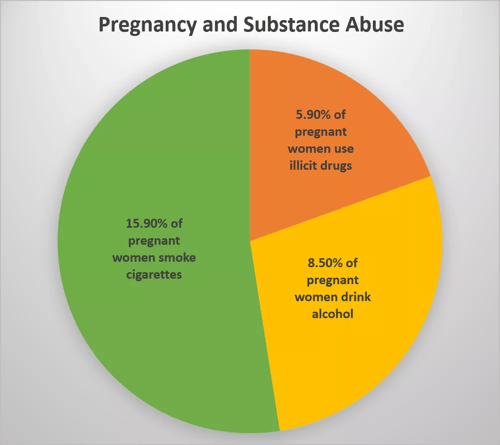
These are all important and valid questions. Let’s address them.
Is Addiction Treatment Safe for Pregnant Women?
Addiction treatment is safe for pregnant women when licensed medical professionals supervise care. The effects of drug withdrawal in pregnancy can be risky, but doctors will tailor treatment plans based on the substance used, pregnancy stage, and maternal health to ensure safe outcomes for everyone.
Don’t be afraid to ask a treatment facility how their program will address your specific needs. Suitable treatment programs will walk you through their protocol for detox, what medications are appropriate, and the measures they will take to keep you and your unborn child safe. Their clinicians will display sensitivity, empathy, and compassion throughout. Find a place staffed by people who care and who are prepared.
Is Detox Safe During Pregnancy?
Detox during pregnancy can be dangerous. It can cause early labor and other complications. Safe pregnancy detox should take place only in a medically supervised and professional environment, such as at the Avenues drug detox center. This will wean the body from the opiate dependence without shocking the system.
Due to the increased risk of relapse, the fact that two lives are at stake, and the potency of street drugs nowadays, Medication-Assisted Treatment (MAT) is the accepted and safest way to treat pregnant clients in almost all cases. Medications used include Subutex, Suboxone, & Sublocade. Methadone is also an accepted treatment for opioid addiction during pregnancy, but can only be obtained from a Methadone Treatment Program.
Will I Have Access to Good Prenatal Care During Treatment?
Facilities offering drug rehab for pregnant women will work closely with a client’s ob-gyn. They will provide transportation, facilitate appointments, and closely monitor the baby’s health.
Additionally, the baby’s heart rate and other vital signs will be continuously monitored. Some questions the staff will ask during pregnancy rehab include:
- Do you feel the baby move?
- Are you having contractions?
- Are you having any vaginal bleeding?
- Do you have fluid loss or rupture of membranes?
Should I Wait Until After the Baby is Born to Start Treatment?
Absolutely not! The best possible outcome will only be reached if you are safely in treatment. You can begin to practice recovery habits, gain confidence and self-esteem and place the baby in the safest possible environment. Additionally, counseling is also offered as part of addiction treatment, and this can help the family unit. Where appropriate, the baby’s father can be involved through family therapy programs. A child born while mom is safely on the path of recovery will be granted the gift of stability and a better chance at success. Treatment facilities like Avenues Recovery will even reach out to local charities if necessary and work with them to provide things the baby will need. If adoption is required, they will help you navigate that too.
Access Addiction Treatment for Pregnant Women at Avenues Recovery
For a woman carrying a child and struggling with addiction, drug and alcohol rehab is the safest and best possible place to be. Give yourself and your expected bundle of joy the best chance at real happiness. You can be the best mom to your child. At Avenues Recovery, compassionate, specialized care can help you protect your health, support your baby’s future, and begin a safer, stronger new chapter. Reach out today to learn how our pregnancy-focused rehab programs can help you take the first step toward recovery with confidence and support.
FAQs on Addiction Treatment in Pregnancy
How can I get off Suboxone while pregnant?
Manage Suboxone use during pregnancy with a doctor who specializes in addiction medicine and obstetrics. Do not stop Suboxone suddenly while pregnant because withdrawal can increase the risk of miscarriage, preterm labor, fetal distress, and relapse.
Can I detox from opioids while pregnant?
Yes, however, do not detox from opioids during pregnancy without medical supervision. Rapid opioid detox during pregnancy can increase the risk of miscarriage, preterm labor, fetal distress, stillbirth, and relapse. Most doctors recommend medication-assisted treatment with Suboxone or buprenorphine during pregnancy because it improves maternal stability and reduces overdose risk.
Is it safe to take naltrexone in pregnancy?
Use naltrexone during pregnancy only under close medical supervision. Research on naltrexone safety in pregnancy remains limited compared to buprenorphine or methadone. Doctors often continue naltrexone if stopping it increases relapse or overdose risk.