


Key takeaways:
- Addiction rehab is a structured treatment program, often at a residential facility, designed to help people struggling with drug or alcohol addiction.
- Patients typically begin with medical detox and participate in individual and group therapies throughout treatment.
- The goal of rehab is to support sobriety, healing, and long-term recovery.
- Both inpatient and outpatient rehab programs can be effective options for people seeking help for addiction.
- Avenues Recovery offers a range of evidence-based therapies to support recovery from substance use disorders.
What is rehab? Help for the Person You Love
Addiction rehab is a structured treatment program that typically takes place in a residential facility and is designed for people struggling with drug or alcohol addiction. If you are the spouse or partner of someone whose substance use has become concerning, you may be wondering what rehab actually involves and whether it can help your loved one.
To help you better understand your options, this article will explain what rehab is, how it supports people working toward recovery, and the different therapeutic approaches used at Avenues Recovery. Our hope is that this information offers clarity and reassurance, and reminds you that support and effective treatment options are available for your partner and for you.
What is a rehab center for addiction?
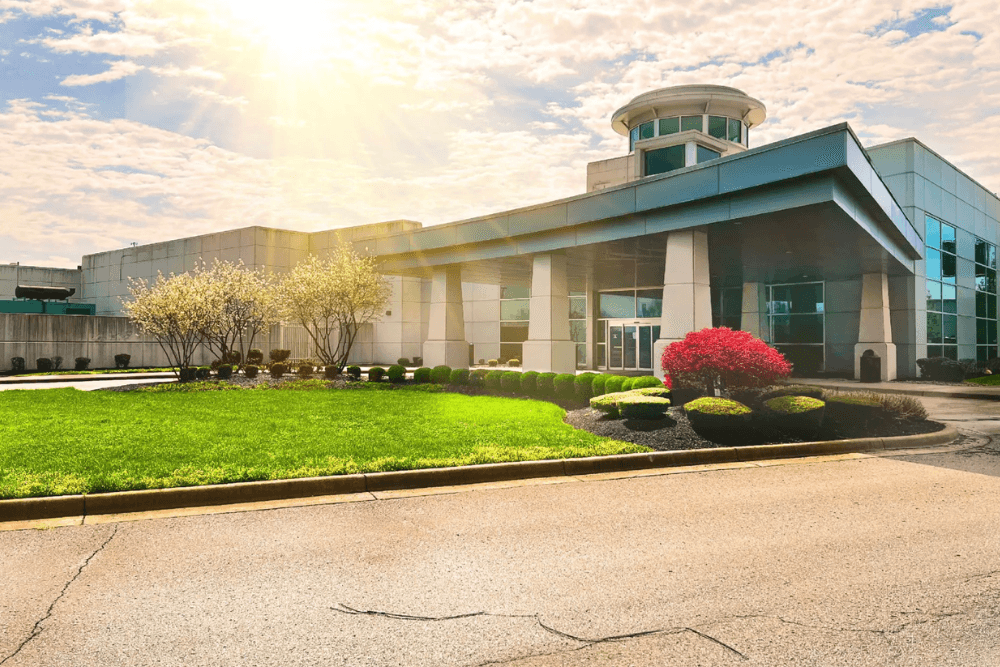
A rehab center is a place where individuals can receive detox and treatment for substance dependence. If you are reading this article, your spouse or partner may be drinking more than feels safe, or using illicit or prescription medications in a way that has become harmful. The mood swings, irritability, and unpredictability that often come with addiction can take a serious toll on you and your children, and it is understandable that you are searching for help.
The good news is that a rehab center for addiction can be a supportive and healing environment where your loved one can begin working toward sobriety. Treatment often starts with medical detox, during which substances are safely and gradually cleared from the body. From there, patients participate in individual therapy, group counseling, and recovery-focused programming designed to help them understand their addiction and build healthier coping skills.
If it would help you feel more at ease, you can contact your local rehab center directly to ask questions, speak with a staff member, or request a tour of the facility. While physical comfort is important, it is equally important to consider the center’s licensing, staff experience, treatment approach, and track record. A quality rehab center supports sobriety while also addressing the emotional, mental, and relational aspects of healing, and offers continued support through aftercare and a robust alumni recovery program.

Rehabilitation options for substance abuse:
You cannot do the work for them, but you can be prepared when they are ready.
As a caring partner or spouse of someone struggling with drug or alcohol use, it is natural to want to understand the different rehabilitation options available. While you cannot force someone to attend rehab or choose sobriety, you can prepare yourself with clear, accurate information about the treatment process.
Being informed allows you to have thoughtful, supportive conversations and to share options when your partner is ready to accept help. Understanding how rehab works, what different programs offer, and what recovery can look like may help you feel less powerless and more prepared to support your loved one through the next steps.
Inpatient rehab:
Inpatient rehab is a highly structured, immersive treatment option for people who are ready to focus fully on recovery. Patients live at the treatment facility while being supported and monitored by mental health and medical professionals around the clock. Some inpatient programs are standard residential addiction centers, while others offer more upscale or luxury settings.
Many inpatient rehab centers aim to provide a home-like, supportive environment, often with private or semi-private rooms and calming surroundings. One of the greatest benefits of inpatient treatment is the level of immersion it provides. Every part of the day is designed to support healing and reinforce recovery-focused habits.
Patients participate in daily therapy, structured activities, and sober free time that encourage healthier routines and positive lifestyle changes. This consistent structure helps individuals replace substance use with habits and coping strategies that can continue after they leave treatment.
Outpatient rehab:
Outpatient rehab treatment centers can be a more accessible option for busy professionals, respected community members, or individuals who prefer to remain at home while receiving treatment. In outpatient programs, patients attend scheduled treatment sessions at a rehab center while continuing to live at home.
This option allows individuals to maintain work responsibilities and stay connected with family and friends while still receiving professional support for addiction. Treatment schedules vary depending on the program and individual needs, and care may continue for weeks or months.
Common outpatient treatment options include:
- Ambulatory detox
- Substance use counseling
- Partial hospitalization program
- Intensive outpatient program
Outpatient rehab offers flexibility while still providing structure and accountability, making it a helpful option for people who need treatment but cannot commit to full-time residential care.

What does drug rehabilitation treatment involve?
Drug rehabilitation treatment helps people recover from substance use by addressing both the behaviors and underlying patterns that fuel addiction. Treatment typically includes a combination of individual and group therapy sessions designed to support lasting change. The primary goal is to help your spouse or partner develop healthy coping skills so they can maintain sobriety long after they leave the structured environment of rehab.
A core component of many substance rehabilitation programs is behavioral therapy. This approach includes a range of evidence-based techniques that help individuals better understand their thoughts, emotions, and behaviors related to substance use. By learning new ways to respond to stress, triggers, and cravings, people in treatment can begin building a more stable and substance-free life.
Here are some common drug addiction treatment options:
This form of rehab treatment includes one-on-one therapy, group sessions, and, in many cases, family involvement. Individual therapy allows patients to work privately with a counselor, while group therapy offers peer support and shared understanding. Family members may also be invited to participate, so you can ask about the possibility of attending couples or family sessions with your partner. These therapies help improve communication, rebuild trust, and address relationship dynamics affected by addiction.
CBT, or Cognitive Behavioral Therapy, is a widely used therapeutic approach that helps patients recognize and challenge unhelpful thoughts, beliefs, and behaviors, and replace them with healthier patterns. Someone struggling with addiction may hold deeply rooted beliefs such as feeling unworthy of love or believing they are incapable of stopping substance use. CBT helps individuals identify this negative self-talk and develop more realistic, supportive ways of thinking that encourage lasting change.
CM is an evidence-based treatment used for a range of substance use disorders, including opioids, alcohol, and marijuana. This approach uses positive reinforcement by offering rewards or incentives when patients reach specific recovery milestones. By replacing the temporary rewards of substance use with healthier motivation, CM helps encourage continued sobriety and engagement in treatment.
DBT focuses on helping patients regulate intense emotions and reduce harmful or self-destructive behaviors. Through DBT, individuals learn practical skills that support emotional balance and healthier relationships. These skills include emotion regulation, distress tolerance, interpersonal effectiveness, and mindfulness. While DBT was originally developed to treat certain personality disorders, it is now widely used to support people struggling with substance use and emotional dysregulation.
EMDR is a trauma-focused therapy designed to help people process and heal from distressing memories and experiences. Trauma can take many forms, including significant life events such as loss or abuse, as well as ongoing experiences like bullying or chronic stress. Many people turn to drugs or alcohol as a way to cope with unresolved emotional pain, which can eventually lead to dependence.
Addressing addiction is critical, but long-term healing often requires addressing the underlying trauma as well. EMDR helps individuals work through these root issues so they are not relying on substances to manage emotional distress.
Finding a Way Forward
If you are like many people living with a loved one who struggles with addiction, you have likely spent countless hours searching for answers and reassurance. At Avenues Recovery, we want you to know that there is reason for hope. While no one can promise that addiction will disappear overnight or guarantee lifelong sobriety, meaningful recovery is possible. When your partner recognizes the harm their substance use is causing and becomes motivated to change, their chances of achieving sobriety increase significantly.
We invite you to reach out to Avenues Recovery with your questions and concerns so we can help you explore the most appropriate treatment options for your spouse. You deserve clarity, understanding, and support as you navigate this process. We are here to help you make sense of addiction, understand your partner’s behavior, and identify the best path forward. You do not have to go through this alone. Support, guidance, and compassionate care are available whenever you are ready.