

Have you ever wondered whether vaping weed is actually safer than smoking it? A lot of people assume it must be the “healthier” option. It smells less, feels smoother, and doesn’t involve lighting anything on fire, so it seems like a better choice, right?
The truth is a little more complicated.
What is Cannabis Vaping?
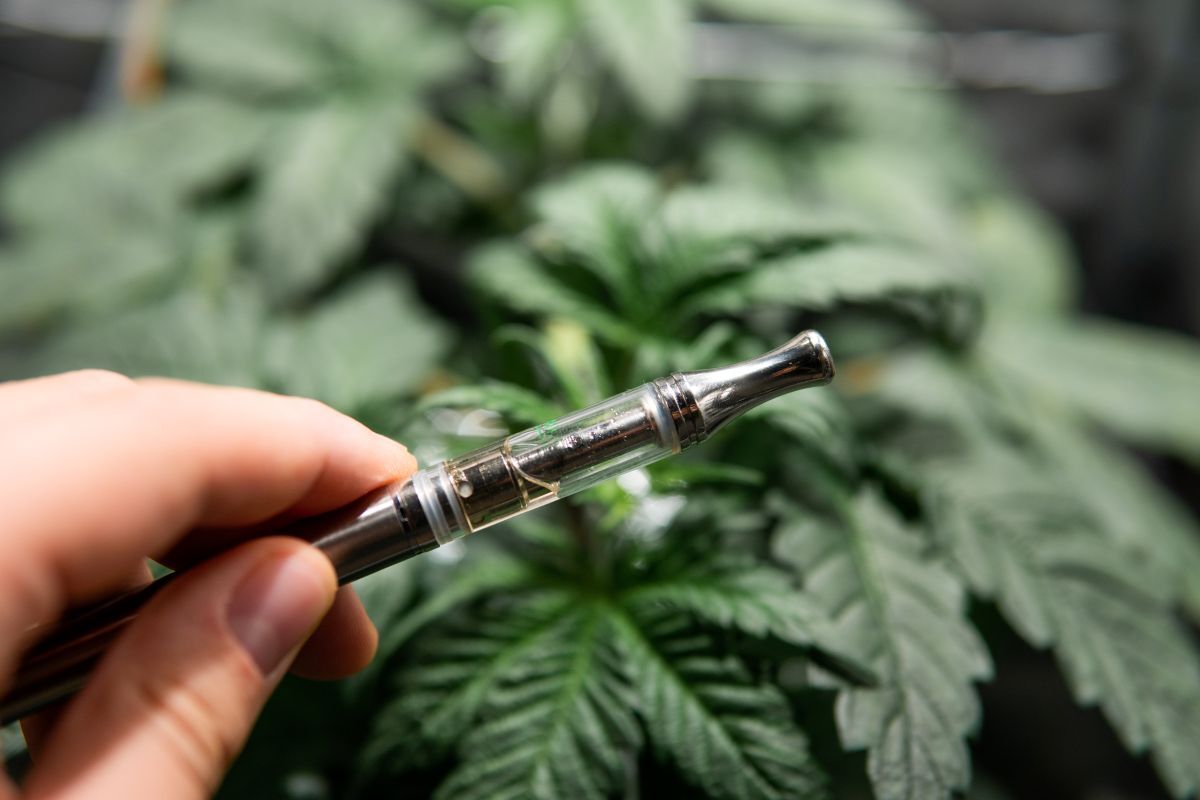
When you vape weed, you’re heating cannabis or a cannabis oil (usually containing THC) to a temperature that turns it into vapor instead of smoke. That vapor is then inhaled into your lungs. There are a couple of common ways people do this. Some use dry herb vaporizers, which heat actual cannabis flower. Others use vape pens or cartridges filled with cannabis oil; these are especially popular because they’re discreet and easy to use. Most vape cartridges contain THC, the main psychoactive compound in cannabis. Many of them are highly concentrated, meaning you’re getting a much stronger dose than you would from smoking a joint.
What’s the Difference Between Vaping and Smoking Weed?
The biggest difference comes down to combustion. When you smoke cannabis, you’re burning it. That creates smoke, along with toxins and irritants that come from the burning process. Vaping skips the burning. Instead, it heats the substance just enough to release active compounds like THC without creating smoke. Because of that, vaping may expose you to fewer of the byproducts that come from combustion - things like tar and certain carcinogens.
But fewer does not mean none. And it definitely doesn’t mean harmless.
Is Vaping Weed Safer Than Smoking?
This is the question everyone wants a clear answer to.
Research suggests that vaping cannabis may reduce exposure to some harmful chemicals as compared to smoking. That’s true. But that doesn’t make it safe, especially when you factor in everything else. Here’s what often gets overlooked: vaping introduces its own set of risks, particularly when it comes to lung health, high THC levels, and the possibility of contaminated products. So while vaping might reduce some risks tied specifically to smoke, it can introduce new ones that are just as concerning, or even more so in some cases. It’s not a simple “better vs. worse.” It’s more like “different risks.”
What Happens to Your Lungs When You Vape Weed?
Your lungs are incredibly sensitive. They’re designed to take in clean air, not heated chemicals, oils, or vaporized substances. When you vape cannabis, tiny particles and chemicals enter your lungs and irritate the delicate tissue inside. Some vape products also contain additives, thinning agents, or flavorings that were never meant to be inhaled deeply into the lungs. Over time, this can lead to inflammation and damage. There’s also something important to understand: vapor may feel smoother than smoke, which can make it easier to inhale more deeply or more often. That can actually increase how much you’re exposing your lungs to.
Symptoms of Vaping Drugs
In the short term, vaping weed can still affect your respiratory system, even if it feels less harsh than smoking. You might notice coughing, throat irritation, or a tight feeling in your chest. Some people experience shortness of breath or wheezing, especially with frequent use. There can also be immediate effects from THC itself. These can include dizziness, anxiety, a racing heart, or feeling disoriented, especially with high-potency vape products. And because vape pens are easy to use and discreet, it’s common for people to take more hits than they realize, which can intensify these effects quickly.
Long-Term Lung and Respiratory Concerns
The long-term impact of vaping cannabis is still being studied, but early evidence raises some real concerns. Regular vaping can contribute to chronic bronchitis-like symptoms, including ongoing cough, mucus production, and airway irritation. There’s also concern about long-term inflammation in the lungs, which can affect how well you breathe over time. One of the biggest unknowns is how repeated exposure to vape chemicals and high THC concentrations affects lung tissue over many years, not just months.
The Hidden Risk of High-THC Vape Products
This is where things often get underestimated. Many cannabis vape cartridges contain very high levels of THC, sometimes far higher than what you’d get from smoking actual cannabis flower. That means stronger effects on your brain and body. High-THC use has been linked to increased anxiety, panic attacks, and even episodes of paranoia or psychosis in some people. It can also increase the risk of dependence. Because vaping feels smoother and more convenient, it’s easier to use more frequently, which can quietly raise your tolerance and lead to heavier use over time.
EVALI and Contaminated Vape Cartridges
You may have heard about a condition called EVALI, which stands for e-cigarette or vaping product use-associated lung injury.
This condition caused serious lung damage, and in some cases death, linked to certain vaping products - especially those obtained from informal or unregulated sources. One of the main culprits identified was vitamin E acetate, an additive used in some THC vape cartridges. When inhaled, it can interfere with normal lung function. Symptoms of EVALI can include coughing, chest pain, shortness of breath, fever, nausea, and fatigue. It can escalate quickly and become life-threatening. Even though awareness has increased, the risk of contaminated or poorly regulated products hasn’t completely gone away.
Risks for Teens and Young Adults
If you’re younger, this part matters even more. The brain continues developing into your mid-20s, and THC can affect that development. Regular use, especially high-THC vaping, has been linked to changes in memory, attention, and decision-making. There’s also a higher risk of developing cannabis use disorder when use starts at a younger age. Vape pens can make it easier for teens to use frequently without being noticed, which can increase both exposure and risk.
Signs Cannabis Vaping May Be Affecting Your Health
Sometimes your body gives you signals before things become more serious. You might notice ongoing coughing, shortness of breath, chest discomfort, or feeling like your lungs never fully clear. You might get winded more easily or feel tightness when breathing. On the mental side, increased anxiety, irritability, trouble sleeping, or needing to use more just to feel the same effects can all be signs that something isn’t right. If any of this sounds familiar, it’s worth paying attention to.
Which is Worse, Nicotine or Weed?
People often compare nicotine and weed, but they come with different risks. Nicotine vaping is primarily associated with addiction and cardiovascular effects. Cannabis vaping, especially with high THC levels, tends to impact mental health, cognition, and potentially lung function in different ways. Both can affect the lungs. Both can lead to dependence. And both carry risks that are still being studied, especially over the long term. One isn’t necessarily safe just because it’s not the other.
When Does Use Become a Problem?
It doesn’t always look obvious.
You might start noticing that you’re reaching for your vape more often than you planned. Maybe it’s becoming a daily habit, or something you rely on to relax, sleep, or get through stress.
If you feel like you need it to feel okay, or if cutting back feels harder than expected, those can be early signs of cannabis use disorder.
When to Reach Out for Help
If you’re experiencing breathing issues, chest pain, or symptoms that feel unusual or persistent, it’s important to seek medical attention. Your lungs are not something to ignore. And if your use is starting to feel out of control, you don’t have to figure it out alone. Talking to a professional can help you understand what’s going on and what your options are.
You Don’t Have to Figure This Out Alone
At Avenues Recovery Center, you’ll find people who understand what you’re going through without judgment. Whether you’re dealing with cannabis use, vaping-related concerns, or something deeper underneath it all, our team is here to support you in a way that feels human, respectful, and real.
Treatment isn’t about being told what’s wrong with you. It’s about understanding what’s been weighing on you and finding healthier ways to move forward—at your pace, in your way.
If something in this article resonated with you, that might be your sign to reach out. You can learn more or talk to someone today
- Vaping weed is not harmless—while it may reduce some smoke toxins, it still poses risks to your lungs and overall health.
- High-THC vape products can increase anxiety, dependence, and negative mental health effects.
- Vaping can cause lung irritation, breathing issues, and has been linked to serious conditions like EVALI.
- Teens and young adults are especially at risk due to brain development and higher chances of addiction.
- Frequent use or relying on vaping to cope may be a sign it’s time to seek support.
FAQs
Is vaping weed safer than smoking cannabis?
Vaping may expose you to fewer toxins than smoking, but it is not harmless. It still affects your lungs, can involve high THC exposure, and carries risks—especially with frequent use or unregulated products.
What does vaping weed do to your lungs?
Vaping can irritate lung tissue and cause inflammation. Over time, it may lead to coughing, shortness of breath, and other respiratory issues.
What is EVALI?
EVALI stands for e-cigarette or vaping product use-associated lung injury. It is a serious condition linked to certain vaping products, especially some THC cartridges that contained harmful additives.
Can vaping cannabis cause long-term health problems?
Yes. While research is still ongoing, regular cannabis vape use has been linked to respiratory symptoms, lung irritation, and potential long-term lung damage.
Are high-THC vape products more dangerous?
They can be. High levels of THC are associated with increased anxiety, panic, impaired thinking, and a higher risk of dependence.
Is vaping weed addictive?
Yes, it can be. Frequent use—especially with high-THC products—can lead to cannabis use disorder in some people.
Is vaping worse for teens?
Yes. Teens and young adults are more vulnerable because their brains are still developing. THC can affect memory, learning, and emotional regulation.
When should I be concerned about my vaping?
If you notice breathing problems, increased tolerance, difficulty cutting back, or using it to cope with stress or emotions, it may be time to seek support.