

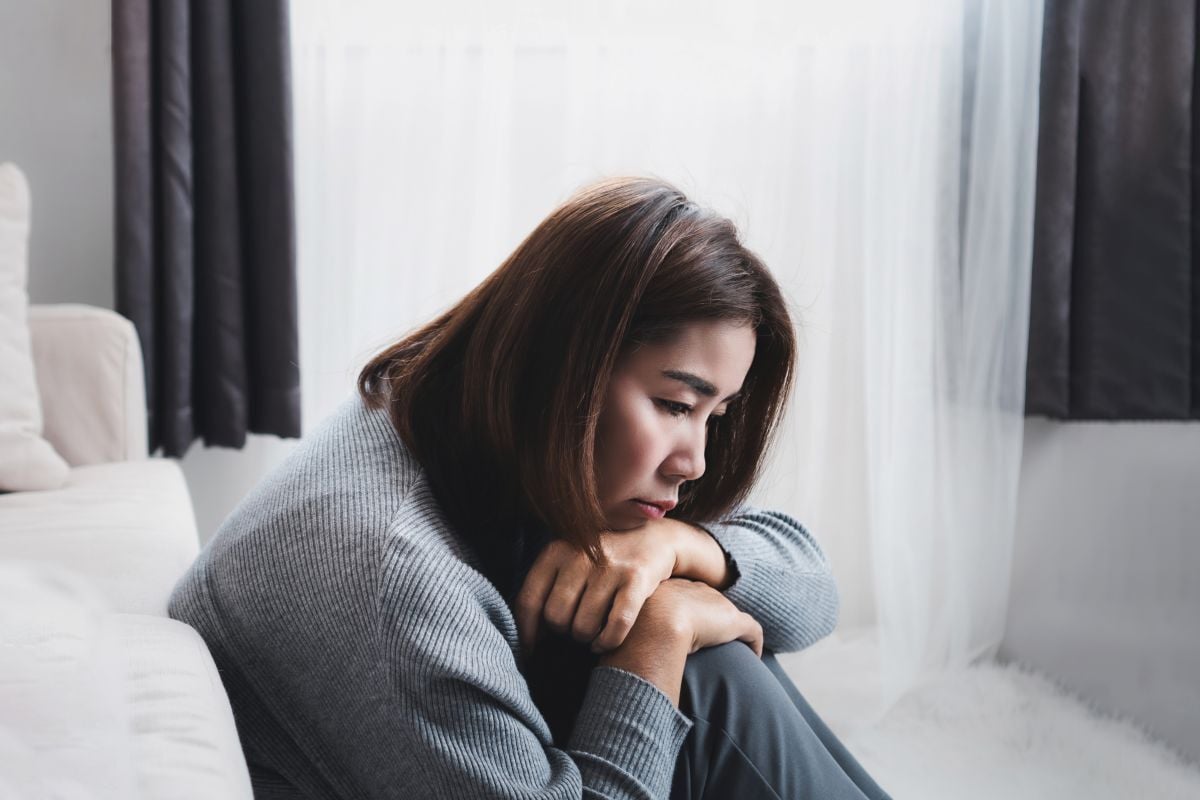
If you’re in addiction recovery and wondering why nothing seems enjoyable anymore, you’re not alone. You may be doing all the “right” things, staying sober, getting enough rest, spending time with people you love, and still feel strangely empty inside.
So, what is anhedonia? Anhedonia is a reduced ability to experience pleasure, interest, or enjoyment from things that would normally feel rewarding. It can make favorite hobbies feel pointless, relationships feel distant, and simple pleasures seem like they’re just missing their spark.
Anhedonia can happen for many reasons, including mental health conditions, chronic stress, and substance use. It can also occur during withdrawal and early recovery as the brain and body adjust to life without a substance.
The important thing to remember is that feeling emotionally flat in recovery does not necessarily mean you’re doing something wrong, or that you’ll feel this way forever.
Key Takeaways
- Anhedonia is a reduced ability to feel pleasure or interest in things you normally enjoy.
- Anhedonia can happen during withdrawal and early addiction recovery.
- Feeling numb after detox doesn't mean you'll feel this way forever.
- Anhedonia can make motivation, cravings, and relapse risk harder to manage.
- Support, healthy routines, therapy, and time can help pleasure gradually return.
What Is Anhedonia and What Does It Feel Like?
Anhedonia can look different from person to person. For some people, it feels like emotional numbness. For others, it’s more like knowing something should be enjoyable but simply not caring about it.
Common anhedonia symptoms include:
- Losing interest in hobbies you used to enjoy
- Feeling emotionally flat or numb
- Having little motivation to do anything
- Feeling disconnected from friends, family, or a partner
- Not looking forward to things you normally would
- Finding food, music, entertainment, or other everyday pleasures less satisfying
- Feeling like everything takes effort
- Having difficulty imagining that things will feel enjoyable again
Sometimes, this can be especially confusing after detox. You may have expected sobriety to make you feel better immediately, only to find yourself thinking, “Why don't I feel happy?”
That experience can be incredibly discouraging.
Anhedonia Causes: Why Does It Happen After Addiction?
There isn't one simple answer for anhedonia causes. Pleasure and motivation are influenced by several interconnected brain and body systems, including reward processing, motivation, learning, and stress regulation.
Repeated substance use can strongly affect these systems. Drugs and alcohol can produce unusually powerful experiences of reward or relief. Over time, the brain adapts to those repeated effects. When the substance is removed, ordinary experiences may temporarily feel less rewarding by comparison.
That doesn't mean your ability to feel pleasure has disappeared. Rather, your reward and motivation systems may need time to adjust to a very different environment. This is one reason anhedonia has been observed during withdrawal and recovery from different types of substance use disorders.
Feeling Numb After Detox
Feeling numb after detox can be particularly unsettling because detox itself may feel like a major accomplishment. You may think that once the substance is out of your system, you'll immediately start feeling like yourself again.
Recovery doesn't always work that way.
Detox addresses the immediate physical effects of stopping a substance, but emotional and psychological recovery can continue afterward. Sleep disruption, stress, cravings, withdrawal symptoms, and changes in reward processing can all affect how you feel during early sobriety.
Anhedonia may be one part of that adjustment.
It's also possible for anhedonia to overlap with depression or other mental health concerns. That's why persistent emotional numbness shouldn't simply be dismissed as “part of recovery.”
Anhedonia vs. Withdrawal vs. Depression
These experiences can overlap, but they're not exactly the same.
Withdrawal refers to the physical and psychological symptoms that can occur when someone reduces or stops using a substance their body has adapted to. Symptoms vary depending on the substance and the individual.
Anhedonia specifically refers to a reduced ability to experience pleasure, interest, or reward. It can occur during withdrawal, but it can also occur outside of substance withdrawal.
Depression is a broader mental health condition that can include anhedonia, along with symptoms such as persistent sadness, hopelessness, changes in sleep or appetite, low energy, guilt, and difficulty functioning.
You don't have to figure out the difference by yourself. If you're not sure what's happening, an addiction or mental health professional can help you look at the bigger picture.
How Long Does Anhedonia Last?
Unfortunately, there isn't one recovery timeline that applies to everyone.
Anhedonia can improve as someone maintains abstinence and continues recovering, but the course varies from person to person. Factors like the substance used, how long and how heavily someone used it, overall health, stress, sleep, and co-occurring mental health conditions can all play a role.
For some people, pleasure and motivation gradually begin to return as recovery progresses. For others, symptoms may last longer or come and go.
So if you're several weeks or months into recovery and still don't feel like yourself, that doesn't automatically mean you're stuck. At the same time, persistent symptoms deserve attention. A professional can help determine whether anhedonia may be related to recovery, depression, another mental health condition, or a combination of factors.
Anhedonia After Quitting Alcohol
Anhedonia after quitting alcohol can be particularly difficult because alcohol may have become closely tied to relaxation, socializing, celebration, or emotional escape.
Without it, everyday life can initially feel unusually dull.
A person might stop looking forward to going out with friends, feel less interested in favorite activities, or wonder why sober experiences don't provide the same sense of excitement or relief.
That doesn't mean alcohol was the only thing capable of making you happy. It means your brain and your daily routines may have become accustomed to alcohol playing a particular role. As recovery continues, part of the work is learning how to experience reward and connection in new ways.
How Anhedonia Can Affect Relapse Risk
Anhedonia isn't just unpleasant. It can also make recovery harder.
When life feels flat, motivation can be difficult to find. Going to therapy, attending support meetings, exercising, cooking a healthy meal, or reaching out to a friend may all seem like too much effort when nothing feels rewarding anyway.
And there's an obvious danger in that.
Someone who isn't experiencing pleasure may remember that using a substance once made them feel excited, relaxed, connected, or emotionally alive. That memory can make cravings more difficult to manage.
Anhedonia has been identified as a clinically relevant feature of substance use disorder and may be associated with greater vulnerability to returning to substance use.
But experiencing anhedonia does not mean relapse is inevitable.
It means this is an important part of recovery to take seriously. If you recognize yourself in this description, telling your therapist, doctor, sponsor, or addiction treatment team can give you another layer of support.
How to Deal With Anhedonia During Recovery
So, how to deal with anhedonia when even the things that are supposed to help don't sound appealing?
The frustrating answer is that you may have to start before you feel motivated.
Rather than waiting for something to become enjoyable, try gradually giving your brain opportunities to experience ordinary rewards again.
Start Small
You don't need to suddenly fill your calendar with exciting activities. Start with something manageable: take a short walk, listen to a favorite song, cook something you enjoy, sit outside, or call someone you trust.
The goal is to gently reintroduce activities that can provide connection, comfort, movement, or accomplishment.
Build a Consistent Routine
Regular sleep, meals, movement, and daily structure can provide stability when motivation is low. A predictable routine can also make it easier to follow through when you don't feel particularly inspired.
Move Your Body
Exercise isn't a cure for anhedonia, but regular physical activity can support mood, stress regulation, sleep, and overall well-being. Even a short walk is a reasonable place to start.
Stay Connected
Isolation can make emotional numbness feel even heavier. You don't have to be cheerful or entertaining to spend time with someone. Sometimes simply sitting with a friend, attending a recovery meeting, or talking honestly with someone who understands can help.
Keep Getting Addiction Support
Don't underestimate the importance of ongoing recovery support after detox. Therapy, peer support, outpatient treatment, support groups, and other forms of continuing care can help you work through cravings, motivation, emotional changes, and the challenges of rebuilding a satisfying sober life.
Give Yourself Time
Perhaps most importantly, try not to judge yourself for not enjoying things yet.
Recovery isn't only about stopping substance use. It's also about rebuilding a life that feels meaningful without the substance. That process can take time.
When Should You Get Professional Help?
If emotional numbness is persistent, getting worse, interfering with your daily life, or making you question whether sobriety is worth it, talk with a mental health or addiction professional.
And if you're experiencing significant depression, hopelessness, or thoughts of hurting yourself, seek professional help promptly. You deserve support with what you're experiencing; you don't have to wait for it to become unbearable.
Anhedonia can be a difficult part of recovery, but it doesn't have to define your recovery.
If you're struggling to feel like yourself again, Avenues Recovery Centers can help you understand what's happening and find the right level of addiction treatment and support. Whether you're looking for help for yourself or you're worried about someone you love, reaching out is a worthwhile first step.
You don't have to feel better all at once. Sometimes recovery starts with simply believing that feeling better is still possible.
Frequently Asked Questions
What is anhedonia?
Anhedonia is the reduced ability to feel pleasure, interest, or enjoyment from activities that would normally feel rewarding.
What causes anhedonia?
Anhedonia can have several causes, including substance use, withdrawal, chronic stress, depression, and other mental health conditions. During addiction recovery, changes in the brain's reward, motivation, and stress systems may contribute to it.
Can anhedonia happen after quitting drugs or alcohol?
Yes. Anhedonia has been observed during withdrawal and recovery from several substance use disorders. Everyday activities may temporarily feel less rewarding after stopping a substance.
Why am I feeling numb after detox?
Feeling numb after detox can happen as your brain and body adjust to life without a substance. Withdrawal, sleep problems, stress, and changes in reward processing can all contribute. Persistent emotional numbness should be discussed with a professional.
How long does anhedonia last?
There's no fixed timeline. Some people experience improvement with continued abstinence, while others may have symptoms for longer. The substance used, length and severity of use, mental health, stress, sleep, and other factors can affect recovery.
What is anhedonia after quitting alcohol like?
After quitting alcohol, someone may feel less interested in socializing, hobbies, food, entertainment, or other activities they once enjoyed. This can be especially noticeable when alcohol had become closely connected to relaxation or having fun.
Can anhedonia increase the risk of relapse?
It can. When everyday life feels empty or unrewarding, the memory of how a substance once made you feel can become especially tempting. Anhedonia doesn't make relapse inevitable, but addressing it can be an important part of recovery.
How do you deal with anhedonia during recovery?
Start small. Consistent sleep, exercise, healthy routines, social connection, therapy, addiction treatment, and gradually returning to enjoyable or meaningful activities can all support recovery.
Is anhedonia the same as depression?
No. Anhedonia can be a symptom of depression, but it can also occur for other reasons, including during substance withdrawal and recovery. A mental health or addiction professional can help determine what's behind persistent symptoms.
When should I get help for anhedonia?
If emotional numbness persists, gets worse, interferes with everyday life, or makes staying sober difficult, it's worth talking with a mental health or addiction professional. If you're experiencing severe depression or thoughts of harming yourself, seek help promptly.