


Key Takeaways:
- Exercise addiction develops when workouts shift from free choice to compulsion.
- It often replaces healthy balance, leading to anxiety, guilt, and physical strain.
- Recovery focuses on restoring flexibility, emotional awareness, and a healthier relationship with exercise.
Addicted to Exercise
Exercise addiction is a behavioral addiction in which exercise stops being something you choose and becomes something you feel compelled to do, even when it's causing harm. Missing a workout creates anxiety. Rest feels uncomfortable. And even when your body is asking for a break, your mind won't let you stop. What may have started as a healthy habit or a way to manage stress can slowly become something that controls your thoughts, your schedule, and your sense of self-worth.
You might be the person everyone admires for your discipline. The one who never skips a workout, who pushes through exhaustion, and who always seems to have everything together. But inside, exercise doesn’t feels empowering anymore; it feels necessary. Like other addictions, it can create a cycle of craving, temporary relief, and increasing distress, leaving you feeling trapped by the very thing that once made you feel strong.
Avenues Recovery offers compassionate, evidence-based care to help you regain balance and reclaim your life.
Compulsive Exercise
At first, exercise might have given you something you desperately needed—relief from anxiety, a break from racing thoughts, or a sense of accomplishment during difficult times. Your brain learned to associate exercise with feeling better. The rush of accomplishment, the improvement in mood, and the sense of control became powerful rewards.
Over time, though, your brain might start to depend on exercise to regulate emotions. Stress feels unbearable without it. Anxiety rises if you miss a session. The relief that once came naturally now requires more and more exercise to achieve the same effect. This isn't a sign of weakness. It's a pattern many people develop, especially when exercise becomes their primary coping mechanism.
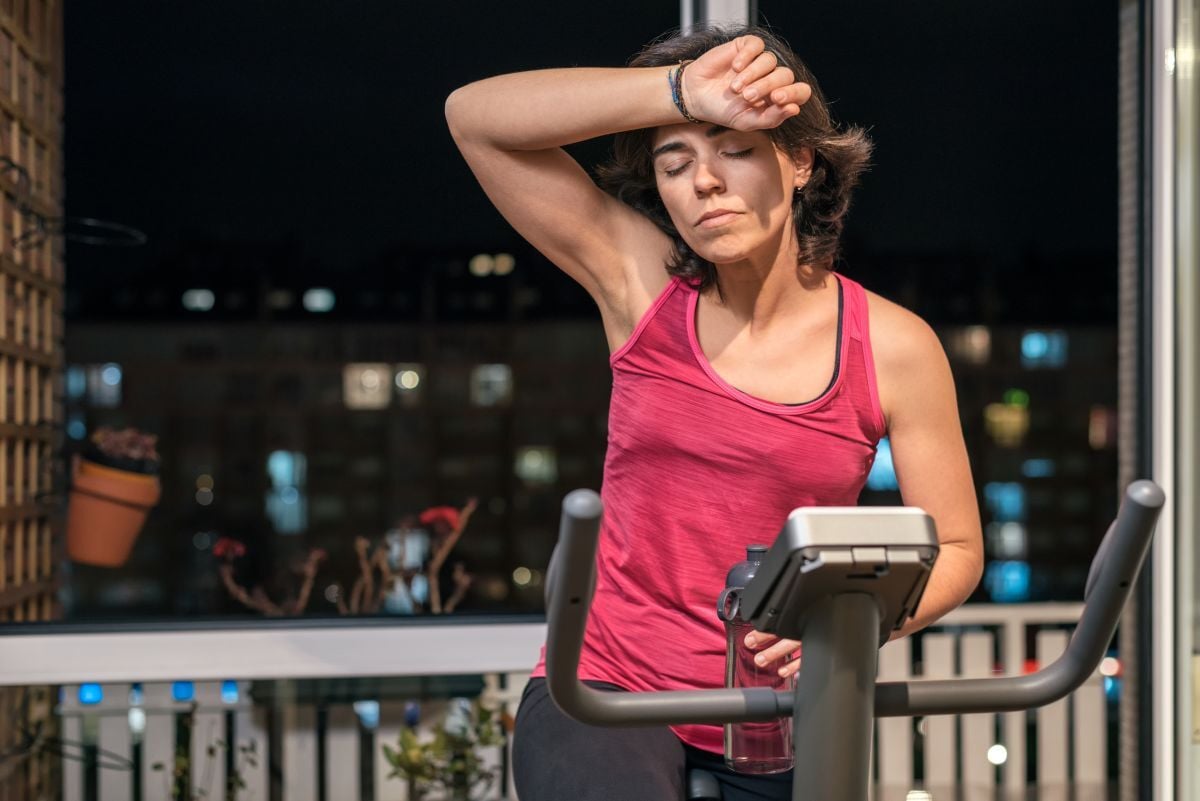
Healthy Fitness Habits vs. Addiction to Fitness
Healthy exercise supports your life. It improves your energy, leaves room for rest, and adapts to changing circumstances. If you're sick, injured, overwhelmed at work, or need time with family, healthy habits can flex without making you feel like you've failed.
Gym addiction is different. The schedule becomes rigid. Missing exercise feels frightening or intolerable. Workouts continue despite pain or injury. Your mood rises and falls based on whether you exercised that day. Instead of serving your well-being, exercise gradually becomes something you serve.
Common Signs of Exercise Addiction
What are some red flags of an exercise addiction? If you’re feeling guilty when you miss a workout, exercising through injury or illness, or letting exercise slowly take over your thoughts and priorities, it might be time to take a step back and look again.
Over time, workouts may feel less like a choice and more like something you have to do, often with a growing need to do more to get the same sense of relief or satisfaction.
Exercise can also become a primary way to manage stress, anxiety, or low mood, making it hard to slow down even when your body needs rest. What may look like discipline from the outside can feel internally driven by pressure rather than well-being.
Physical Warning Signs of Exercise Addiction
Physical warning signs of exercise addiction include:
- Chronic exhaustion
- Recurring injuries
- Lingering soreness
- Sleep disturbances
- Declining performance
You may tell yourself to keep going because you've always been the strong one. But strength isn't measured by how much pain you can ignore. Sometimes strength means recognizing that your body needs care, recovery, and balance rather than more pressure.
Emotional and Psychological Symptoms
Exercise addiction isn't only about physical activity. It often becomes deeply connected to anxiety, depression, perfectionism, or unresolved emotional pain. You may feel irritable when unable to exercise, overwhelmed by guilt after taking a break, or trapped in constant self-criticism.
Many high-functioning adults become experts at hiding this struggle. They continue working, parenting, and meeting responsibilities while privately feeling exhausted and emotionally drained. The outside world sees discipline. Inside, you might feel frightened by how little control you actually have.
Exercise Addiction and Eating Disorders
For some people, exercise addiction is closely linked with eating disorders and body image concerns. What may begin as a focus on health or fitness can gradually become a rigid system of control around food, weight, and exercise. Workouts may start to feel less about wellbeing and more about compensating for eating, managing body size, or reducing anxiety after meals.
Over time, this cycle can become emotionally and physically draining. Exercise may feel required after eating, you feel guilty when resting, and your eating and training may follow strict internal rules. From the outside, life may still look disciplined and structured, but internally there is often ongoing pressure and fear of losing control. When exercise and disordered eating reinforce each other, the pattern can become harder to break without support that addresses both behavior and the underlying anxiety, shame, and stress.
Exercise Addiction and Body Dysmorphia
You may spend hours exercising yet still feel dissatisfied with your appearance. You may focus intensely on perceived flaws that others don't notice, constantly feeling like you're not fit enough, lean enough, or strong enough.
Body dysmorphia can create a painful disconnect between how you see yourself and reality. No amount of exercise can resolve that gap on its own. Real healing involves learning to challenge distorted beliefs, reduce self-criticism, and build a healthier relationship with your body.

Gym Culture and Social Media Pressure
Modern fitness culture often celebrates extremes. Social media feeds are filled with transformation stories, relentless discipline, and messages that imply that more is always better. It's easy to feel like everyone else is succeeding while you're struggling privately.
The truth is that many people feel overwhelmed by these expectations. Your worth is not measured by your physique, your workout streak, or how hard you push yourself. A healthy life includes movement, but it also includes rest, relationships, joy, and flexibility.
When Exercise Stops Improving Health and Starts Causing Harm
There is a point where something that once helped begins hurting you. If exercise is causing injuries, increasing anxiety, damaging relationships, or making you feel trapped rather than empowered, it's worth paying attention.
You don't need to wait until things become unbearable to seek help. You don't have to prove that you're "bad enough." If your relationship with exercise is causing you suffering, remember that your experience matters - and support is available.
Treatment and Recovery
Treatment for exercise addiction is not about taking away something you love; it's about helping you regain freedom and balance. Therapy can help you understand the emotions driving your compulsive exercise, and approaches like cognitive behavioral therapy can help you challenge rigid thought patterns and develop healthier coping strategies.
Many people also benefit from nutritional counseling, support groups, and balanced movement plans that reintroduce exercise in a healthier way. Treatment can be tailored to your life, your responsibilities, and your goals. Because recovery doesn't mean giving up who you are - it means breaking free from the constant pressure to prove your worth through exercise.
Reach out to Avenues Recovery today get the help you deserve.