

Key Takeaways:
- The Transition: Entering treatment means admitting your current coping methods aren’t working and choosing a healthier life.
- The Basics: Pack comfortable clothing, sealed toiletries, and "analog" hobbies to support focus.
- The Essentials: You must bring identification, prescriptions in original bottles, and a contact list.
- Prohibited: Leave the alcohol, valuables, and unapproved medications at home.
Kim Vytell, LCADC, LSW, Clinical Director, earned both her BS and MS in social work from Rutgers University and is an EMDR-trained therapist. She recognizes the impact that addiction and trauma have on individuals, and the importance of addressing both in order to live healthy and happy lives. She is dedicated to helping individuals and families who have been affected by the disease of addiction, believing everyone is capable of recovery. Kim is passionate about helping others move beyond their pasts and discover their true selves.
What to Bring to Rehab: Your Packing List
From the outside, you’re keeping things together—showing up for work, handling bills, and taking care of people who depend on you. But the quiet part no one sees is the exhaustion, the anxiety spikes, and the substances that were once “just to take the edge off” and now feel like the only way to function.
Deciding to go to treatment doesn’t have to mean announcing a crisis. Sometimes it just means admitting that what you’ve been doing to cope isn’t working anymore, and that you deserve a steadier way to live.
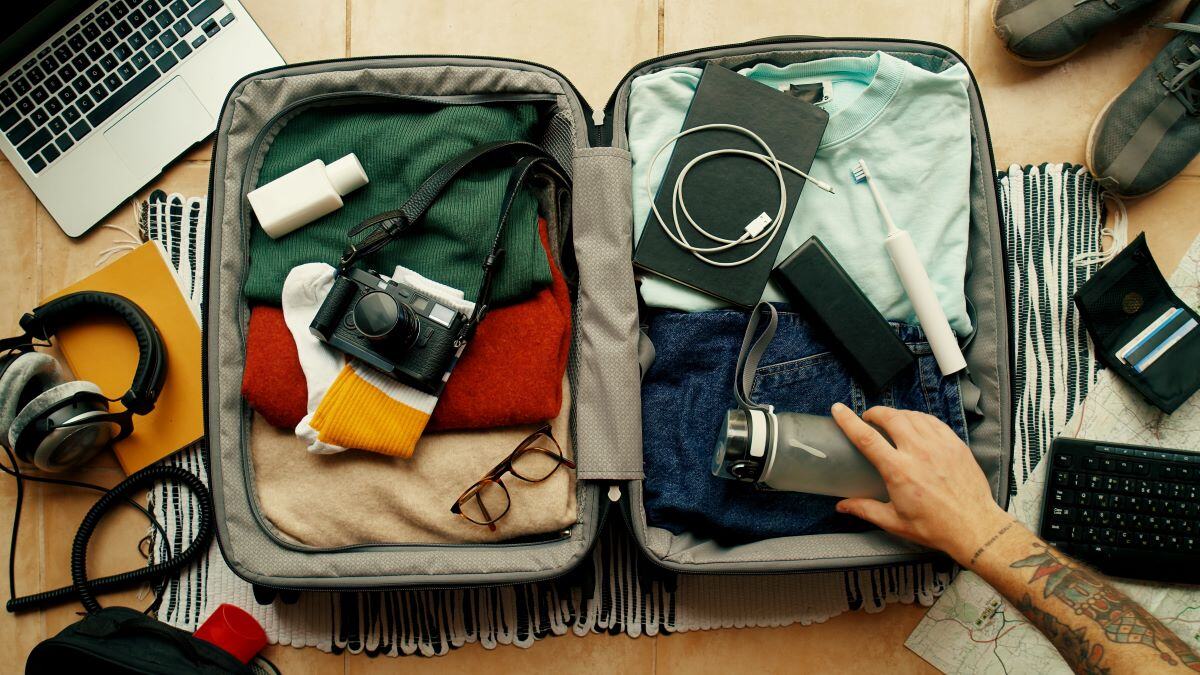
If you’re considering rehab, one of the first practical questions is what to bring. Packing isn’t just about clothing and toiletries—it’s about peace of mind. The right setup helps you settle in quickly so you can focus on the underlying stress, anxiety, or trauma that’s been driving everything else.
If you’re ready to explore a place that treats both substance use and mental health with dignity and real-world practicality, consider Avenues Recovery.
What You Should Bring to Rehab
Clothing
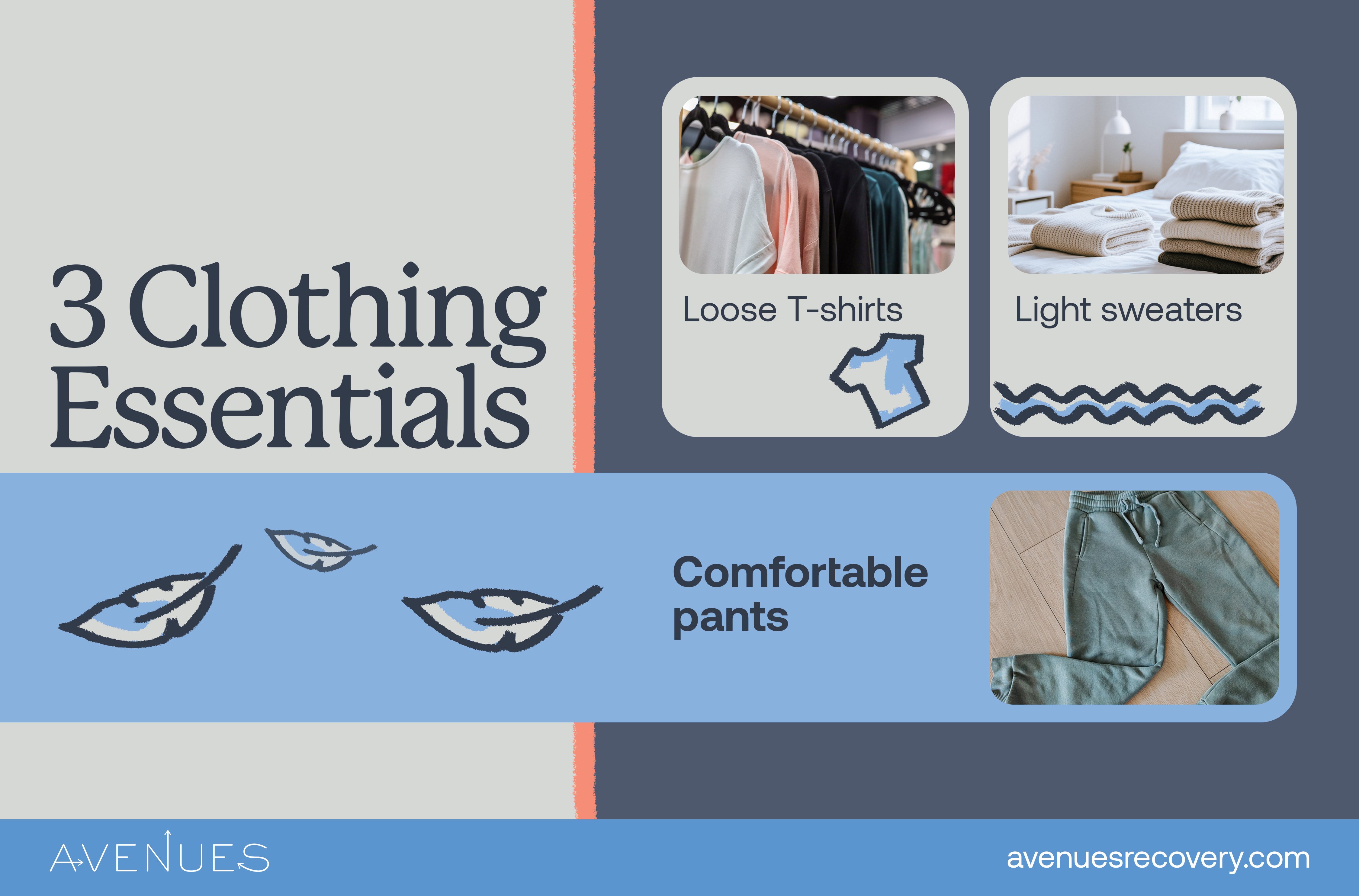
When you’re packing for treatment, think about making the experience as simple and low-stress as possible. Most programs have a basic dress code—nothing flashy, nothing that makes light of alcohol or drugs, and nothing that will make you self-conscious around others.
Space is usually tight, so bringing a small, practical selection can help you focus on why you’re there instead of what’s in your bag. Comfort matters: you’ll be sitting in groups, walking between sessions, and trying to settle into a new routine, so clothing that’s easy and modest goes a long way.
Weather and temperature vary, and facilities can run cool, so plan to layer rather than overpack. A week’s worth of clothing is usually enough since washing machines are available. If there’s something you’re unsure about—shorts, hats, or specialty items—it’s perfectly fine to call ahead and ask.
- T-shirts (long and short sleeve)
- Layering items (light sweaters or sweatshirts)
- Comfortable pants (jeans, chinos, sweats)
- Undergarments and socks
- Sleepwear
- Shoes: Everyday sneakers and shower shoes
- Modest swimwear (if a pool is on-site)
- Accessories: Sunglasses and a hat
- One "Nice" Outfit: For visiting hours or family meetings
Toiletries (30-Day Supply)
A practical guideline is to pack enough personal care items for approximately 30 days. Everything must be new, factory-sealed, and alcohol-free.
Many mouthwashes, perfumes, and fragrances contain alcohol and are therefore not allowed. (Policies vary—some facilities permit items if alcohol is not a main ingredient, so check in advance.)
- The Basics: Deodorant, toothbrush, toothpaste, hairbrush
- Shower Gear: Shampoo, conditioner, and soap
- Grooming: Electric trimmer, shaving supplies, and sunscreen
Hobby Items, Music, and Journaling
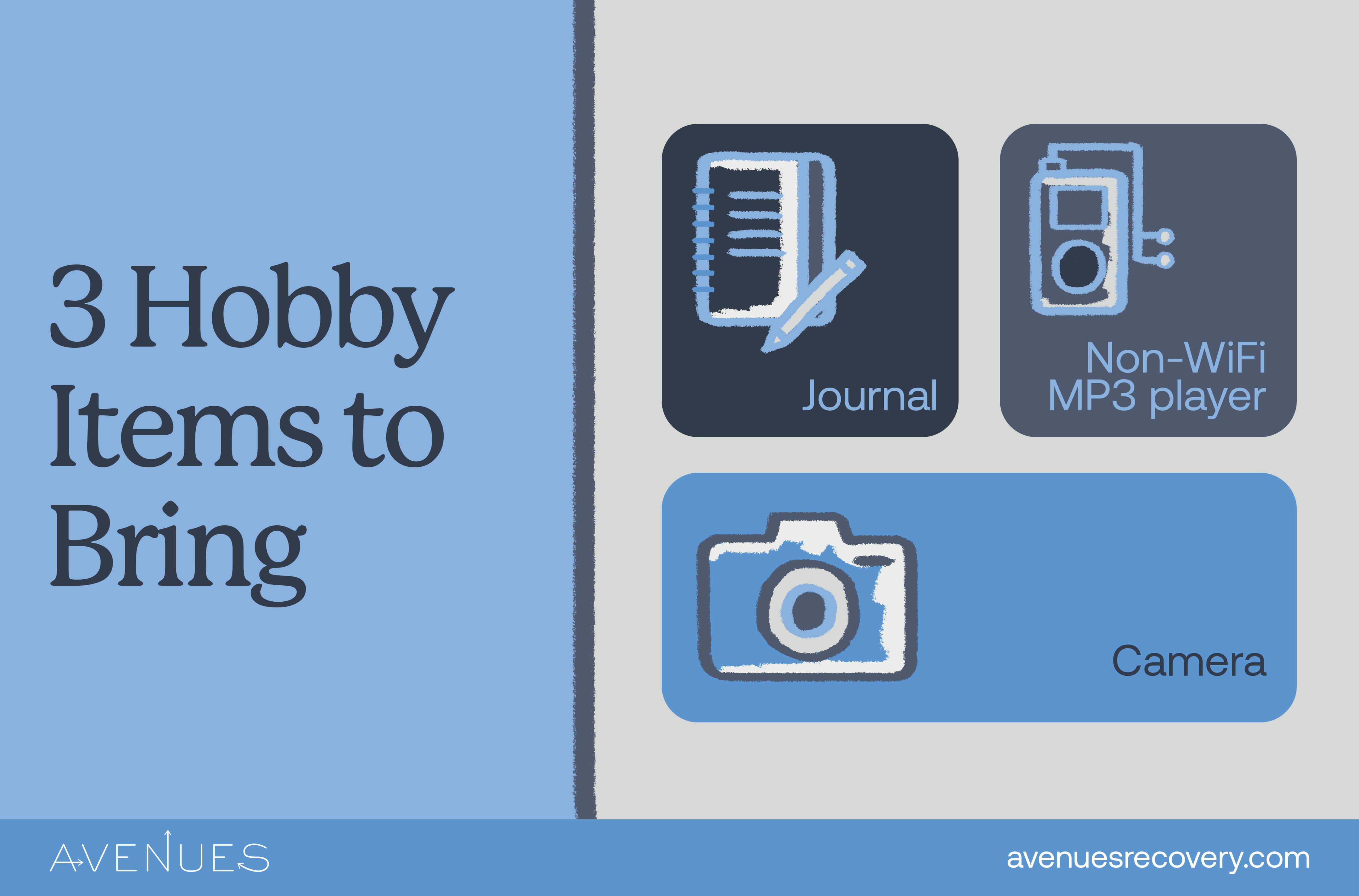
Even though your schedule is structured, there will be quieter stretches. Having a few personal hobbies or simple comfort items can make those moments feel restorative instead of restless. Choose things that help you relax and regain the energy you need after an emotionally demanding day.
- Recovery involves quiet stretches. Choose things that help you reset.
- Journaling: A notebook or journal with a pen.
- Audio: A Wi-Fi-free music player or audio device.
- Reading: Books, magazines, or a tablet (if permitted).
- Creativity: A sketchpad and pencils.
- Nature: A camera if you enjoy nature walks.
Items That May Not Be Allowed at Rehab
To keep the environment safe and focused, leave these behind:
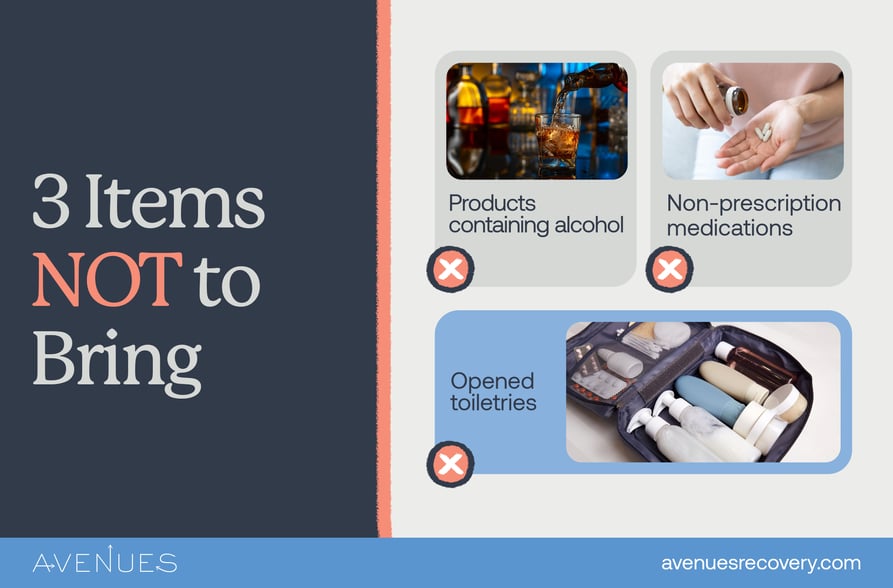
- Alcohol-based products: Mouthwashes, perfumes, or liquid meds containing alcohol.
- Non-prescribed meds: Loose pills, sleep aids, or herbal supplements.
- Opened items: Any toiletries that aren't factory-sealed.
- Safety risks: Razors, scissors, or metal nail files.
- High-value items: Expensive jewelry or large amounts of cash.
- Outside Food: Some centers limit these to control ingredients or caffeine content.
- Work devices: Laptops or unrestricted phones may be limited to help you rest your nervous sys
The "Don't Forget" List to Bring to Rehab
- ID & Insurance: Passport/Driver’s license and insurance cards.
- Prescriptions: Must be in original labeled bottles with a written dosage list.
- Contact Directory: A written list of names and numbers for people you want to stay in touch with.
- Grounding Items: Printed photos of loved ones and stamps/envelopes for letters.
- Pocket Cash: A debit card and a small amount of cash for minor day-to-day needs.
What to Bring to Avenues Inpatient Rehab
If you’re heading to an Avenues Recovery center, we want to help you keep things manageable. Plan to bring roughly ten days of clothing—since we have laundry facilities on-site, there’s no need to overpack. While we provide the essentials to keep you comfortable, we recommend bringing a small amount of pocket money (usually capped at $50 per week) for approved extras like snacks or cigarettes.
Like most professional treatment programs, we have rules in place to keep the environment calm, safe, and respectful. Along with the standard restrictions mentioned above, anything that could interfere with the safety, dignity, or shared healing atmosphere of the community will need to be left at home.
If you’re ready to take your recovery seriously, we're ready for you. Join us at Avenues Recovery.
FAQ
Q: Why choose rehab if there isn’t a visible "crisis"?
A: You don't need to hit rock bottom to ask for help. Many people choose rehab because they recognize their current coping methods aren’t working and they want a steadier, healthier way to live.
Q: What type of clothing should I pack?
A: Think simple, modest, and comfortable. Bring clothes suitable for layering, group therapy sessions, and walking between activities.
Q: Why do my toiletries need to be new and factory-sealed?
A: This is a safety standard to prevent hidden alcohol or prohibited substances from entering the facility and to comply with our clinical safety policies.
Q: What kind of hobby items can I bring?
A: We encourage "unplugged" activities. Journals, pens, books, Wi-Fi-free music players, tablets (for reading), sketchpads, or cameras are all great for personal downtime.
Q: What is strictly prohibited?
A: Alcohol, non-prescribed medications, drug paraphernalia, sharp objects, clothing with offensive branding, valuables, and unrestricted work devices.