

Key takeaways:
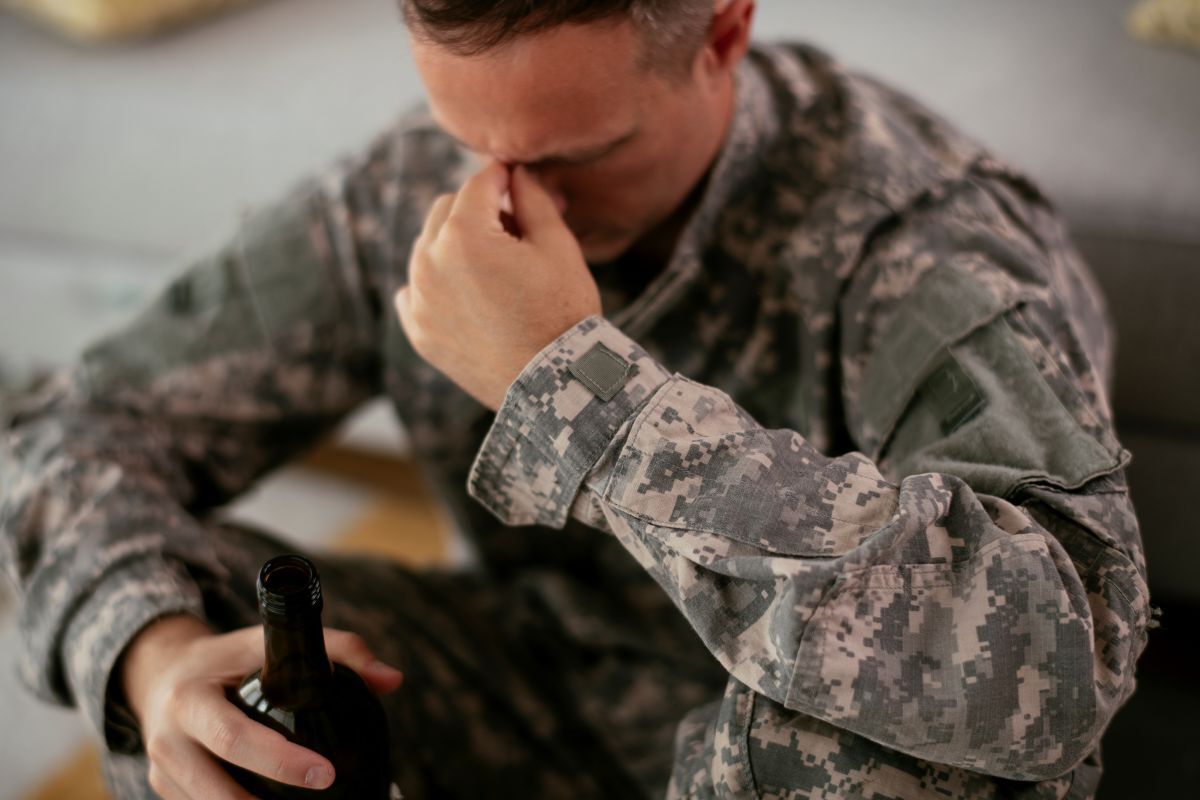
- Alcohol use is prevalent in the military because of the drinking culture in the army.
- Drug use is less prevalent, although prescription medication is misused more than any other drug.
- Loneliness, isolation, stress, and trauma are all factors that contribute to substance use in the military.
- The stigma attached to addiction is a tremendous barrier to many service members getting help.
- Reach out to Avenues Recovery so we can help you and your husband through addiction.
Substance abuse in the military:
Substance abuse in the military is a very pressing issue, especially for people serving in the military and their loved ones. As the wife of a heroic man who has dedicated his life to protect the country, you may be worried about how he will return from his service. Will he develop an addiction? And if he does, will he still look heroic to you?
The reality is that substances are widespread in the military for a variety of reasons. This article will delve into why that is so. We’ll also help you understand what life in the military is like for your husband, whether he’s in the army, navy, air force, or guard corps. Hopefully, you will develop compassion for him and his circumstances, and find the heroism within you to love and support him no matter how he returns form his service.
The prevalence of alcoholism in the military:
There was some research in 2018 that determined that binge drinking (defined as five or more drinks at one time for men and four or more drinks at one time for women) and heavy drinking (defined as binge drinking at least once or twice a week) was common in the army. According to the numbers, 34.0% reported binge drinking at minimum once in the past 30 days and 9.8% reported heavy drinking.
This data may alarm you, which is perfectly understandable. It’s frightening to see how prevalent alcohol is in the army, where your dear husband is currently serving. However, it’s important for you to know that not every young man uses alcohol or becomes addicted to it. Also, you can still gently influence your husband and encourage him to stay away from substances that can potentially ruin his future. Finally, if you know the signs of alcohol use in the army, you’re better equipped to identify and deal with alcohol struggles in your husband. So read on.
Why is there alcohol abuse in the military?
There are several factors that cause soldiers in the army to use alcohol. Probably the most defining factor is the drinking culture. You know how you used to play with a ball in school whenever that was trending, and you switched to jump rope as soon as that’s what all the cool kids did? When you were a teenager, you started to use makeup when your friends did, went to the same camp as they did (even when you hated it!), and ate salads or protein shakes when they did (even as you gagged through it).
We humans are social beings. We like to fit in and do what our friends are doing. And we don’t outgrow that stage- it follows us through our lives. The same is true for your husband in the army. As a newcomer, he’ll want to fit in and do what everyone else is doing, which includes drinking to relax, recharge, and have fun. As much as you and your husband believe it’s not a good thing, the temptation to fit in may be too great.
Other causes of military and substance abuse:
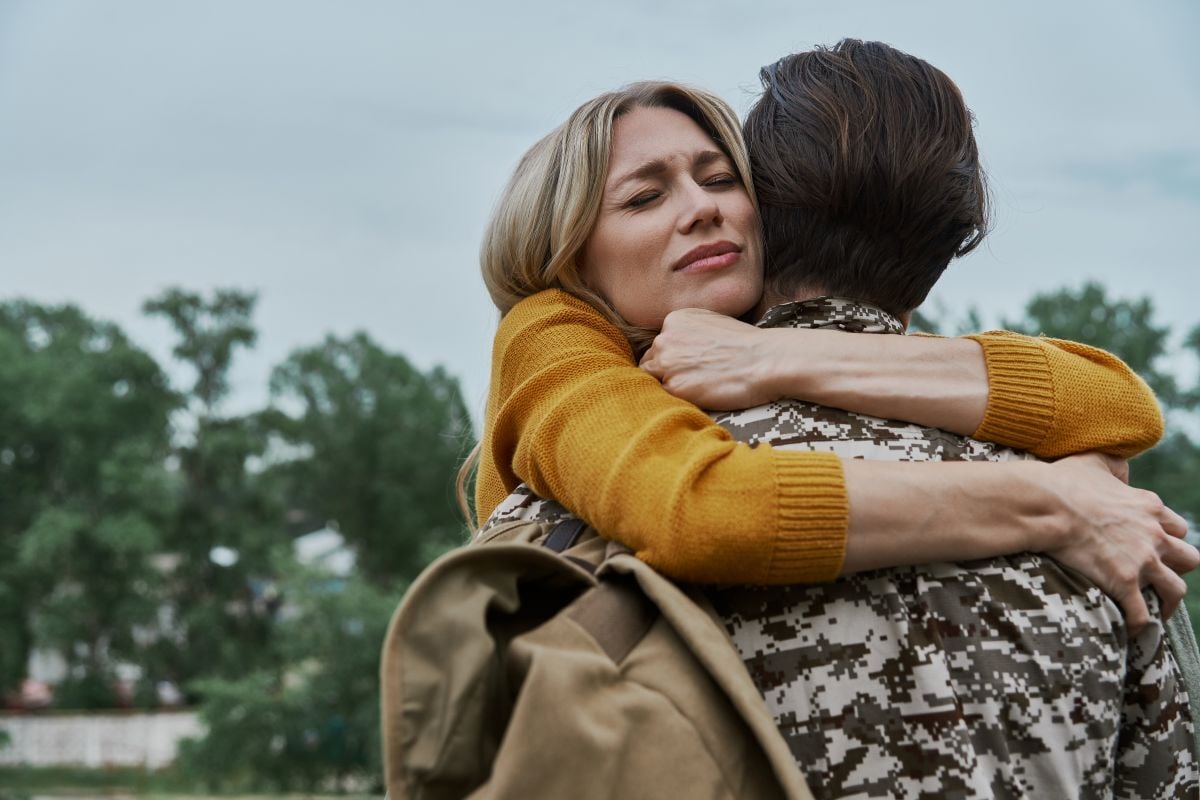
The lives of military members are tough. Think about it, just like you’re missing your partner desperately, he is missing you and the life he was living before joining the military! It’s lonely and sometimes depressing to live far from home, eat food you don’t like or don’t recognize, and sleep with many other men in a communal room.
If your husband is more reserved or shy, he may have a hard time speaking with other people and integrating with the crowd, setting him apart and making him feel isolated. These feelings are difficult to carry every day from morning to evening. Add to that the constant physical and emotional stress of training and assignments in the military. Life in the military is tough!
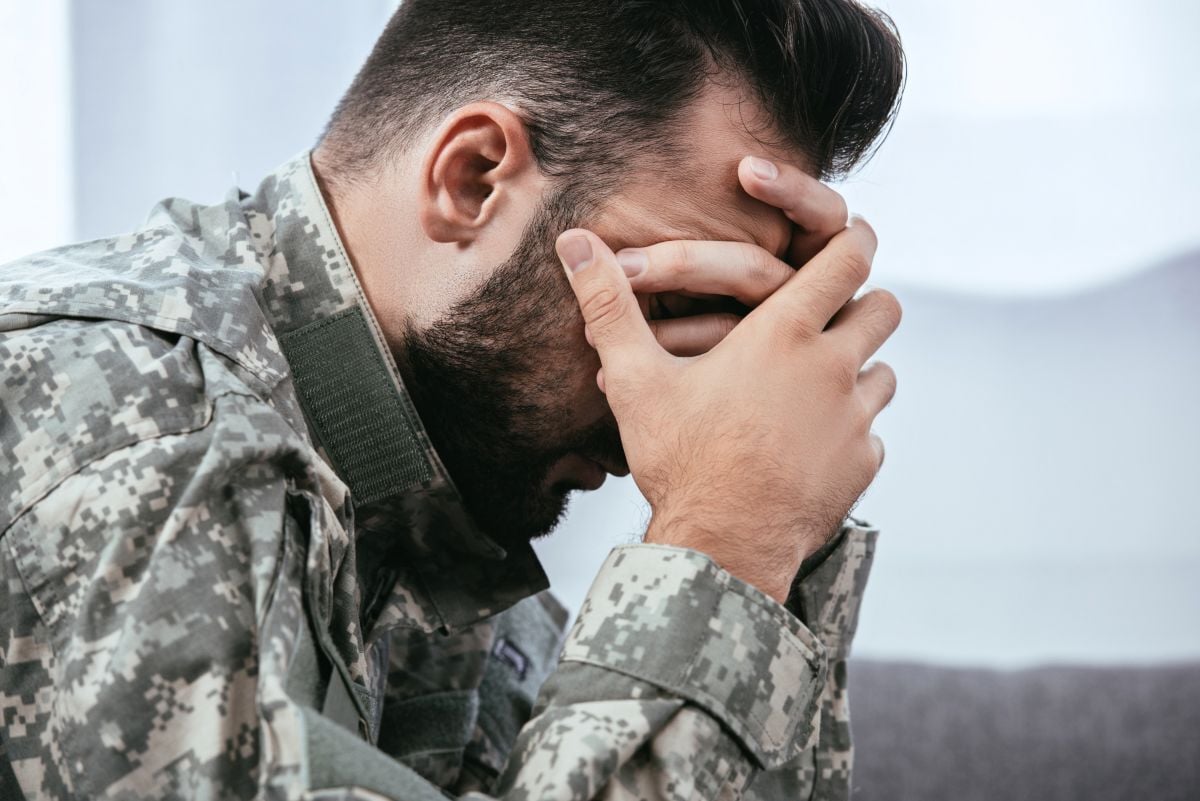
Your husband may have been exposed to traumatic events like fighting and violence, which are impossible to ignore. He may have watched friends being shot or wounded which take a toll on any person. He may be battling depression, anxiety, or PTSD, with no tools to help him. All of these challenges and stresses fade away when drinking alcohol or using drugs, making it such an alluring temptation for service members in the military.
Is there drug abuse in the military?
Drug use hasn’t permeated the army culture as much as alcohol has, although it is still somewhat prevalent. Studies have shown that both cigarettes and alcohol are used far more than drugs are. In fact, a 2015 study by Health Related Behaviors Survey (HRBS) showed declining rates of drug use in the military, compared to the 2011 survey.
The military and drugs aren’t as interrelated as alcohol, but it’s worth noting that of the drugs that are being used in the army, prescription drugs come up at the top. So if your partner is being prescribed medication, you can probably figure out if he is getting more medication than needed from his doctor.
Military and substance abuse stigma:
As much as we’ve progressed in our mindsets on mental health as a society, there is still significant stigma around substance abuse. This is true for any person, but more so for people like your husband, who are idealized for their sacrifice and service to the country. It’s humbling and humiliating for a member of the military to admit that they may have an issue with alcohol or drugs.
People in the army may fear dishonorable discharge from the army or the stripping of their rank. If you’re married to a guy, you know how much men value their respect. Being publicly humiliated is devastating to their pride, as is admitting they have a problem and they need help from others.
For many service members, they are afraid that they’ll have a harder time integrating back into society when returning if they admit to having a problem. They are aware that they have been out of mainstream society during active duty, and acknowledging an addiction would further oust them from society and make it difficult to reintegrate. These factors are all very real for a soldier- even if they don’t make sense to you as the wife.
What can I do about addiction in the military?
Although there is probably very little you can do to combat alcohol and drug use in the army, you can focus on how you can best help and support your partner in the military. Firstly, be aware of the fact that alcohol and drug use is prevalent in the military, and that your husband may develop a substance use disorder. Allowing yourself to sink into denial isn’t going to help anyone- face the fact that there is a chance your husband will struggle with substance use when he returns.
Once you are aware of the facts, you can try to develop understanding and compassion toward your husband. It’s normal to feel anger, resentment, and self-pity when you find out that your husband has an addiction. While you have to give yourself the time and space to feel these emotions, know that they are negative and destructive in the long term. Find the help and support you need to ride this wave, whether through therapy, Al-Anon, or Nar-Anon.
Finally, educate yourself on the best way to support your husband through this crisis. Acknowledge that you can’t control your partner- he is a grown adult who needs the space to make his own decisions. You can, however, gently suggest that your husband seeks help for his addiction. You can also find a good rehab center for him to join when he’s ready for help.
Avenues Recovery’s approach to addiction recovery:
At Avenues Recovery, we support people with addiction from medical detox to sobriety. We have professionally trained, compassionate staff who craft a personalized treatment plan for every patient, taking into account their background and addiction history, to help them reach sobriety. We have specialized tracks for veterans and members of the military in active duty which allows them to be in the company of fellows who were in the same situation as they were in.
We take into account co-occurring mental health disorders which are especially common for veterans, including anxiety, depression, PTSD, TBI, MST, and other disorders. We believe that every person who reaches out for help is heroic, but we afford special treatment to the brave service members who help protect our country. We urge you and your husband to reach out to us so we can help and support you through this difficult time.