


Key Takeaways
- Lorazepam side effects include drowsiness, mental fog, reduced coordination
- Stopping suddenly is dangerous; tapering under medical supervision is essential.
- Treatment combines safe tapering, therapy, and programs addressing both anxiety and substance use.
Side Effects of Ativan
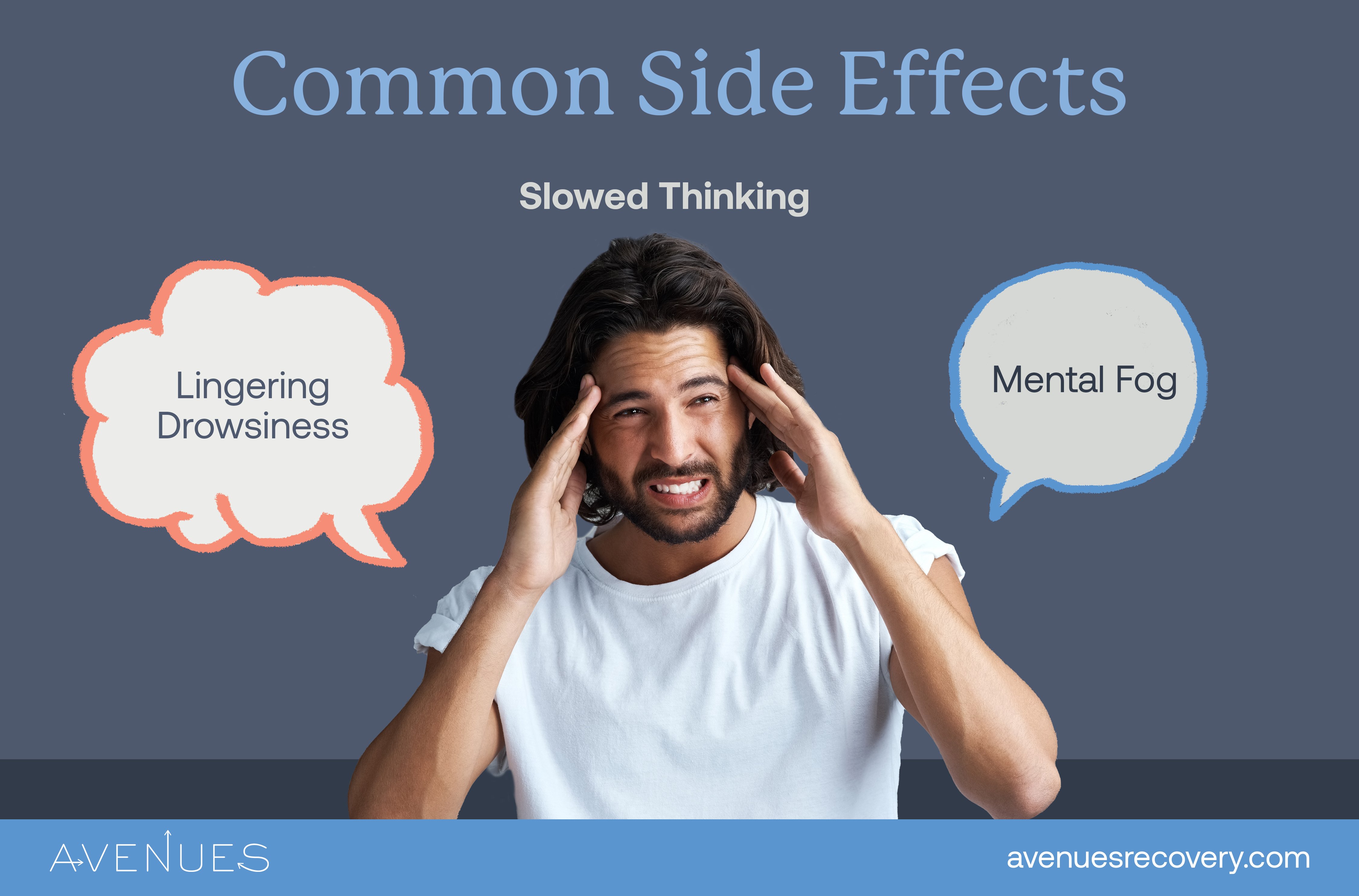
These are some Lorazepam side effects:
- Lingering drowsiness
- Mental fog
- Slowed thinking
- Memory gaps
- Emotional numbness
- Reduced coordination
Over time, regular use can lead to:
- Tolerance
- Dependence
- Withdrawal symptoms
Ativan (Lorazepam) is a type of benzos designed to calm your nervous system and ease acute anxiety or panic. But short-term relief doesn’t always reflect the long-term impact. If you’re starting to question whether this medication is truly helping you cope or quietly adding to the strain, you’re not imagining it…and you’re not alone. There are treatment options that respect your responsibilities while addressing both anxiety and substance use. To explore what support could look like for you, visit Avenues Recovery.
Does Ativan Make You Sleepy?
Yes. Sleepiness is a very common effect of Ativan. Because it slows the nervous system, it can make you feel tired, heavy, or mentally slowed, even at doses prescribed for anxiety. You may notice grogginess, reduced focus, or a “muted” feeling that carries into the next day, particularly if you’re already worn down by stress or poor sleep.
For many people, this fatigue isn’t dramatic; it’s subtle and easy to explain away. You keep functioning, but everything takes more effort. Over time, that constant low-level drowsiness can affect concentration, mood, and how present you feel in your own life. If you’re starting to wonder whether Ativan, a type of benzos, is easing anxiety at the cost of your energy or clarity, it’s worth paying attention. There are ways to address anxiety without feeling dulled or disconnected.

What Are the Most Common Side Effects of Lorazepam?
The most common adverse effects of Ativan (Lorazepam) are closely tied to its calming effects on your nervous system. You may notice:
- Drowsiness or sleepiness that lingers into the next day
- Mental fog or slowed thinking
- Memory issues, especially short-term memory gaps
- Unsteadiness or reduced coordination
- Dizziness or lightheadedness
- Emotional blunting
While these side effects are often mild, they can become more noticeable if you’re using Ativan regularly, combining it with alcohol, or dealing with ongoing stress, anxiety, or trauma.
Long-term effects of Ativan
For someone who seems to be holding life together but feels like they’re falling apart inside, long-term Ativan use can quietly take a toll. It can dull thinking, reduce motivation, and leave you emotionally numb—less anxious, but also less like yourself. Sleep can suffer, low mood can deepen, and stress can feel harder to manage without another dose. Over time, tolerance and dependence can develop, and the risk of misuse grows, especially with alcohol. Many high-functioning adults blame themselves, not realizing these are common effects of prolonged Ativan use.
Using Ativan Safely: Risks and Warning Signs
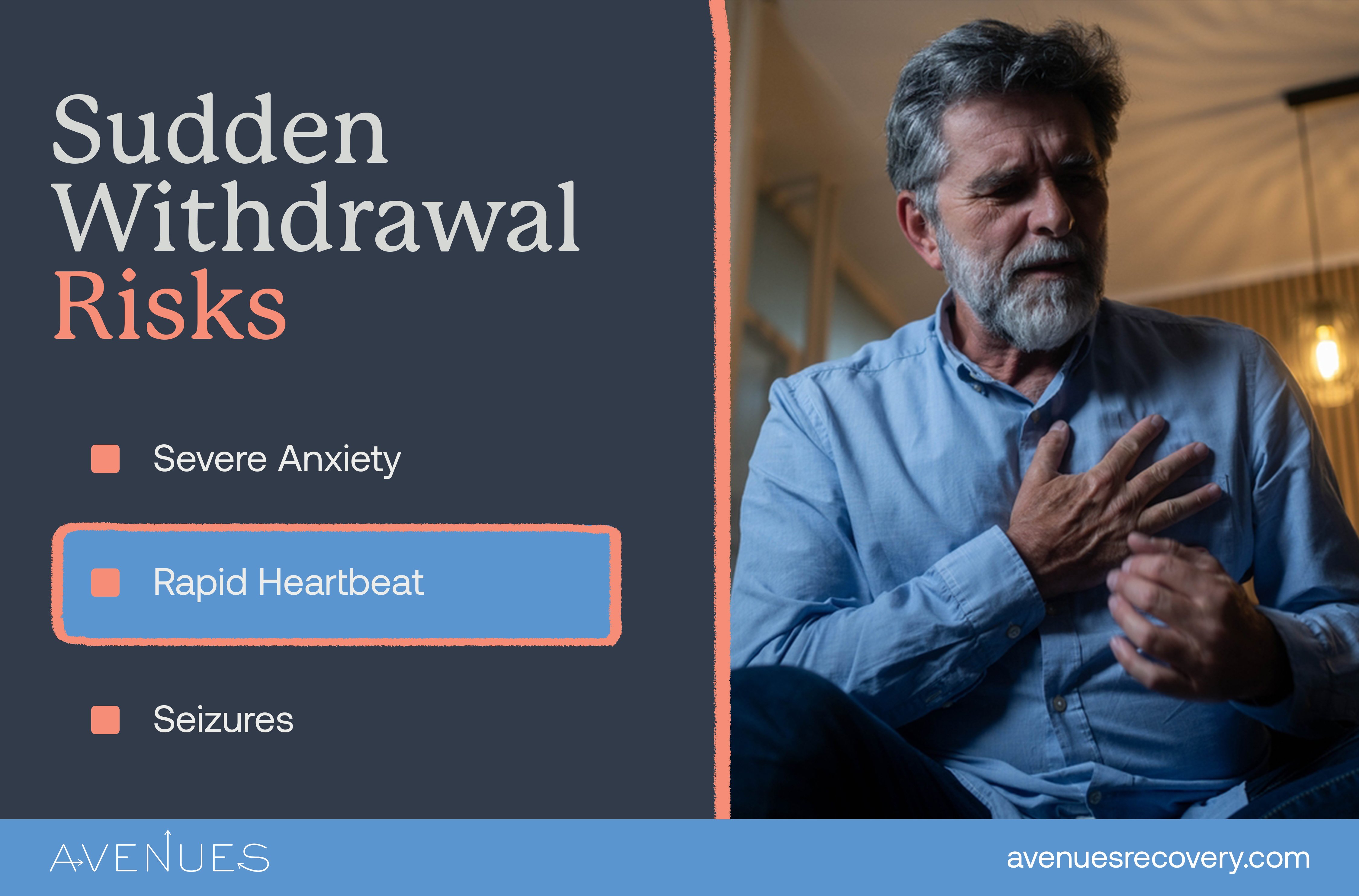
For someone who looks like they’re managing life but feels out of control inside, it’s important to know that stopping Ativan suddenly can be dangerous. Withdrawal can cause severe anxiety, restlessness, irritability, and even physical symptoms like rapid heartbeat or seizures. Because of this, any changes to your dose should always be made under medical supervision.
Ativan is safest when used short-term and exactly as prescribed. Pay attention to your body. Side effects like worsening depression, extreme drowsiness, confusion, or trouble breathing are signs you need medical help right away. Following safe-use guidelines and working with a professional can help you manage symptoms while protecting both your mental health and overall safety.
Ativan and Depression
Ativan is often prescribed to ease anxiety, help with sleep, or manage intense stress. For someone who appears to be functioning — working, caring for family, keeping up with responsibilities — it can feel like a necessary tool. But when depression is already present, Ativan doesn’t treat it and may actually worsen low mood, diminish motivation, or lead to emotional numbness—especially with regular use or alcohol. What begins as relief can slowly turn into feeling disconnected and less in control.
This is where many high-functioning adults feel stuck: not “bad enough” to seek help, yet clearly not okay. Anxiety, depression, and substance use often overlap, and focusing on only one rarely brings real relief. Effective care looks at the whole picture and respects real-life demands. With the right support like we have at Avenues Recovery, it’s possible to regain clarity and stability before things reach a breaking point.
Does Ativan Cause Anxiety?
Yes, Ativan can cause or worsen anxiety, especially with ongoing use. It’s meant to calm anxiety short-term, but the body can adjust to it. When that happens, its effects wear off and anxiety can return more intensely between doses. This can be unsettling, particularly for someone who still appears functional but feels increasingly on edge inside.
There’s also a rebound effect many don’t expect. Ativan may blunt anxiety briefly, but as it wears off, anxiety, irritability, or restlessness can spike. When combined with stress, depression, or alcohol, this cycle grows stronger. This isn’t a personal failure; it’s often a sign that anxiety needs a more comprehensive approach to treatment.
Treatment Options for Ativan Dependence
For someone who’s functioning on the outside but struggling inside, there are several treatment options for Ativan dependence that address both mental health and real-life responsibilities. The first step is often a medically supervised taper, where the dose is gradually reduced to safely minimize withdrawal symptoms. This process is personalized to your needs, pace, and any other health concerns, including depression, anxiety, or alcohol use.
Alongside tapering, therapy and support programs can help you regain coping skills and emotional balance. Outpatient programs allow you to keep up with work and family while receiving structured care, while residential programs provide intensive support if symptoms are severe. Programs like Avenues Recovery integrate substance use treatment with mental health care, helping you rebuild stability, manage anxiety and depression, and feel in control again without relying on Ativan.