


Knowing which substances are the most addictive and which are the hardest to quit is essential for anyone concerned about addiction. From legal drugs like alcohol and nicotine to powerful opioids such as heroin and fentanyl, these substances hijack the brain’s reward system, triggering intense cravings, rapid dependence, and challenging withdrawal. Find out which are the most addictive substances and be aware of their health risks.
Key Takeaways:
- Some substances, such as opioids, stimulants, and synthetic drugs, trigger extremely strong dopamine surges, making them far more addictive than others.
- The fastest-acting and deadliest drugs include fentanyl, heroin, crack cocaine, and meth; even small doses can lead to dependence or fatal overdose.
- Prescription medications such as benzos, Adderall, and opioid painkillers can be safe when used properly, but carry major addiction risks when misused.
- Hallucinogens and psychedelics are not typically “physically addictive,” but they can still cause psychological dependence and dangerous effects.
- Professional treatment, medical supervision, and long-term support significantly improve recovery outcomes for all types of substance addiction.
Alcohol: Why It’s Addictive and Its Health Risks

Alcohol addiction in the United States is very common, making alcohol one of the most addictive drugs used socially. 86% of adults in the U.S. have tried alcohol. Over 14 million adults in the U.S. struggle with alcohol use disorder. People often use alcohol for fun and relaxation.
However, drinking excessively can lead to health problems like:
- High blood pressure
- Alcohol poisoning
- Stroke
- Memory issues
- Depression
- Anxiety
When someone stops drinking alcohol, it can cause serious problems, like delirium, characterized by symptoms such as confusion, hallucinations, severe tremors, and cardiovascular disturbances, which can be deadly. Other symptoms include shaking, hallucinating, and seizures. Alcohol withdrawal can be severe. In extreme cases, it becomes life-threatening, which is why alcohol is sometimes considered one of the hardest drugs to quit.
If you or a loved one suffers from alcohol addiction, reach out to us at Avenues Recovery so we can guide you on your path to recovery.
Methadone (Meth): Uses, Dependence Risk, and Withdrawal
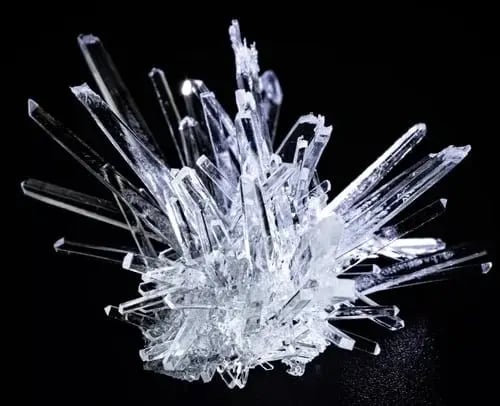
Methadone has some medical benefits, which include its ability to treat ADHD, obesity and to taper off of heroin addiction. The downside of using it, is that many people believe that meth is the most addictive drug. That’s why, when using it to ease withdrawal symptoms, it's important to have close medical supervision. Doctors suggest reducing the doses slowly to lessen withdrawal effects and avoid getting addicted to methadone itself. Medications like Vivitrol and Suboxone can be used for treatment with fewer worries about addiction compared to methadone.
Cocaine: Is Cocaine the Most Addictive Drug?

Cocaine is a highly addictive stimulant and common street drug. People dealing with cocaine addiction often feel it is the most addictive drug. It comes from the coca plant in South America and is usually found as a white powder on the streets. Unfortunately, it's often mixed with starches or other drugs like amphetamines and opioids. People usually snort cocaine, getting a quick but intense high by releasing dopamine in the brain.
Health risks of cocaine use:
- Cardiovascular complications, such as heart attacks and strokes
- Increased risk of addiction
- Psychiatric disorders
- Overall adverse effects on physical and mental well-being
Crack Cocaine: One of the Hardest Drugs to Quit
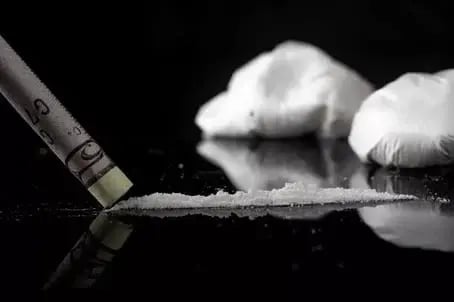
Crack cocaine is a crystallized version of cocaine produced in a rock-like form. It is commonly smoked to induce a rapid and potent high. Although it shares similarities with its parent compound, crack cocaine is distinguished by its heightened potency, leading to a quicker onset of an intense euphoric experience. The chemical effects of this substance are relatively short-lived, typically lasting around 10 minutes. Consequently, individuals grappling with addiction often find themselves compelled to pursue increasingly higher and more frequent doses to recapture the initial high. Since crack cocaine is a highly potent and addictive form of cocaine, it intensifies the risks associated with the drug, leading to rapid and intense euphoria but also increasing the likelihood of severe health consequences such as:
- Cardiovascular issues
- Respiratory problems
- High addiction potential
- Compulsive use leading to physical and mental health deterioration
Fentanyl: Extreme Potency and Overdose Danger
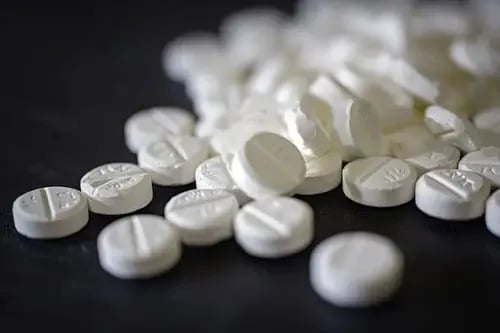
Fentanyl has gained notoriety as a synthetic, man-made counterpart to heroin. Illicit fentanyl stands as the primary driver behind the surge in overdose deaths in the United States, surpassing the combined toll of heroin, meth, cocaine, benzodiazepines, and prescription medications, particularly affecting American youth. The majority of illicit fentanyl originates from China and finds its way into the United States through the US-Mexico border. Dealers often dilute fentanyl in large batches, creating uneven mixtures and deadly pills. Even a single pill can be fatal. Because of its extreme potency, some wonder if fentanyl is the most addictive drug.
Painkillers and Opioids: Addiction Risks and Misuse
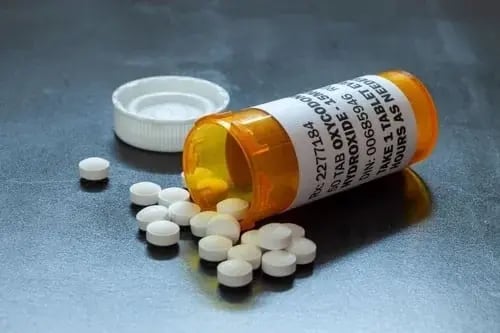
Opioid painkillers share a chemical composition similar to that of heroin and engage with the body's opioid receptors in a similar manner. While deemed safe when prescribed for short durations and at low doses, their consumption in large quantities can elicit euphoria, paving the way for misuse, overdose, and addiction. Although doctors are prescribing fewer opioid painkillers, the addiction rate and death rate across the U.S. continue to climb.
Heroin: Highly Addictive Opiate With Severe Withdrawal

Heroin, an opiate derived from morphine, is an immensely addictive substance that can be administered through injection, snorting, or smoking. It exists in various forms, appearing as a white or brown powder or a sticky black substance known as "black tar." Presently, the United States grapples with a severe epidemic related to heroin addiction and other opioid drugs, including prescription opioids. Opioids, including heroin, contribute to the tragic toll of over 136 American lives lost every day, which leads to the widespread belief that heroin may be the most addictive drug in circulation.
Benzos: Dependence, Tolerance, and Misuse Risks

Benzodiazepines, commonly known as benzos, are a class of psychoactive drugs that exert a calming effect on the central nervous system. Prescribed for their anxiety-reducing, sedative, and muscle-relaxant properties, benzos enhance the activity of a neurotransmitter called gamma-aminobutyric acid (GABA) in the brain. This increased GABA activity results in a tranquilizing effect, making benzos effective in treating conditions such as anxiety disorders, insomnia, and certain seizure disorders. However, due to their potential for tolerance, dependence, and withdrawal symptoms, especially with prolonged use, the prescription and use of benzodiazepines require careful medical supervision.
Ketamine: Medical Use vs. Addiction Potential

Ketamine is a drug used for anesthesia in humans and animals. It belongs to the class of drugs known as NMDA receptor antagonists, and its psychedelic and dissociative properties have led to its recreational use. Recently, ketamine has gained interest for treating depression and other mood disorders.
Ketamine’s rapid onset and antidepressant effects have led to its use in controlled clinical settings for patients unresponsive to traditional treatments. However, its recreational use poses risks, and misuse can lead to various health issues, including dissociation and hallucinations, and in high doses, it can be associated with serious health complications.
Kratom: Stimulant and Opioid-Like Effects Leading to Dependence

The active compounds in Kratom interact with receptors in the brain, resulting in both stimulant and opioid-like effects. Advocates suggest that it may offer benefits such as pain relief, mood enhancement, and increased energy. The stimulating properties of kratom, akin to those of opiates, can create a cycle of repeated use, as individuals seek to maintain the perceived positive effects while inadvertently fostering dependence.
Xanax: Fast-Acting Anxiety Medication With High Abuse Risk

Xanax is a brand-name prescription medication containing the active ingredient alprazolam, classified as a benzodiazepine. Primarily prescribed to manage anxiety and panic disorders, Xanax acts by enhancing the effects of the neurotransmitter GABA in the brain, resulting in a calming effect. It is known for its rapid onset of action, typically bringing relief within 30 to 60 minutes. While effective in the short term, Xanax carries the risk of abuse, dependence, and withdrawal symptoms if used improperly or for extended periods. Therefore, its usage is generally limited to short durations under the supervision of a healthcare professional.
Adderall: Stimulant Misuse, Dependency, and Side Effects

Adderall is a prescription medication that combines amphetamine and dextroamphetamine, belonging to the class of drugs known as stimulants. It is primarily prescribed to treat attention deficit hyperactivity disorder (ADHD) and narcolepsy (sleep issues). Adderall works by increasing the levels of certain neurotransmitters, such as dopamine and norepinephrine, in the brain, which helps improve attention, focus, and impulse control. Due to its stimulant properties, many students abuse Adderall during test season and often develop addiction. Misuse can cause rapid heart rate, high blood pressure, and insomnia. Healthcare professionals should closely monitor its usage to minimize risks and ensure appropriate treatment for individuals with ADHD or narcolepsy.
Marijuana: Psychoactive Effects and Dependence Potential

Marijuana, also known as cannabis, is a psychoactive plant that has been used for various medicinal, recreational, and industrial purposes for centuries. The plant contains compounds called cannabinoids, with delta-9-tetrahydrocannabinol (THC) being the primary psychoactive component responsible for the plant's mind-altering effects. In recent years, debates over marijuana legalization have grown worldwide, with some advocating full legal access and others warning against potential risks.
Hallucinogens: Powerful Perceptual Effects and Mental Health Risks

Hallucinogens are drugs that cause changes in perception, mood, and consciousness, leading to intense sensory distortions and hallucinations. Examples include substances like LSD, psilocybin mushrooms, and DMT. These drugs interact with serotonin receptors in the brain, affecting mood and sensory processing. Effects range from euphoria to vivid sensory distortions. Some cultures use hallucinogens in rituals, and their therapeutic potential for depression is being explored. Recreational use carries risks, including psychological distress, due to powerful and unpredictable effects.
Suboxone: Treatment Benefits and Misuse Concerns

Suboxone is a medicine for treating opioid addiction. It has two main ingredients: buprenorphine, which helps with cravings, and naloxone, which prevents misuse. People take it under the guidance of healthcare professionals. It's part of a broader plan that includes counseling and support to help individuals gradually reduce or stop using opioids. Naloxone in Suboxone prevents misuse, as injecting it can trigger withdrawal in opioid-dependent individuals. Doctors are advocating for fewer prescribing restrictions amid the opioid crisis, as Suboxone can save lives when used properly.
Ecstasy (MDMA): Euphoria, Neurotoxicity, and Long-Term Risks
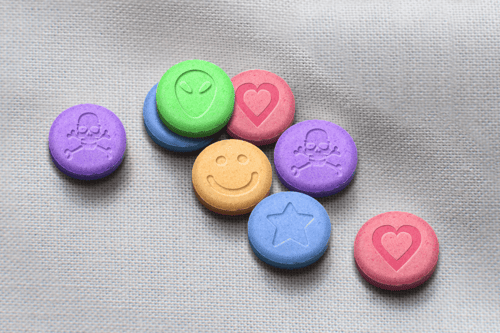
Ecstasy, commonly known as MDMA, is a synthetic drug that alters mood and perception. It is chemically similar to both stimulants and hallucinogens and produces feelings of increased energy, pleasure, emotional warmth, and distorted sensory and time perception. Ecstasy can enhance the enjoyment of sensory experiences and is often associated with music festivals and dance parties. However, it can also have serious health risks, including dehydration and overheating. Long-term use of ecstasy can lead to damage of vital organs, psychosis, anxiety, depression and cardiovascular collapse.
Ambien: Sleep Medication With Dependence Risk

Ambien is a brand name for the drug zolpidem, which is commonly prescribed to treat insomnia or difficulty sleeping. It belongs to a class of medications known as sedative-hypnotics and works by affecting certain chemicals in the brain that may be unbalanced in people with sleep problems. Ambien is typically used for short-term treatment and is intended to help individuals fall asleep more quickly and stay asleep. It's important to take Ambien exactly as prescribed by a healthcare professional, as misuse or extended use can lead to dependence or other side effects.
Psilocybin: Hallucinogenic Effects and Potential Risks

Psilocybin is a naturally occurring psychedelic compound found in certain mushrooms, commonly known as magic mushrooms or psilocybin mushrooms. When ingested, psilocybin is converted to psilocin in the body, and both substances have hallucinogenic effects. Psilocybin mushrooms have been used for centuries in cultural and spiritual practices. They can alter perception, produce vivid visuals, and affect thought processes. While some use them recreationally or spiritually, they are illegal in many places and can cause psychological distress or "bad trips."
Ibogaine: Psychoactive Properties and Serious Safety Concerns

Ibogaine is a psychoactive compound derived from the root bark of the iboga plant in Central Africa. Traditionally used in African spiritual ceremonies, ibogaine is hallucinogenic and sometimes explored for treating opioid addiction. It carries serious cardiac risks, requires medical supervision, and is illegal or unregulated in many countries due to safety and efficacy concerns.
What Is the Most Addictive Drug?
Many substances are highly addictive and belong on the list of the most addictive drugs, including alcohol, cocaine, meth, fentanyl, and more. From opioids to stimulants, these substances can cause severe harm. However, recovery is possible.
Addiction may be overwhelming, but with the professional and empathetic support of our staff at Avenues Recovery, it is entirely possible. Our highly trained addiction counselors have helped thousands of people break free from their addictions, and they can help you too. Contact us today to take your first step towards a brighter, healthier and addiction-free future.
FAQs on The Most Addictive Substances
Which substances are the most addictive to humans?
The most addictive substances include nicotine, heroin, cocaine, methamphetamine, and alcohol. These drugs strongly stimulate the brain's reward system, create intense cravings, and produce rapid tolerance, making them extremely difficult to quit without medical or behavioral support.
What are the 10 most addictive drugs?
The 10 most addictive substances include nicotine, heroin, cocaine, methamphetamine, alcohol, fentanyl, prescription opioids, benzodiazepines, amphetamines, and cannabis. These drugs are highly habit-forming, trigger strong cravings, and can be very difficult to quit.
Which drug causes addiction the fastest?
Methamphetamine causes addiction the fastest because it floods the brain with dopamine, producing immediate, intense euphoria. Users can develop dependence within days of repeated use, and the drug triggers strong cravings that are difficult to resist.
Which drug is the most fatal?
Opioids, including heroin and fentanyl, are the most fatal drugs due to high overdose risk. They depress breathing and can cause death even in small doses. Fentanyl is particularly lethal because it is 50–100 times stronger than morphine, increasing accidental overdose risk.
Which drug produces the most severe withdrawal symptoms?
Opioids produce the most severe withdrawal symptoms, including intense pain, nausea, diarrhea, anxiety, and cravings. Symptoms appear within hours of the last dose and can persist for a week or longer, making medical supervision critical for safe detox.
Is alcohol really addictive compared to other drugs?
Alcohol is addictive but generally less potent than opioids, methamphetamine, or nicotine. Chronic alcohol use changes brain chemistry, creating dependence, cravings, and withdrawal symptoms that can be severe, including tremors, seizures, and delirium tremens in extreme cases.