

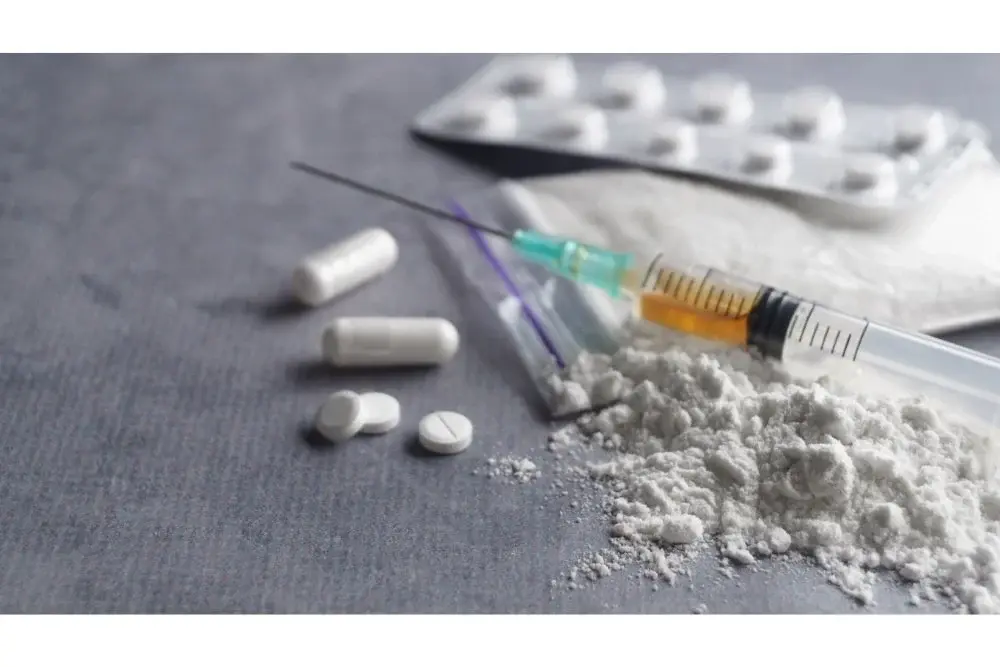
Hardest drugs to quit include opioids, benzodiazepines, alcohol, and nicotine.
Some drugs are so physically and psychologically gripping that quitting without professional help is nearly impossible.
Because these drugs combine severe physical withdrawal symptoms, intense cravings, significant changes in brain chemistry, and high relapse rates, recovery programs like those at Avenues Recovery typically pair medical detox with longer-term support to address both the physical and psychological sides of addiction.
Key Takeaways About the Hardest Drugs to Quit
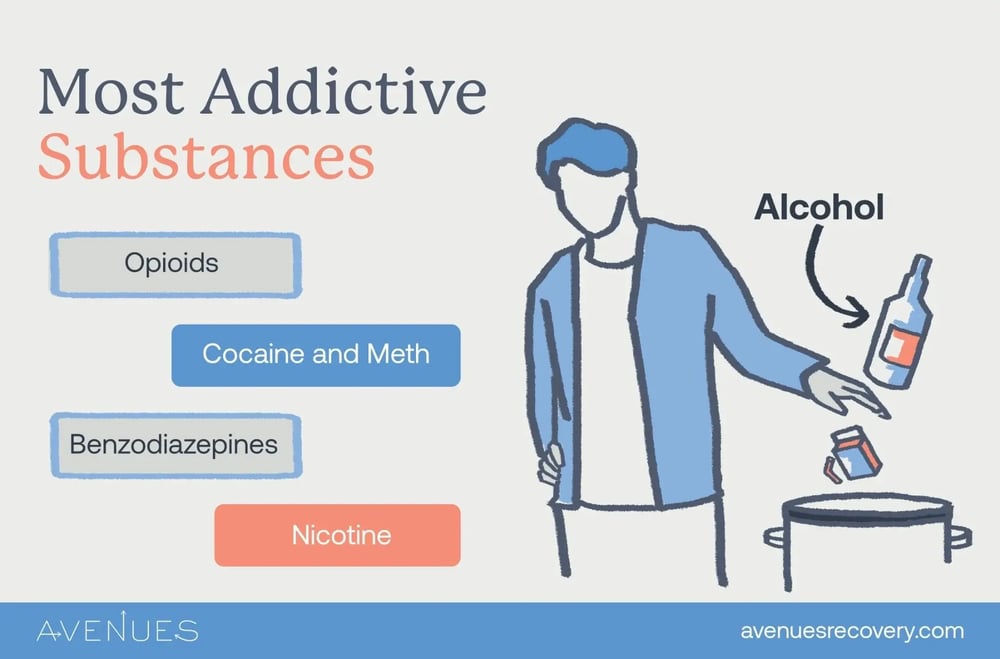
- Opioids, benzodiazepines, cocaine, methamphetamine, alcohol, and nicotine are among the hardest substances to quit.
- Withdrawal from alcohol and benzos can be life-threatening without medical supervision.
- Opioid and nicotine addictions often show one-year relapse rates of 80–90% without treatment support.
- Medication-assisted treatment (MAT) can significantly improve outcomes for opioid and alcohol dependence.
- Professional detox addresses addiction's physical and psychological aspects, making recovery safer and more sustainable.
Why Are Some Drugs Harder to Quit Than Others?
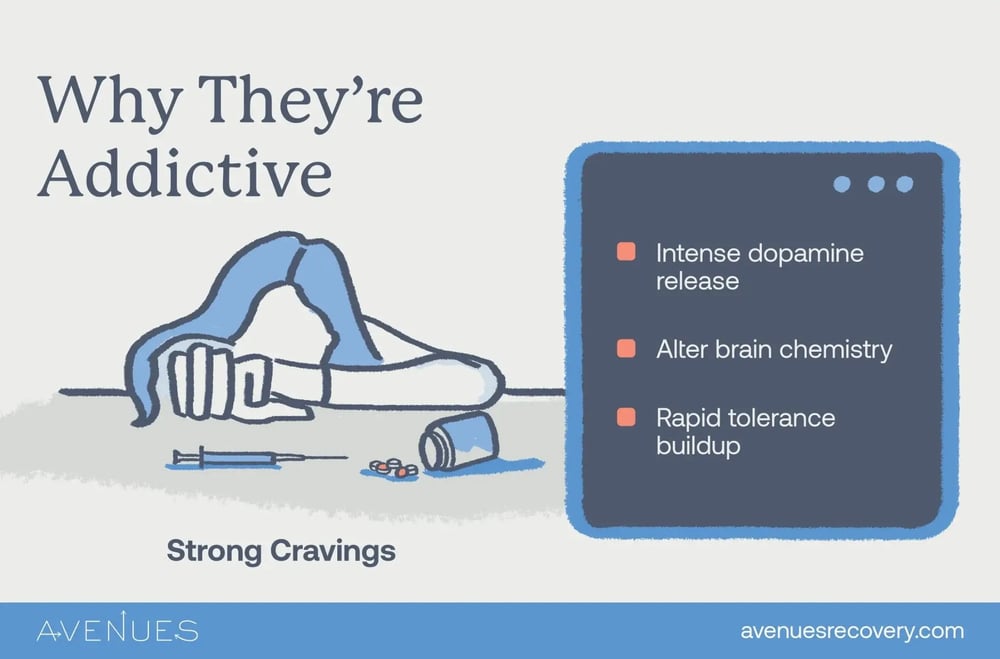
Drugs are harder to quit when they strongly alter brain reward pathways and trigger severe withdrawal symptoms. Not all substances carry the same risk of dependence. The distinction between hard and soft drugs matters here (although it’s not binary). The hardest addictions to quit flood the brain with dopamine far beyond what normal activities produce, and they trigger severe withdrawal symptoms when you try to stop.
Figuring out what the worst human addiction is really depends on how you measure it.
|
Measurement |
Hardest to Quit |
|
Physical danger of withdrawal |
Alcohol and Benzodiazepines |
|
Relapse rate |
Opioids and Nicotine |
|
Speed of dependence |
Crack Cocaine and Heroin |
|
Sheer prevalence |
Nicotine and Alcohol |
The sections below break down what makes each of these substances so hard to stop, and what the drug education research says about overcoming them.
Opioids: High Relapse Rates
Opioid drugs are incredibly hard to quit due to their powerful effects on the brain and body. These substances primarily target the brain’s opioid receptors, which are involved in regulating pain and reward. When you use opioids, they bind to these receptors, triggering a massive release of dopamine, the neurotransmitter associated with pleasure and reward.
Long-term opioid use leads to changes in brain chemistry that make it difficult to experience pleasure from everyday activities. This condition, known as anhedonia, can continue long after the drug is out of the system, contributing to the high relapse rates among those attempting to recover. Opioids carry a higher risk of relapse than any other addictive drug.
Statistics highlight the severity of the opioid addiction crisis. At the time of the publication of the 2024 National Survey on Drug Use and Health, more than 4.8 million Americans had an opioid use disorder.
The complexity of opioid addiction underscores the need for comprehensive treatment approaches that address both the physical and psychological aspects of the disorder. Treatment for opioid addiction often includes medically supervised detoxification, medication-assisted treatment (MAT) with drugs like buprenorphine or methadone, counseling, and support groups.
Benzodiazepines: Among the Worst Withdrawals
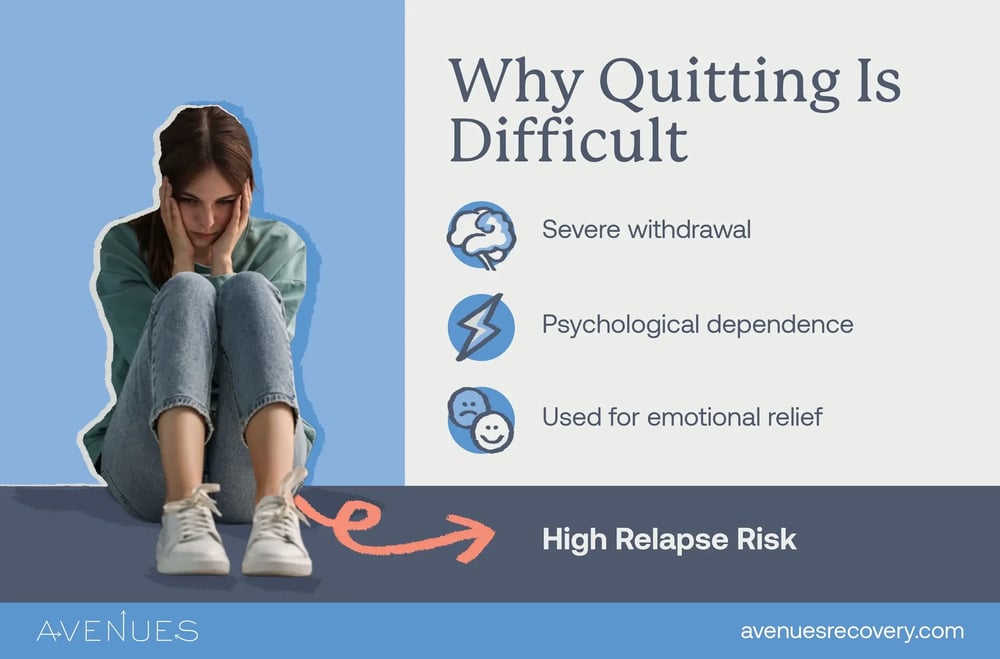
Many people consider benzodiazepines to be one of the hardest drugs to quit, and the withdrawal process is a major factor in that. Benzos cause significant physical dependence. When taken over a long period, your body adapts to them, and stopping suddenly can lead to severe withdrawal symptoms, including anxiety, insomnia, seizures, muscle pain, tremors, and even psychosis. These symptoms can be more severe than those of many other drugs, making it agonizing to quit.
Benzos are often prescribed for chronic conditions like anxiety and insomnia. Prolonged use increases the risk of dependence. Users also develop a tolerance over time, needing higher doses to achieve the same effect, which further deepens dependence. On top of that, benzos are effective in managing anxiety and inducing relaxation, which makes users psychologically dependent and fearful of the return of their symptoms without the drug.
Stopping benzos can also lead to a rebound effect where the symptoms the drugs were initially prescribed to treat return more intensely. Some benzos have a long half-life, meaning they stay in the body for an extended period, which can prolong the withdrawal process.
Given these factors, quitting benzos often requires a carefully managed tapering schedule under medical supervision to minimize withdrawal symptoms and ensure safety.
Cocaine and Methamphetamine: Powerful Dependence
Cocaine and methamphetamine (meth) are notoriously difficult to quit due to their profound impact on the brain’s reward system. Both drugs also create intense psychological dependence and significantly affect levels of dopamine, a neurotransmitter associated with pleasure and reward.
The powerful euphoric effects of these drugs can make them extremely addictive, as users often crave the intense pleasure and energy they provide. Over time, the brain becomes accustomed to these high dopamine levels, and normal activities that once brought pleasure no longer do so.
This leads to a cycle of dependence where the user needs more of the drug to achieve the same effects. The psychological dependence is also significant, as users often associate the drug with certain activities, environments, or coping mechanisms, further complicating the process of quitting.
Is meth the hardest drug to quit? While meth may not top every ranking, long-term use can physically damage the brain, causing problems with memory and emotional regulation that may only be partially reversible with sustained abstinence.
Alcohol: Prevalence and Difficult Withdrawal
Physically, regular alcohol use builds tolerance, so over time, a person needs more to feel the same effect. When a heavy drinker stops abruptly, withdrawal can hit forcefully. What begins as anxiety, irritability, and trembling can escalate into a pounding heart rate, hallucinations, seizures, and delirium tremens (DTs). These symptoms can be life-threatening without medical care, and their intensity often traps people in a cycle of drinking to hold the agony at bay.
At the time of the publication of the 2024 National Survey on Drug Use and Health, 27.9 million Americans had an alcohol use disorder.
Psychologically, alcohol is often used as a coping mechanism to manage stress, anxiety, depression, and other emotional pain. When someone stops drinking, these underlying emotional issues can resurface, making it difficult to maintain sobriety. Without the numbing effects of alcohol, individuals may find it near impossible to handle everyday stressors and emotional pain. This psychological reliance on alcohol for emotional regulation makes it much harder to quit. A comprehensive approach that addresses both the physical and psychological aspects of addiction is needed for those attempting to overcome alcohol dependence.
Is alcohol the hardest drug to quit? For some people, yes. Alcohol is one of only two common substances of abuse (along with benzodiazepines) where withdrawal itself can be fatal, which makes medically supervised detox especially important.
Nicotine: Relapse Rates and Sheer Numbers
Nicotine has some of the highest relapse rates of any substance and is also one of the most widely used, which is part of why quitting can be tough. Here are some of the factors that make it challenging.
Frequency of Use: Unlike many other drugs, nicotine is often consumed multiple times throughout the day. This frequent reinforcement strengthens addiction.
Withdrawal Symptoms: Nicotine withdrawal can be very uncomfortable, leading to symptoms such as irritability, anxiety, difficulty concentrating, increased appetite, and strong cravings.
Behavioral and Social Factors: Smoking is often part of a person’s daily routines and social interactions. Many smokers have developed habits associated with smoking, such as having a cigarette with coffee or during breaks at work. These behavioral cues can trigger cravings and make quitting more difficult.
Psychological Dependence: Many smokers use nicotine to cope with stress, anxiety, or other emotional strain. Psychological dependence on nicotine as a coping mechanism can be a significant barrier to quitting.
Accessibility and Legal Status: Unlike many other addictive substances, nicotine products are legal and widely available. This easy access makes quitting harder, as the temptation is always there.
Genetic Factors: Some people may be genetically predisposed to nicotine addiction. Variations in certain genes can affect how individuals metabolize nicotine and respond to its effects, making it harder for some people to quit compared to others.
What Addiction Has the Highest Relapse Rate?
Opioid use disorder and nicotine addiction show the highest relapse rates among addictions. Relapse is common across all substance use disorders, with an estimated 40–60% of people in treatment returning to use at some point.
Opioid and nicotine addictions often show the highest one-year relapse rates. Alcohol dependence relapse rates are also high. The risk is especially elevated in the first three months.
These numbers do not mean that treatment is ineffective. Addiction is a chronic condition, and its relapse rates are comparable to those of other chronic illnesses such as hypertension and asthma. With sustained treatment, relapse rates drop significantly over time. Research shows that after five years of continuous recovery, the relapse rate drops to approximately 15%.
Get Help From Avenues Recovery
If you or a loved one is struggling with addiction to any of these substances, you do not have to face it alone. Avenues Recovery is a Joint Commission-accredited treatment provider with locations across the United States, offering medically supervised detox, residential treatment, and outpatient programs tailored to each person’s needs. Reach out today to learn how we can help you or your loved one take the first step toward lasting recovery.
FAQs About the Hardest Drugs to Quit
What makes a drug hard to quit?
A drug is hard to quit when it causes physical dependence, intense cravings, and painful withdrawal symptoms. Substances that significantly alter brain chemistry, particularly dopamine pathways, tend to be the most difficult to stop using.
What is the hardest drug to detox from?
Alcohol and benzodiazepines are often considered the hardest drugs to detox from because withdrawal from either one can be life-threatening. Symptoms can include seizures, delirium, and dangerously elevated vital signs. Opioid withdrawal, while rarely fatal on its own, is intensely uncomfortable and has a very high relapse rate without medical support. For all of these substances, medically supervised detox is strongly recommended.
Can you quit an addictive drug without professional help?
While some people do manage to quit on their own, attempting to stop using highly addictive substances without professional support can be dangerous and is far less likely to succeed long-term. For substances like alcohol, benzodiazepines, and opioids, medical detox significantly improves safety and outcomes. Professional treatment also addresses the psychological side of addiction, which is a major driver of relapse.
How long does it take to recover from the hardest addictions?
There is no fixed timeline for recovery, as it depends on the substance, the severity of the addiction, and your overall health. Acute withdrawal symptoms can last anywhere from a few days to several weeks. However, psychological cravings and emotional effects can persist for months. Long-term recovery is an ongoing process, and many people benefit from support groups and aftercare programs well beyond the initial detox period.
Does relapse mean treatment has failed?
No, relapse does not mean treatment has failed. Addiction is a chronic condition, and relapse rates are comparable to those of other chronic illnesses like diabetes and hypertension. A relapse may signal that the treatment plan needs to be adjusted, such as by returning to a higher level of care, or augmented, as by adding medication-assisted treatment or strengthening aftercare support.