


Key takeaways:
- Drugs with the ceiling effect plateau and no longer provide increasing pleasurable effects with increasing doses.
- Buprenorphine, a partial agonist used in opioid addiction recovery, has the ceiling effect.
- It is approved by the FDA to help people manage their withdrawal symptoms from opioid detox.
- It’s a safe treatment that can help prevent relapse by mimicking the effects of opioids on the body.
Watching tolerance grow can feel frightening, but medicine has found ways to work with this reality rather than against it.
What is the ceiling effect?
The ceiling effect is where a drug’s effect on the body plateaus. This means that it has reached its limit and no longer has an increasingly strong impact on the body. As you probably already know, our bodies develop tolerance to drugs we consistently use, so that we need to continue taking increasing doses of the drug to experience the same effects as we did previously. This helps explain why your child may keep increasing their use.
The drug ceiling effect is where the tolerance has developed to its max and increasing the dose has no effect on the body. You may have already noticed your child’s frustration as the substance that usually gives them a euphoric ‘high’ isn’t producing the same effect anymore, and taking more and more isn’t helping.
You may even have been alarmed when you realized how much they were using in an effort to have the same side effects as previously. In some situations, this can raise serious safety concerns, including overdose. Read on to find out more about the drug ceiling effect.
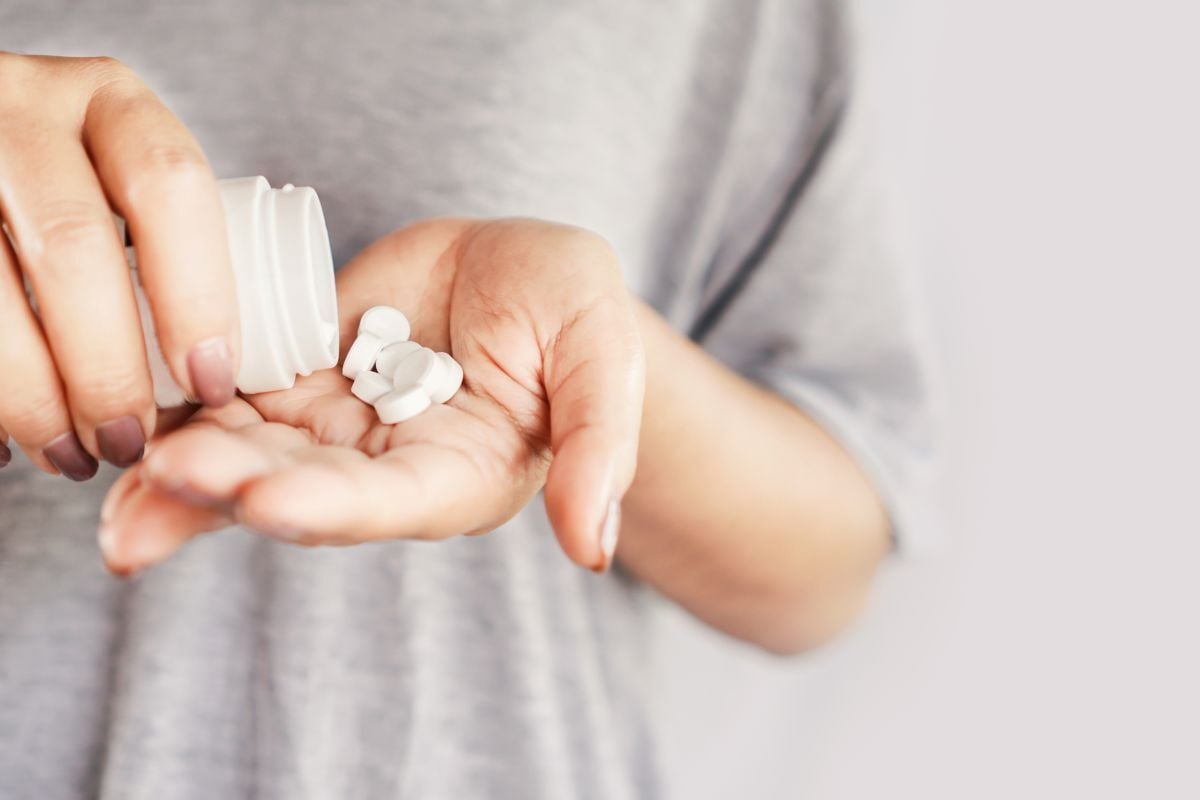
The ceiling effect in pharmacology:
The drug ceiling effect comes into handy in medical settings that help people dealing with withdrawal from drugs or alcohol. So, if you’re watching your child struggle from dose to dose, wondering how on earth they’ll ever be able to stop using the drugs they’ve come to depend on to be able to function, this will be interesting to you.
One of the reasons why your child is having such a hard time stopping their substance use, is because of the awful withdrawal effects. Withdrawal effects are the adverse impacts on the brain and body when quitting drugs. These effects happen because the body must adjust to functioning without substances it has come to rely on. For many people, withdrawal symptoms are severe enough that continuing to use feels like the only option.
When it was discovered that certain medications can alleviate the effects of withdrawal, it was a game-changer. It meant that people could detox from drugs in a less painful way, making it more likely that they’d stick it out and stay sober! There are two main medications that are used in medical establishments to help with withdrawal: methadone and buprenorphine.
Using ceiling effect drugs in addiction recovery:
This section takes a closer look at how the ceiling effect is used in treatment. If you aren’t particularly interested, here’s one sentence to explain it for you: opioid agonists are drugs that can potentially be used in helping your child get through a rough withdrawal stage more easily so they can hopefully get through detox and stay sober.
Now for the long answer: Opioid agonists are drugs classed as opioids that are used in medical settings to help people detoxing from opioids, like heroin. These drugs mimic the effects of opioids, helping to ease the body into a state of existing without the actual opioids they’ve been using recreationally.
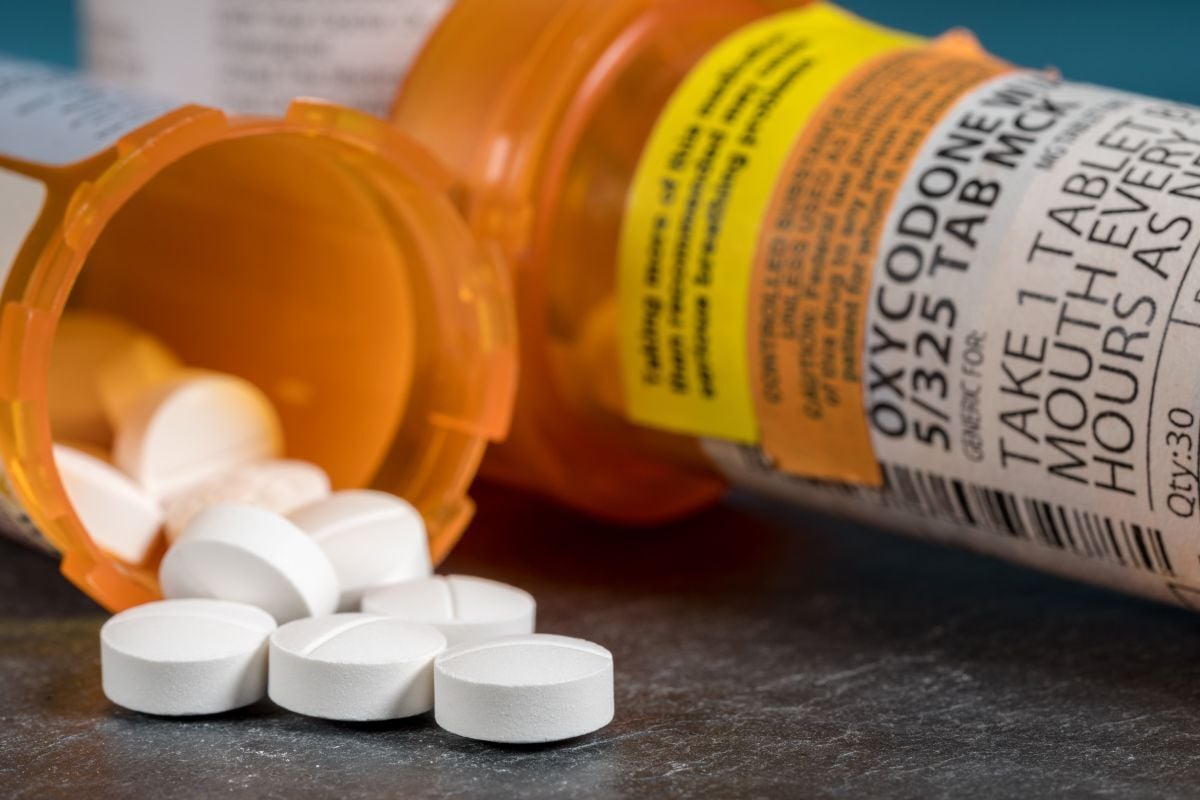
Full vs partial opioid agonists:
Methadone is a full opioid agonist that is used to help people recovering from opioid addiction. It does not have the ceiling effect on the body, making it the right drug for people who have been using opioids for a long time and therefore may need higher doses to help them. Methadone remains in the body for around 59 hours after the dose is administered.
On the other hand, medical professionals may use buprenorphine, a partial opioid agonist, which does have a ceiling effect. Buprenorphine can last in the body for up to 60 hours, and because of the drug ceiling effect, it can be very effective on people who are in earlier stages of addiction, and whose bodies haven’t built up tolerance to large doses of opioids.
- When you approach a medical institution for care for your child, they may ask you many questions about how your child used drugs, how long for, and what doses they were using it at. The questioning may make you feel attacked or investigated, and you may feel a natural inclination to cover up some details out of shame or pride. It’s important to be honest, even though it can feel uncomfortable. Medical professionals need to know all the correct details so they can craft the most medically effective treatment plan.

Are opioid agonists safe?
It’s very understandable if you have reservations about using a partial agonist, like buprenorphine, to help your child struggling with opioid addiction. As a parent, you’ve seen the devastating effects opioids have had on your child’s brain and body. Why introduce another drug that can potentially also become addictive? The question is a valid one, and there are many different aspects to the justification for using drugs in Medically Assisted Treatment.
- Withdrawal is arguably the most difficult aspect of addiction recovery and the first reason people relapse. Have you seen the agitation, depression, and physical disturbances on your child in between doses? Imagine that ten-fold when they go off drugs completely. It’s brutal. And opioid agonists can help manage those distressful symptoms.
- Opioid agonists have proven to really do their job well. They have been FDA approved for Medically Assisted Treatment because it has passed the rigorous tests of safety, and has shown to help people recovering from opioid addiction stay on the course and get sober.
- It’s vital to use buprenorphine responsibly, at a reputable medical setting and by medical professionals. Self-administering the medication can be harmful, whereas getting it at a professional setting can actually be very helpful. Also, be honest with the provider so they give your child the correct, safe dose.
Finding Hope in Evidence-Based Care
Recovery isn’t about willpower alone; it’s about giving the brain and body a chance to stabilize.
Researching your child’s recovery options is overwhelming and difficult. Perhaps you wish you wouldn’t have to do this. We get you. It’s sad to watch your child wither away because of the drugs they’ve been using, and you may also be feeling resentment, anger, and frustration at your child’s life choices.
While you can’t control your child or the life choices they make, we are here to offer you some hope. There is potential for recovering when your child is open to that option. At Avenues Recovery’s rehabs, we can help your child medically detox from opioids and take advantage of the supportive, professional therapies to help them stay sober.
We encourage you to reach out today if you need clarity, guidance, or support navigating next steps. We can help you clarify any concern you have so that when your child is ready, we can provide them with all the help and care that they need.