

Key Takeaways:
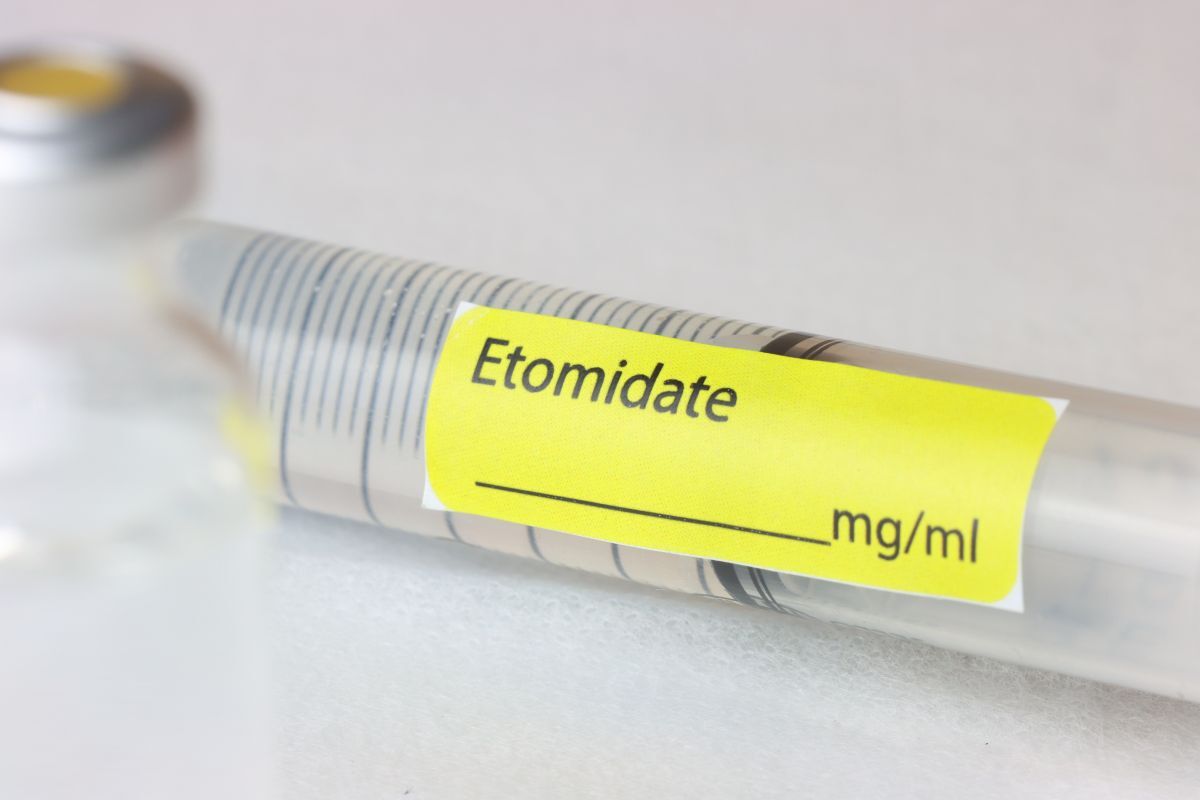
- Etomidate is a hospital anesthetic that produces a brief escape; it’s not a euphoric street drug.
- Etomidate abuse is rare due to limited access and its significant, often unpleasant risks.
- The danger of overdose and harmful drug interactions is high, making medical supervision essential.
Etomidate Abuse
Etomidate is not a drug people abuse for fun. It is misused for relief.
Etomidate is not a street drug. It is a hospital anesthetic used to induce rapid sedation, and its effects wear off quickly. When it is misused, most often by people who have access through their work, it can produce a short, intense escape. There is no euphoria or party effect, only a brief shutdown. For someone who feels anxious, overwhelmed, or desperate to disappear for a moment, that temporary relief can feel appealing.
The risks, however, are serious. Misuse can suppress breathing, interfere with stress hormone regulation, and cause sudden loss of consciousness. Overdose is a real danger because the margin between brief sedation and a medical emergency is very narrow. The risk increases significantly when etomidate is combined with alcohol, opioids, benzodiazepines, or stimulants.
If life feels like it is barely holding together, there are safer ways forward. Avenues Recovery can help with assessment, support, and a path back to stability and care.
What is Etomidate?
Etomidate is a fast, short-acting hospital anesthetic used to sedate people during emergency procedures. It takes effect quickly and wears off just as fast, which makes it useful in medical settings but offers little appeal outside of them. It does not produce a high, a buzz, or a relaxed haze. Etomidate is its generic name, and it is classified as a general anesthetic. It is not a consumer drug and is not intended for casual or non-medical use.
Misuse is uncommon. When it does occur, it is usually about escaping discomfort rather than seeking pleasure. The brief period of unconsciousness can feel like relief from anxiety or exhaustion. The risks, however, are significant. Etomidate can suppress breathing, lower blood pressure, and interfere with adrenal hormones that help the body respond to stress. Without medical supervision, even a short lapse in consciousness can quickly become a medical emergency.
What is Etomidate’s Generic Name?
There is no long list of brand names here. Etomidate is both the generic name and the standard clinical name. Doctors and anesthesiologists classify it as an intravenous anesthetic designed for rapid induction. It is meant for hospital carts and operating rooms, not medicine cabinets or social settings. That clinical context is a major reason it has not crossed into recreational use the way some other drugs have.
The small number of documented misuse cases almost always involve settings where people handle the drug regularly. Even then, it rarely develops into a pattern of ongoing use. Etomidate does not produce euphoria, energy, or social effects. It causes sedation, plain and simple. Once side effects appear, including fatigue, hormonal disruption, and the disorienting aftermath of being sedated, most people stop seeking it out.
Patterns of Misuse
Reports of recreational or non-medical misuse are limited and mostly appear in isolated academic case studies. Etomidate does not circulate through parties, clubs, or street markets. There is no real black-market demand because it does not offer a marketable high.
When misuse does occur, it is usually driven by a desire to escape discomfort rather than to feel pleasure. For someone already stretched thin by stress, alcohol use, or repeated close calls, a few minutes of silence can sound appealing. In reality, that brief shutdown carries risks that far outweigh the momentary relief.
Why Etomidate Abuse Is Rare
Etomidate abuse is rare for three main reasons. First, access is limited. Hospitals and surgical suites tightly control anesthetics, and they are not casually available. Second, etomidate does not produce euphoria, so it does not activate the brain’s reward system the way opioids or stimulants do. Third, its side effects are unpleasant and potentially dangerous rather than energizing or enjoyable.
Rarity does not mean harmless. It simply means that most people are unwilling to risk the downside.
A Narrow Margin for Safety
Sedation can turn into crisis in minutes.
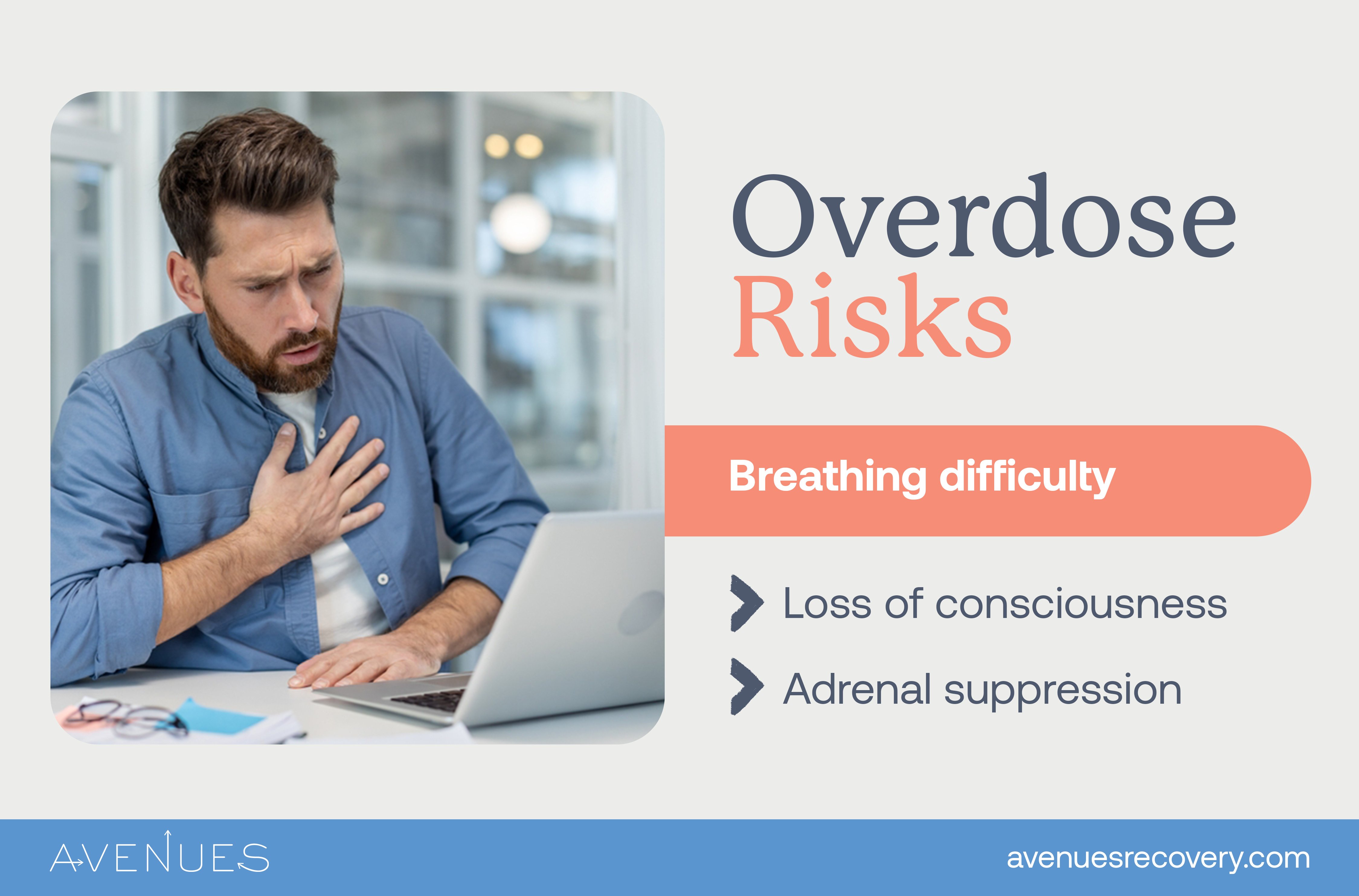
The medical risks of etomidate misuse are immediate and serious. They include:
- Breathing suppression
- Sudden loss of consciousness
- Adrenal suppression
Overdose is not a theoretical concern. Without medical monitoring, breathing can slow or stop before anyone realizes what is happening, and outside a clinical setting, revival is not guaranteed.
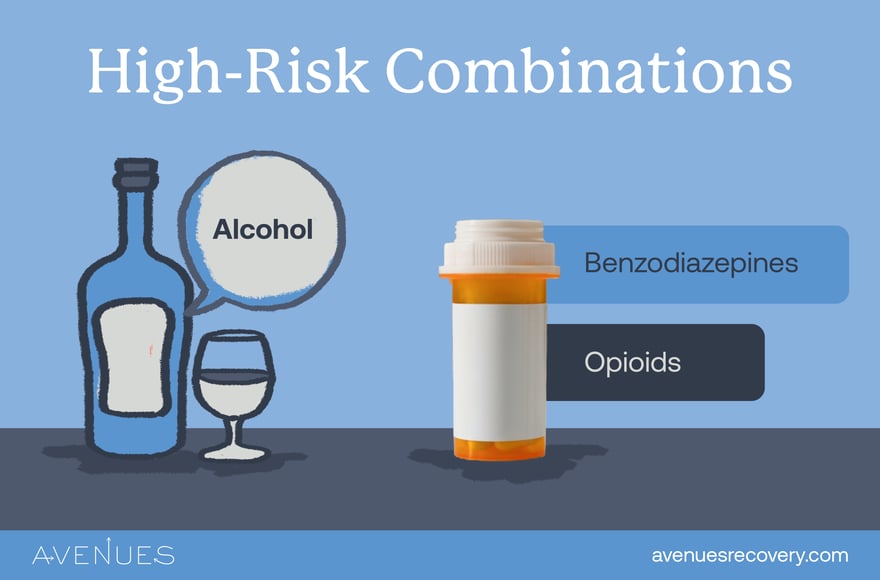
The danger increases sharply when etomidate is combined with alcohol, benzodiazepines, opioids, or other depressants. These substances compound each other’s effects, and the margin for error disappears quickly.
Is Etomidate a Controlled Substance?
Etomidate is not classified as a controlled substance in many regions. On paper, that can make it seem less serious than opioids or benzodiazepines. In practice, hospitals restrict access tightly because the difference between sedation and a medical crisis can be a matter of dosage and timing.
Supervision is not optional. It is the only reason the drug can be used safely at all.
When someone begins misusing a medical anesthetic as a coping mechanism, it is usually a signal that something deeper is happening. This behavior often appears when alcohol, pills, or other substances no longer provide relief, and the person is grasping for anything that offers a temporary escape from distress.
When Misuse Signals a Substance Use Disorder
Substance use disorder does not announce itself loudly. It repeats itself.
Reaching for an anesthetic outside of a medical setting is a serious red flag. Most people do not end up there unless alcohol or other substances have stopped working, and control is slipping. At that point, the issue is not just the drug itself. It is the pattern around it: hiding use, apologizing, promising everything is fine, and then repeating the behavior anyway. That cycle points to substance use disorder, and it is not something that resolves through willpower or longer breaks between drinks.
Avenues Recovery works with people in exactly this place. People who have jobs, families, responsibilities, and far too much to lose to disappear from their lives. Detox is medically supervised, measured, and safe. Residential care provides structure while still treating adults like adults. The goal is not to tear down what you have built. It is to stop addiction from quietly dismantling it while you are trying to keep everything together.