


Key Takeaways:
- Pharm parties are popular among teenagers looking for risky fun.
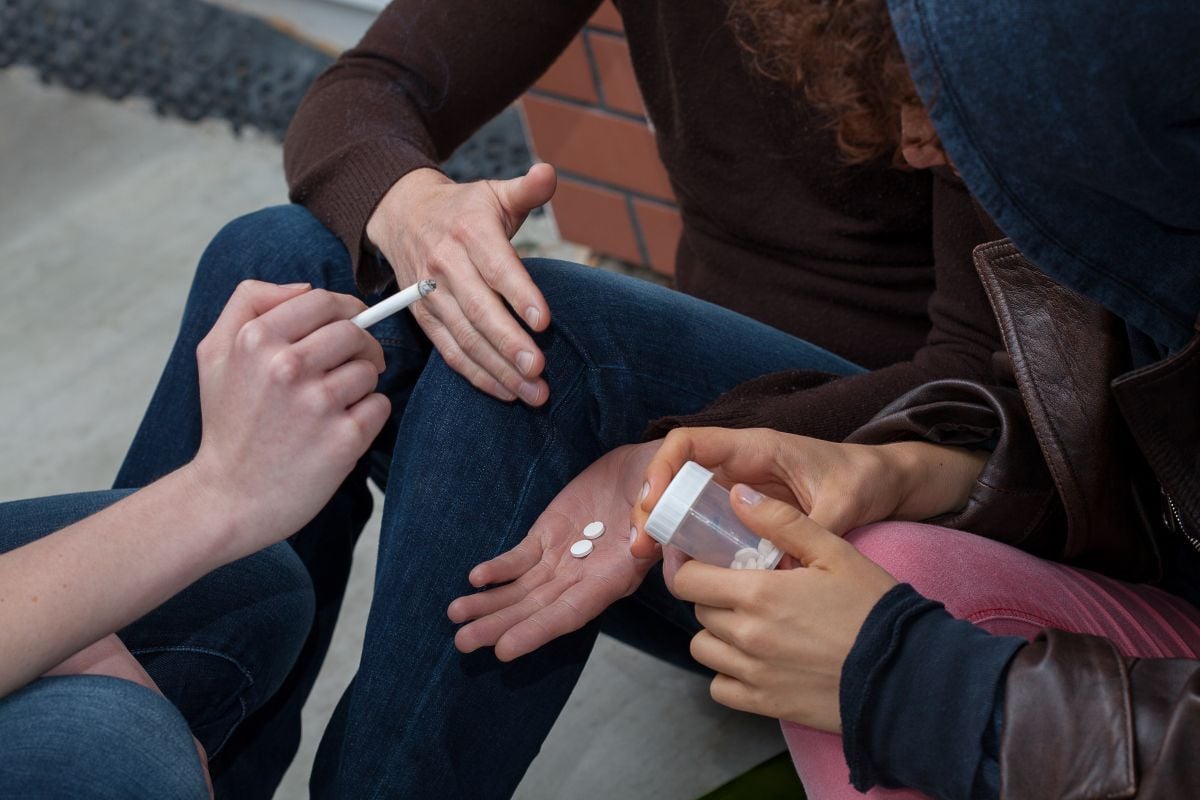
- Teens bring an assortment of pills which are placed in the center and taken indiscriminately.
- There are many dangers of pharm parties, including risk of stroke, heart attack, and brain damage.
- Reach out to Avenues Recovery to get help with substance use disorder.
What is a pharm party, really?
Pharm parties are a disturbing new trend amongst teenagers, and although they’re called ‘parties,’ they aren’t the kind you want your teenager to be involved in. At pharm parties, teens bring whatever prescription or over-the-counter pills they can find and put them all together in one bowl. They then sort through them, mixing different medications and experimenting with combinations, often without really knowing how those drugs interact or what the effects might be on their bodies or brains.
These gatherings are called “pharm parties” because they revolve around medications, both prescription drugs and over-the-counter pills. You may also hear them referred to as “skittle parties” or “pill parties.” Many of the substances involved are ones you might already recognize from your own medicine cabinet.
If you’re worried your teenager may be involved in something like this, it’s worth learning more. Read on to understand what to look for and how to respond with care.
Drugs teens are taking at pharm parties:
The most common drugs at a pharm party are the ones in your cabinet right now. Medication like painkillers, cough medicine, sleep aids, anti-anxiety pills, and ADHD medication are all very likely to end up at a teenager’s pharm party. Many of these medications contain active ingredients like opioids, stimulants, sedatives, and tranquilizers, which can be especially risky when misused.
It’s important to know that teens may take advantage of expired medications or prescriptions that are no longer being used, since parents are less likely to notice when those pills go missing. They may also purchase over-the-counter medications or order pills online in advance. And of course, they’re also exposed to additional medications once they arrive at the party.
What drives teens to experiment with pharm parties?
If you have teens at home, you know how curious this stage of life can be. Teenagers are often looking for new ways to have fun, test boundaries, and explore their independence. They’re learning who they are and what they’re capable of, which naturally comes with experimentation and risk-taking.
During adolescence, the brain is also especially sensitive to dopamine, the chemical linked to reward and pleasure. New and risky experiences can feel more exciting and rewarding than they do later in life, which helps explain why teens may be drawn to behaviors that seem thrilling in the moment, even when they carry real risks.
Adolescents are especially tuned in to their peers and often seek approval and acceptance from the people around them. The desire to fit in and feel included can be strong enough to override instincts, values, or better judgment in the moment. This pull toward belonging is a normal and healthy part of growing up, even though it can be frustrating for parents as their influence begins to feel less central in their child’s world.
It’s also important to know that many teenagers believe prescription medications are safe. Without clear guidance, they may assume that because over-the-counter and prescription drugs are legal and easy to access, they don’t carry serious risks. As a result, if a friend suggests a pharm party, a teen may agree out of curiosity, a desire to fit in, or simple misunderstanding about the dangers involved, or some combination of all three.
Why pill parties are so dangerous
Pill parties are dangerous for several reasons. One of the biggest risks is that medications are usually removed from their original packaging. Without labels or instructions, teens have no way of knowing how a medication is meant to be taken or which substances should never be combined. Important safety warnings are lost, leaving them unaware of the very real dangers of mixing different drugs.
Certain combinations can have serious effects on the body and brain. When something goes wrong, teens may be afraid to ask for help, knowing they would have to admit what they’ve done. Without timely medical attention, those effects can quickly become life-threatening. Even when someone is taken to the hospital, treatment can be complicated if medical providers don’t know which medications were taken, making it harder to respond effectively in an emergency.

Bowl of pills parties: the fatal effects
As you can imagine, experimenting with different pills, especially during adolescence, can have serious consequences for both the brain and the body. Mixing medications can put teens at risk for outcomes like heart complications, brain injury, or stroke. When fear or shame keeps them from asking for help, symptoms can escalate quickly and, in some cases, lead to lasting or irreversible harm.
Some teens who realize something is wrong may try to manage the situation on their own. Feeling panicked or unwell, they may take additional pills to ease symptoms like nausea, vomiting, shaking, or anxiety. Unfortunately, this often worsens the situation rather than helping it.
Taking an unknown or excessive amount of any medication can result in poisoning or overdose. When multiple substances are involved, it becomes much harder for medical professionals to know how to respond quickly and effectively. What may seem like experimentation in the moment can turn into a medical emergency with very real consequences.
Signs your teen may be involved in a pharm party
Here are some signs that a pharm party may be taking place, or that your teenager may have participated in one:
- Your medicine cabinet appears unusually empty, or medications seem to be missing.
- You notice pharmacy bags or medication packaging around the house.
- Your child appears unusually energetic, withdrawn, glazed-over, or overly lethargic.
- Your child is experiencing symptoms such as nausea, vomiting, confusion, or memory problems.
- Your teenager becomes vague or evasive about where they’re going, who they’ll be with, or what they plan to do.
- Your child begins withdrawing, spending excessive time alone in their room, or avoiding interaction with family members.
What parents can do if pharm parties are a concern
If you’re reading this and realizing your child may be participating in pharm parties, your first instinct might be to confront them and demand answers. That reaction is completely understandable—but it’s rarely helpful. Teenagers are especially sensitive to feeling judged or accused. When they feel cornered, they’re more likely to shut down rather than open up. What they need most in these moments is to feel safe, trusted, and supported by the adults in their lives.
As a parent, your desire to protect your child makes perfect sense. Learning about the real dangers of pharm parties can spark fear and urgency, and it’s natural to want to act immediately. Still, pausing before reacting can make a meaningful difference, both for your child’s safety and for your relationship with them.
Try to wait until you’re in a calmer headspace so you can approach the conversation thoughtfully. Lead with curiosity rather than accusation. Ask what drew them to the situation and listen without interrupting. You can acknowledge their desire to fit in or seek excitement while still being clear about the risks involved. Share your concerns honestly, but gently, allowing them space to process and reach their own understanding.
Most importantly, keep the lines of communication open. When teens feel heard and respected, they’re far more likely to come to you when they need help—and that trust can be one of the strongest protective factors you offer as a parent.

Support and treatment options for teen substance use
At Avenues Recovery, we’ve supported thousands of individuals struggling with alcohol and drug use across our treatment centers nationwide. We understand how hard this journey can be, not only for the person who is struggling, but also for the parents who are watching their child suffer and hoping for a way forward.
No treatment program can “fix” a person. What we can offer is experienced, compassionate care and evidence-based approaches that have helped many people move toward sobriety and stability. Our dedicated team provides medically supervised detox when needed, along with individual and group therapies, all guided by a personalized treatment plan designed around each person’s unique history and needs.
If you’re concerned that your child may be struggling with substance use, taking the next step can feel overwhelming. You don’t have to do it alone. When the time is right, we can help your teenager reconnect with themselves, regain a sense of balance, and begin building a healthier path forward, one that supports emotional healing, growth, and hope.
If you’re ready to talk or simply want to learn more, we’re here to listen and help guide you through your options.