

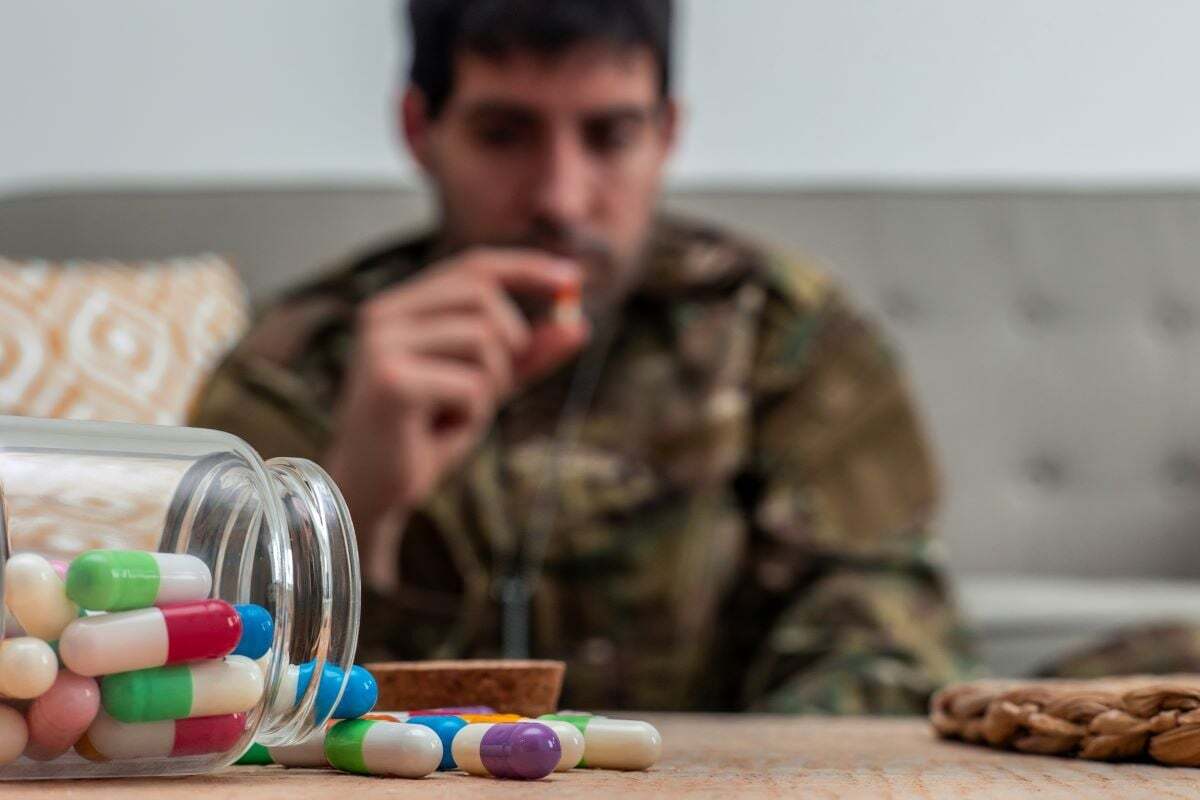
Post-Traumatic Stress Disorder (PTSD) is a mental health condition that develops after experiencing or witnessing a traumatic event. People with PTSD often relive the trauma through intrusive memories like flashbacks or nightmares, experience intense anxiety, and have difficulty controlling distressing thoughts about the event. Without the proper support in place, PTSD can increase the risk of substance abuse. PTSD and addiction become closely intertwined as some turn to alcohol or drugs in an attempt to self-medicate overwhelming symptoms. At Avenues Recovery, experts in addiction rehabilitation, individuals suffering from PTSD and co-occurring addiction can access treatment designed to address both conditions together.
Key Takeaways on PTSD and Addiction:
- PTSD and addiction frequently co-occur, and each condition can make the other harder to manage.
- Many people with PTSD turn to alcohol or drugs to cope with symptoms such as flashbacks and anxiety, which can backfire and make both conditions worse.
- Shared risk factors such as childhood trauma, chronic stress, and lack of social support can increase vulnerability to both PTSD and substance abuse.
- Integrated care that treats PTSD and addiction together leads to better outcomes than addressing each issue separately.
- With the right therapy, support, and treatment plan, recovery from both PTSD and addiction is possible.
Causes of PTSD
Common traumatic events that may lead to PTSD include:
- War, Combat or Military Experience: War-zone experiences and combat stress (many veterans develop PTSD after deployment).
- Serious Accidents or Injuries: Car crashes, severe work accidents, plane crashes, or other life-threatening incidents.
- Natural Disasters: Events like earthquakes, hurricanes, tornadoes, fires, or floods that put one’s life in danger.
- Physical or Sexual Assault or Abuse: Domestic violence, sexual assault, childhood abuse, or any experience involving physical or sexual harm from another person.
- Sudden Loss or Terrorism: The sudden, unexpected death of a loved one, terrorist attacks, or other extreme, frightening events.
Most people do not develop PTSD after trauma, but certain risk factors, including trauma history, lack of support, and demographic factors, increase vulnerability. Some of these risk factors are also associated with addiction, contributing to the relationship between substance abuse and PTSD.
PTSD and Addiction: The Connection
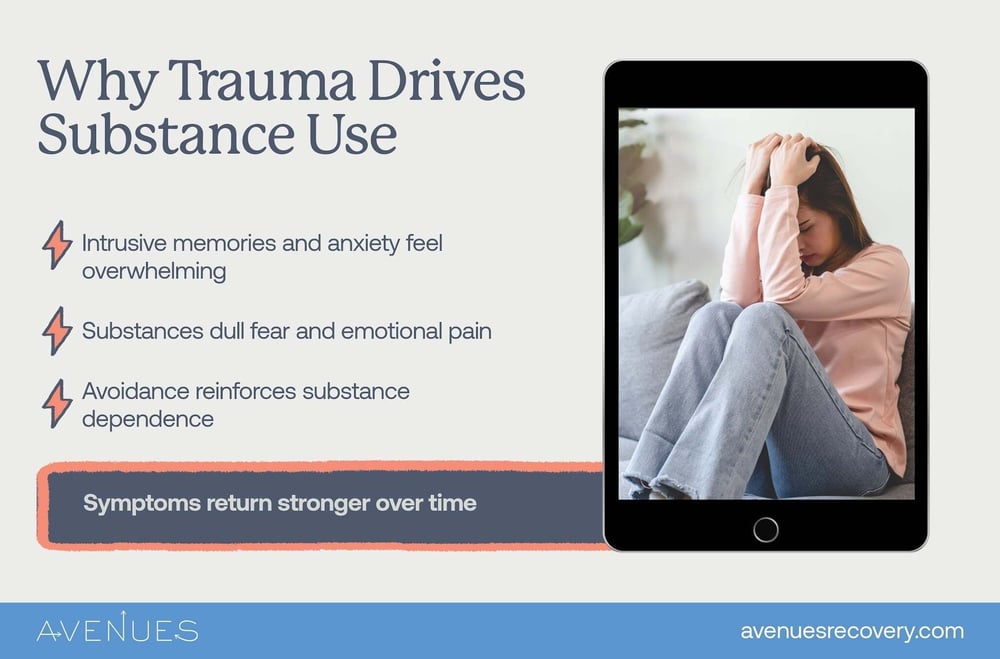
Post-traumatic stress disorder and addiction often occur together. Many people with PTSD turn to alcohol or drugs in an attempt to manage overwhelming symptoms like anxiety, intrusive memories, or insomnia - a behavior known as “self-medication”. But while drugs or alcohol may temporarily numb emotional pain, they often intensify those same symptoms over time, creating a cycle that can worsen both conditions. For example, alcohol might initially dull hyperarousal or flashbacks, but heavy drinking disrupts sleep and increases depression and irritability - ultimately deepening the PTSD response.
PTSD Symptoms That Can Lead to Self-Medication
When trauma lasts longer than a month and interferes with a person’s daily functioning, it may indicate PTSD. When left untreated, these symptoms can lead to addiction as individuals attempt to self-medicate emotional distress.
In adults, PTSD symptoms are often grouped into four main categories:
Intrusive Memories
Sufferers may have unwanted flashbacks, nightmares, or unwanted thoughts related to the event. These memories can become overwhelming and lead individuals with PTSD to substance abuse in an attempt to numb or escape their distress.
Avoidance:
Many people with PTSD try to avoid anything related to the trauma. They may steer clear of certain places, people, or activities that remind them of what happened. They might also avoid talking or even thinking about the event because it’s too painful.
Negative Mood and Thoughts:
PTSD often brings persistent negative emotions and beliefs, such as ongoing fear, guilt, or shame, or they may blame themselves for what happened. These challenging emotions can contribute to PTSD and drug use when individuals use substances to find temporary relief from these thoughts and emotions.
Arousal and Reactivity (Hypervigilance):
People with PTSD may be easily startled by sudden noises or movements and always feel “on guard” as if danger is around the corner. They often have trouble sleeping (insomnia or frequent waking from nightmares) and difficulty concentrating. If you recognize these signs of PTSD in yourself or someone you care about, it’s important to seek professional help. Early intervention and therapy can stop symptoms from worsening and help you reclaim your quality of life.
PTSD and Addiction Recovery
This overlapping of PTSD and substance abuse - referred to as a co-occurring condition or dual diagnosis—can complicate recovery. People with both PTSD and addiction are more likely to face challenges like homelessness, relationship strain, or health complications, and may be at greater risk for relapse if trauma-related triggers aren’t properly addressed. As a result, experts emphasize the importance of trauma-informed care that takes both conditions into account.
Integrated Treatment for PTSD and Substance Abuse
The good news is that integrated treatment—addressing both PTSD and substance use at the same time—leads to better outcomes. The Substance Abuse and Mental Health Services Administration (SAMHSA) and VA recommend evidence-based approaches like trauma-focused therapy combined with substance use counseling.
Integrated care for Post Traumatic Stress Disorder and addiction has consistently been shown to improve recovery rates and long-term outcomes. PTSD and substance abuse therapies such as Cognitive Behavioral Therapy (CBT), Prolonged Exposure (PE), and Eye Movement Desensitization and Reprocessing (EMDR) have been shown to help people process trauma while reducing dependence on substances. This form of PTSD and addiction treatment recognizes the impact each condition has on the other, and treats them together rather than separately.
With the right support, individuals can heal from both PTSD and drug use and rebuild their lives.
How do you Treat Post-Traumatic Stress Disorder and Substance Abuse?
PTSD is treatable, and several evidence-based PTSD treatments are available, such as therapy, medication, a combination of both, and other treatment methods.
At Avenues Recovery, we often recommend the following treatment options for PTSD and addiction recovery:
Therapy:
Working with a therapist is considered a first-line approach for PTSD and addiction treatment. Cognitive-behavioral therapy (CBT) is a highly effective PTSD and drug abuse therapy that helps patients process trauma and change negative thought patterns. A common form, called trauma-focused CBT, includes techniques like exposure therapy (gradually and safely confronting trauma memories or triggers) and cognitive restructuring (learning to reframe negative thoughts about the trauma).
Another therapy gaining attention is EMDR (Eye Movement Desensitization and Reprocessing), which uses guided eye movements while recalling the trauma to help the brain reprocess traumatic memories. EMDR has been shown to reduce PTSD symptoms and is recognized as an effective treatment by researchers and the VA.
Therapy for addiction and PTSD can be one-on-one or as group therapy, and can last for several weeks to months, depending on individual needs. Working with a trauma-informed therapist is key to finding the right treatment approach for those experiencing post-traumatic stress disorder and addiction.
Medications:
Medication can also play a role in PTSD and addiction recovery, usually alongside therapy. Common medications for PTSD are antidepressants like sertraline or paroxetine, which are FDA-approved for PTSD treatment. They ease symptoms like anxiety, depression, and irritability, and can improve sleep and concentration. In some cases, doctors might prescribe other drugs to target specific issues – for example, prazosin is sometimes used off-label to reduce nightmares, or anti-anxiety medications might be used short-term.
Medication is never a “cure” on its own, but it can significantly reduce PTSD symptoms and make therapy more effective. A doctor will tailor the medication plan to the individual, considering benefits and side effects, and it often takes some time to find the right medication and dosage.
Support Groups and Self-Care:
PTSD and substance abuse support groups and group therapy sessions allow people to share experiences, coping strategies, and hope with one another. Knowing you’re not alone can be incredibly empowering.
In addition, practicing self-care and healthy coping strategies is an important part of PTSD and alcohol addiction treatment. This can include mindfulness and meditation, breathing exercises, regular physical exercise, and maintaining a healthy routine (sleep, nutrition, etc.). Loved ones can also play a big role – strong social support from family and friends helps healing and recovery.
Simply feeling understood and supported can reduce stigma and encourage individuals with PTSD to stick with treatment. Individuals dealing with PTSD and drug use may especially benefit from ongoing peer support and trauma-informed services.

PTSD and Addiction Statistics
About 6% of the U.S. population will experience PTSD at some point in their lives, and in any given year, approximately 12 million American adults meet the criteria for PTSD. Many of them will turn to substances to relieve their symptoms. According to the United States Department of Veterans Affairs (VA), close to 1 in 3 of every Veteran seeking treatment for substance abuse disorder also suffers from PTSD, while 45% of adults diagnosed with PTSD in the US also report problems with drug or alcohol use.
Recovery from PTSD and Addiction
If you or someone you love is struggling with PTSD or any trauma-related mental health issue, help is available, and recovery is within reach. Seeking professional support can be the first step towards healing from both PTSD and addiction. Post-traumatic stress disorder and substance abuse are treatable, and with the right support, you can reclaim your life from trauma!
If you’re ready to explore your treatment options, contact Avenues Recovery, a network of treatment centers known for their compassionate treatment of addictions and co-occurring mental health disorders. We’re here to support you in your journey to sobriety.
FAQs on Post-Traumatic Stress Disorder and Addiction
Can addiction cause PTSD?
Yes, PTSD can and does contribute to addiction for many people. Symptoms such as flashbacks, constant anxiety, or sleepless nights can make reaching for alcohol or drugs feel like the only way to cope. This can slowly develop into a substance use disorder, which is a big part of why PTSD and addiction are often dual diagnoses.
Is there a difference between PTSD and complex PTSD when it comes to substance abuse?
While PTSD and complex PTSD lead to a high risk of substance abuse, complex PTSD generally has a more complex connection to substance abuse. Because it stems from ongoing or repeated trauma rather than one isolated event, reliance on substances can start sooner and become a survival mechanism rather than a form of self-medication. Although recovery can take longer, integrated care for PTSD and addiction is still a highly effective treatment option.
What kind of addiction treatment is best for PTSD?
The best addiction treatments that address both PTSD and addiction together are therapies that address the underlying trauma, such as EMDR and CBT.
Can you recover from both PTSD and addiction at the same time?
Yes, you can recover from PTSD and addiction at the same time, and research actually shows that treating them together leads to better outcomes for both. If trauma goes unaddressed, it stays a live trigger for relapse, no matter how solid the addiction treatment is. Dual diagnosis programs focused on PTSD and addiction recovery help people work through both at once rather than in isolation.
How do I know if I need PTSD and addiction treatment rather than just addiction treatment?
If your substance use seems tied to a traumatic experience or is being driven by symptoms like nightmares or anxiety, a dual diagnosis evaluation is worth pursuing. Noticing that your use increased after a specific event, or that you rely on substances to quiet intrusive memories, are both signs that PTSD may be part of the picture. A mental health professional can assess whether a co-occurring disorder is present and point you toward the right level of care.