


Entering a rehab or treatment center for substance abuse is a big step, one that takes incredible courage and strength of character. Whether it’s you or your loved one who has been struggling, you might be feeling scared, overwhelmed, and extremely unsure about what the future holds. The unknown can be frightening - and no one knows that better than you.
First of all, recognize that your emotions are normal. Many others have felt nervous when they stood in these shoes, at the border between their past and the possibilities ahead.
There is so much support out there , and things are only going to get better from here on.
If you want to know how to choose a rehab facility, our experts at Avenues Recovery have compiled the information you’ll need to help you get started.
Key Takeaways on How to Choose a Rehab Facility
|
What to Do Before Choosing a Rehab Facility
Before choosing a rehab facility, you must clearly understand your goals. When evaluating rehabilitation centers, you’ll encounter options with varying features and operating processes. If you know your goals, you can pick a facility that provides the specific services you’ll need to get there. Follow these steps to clarify the path you need to take:
- First, identify the behavior or substance causing the problem.
- Once the issues are clear, the next step is to identify any underlying factors, including medical conditions or dual diagnosis.
- Next, you can figure out your initial goal. For instance, would you be able to stay sober for 15 days or a month? A patient who sets realistic, suitable goals like this for themselves will be more motivated.
How to Choose the Right Rehab Program for You
Once your treatment goals are established, and you know the rehab center you choose must meet your specific treatment needs, you can begin researching your options. If your treatment was court-ordered, you can usually still choose your own treatment provider based on factors like your budget and location.
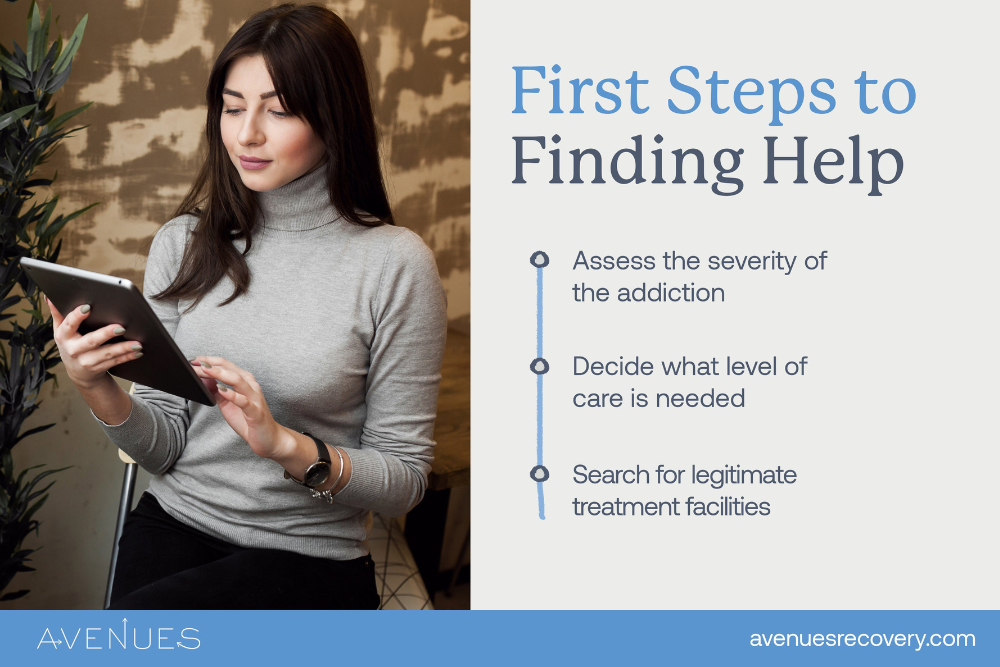
Here’s our step-by-step guide on how to find the right rehab center:
1. Consult With a Treatment Provider
A treatment provider is a solid source of advice for finding effective addiction treatment, depending on your individual goals. Treatment providers have plenty of information and knowledge about different rehab centers that you might not be aware of and wouldn’t have access to on your own.

2. Investigate – Questions to Ask a Rehab Facility
Evaluate the options you receive from a treatment provider or identify on your own. Check the services on their website or call them. The best rehab facilities will ensure that you stay on track to achieve your rehab goals. They’ll also be honest and transparent with you throughout the treatment process. When you speak to them, listen out for how attentive they are. Ask them a series of questions to determine whether they have sufficient information to answer. Examples of informative questions to ask a rehab facility include:
- What types of therapies are offered?
- What will my daily program consist of during rehab?
- Can the facility provide medication?
- What is my family’s role during my treatment period?
- Are staff members qualified to treat both mental health issues and addiction?
- Is treatment customized for every patient?
- Does the facility offer aftercare programs to help maintain sobriety?
- What sets you apart from other treatment facilities?
- Are patients allowed visitors?
- What are the counselors’ caseloads?
- Does the facility accept your insurance?
Our reps at Avenues Recovery are available and happy to answer your rehab questions 24/7. Contact us today.
3. Consider Different Types of Rehabilitation Centers
There are several factors to consider when comparing residential rehab programs or outpatient services. Below you’ll find some essential features to look at:
How to Choose Between Inpatient and Outpatient Rehab
This table compares inpatient and outpatient rehab, the two most common types of rehab programs. Consider the differences between the two options to help you figure out which will work best for you:
Benefits of Inpatient vs. Outpatient Rehab
|
Inpatient Rehab |
Outpatient Rehab |
|
Remain in the facility until professionals confirm your recovery |
Live at home, attend work, and pay regular visits to the treatment center and the doctor for sessions (intervals and length of sessions depend on your condition) |
|
Constant supervision, so low chance of returning to drug abuse |
Risk of returning to drug abuse, only recommended if you can usually control cravings |
|
High success rate |
Lower success rate |
|
More expensive |
Less expensive |
Rehab Specialties
Every rehab helps patients with different types of addictions. Evaluate the options and eliminate those that don’t offer recovery from the substance you are addicted to. Many centers provide better treatment for specific substance addictions. For example, the best alcohol addiction treatment centers may not be the best at treating other drug addictions.
It’s always a good idea to speak with rehab alumni.
Rehab Amenities
Many alcohol and drug rehabs offer five-star amenities to enhance mental well-being. These rehab centers are expensive due to their luxurious, comprehensive facilities. However, such treatment centers can be very beneficial for many patients.
Common amenities that luxury rehab centers offer include:
- Gymnasium
- Acupuncture
- Yoga
- Massage therapy
- Chiropractic services
- Equine therapy
- Art and music therapy
- Swimming pools

Certification From the Joint Commission
There are thousands of treatment centers across the US, and each will tout its success rates and the quality of its care. Treatment centers accredited by the Joint Commission are rated higher due to evaluations of quality and the value of their healthcare. Top addiction treatment centers can earn Joint Commission accreditation if they exceed standards in factors such as:
- Care
- Services
- Treatment
- Emergency management
- Leadership
- Human resources
- Medication management
- National patient safety goals
- Performance improvement
- Record of care
- Individual responsibility
Avenues Recovery rehab centers are accredited by either JCAHO or CARF, making them a superior choice.
On the Joint Commission website, you can search for facilities by name, state, and zip code to view their specific accreditation.
What Makes a Good Rehab Program
A great drug rehab program must tick several boxes to ensure long-term results. The core process of a reputable drug rehab will include:
Assessment
Treatment at a reputable rehab begins with a comprehensive assessment, whose results inform a personalized treatment plan.
Creating a Personalized Treatment Plan
Professionals at the center understand that every drug addict has a different experience with the substance. Therefore, they customize unique treatment processes for each patient. As a result, patients are empowered to recover fully from the effects of harmful substances.
Choosing the Right Detox Program
Many rehabs start the recovery process with detox, especially for patients dependent on alcohol or other drugs. Drug detox treatment eliminates addictive substances from the body, paving the way for the treatment of the addiction itself.
Offering Additional Therapies
A professional drug rehab center will teach patients techniques to control the side effects of addiction, helping them learn to live healthy lives. The best rehabs offer therapies and treatment options to help patients overcome relapses and resist temptations. Therapies that top rehab centers offer include:
- Yoga
- Music lesions
- Dialectical behavior therapy
- Cognitive behavioral therapy
- Art therapy
- Tai chi
- Sports and recreation
Get Help Choosing a Rehab Facility That’s Best for You
The above information can help you choose a rehab facility that best addresses your individual recovery goals. Once you’ve found a professional, quality rehabilitation center that’s ideal for you, the journey to recovery can be quick and well within reach.
Our expert team at Avenues Recovery is waiting to guide you on your journey toward recovery. Our treatment providers are trained to identify each individual addict's needs in rehab, and we welcome you to reach out to discuss any concerns you may have. You deserve the best chance of recovery.
FAQs on How to Choose a Rehab Facility
What’s the most important thing to look for when choosing a drug rehab?
The most important thing to look for in a drug rehab is evidence-based treatment with licensed professionals. Programs should offer personalized care, track recovery outcomes, and provide ongoing support. Accreditation and proven success rates help confirm program quality.
How do I know whether inpatient or outpatient rehab is right for my situation?
Choose inpatient rehab if you need 24/7 medical supervision, have severe addiction, or lack a stable home environment. Choose outpatient rehab if you have a strong support system, mild to moderate addiction, can usually control your urges, and need flexibility to maintain work or family responsibilities.
Does a rehab center need experience with my specific substance or co-occurring mental health condition?
Yes, a rehab center should have experience treating your specific substance use and co-occurring mental health condition. Specialized care improves treatment outcomes, ensures tailored therapies, and addresses the unique challenges of dual diagnosis or substance-specific recovery.
How can families evaluate a rehab center if they can’t visit in person?
Families can evaluate a rehab center remotely by reviewing third-party ratings, verifying staff credentials, reading patient reviews, and requesting virtual tours. Ask about treatment methods, success rates, and aftercare plans. Confirm state licensing and accreditation to ensure legitimacy.
How to choose a center with proven long-term results rather than short-term sobriety claims?
Choose a rehab center with long-term results by requesting outcome data beyond 6–12 months, checking independent reviews, and confirming use of evidence-based care. Prioritize programs that offer follow-up support and track relapse rates, not just initial detox success.
What warning signs should I look out for when researching rehab facilities online?
Watch for warning signs such as vague treatment details, lack of licensed staff, fake reviews, and no clear aftercare plan. Be cautious of centers that guarantee success or place heavy emphasis on marketing. Legitimate facilities provide transparent info and verified credentials.
Does the quality of aftercare really impact long-term recovery outcomes?
Yes, high-quality aftercare strongly impacts long-term recovery outcomes. Effective aftercare reduces the risk of relapse by providing continued counseling, support groups, and relapse prevention plans. Ongoing structure helps individuals maintain sobriety and adapt to daily life after treatment.