

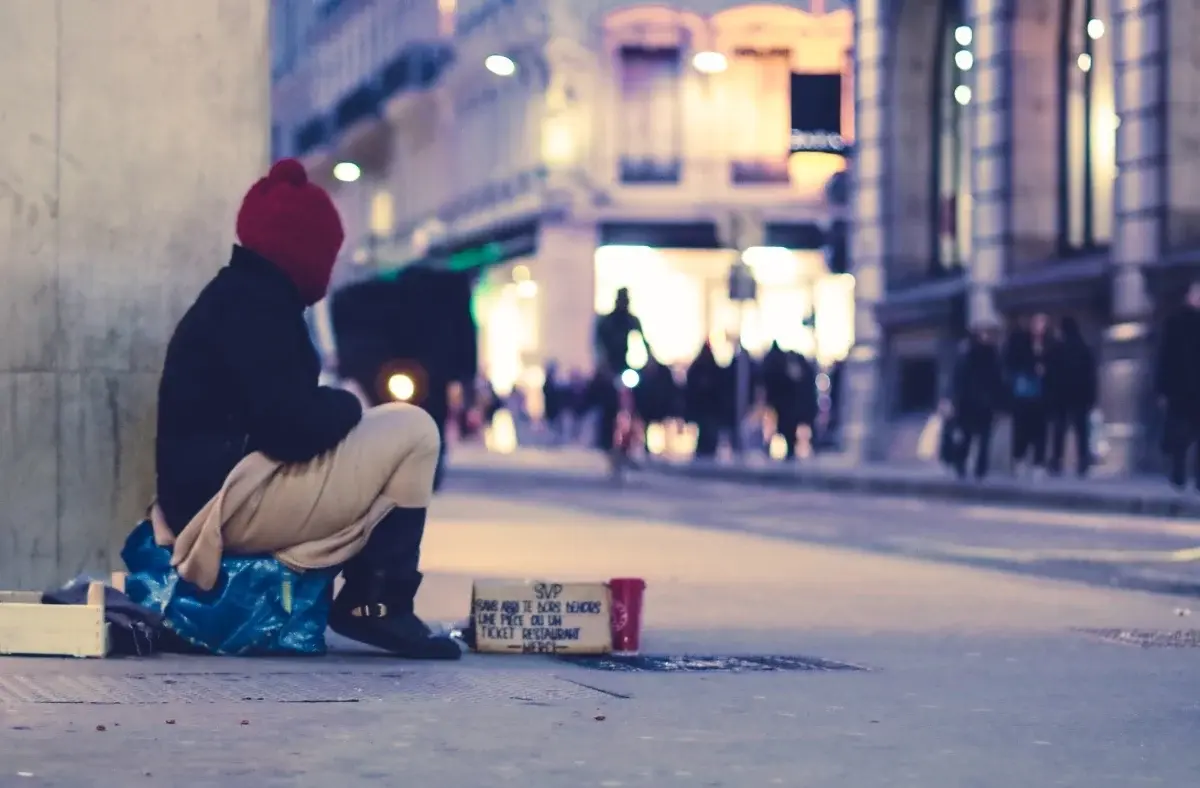
Homelessness. Addiction. Two rampant and tragic realities that plague America. Is there any correlation?
The relationship between substance abuse and homelessness is complex, with the two issues tightly intertwined and very often reinforcing one another. When analyzing the connection between the two, the chicken-and-egg debate has long raged – which came first? Do people become homeless as a result of their addiction, or does their homelessness serve as a catalyst for substance abuse?
In reality, both scenarios are true. Substance abuse can be both a cause and a result of homelessness. Explore the relationship between the two and gain resources to address them with this guide from Avenues Recovery, a leading provider of addiction rehab.
Key Takeaways on Substance Abuse and Homelessness
- Substance abuse and homelessness are interconnected, with each often reinforcing and worsening the other in a cyclical pattern.
- There is no single starting point - while some individuals develop substance use disorders before losing housing, others turn to substances as a coping mechanism after becoming homeless.
- Mental health challenges frequently coexist with both homelessness and substance abuse, creating a complex, overlapping set of needs that require integrated support.
- Vulnerable populations, including veterans and youth, experience disproportionately higher rates of both homelessness and substance use due to factors like trauma, instability, and lack of support systems.
- Effective resources for homeless individuals with addictions, such as integrated treatment programs, housing-first initiatives, and community outreach services, are essential for long-term recovery and stability.
What Is the Connection Between Homelessness and Addiction?
Homelessness and addiction are strongly linked through a cyclical relationship. Addiction increases the risk of homelessness by causing job loss and financial instability, while homelessness increases substance use due to stress, trauma, and limited treatment access. Below, we will explore in more detail how the two lead into each other.
How Substance Abuse Leads to Homelessness
Substance abuse can often lead to homelessness. When a person is addicted to drugs or alcohol, their new passion overtakes their life completely, causing them to neglect themselves, their schooling, their finances, and their relationships. If left untreated, substance abuse can wreak havoc on a secure and stable life, ultimately leading to significant financial problems, loss of employment, breakdown of support systems and relationships, and eviction from housing. The person struggling with addiction now finds themselves on the streets, turning an already awful situation into a nightmare come true.
How Homelessness Leads to Substance Abuse
However, homelessness can also serve as a powerful trigger for substance abuse for the following reasons:
- Living on the streets is a highly traumatic and unstable situation, and homeless people may naturally turn to substances as a way of coping with their miserable reality.
- Many other homeless people abuse drugs and alcohol, which likely creates pressure to fit in with the community, as well as an easy avenue to obtain these addictive substances.
- Homelessness makes it even harder than usual to access quality addiction treatment and support services.
- For a homeless person, daily survival takes precedence over intelligent choices; a quick fix is a lot cheaper, faster-acting, and easier to swing than next month’s rent.
Regardless of what came first, once on the streets, a vicious cycle often plays out – the homeless addict has nothing but his next high to look forward to and will pursue it at the expense of all else. He will use, get high, crash, and then use again. Each use lowers his chances of finding stable employment and pulling himself out of his awful situation. The cycle continues until he either becomes clean and recovers or tragically succumbs to his addiction.
It is important to clarify that not every addict will become homeless, and not every homeless individual will struggle with substance abuse.
Homelessness and Drug Addiction Statistics
It is clear from looking at statistics on homelessness and substance abuse in the US that these are both very prevalent issues. Statistics also lend support to both sides of the debate on whether addiction or homelessness comes first. Let’s take a look at some numbers.
Statistics Showing How Addiction Can Cause Homelessness
- The 2024 U.S. Department of Housing and Urban Development (HUD) Annual Homeless Assessment Report (AHAR) reported that on one night in 2024, 771,480 people in the USA were homeless, the largest amount ever recorded.
- In a survey conducted by the United States Conference of Mayors, 68% of cities polled responded that the top reason for homelessness in their region was substance abuse.
- A separate survey polling homeless people found that two-thirds of interviewees listed substance abuse as a major cause of their homelessness. When polling homeless military veterans suffering from SUD, very similar numbers were found.
- A survey by the city of Los Angeles found that of the city’s homeless population, 42% reported substance use as a primary cause of their homelessness.
Statistics Showing How Homelessness Can Lead to Addiction
On the flip side, the numbers below illustrate how homelessness can trigger addiction, as well as how widespread addiction is among the homeless population in general.
- According to HUD’s Annual Homelessness Assessment Report, approximately 202,297 homeless people suffer from severe mental illness or substance use disorder.
- A report by the Substance Use and Mental Health Services Administration (SAMHSA), as well as a report by the National Coalition for the Homeless, found that in the US, 26 % of the homeless use drugs and 38 % use alcohol or are alcohol dependent. (In comparison, about 15% of the average adult population abuses drugs within a given year.)
- Alcohol abuse is more common among the older homeless population, while younger homeless people tend to abuse drugs.
Mental Health, Addiction, and Homelessness
Mental health conditions often occur alongside substance abuse and homelessness. An individual suffering from a significant mental illness can be expected to have difficulty retaining gainful employment, managing their finances, or finding and maintaining stable housing. On the other side of the coin, homelessness is strongly associated with mental illness, since the stress, trauma, and instability it brings can serve as a major cause or aggravator of a mental health condition.
According to the Office of National Drug Control Policy, at least 30% of the homeless population suffers from a serious mental illness. Mental illness will very often develop as a result of a neglectful or abusive childhood, especially when raised by parents who are mentally ill and/or substance dependent themselves.
A New York City study of alcohol-dependent, homeless people revealed that two-thirds of the participating individuals came from dysfunctional homes with abusive, alcoholic parents. All of them began drinking as children, and nearly all of them left home by age 18. More than half of the study participants suffered from a significant psychological disorder, such as psychosis, anxiety, and mood disorders.

Homeless Veterans and Substance Abuse
Veterans face high rates of substance use disorders and homelessness, often linked to trauma, mental health conditions like PTSD, and the challenges of reintegration into civilian life. Without stable housing or consistent access to healthcare, many turn to drugs or alcohol as a way to cope.
Homeless Youth and Substance Abuse
Homeless youth are particularly vulnerable to substance abuse, as teenagers are especially vulnerable to addiction due to their brains not being fully mature. Youth may use drugs or alcohol as a way to cope with trauma, family conflict, or the instability of life on the streets. Limited access to support systems and healthcare can increase the risk of addiction, making early intervention and stable housing critical to breaking the cycle.
Risks of Addiction Among the Homeless
Homelessness and substance abuse are each significant issues in their own right, and when combined, a number of dangers arise. Below are some of the risks facing homeless drug or alcohol addicts.
- Overdose: Homeless people who abuse drugs are at a higher risk of overdose, since they lack access to critical overdose-reversal medication and emergency medical services. Additionally, homeless people often use alone, which means there is no one to call for help should they begin overdosing.
- Infectious diseases: Lack of access to sterile needles and highly unsanitary living conditions both contribute to an increased risk of homeless individuals contracting infectious diseases like HIV/AIDS and Hepatitis C.
- Mental Illness: As previously explained, the challenges of addiction coupled with homelessness can trigger or exacerbate mental health conditions, especially in already vulnerable individuals. Lack of access to support and mental health services makes finding help very challenging.
- Legal Issues: Homeless people who abuse drugs or alcohol are at a high risk of arrest and incarceration, which only worsens physical, social, and mental health problems while withholding them from crucial treatment.
- Social Isolation: One of the distinct features of homelessness is social isolation, and isolation is a leading cause of substance abuse, poor mental health, and other issues.
- Health Conditions: Homelessness significantly limits access to healthcare, which may cause delayed medical treatment when ill, a lack of preventative care, and the development of new physical health conditions.
Is there a Solution to the Homelessness and Addiction Cycle?
Homelessness and addiction are grave, pervasive issues that plague our nation; a tragic reality that impacts lives every day. An effective response must address the many social, mental, economic, and health-related issues that cause these problems.
Some strategies suggested include expanding access to affordable housing, such as rental subsidies or supportive housing, and increasing employment opportunities. Increasing access to healthcare, particularly mental health services and substance abuse treatment, would also provide more opportunities for those who struggle with addiction or homelessness to get help. A focus on preventive healthcare would also help some people avoid getting stuck in the cycle in the first place.
With a strong commitment to reform and a spirit of perseverance, stereotypes and barriers that so often challenge this vulnerable population can be removed.
Helping the Homeless with Addiction: Resources for Homeless Drug Addicts
If you know someone who is homeless and struggling with substance abuse or another mental health issue, the following organizations can help:
- National Association of Free & Charitable Clinics (NAFC) - offers wide-ranging healthcare for free
- National Coalition for the Homeless - provides community resources
- SAHMSA - offers free or government-funded addiction treatment programs
- Your local Social Services department
Support for Addiction at Avenues Recovery
If you or a loved one is struggling with a substance use disorder, know that help is available, and there is always hope for a better future! Reach out to Avenues Recovery Center to speak with a friendly, knowledgeable addiction specialist for advice and guidance. Begin your journey home today.
FAQs on Substance Abuse and Homelessness
What percentage of homeless people are drug addicts?
More than 30% of homeless people have a drug use disorder. Studies from U.S. housing and health agencies show substance use contributes to homelessness, but does not define most cases. Major drivers include housing costs, unemployment, and mental illness, which affect a larger share of the homeless population.
Why do homeless people do drugs?
Homeless people use drugs to cope with stress, trauma, and harsh living conditions. Drug use also results from pre-existing addiction, which can contribute to losing housing and maintaining homelessness.
Homelessness and substance abuse, which comes first?
Both homelessness and substance abuse can come first, depending on the individual case. Research shows 30%–50% of homeless individuals had substance use disorders before losing housing, while others develop addiction after homelessness due to stress, trauma, and unsafe living conditions.