

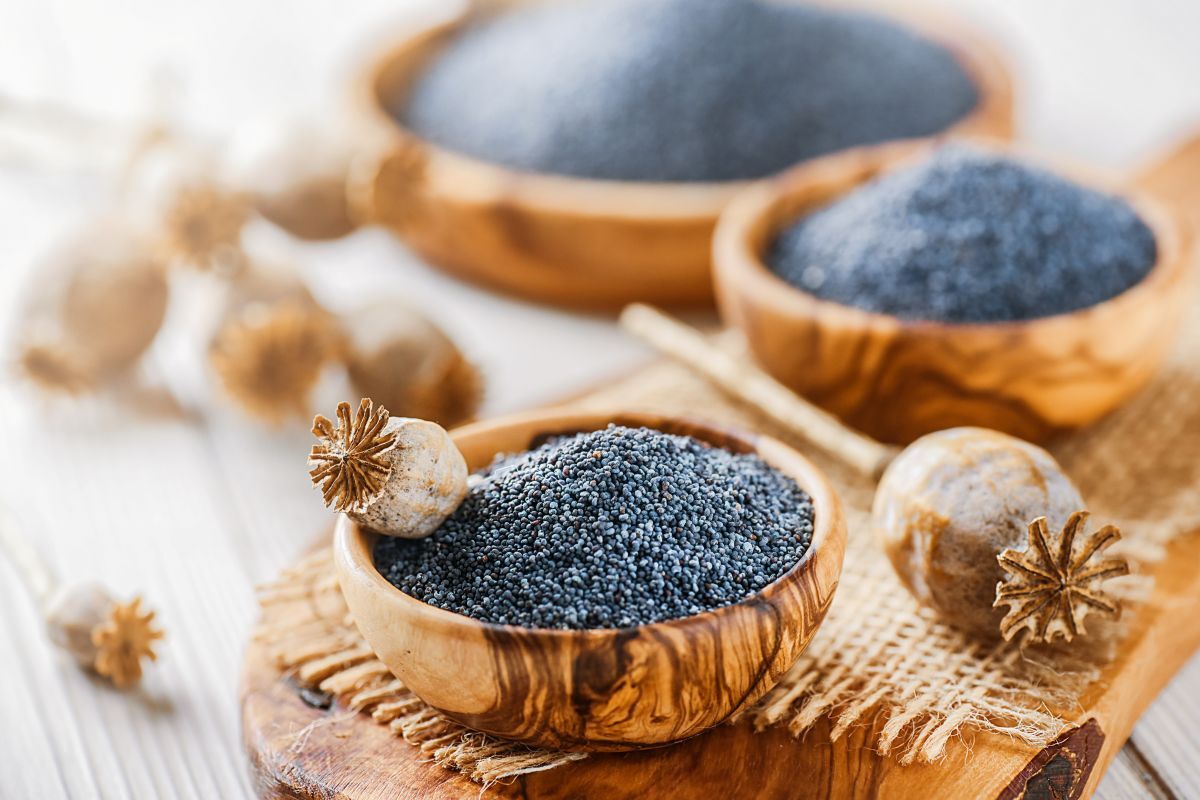
If you’ve ever heard someone say they failed a drug screen because of a bagel, it might sound like an urban legend. But there’s a real reason this question keeps coming up. A poppy seed drug test issue can happen because poppy seeds naturally contain tiny trace amounts of compounds related to opioids.
That doesn’t mean eating a muffin or pastry is the same as using drugs. It means certain tests are designed to detect opioid metabolites, and in some situations, those sensitive screenings may pick up residue after someone has eaten foods containing poppy seeds.
If you’re feeling anxious about an upcoming test, take a deep breath. Most modern testing programs understand this possibility, and confirmatory lab testing is specifically designed to sort out accidental dietary exposure from true drug use. Let’s walk through what’s real, what’s myth, and what you should know.
What Are Poppy Seeds, and Why Can They Affect a Poppy Seed Drug Test?
Poppy seeds come from the opium poppy plant. The seeds themselves do not naturally contain high amounts of opioids internally, but during harvesting and processing, they can become coated with trace residues from the seed pod or plant latex.
Those residues may include morphine and codeine in very small amounts. Because urine drug screens often look for these substances or their metabolites, eating foods with poppy seeds shortly before testing can occasionally create confusion.
This is why the phrase “does poppy seeds show up on drug test” is searched so often. In some cases, yes—they can contribute to an initial screening result.
Trace Opioids in Poppy Seeds
The two substances most often linked to poppy seed testing concerns are morphine and codeine. Again, we’re talking about tiny amounts. Not enough to create the effects people associate with opioid misuse - but enough that a screening test may occasionally notice them.
And here’s the tricky part: not all poppy seeds are the same.
Some are washed and processed more thoroughly. Some foods contain just a sprinkle. Others are packed with seeds. That’s why one person may eat a poppy seed muffin and never have an issue, while someone else eats a heavily coated bagel right before testing and gets flagged.
That variability matters. One pastry may contain minimal residue, while another heavily coated item could contain more.
How Most Drug Tests Work
Most drug testing starts with a screening test, often a urine test. These first-step tests are meant to quickly identify whether certain substances might be present. They’re useful, but they’re not perfect. Think of them as a smoke alarm - they tell you something needs a closer look, but not necessarily what caused it. If the test detects opioid markers like morphine or codeine above a certain level, it may come back positive at the screening stage. That’s where poppy seeds sometimes enter the conversation.
Screening Tests vs. Confirmatory Lab Tests
This next part is the most important.
A first positive result is often not the final answer. Many testing programs follow up with confirmatory lab testing using advanced methods like GC/MS or LC/MS. These tests are much more precise. They can identify specific compounds and levels in a way quick screening tests cannot. In real life, this means confirmatory testing helps separate true opioid use from something innocent, like recent food exposure. That’s why it’s so important not to panic over an initial result.
How Likely Is It?
For most people eating normal amounts of food, the risk of a final confirmed positive is relatively low. The situations that raise the odds usually involve: things like eating a lot of poppy seeds in a short time, consuming them right before testing, eating extra-seeded bagels or pastries, and sensitive screening programs before confirmation happens. In everyday life, occasional poppy seed foods usually do not create major problems, but if testing is imminent, many people prefer to avoid them just to remove the uncertainty.
How Long Do Poppy Seeds Stay in Your System?
Generally, any effect from poppy seed consumption is short-term. If they influence a test, it’s usually within hours to about a day after eating them. Sometimes it may vary depending on metabolism, hydration, portion size, and the sensitivity of the test.
So if your test is next week, a bagel today is very different from a bagel an hour before testing.
How Many Poppy Seeds to Test Positive?
Understandably, people want an exact number. But there really isn’t one honest universal answer. It depends on so many factors, like: How much residue is on the seeds, how many seeds were eaten, your body and metabolism, time since eating, and the type of test used. That means no one can responsibly say “X number of seeds equals a positive test” for every person.
Foods Most Commonly Involved
When poppy seed testing questions come up, it’s usually after eating foods like:
- Poppy seed bagels
- Muffins
- Lemon poppy seed cake
- Rolls or breads
- Pastries
- Crackers or toppings with poppy seeds
Bagels tend to get the most attention simply because they’re often heavily coated.
Can Poppy Seeds Make You High?
Let’s clear up one of the biggest myths: can poppy seeds make you high?
In normal food amounts, poppy seeds are not used to create an opioid high. The trace residues associated with seeds are way too small and inconsistent for that kind of effect through ordinary eating. So while they may occasionally complicate a drug screen, they are not the same thing as opioid misuse. That distinction matters, especially when shame and misunderstanding get attached to the topic.
What to Do If Your Initial Test Is Positive
What to do if your initial test comes back positive? First: don’t panic.
An initial screening result is only one step in the process. Take a calm, practical approach: Mention recent poppy seed foods if relevant, ask whether confirmatory testing will be done, share any prescribed medications if requested and follow instructions promptly. Most importantly, remember that one screening result does not automatically define what happened.
Why Confirmatory Testing Matters
Confirmatory testing protects people from being unfairly judged by a quick preliminary screen.
That protection matters at work, in treatment settings, in healthcare, and in legal systems. It creates room for accuracy, and room for fairness.
At Avenues Recovery Center, we believe people deserve both.
If you’re stressed about a drug test, you’re not silly or overreacting. It’s a common concern, and there’s a real scientific reason people ask about it.
Yes, poppy seeds can contain trace morphine and codeine. Yes, they may occasionally affect an initial drug screen. But no, that doesn’t mean eating a bagel is the same as drug use, and it doesn’t mean one positive screen tells the whole story.
If testing is coming up, avoiding poppy seed foods for a bit can give you peace of mind. If you’ve already had a positive result, ask about confirmation testing before assuming the worst.
And if substance use has become a bigger concern in your life, support is always available, and you never have to figure it out alone.
Key Takeaways
- A poppy seed drug test issue can happen because poppy seeds may contain trace morphine and codeine residues.
- Eating poppy seed foods shortly before testing may occasionally affect an initial opioid screen.
- Common foods involved include bagels, muffins, pastries, breads, and cakes.
- Confirmatory lab testing (GC/MS or LC/MS) helps distinguish food exposure from actual opioid use.
- If you have a test coming up, avoiding poppy seed foods temporarily can offer peace of mind.
FAQ’s
- Can poppy seeds really cause a positive drug test?
Yes, in some cases poppy seeds may affect an initial opioid screening test because they can contain trace morphine and codeine residues. Confirmatory testing is often used to verify the result. - Does poppy seeds show up on drug test results every time?
No. Many people eat poppy seed foods without issue. Results depend on timing, amount consumed, the specific food, and the sensitivity of the test. - How long do poppy seeds stay in your system?
Any possible testing impact is usually short-lived, and will last within hours to about a day after eating poppy seeds. Exact timing can vary from person to person, though. - How many poppy seeds to test positive?
There is no exact number that applies to everyone. It depends on the amount of residue on the seeds, portion size, metabolism, and the test cutoff level. - Can poppy seeds make you high?
No. Normal food amounts of poppy seeds do not create the kind of intoxicating effects of opioid misuse.
- What foods are most likely to affect a poppy seed drug test?
Heavily seeded foods such as bagels, muffins, pastries, breads, and lemon poppy seed baked goods are most commonly discussed. - What should I do if my test is positive after eating poppy seeds?
Stay calm, tell about recent food consumption if appropriate, and ask whether confirmatory testing like GC/MS or LC/MS will be done. - Why does confirmatory testing matter?
It provides a much more precise analysis and helps separate accidental dietary exposure from actual opioid use.