

Key Takeaways:
- Methadone can be fatal if you overdose by taking too much of the drug.
- Methadone OD symptoms include shallow breathing, weak pulse, blue lips and nails, and coma.
- You are at risk of overdosing on methadone if you are in pain and using it as a painkiller.
- Naloxone is a life-saving medication that can instantly reverse the effect of opioid overdose.
- Reach out to Avenues Recovery today to recover from opioid addiction.
Methadone Overdose:
You’ve been using Methadone recreationally for some time, and you just can’t seem to stop. You may be using Methadone on its own, or mixing it with other drugs or even alcohol. You know it could be dangerous, you’re worried about the effect it’s having on your body, but as hard as you try, you just can’t quit.
You may even have had a scare recently that’s causing you to be more careful around your Methadone use. For some people, simply feeling lightheaded for a long time can feel scary. Or you may have had a severe reaction that left you afraid for your life. Whatever your experience has been, you’re afraid of what Methadone can do to you.
At Avenues Recovery, we’ve had years of experience working with countless people just like you. We’ll provide you with all the information you need to understand Methadone, the risks of Methadone overdose, and what you can do to protect yourself.
And, we invite you to join one of our rehabs for a transformative journey of growth, healing, and recovery.
What is Methadone Used For?
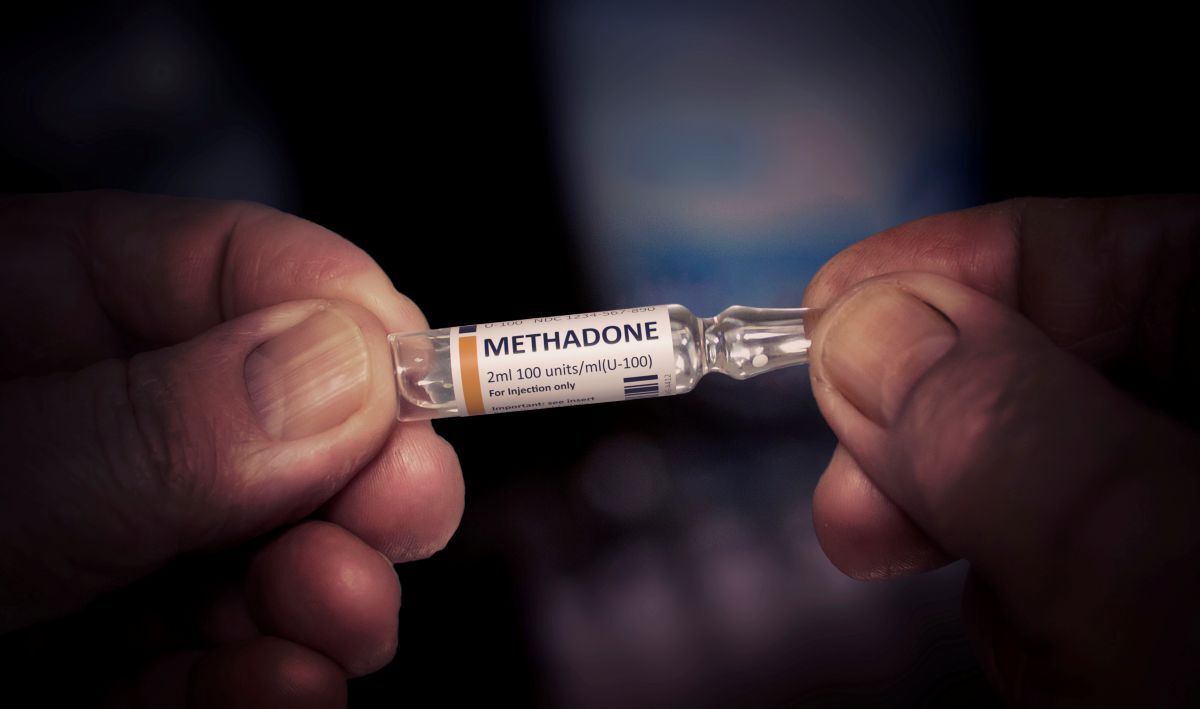
Methadone is a synthetic opioid prescribed as a painkiller in cases of extreme pain, like post-surgery or after an injury. It’s also used as a treatment for drug addiction to heroin and narcotic painkillers. If you’re using methadone, you were probably prescribed the medication after a dramatic injury or difficult surgery. The painkillers were the only thing that kept you sane through the hellish pain, giving you a small measure of relief. So you found yourself reaching for the medication again and again… until you found that you couldn’t survive without them.
The other option, though less likely, is that you were administered methadone to help you recover from addiction to heroin. The medication blocked the usual ‘high’ you got from heroin, which helped to curb your cravings. However, in the process of weaning off of heroin, you got addicted to methadone instead. Although cross-addiction is common among people who struggle with addiction, the likelihood of this happening is slim because methadone for the treatment of heroin addiction is usually properly controlled and regulated in a medical environment.
Can Methadone Kill You?
Yes, methadone can kill you. According to the World Health Organization, around 600,000 deaths were attributed to drug use worldwide in 2019. Around 80% of those deaths are related to opioid use, with close to 25% of that caused directly by opioid overdose. That’s a large number of overdoses from drugs like methadone!
Methadone overdose can happen for several reasons, so it’s important for you to be aware of what causes an overdose. Firstly, all opioids, including Methadone, are rapidly absorbed by the body. This means that your body quickly adjusts to the increase in Methadone as it develops tolerance, which means that you can increase the dose relatively quickly, without having a dangerous effect on your body. With time, you may increase the dosage so much that it is lethal for your body, causing an overdose.
Also, you may not even realize this, but methadone remains in the body for a long time after the effects have worn off. You may feel like you’re ready for the next dose, but the drug could still be present in your body without you realizing it. You could even end up taking so much that you overdose unintentionally. That’s why, if you’re in rehab for heroin addiction, you’ll only get one dose of methadone a day.
What Are the Risk Factors for Methadone Overdose?
If you’ve had a really big scare that left you desperate to stop using methadone for good, the best thing you can do is sign yourself up for a rehab program. Meanwhile, you need to know the risk factors of methadone overdose so you can take steps to keep yourself safe until you undergo medical detox.
Firstly, as with many substance combinations, it’s never a good idea to drink alcohol while using methadone. Alcohol increases the potency of methadone and therefore even a low dosage of methadone can cause an overdose. The same is true for benzodiazepines- don’t mix any benzodiazepine drugs with methadone, ever. Interestingly enough, there are reports that suggest that grapefruit juice should also not be mixed with methadone, as it can produce the same dangerous effects.
Secondly, people who are in pain may request high dosages of methadone from their doctor, or feel inclined to take greater dosages of the drug than is safe. The reality is that when you’re in pain, you’ll do anything to relieve it- that’s just human nature. Automatically, if you’re in pain and taking methadone- especially if you’ve been using other opioids before- you are at risk of overdosing.
Methadone OD Symptoms:
As you can imagine, it’s helpful to know the symptoms of methadone overdose so you can take care of yourself and let those around you know what to look out for. It’s a great idea to inform your loved ones- specifically those living near you- of what methadone overdose looks like and what they can do to help you if it happens to you:
- Body spasms
- Dizziness
- Unconsciousness or coma
- Constipation
- Cold skin
- Low blood pressure
- Nausea and vomiting
- Slow, labored breathing, or no breathing
- Constricted pupils
- Weak pulse
- Fatigue
- Confusion
- Involuntary muscle twitches
- Blue lips and/ or fingernails
Does Narcan Work on Methadone?
You most likely have heard of Narcan already, although you may know it better by its brand name, Naloxone. Narcan, or Naloxone, is a medication that can rapidly reverse the effects of opioids by attaching itself to the opioid receptors and reversing the effect it has on the body. In simpler language, it can very rapidly help an overdose patient breathe normally, and have their heart rate return to normal.
Naloxone only works for opioids, so luckily, it can be lifesaving for anyone who has overdosed on methadone. Since you’ve come this far in the article, it’s safe to assume that you’re really worried about overdosing on methadone. Until you can enter a rehab program, take the precaution of having naloxone with you at all times. It can literally save your life.

How to Deal with Methadone Overdose Side Effects:
At this point, you’re probably concerned about the people around you being uneducated and unaware of how to deal with a methadone overdose. It’s likely a great idea for you to reach out to your family, friends, and other people living around you, so you can help them understand what you’re dealing with.
You can start by explaining what substance abuse is. Explain that no matter how hard you try, you are physically incapable of quitting methadone alone, and that you are hoping to join a rehab program to start the recovery process. Until you do, however, you need them to understand what methadone overdose looks like so they can help you stay safe in the event that it occurs.
Show your loved ones the side effects of methadone overdose listed above, and educate them on how to inject you with your naloxone medication if you’re showing signs of overdose. Explain that other than injecting the life-saving medication, they shouldn’t touch you or attempt to move you. Instead, they should call 911 and show the medical personnel what you’ve been using and what they’ve injected so they can get you the most effective help quickly.
What Should I Do after an Overdose?
Hopefully this part of the article will never be relevant to you, but if it is, take note. Firstly, realize that this overdose saga may be the straw that breaks the camel’s back and forces you to take care of your methadone addiction. Don’t push it off anymore - reach out to a rehab facility near you right away.
At Avenues Recovery, we encourage you to reach deep into your heart and discover what you truly want for your future. Do you want to continue using methadone against your will, suffering the aftereffects day after day, always at the brink of another health scare? Or do you want to finally address the root cause of your addiction and learn the tools you need to finally get sober?
We have helped thousands of people work through their addictive behaviors and learn new ways to process their emotions. Starting with medical detox, we can help you rid your body of methadone, and start to live your life while remaining sober. We invite you to reach out to us today so you can start your path to recovery, serenity, and freedom.