

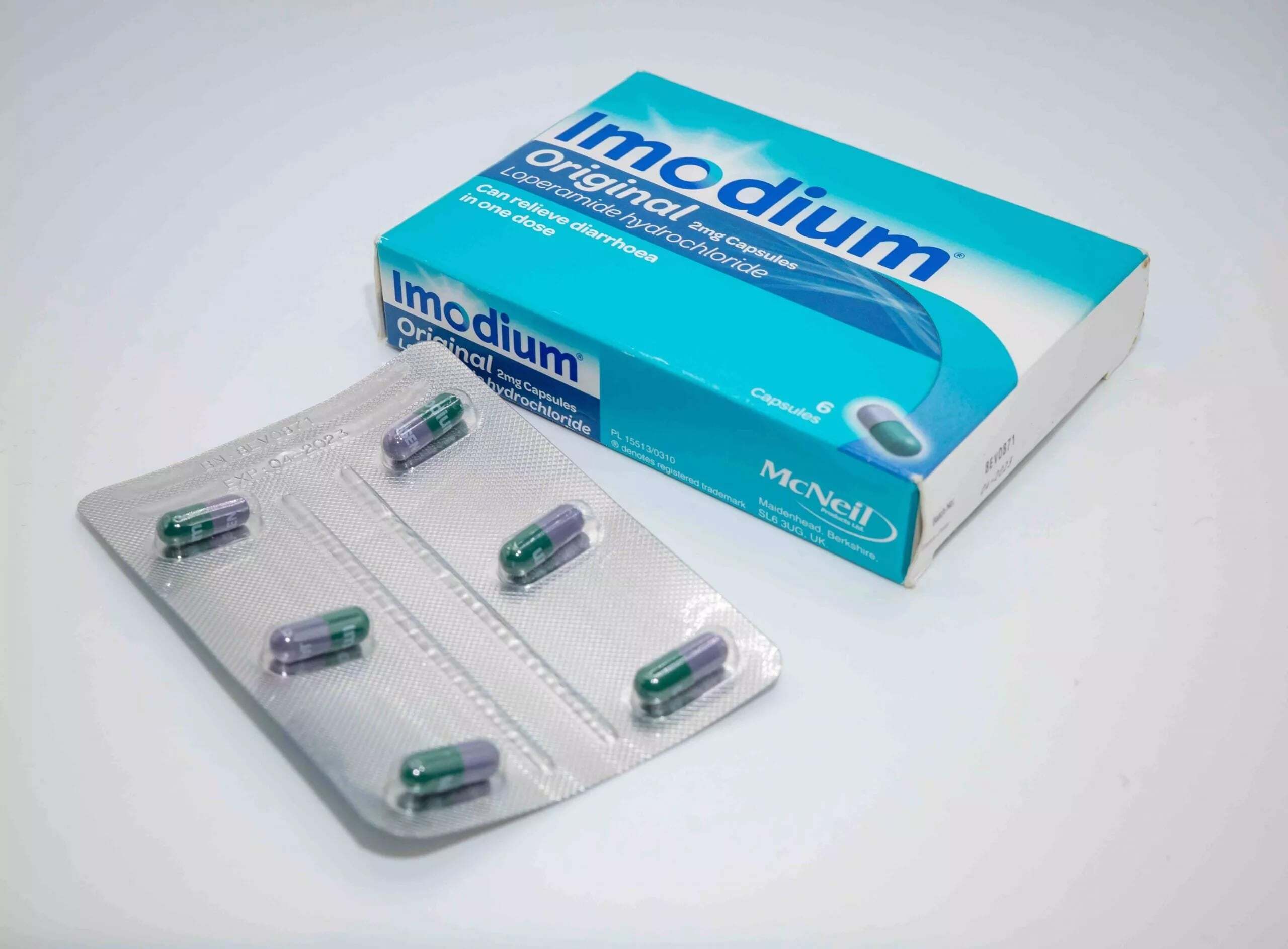
Imodium is a common over-the-counter medicine, and sadly, Imodium abuse is on the rise. With the current opioid epidemic, drug users are taking this everyday medication and getting high on Imodium when opioids aren’t available. Loperamide hydrochloride (the generic drug), sold as Imodium, treats diarrhea as an opioid agonist. Taking Imodium in doses higher than prescribed can have serious health consequences and even cause death. The risks of Imodium are not widely known, so read on as Avenues Recovery, leaders in addiction rehabilitation, outline four key points about the dangers of Imodium abuse.
Key Takeaways on Loperamide Abuse:
- Imodium (loperamide) is technically classified as an opioid, but at normal doses, it remains in the digestive tract.
- Achieving an Imodium high requires hundreds of pills at a time, placing serious strain on the heart, lungs, and kidneys, which can easily result in overdose and death.
- Because it is cheap, legal, and sold everywhere, Imodium has become a go-to substance for people with opioid addiction.
- Using Imodium to manage opioid withdrawal may seem like a practical solution, but the dose needed to ease symptoms exceeds safe levels and carries a real risk of fatal cardiac complications.
- If you or someone you know is misusing Imodium, seeking professional help is the safest way forward. Medical detox and addiction counseling can address dependence without putting your life at risk.
Is Imodium an Opioid?
Technically, loperamide is classified as an opioid medication, but unlike other opioids, this medication doesn’t pass the blood-brain barrier to affect opioid receptors. Instead, Imodium stays in the digestion tract and slows contractions while easing diarrhea.
1. Does Imodium get you High?
When used as prescribed, loperamide doesn’t make you high. However, users have found that loperamide abuse occurs when it is taken in huge quantities, it passes the blood-brain barrier and causes sedative and euphoric effects, like opioid drugs. Can you get addicted to Imodium? While taken in prescribed doses, it is generally not addictive, but misuse may quickly lead to Imodium addiction, making it difficult to stop using this medication.
2. The Side Effects of Imodium Abuse
Individuals have to consume hundreds of Imodium pills at a time to achieve an Imodium high (sometimes known as loperamide high). This level of Imodium abuse puts people at risk for injury and death.
At very high doses, Imodium binds to opioid receptors in the brain. It works the same way as heroin, oxycodone, and other opioids, leading to an “Imodium High.” Using Imodium to get high can allure those with addiction or those suffering from withdrawal. Unfortunately, the long-term effects of Imodium abuse can extend long beyond the original high, causing lasting damage to the heart and other vital organs.
Imodium Slows Down the Body’s Responses
Additionally, high amounts of Imodium cause the heart, kidneys, and liver to slow down. It also stresses the lungs, making it difficult to breathe. One can overdose on Imodium.
If someone experiences an Imodium overdose, their symptoms may include:
- Depressed breathing
- Paralyzed intestines
- Cardiac problems
- Dehydration
- Urine retention
Most users aren’t aware that abusing Imodium can be fatal. In fact, A study published in 2023 revealed that US poison centers reported 12,987 cases related to loperamide over 12 years.
3. Imodium is Cheap and Easily Accessible
Due to Imodium being a readily available drug, Imodium abuse has become increasingly common, leading to its nickname, the “poor man’s morphine”. The large doses needed to cause an Imodium high can range from 50 to 300 pills a day, around $10 a bottle. For people with opioid addiction, Imodium abuse allows them to feed their addiction without draining their bank accounts. Unfortunately, being legal doesn’t make things safe.
4. Using Imodium for Opioid Withdrawal
Some individuals use Imodium for opioid withdrawal in an attempt to reduce withdrawal symptoms. But you can overdose on Imodium even when using it to detox from harder drugs, as high doses can result in dangerous side effects and potentially fatal outcomes. Those addicted to opiates should not take Imodium in high doses to lessen the effects of withdrawal, as this can increase the chance of Imodium abuse, causing side effects and death.
Get Help With Imodium Abuse
Abuse of Imodium to get high or to minimize opioid withdrawal symptoms puts individuals in danger. Though pharmacies everywhere carry loperamide, using it for anything other than anti-diarrheal isn’t safe. Someone going through opioid withdrawal or Imodium addiction should contact a medical professional or drug-abuse counselor to help reduce symptoms of Imodium dependence in a safe and supportive environment. If you or someone you love needs help overcoming Imodium abuse, contact Avenues today or give us a call at 888-500-9279.
FAQs on Imodium Abuse
Can Imodium be abused?
Yes, Imodium can be abused; some people take large amounts to produce opioid-like effects or manage withdrawal symptoms, despite the drug being available over the counter and safe at recommended doses. This misuse carries serious health risks, including heart complications and overdose.
Is Imodium addictive?
Imodium is unlikely to cause dependence when used short-term at recommended doses, but repeated misuse at high doses, especially to manage withdrawal or self-medicate, can lead to addiction over time. Once dependence develops, stopping without professional support becomes increasingly difficult.
Why do people misuse Imodium?
People misuse Imodium primarily to manage opioid withdrawal symptoms or to attempt to produce opioid-like euphoric effects. Because it's inexpensive and over the counter, many mistakenly assume it's safer than other opioid-related substances and underestimate the risks.
Can Imodium be misused during opioid withdrawal?
Some people misuse Imodium during opioid withdrawal because loperamide acts on opioid receptors in the gut, helping relieve symptoms like nausea, diarrhea, and cramping. However, the doses needed to affect withdrawal symptoms far exceed safe levels, raising the risk of overdose and cardiac complications, making unsupervised use dangerous.
What happens if you take too much Imodium?
Overdosing on Imodium can be extremely dangerous, causing symptoms such as irregular heartbeat, difficulty breathing, extreme drowsiness, intestinal paralysis, and in severe cases, cardiac arrest. Anyone who has taken more than the recommended dose and is experiencing symptoms should seek emergency medical attention immediately.