

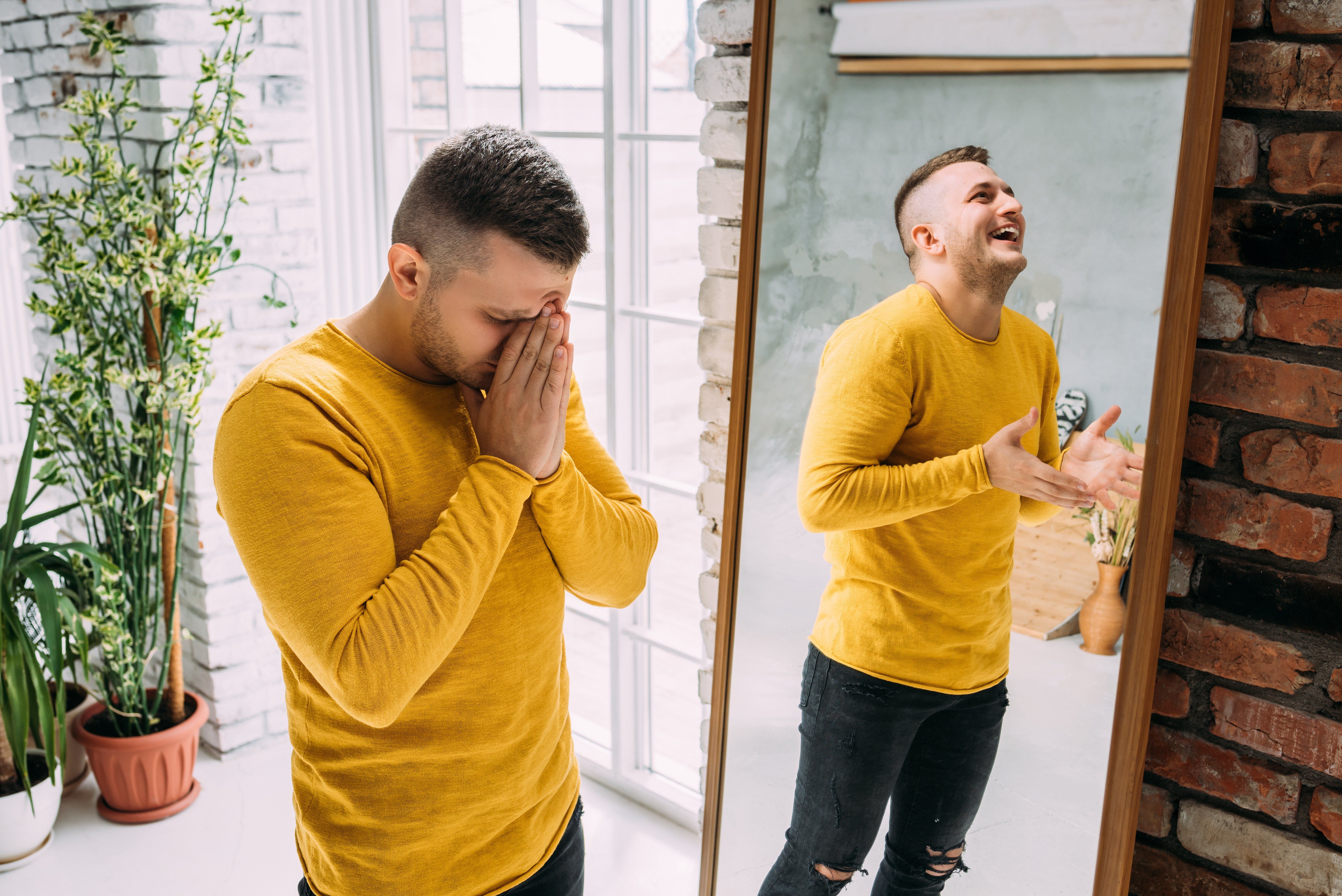
Borderline Personality Disorder and addiction often occur together because BPD affects how a person experiences emotions, self-image, and relationships. These intense inner experiences can lead to impulsive behavior and an urge to escape emotional pain. For many people with BPD, alcohol or drugs become a coping mechanism, offering relief from overwhelming feelings. Over time, this pattern can develop into a substance use disorder, deepening the instability it was meant to relieve. At Avenues Recovery, great emphasis is placed on understanding the connection between mental health disorders and addictions, and on treating both conditions together with compassion.
BPD and Addiction: Key Takeaways
- People with Borderline Personality Disorder may turn to substance abuse as a coping mechanism to relieve their emotional pain.
- This escape tool often devolves into addiction, pulling the individual into a vicious cycle of emotional overwhelm, substance abuse, and worsened upheaval.
- People with BPD may turn to either alcohol or substances in their attempt to numb their emotional pain, both of which further damage their physical and mental health.
- Proper treatment for co-occurring conditions involves dual diagnosis care and multi-layered approaches that will address both the addiction and the underlying mental health issue.
- Avenues Recovery’s experts have extensive experience treating individuals with BPD and addiction, using dual diagnosis care with a compassionate approach.
Borderline Personality Disorder: An Overview
Borderline Personality Disorder (BPD) is a mental health condition that primarily affects how a person regulates emotions, sees themselves, and relates to others. The National Institute of Mental Health (NIMH) enumerates several markers of BPD, including:
- Difficulty managing emotions
- Impulsivity
- Unstable self-image
- Turbulent relationships
- Sudden mood shifts
- Intense fear of abandonment
- Chronic sense of emptiness
These experiences aren't a sign of weakness or poor character. They reflect real differences in how the brain processes emotional information. Because emotions can feel so intense and hard to control, people with BPD are especially vulnerable to seeking fast ways to cope, including alcohol or drug use.
Dependence Disorder and Addiction: One and the Same?
Though the two are closely related and often confused, a dependence disorder and addiction are not exactly the same. A dependence disorder refers to the body's physical reliance on a substance, meaning a person may experience withdrawal symptoms or tolerance when they stop using it. Addiction, on the other hand, involves compulsive substance use despite harmful consequences, often driven by changes in the brain's reward system.
Both dependence and addiction involve becoming stuck in a pattern of use that's hard to stop without support. Both can occur as a way of coping with emotional pain, stress, or life challenges. Regardless of the exact label, if you or a loved one falls into a pattern of substance use, it’s important to address it early and get the right kind of help, one that addresses both the substance use and the emotional experiences driving it.
Addiction and Personality Disorder
Personality disorders distort how a person thinks, feels, and relates to the world. This manifests in difficulty tolerating distress, impulsive decision-making, and unstable relationships, all of which raise the risk of substance use. When emotional pain feels constant and hard to regulate, substances can offer a quick, if temporary, way to feel more in control.
Research shows that, similar to other mental illnesses, people with personality disorders are more likely to develop a substance use disorder than the general population. This isn't because of a lack of willpower or bad behavior, but rather because substance use may begin as an attempt to cope with the pain.
This pattern often plays out as a repeating cycle. An emotional trigger, such as a perceived rejection, leads to an overwhelming feeling, which prompts alcohol or drug use as a way to find relief. That relief is short-lived, though, and is often followed by shame, relationship conflict, cravings, withdrawal, or relapse. These consequences intensify emotional distress, setting the stage for the cycle to repeat. Recognizing this loop is key, since breaking it usually requires addressing both the emotional triggers and the substance use at the same time.
BPD and Alcoholism
Among the various substances people with BPD may turn to, alcohol shows up as one of the most common ones. A study by NIH showed that the prevalence of alcohol use disorders among people with BPD was 55.28%.
Alcohol is legal, widely available, and socially normalized, making it an easy choice for someone looking to quiet anxiety, anger, loneliness, or emotional intensity. For a person with BPD, that quick sense of relief can feel like exactly what's needed in the moment. But it rarely stays contained to "just a drink."
Over time, alcohol tends to intensify the very symptoms it was meant to soothe, worsening impulsivity, mood instability, and conflict in relationships. What starts as a coping tool can quietly become another source of instability, further aggravating symptoms already caused by BPD.
BPD and Substance Abuse
For individuals with BPD, drug abuse is a similarly fast escape from emotional pain. They may resort to the illegal use of substances such as stimulants, sedatives, opioids, and cannabis. Different substances may be used for different reasons. Some numb overwhelming emotions or anxiety. Others help a person sleep, feel more confident, or feel less empty inside.
For someone with BPD, drug use often develops as a survival strategy for managing symptoms that can feel unbearable. Recognizing drug use as a coping attempt, rather than a character flaw, is essential to approaching treatment with compassion instead of judgment.
Dual Diagnosis of BPD and Addiction: Its Importance and Implications
When someone has both BPD and an addiction or dependence disorder, treatment providers refer to this as a dual diagnosis. Treating both conditions together, rather than separately, is essential for lasting recovery. Addressing addiction alone often leaves the emotional triggers unresolved, which raises the risk of relapse even after detox or a period of sobriety. On the other hand, treating BPD alone can be difficult, while active substance use continues to destabilize sleep, mood, relationships, and judgment.
This is why integrated dual diagnosis care dual diagnosis care for BPD and addiction is so important. It treats the person as a whole, rather than addressing symptoms in isolation. While there are no drugs for borderline personality disorder treatment, there are medications that help manage co-occurring symptoms or substance use when prescribed alongside therapy by a qualified professional. When both conditions are treated simultaneously, individuals have a much better chance of building the emotional regulation skills needed to manage BPD, while also developing the tools to stay substance-free long-term.
The Right Treatment for BPD and Addiction
As explained, for addiction and BPD, dual diagnosis care is the starting point in treatment since it addresses both conditions at the same time, rather than treating one and hoping the other resolves on its own. Most people benefit from a combination of approaches, tailored to their needs. These approaches include:
- Medical detox
- Therapy
- Psychiatric support
- Relapse prevention planning
- Group therapy
- Family support
- Step-down levels of care
Many individuals need to begin with a drug detox, a supervised process to safely manage withdrawal when physical dependence is present.
Dialectical Behavior Therapy, which teaches distress tolerance skills and emotional regulation, has been identified by the NIMH as an established treatment being studied for BPD as well as for addiction.
Many individuals require ongoing medical care and medication management to regulate symptoms and monitor progress.
An important facet of treatment is identifying triggers and building strategies to stay on track long-term.
Therapy in a group setting builds connection and enables practicing coping skills alongside others facing similar struggles.
Repairing relationships and creating a stable, understanding home environment is a critical component of treatment.
Individuals move from full-time residential treatment to part-time programs and eventually regular outpatient visits as stability increases.
How Can People with BPD Prevent Relapse?
Relapse prevention for people with BPD works best when it addresses both emotional and substance-related triggers, since the two are so closely connected. A strong starting point is identifying personal triggers, such as conflict, perceived rejection, or overwhelming emotions, and creating a clear response plan for moments when those feelings surface.
Several strategies help build lasting stability, including continuously honing DBT coping skills, joining sober peer groups, avoiding high-risk environments, and creating daily structure to maintain stability.
When a Loved One is Grappling with BPD and Addiction
Watching someone you love struggle with BPD and addiction can feel overwhelming, confusing, and emotionally exhausting, but how you respond can make a real difference in their recovery.
Validating their feelings is important, but acknowledging emotional pain doesn’t mean excusing or supporting harmful behaviors. It’s also vital to set clear boundaries to ensure your wellbeing and to discontinue their destructive patterns. Reaching out for professional help is perhaps one of the most important steps you can take, both to help the suffering individual break out of the vicious cycle and to support and empower you in caring for a loved one with BPD.
Get Help
If you or someone you love is struggling with BPD and addiction, you don't have to face it alone. Avenues Recovery offers dual diagnosis treatment designed to address both conditions together, with experienced clinical staff who understand the unique challenges of this overlap. Reach out today to learn how our team can help you or your loved one take the first step toward lasting recovery.
BPD and Addiction: Frequently Asked Questions
-
Is addiction common in BPD?
Yes, addiction is common in individuals with BPD. This is largely because BPD can trigger intense emotional pain, which the sufferer seeks to relieve through substance use. -
What drugs do people with BPD abuse?
There's no single substance associated with BPD. People may turn to alcohol, stimulants, sedatives, opioids, cannabis, or benzodiazepines, depending on what emotional relief they're seeking. Alcohol tends to be the most common due to how accessible and socially normalized it is. -
Are there specific drugs for borderline personality disorder treatment?
There is no single medication that can “cure” borderline personality disorder. Medication may help manage co-occurring symptoms like anxiety or mood instability, but skilled psychiatrists will usually prescribe it alongside therapy, especially DBT. -
What do people with BPD need the most?
People with BPD need validation and acknowledgement of the pain they’re struggling with, even though their words and actions may not always reflect that. Getting professional support is critical in enabling you to provide your loved one with the empathy and compassion they need, despite the overwhelming challenge.