

Key takeaways:
- The Clinical Solution: If self-will has failed to stop the cycle of use, professional rehab provides the necessary medical and psychological intervention.
- Motivation Matters: Success rates increase significantly when a patient is motivated and supported by a high-quality clinical team.
- Dual Diagnosis: Addressing co-occurring mental health disorders is essential for long-term sobriety.
- The 40-60% Benchmark: Addiction is a chronic condition; rehab success rates are comparable to those of other chronic illnesses like diabetes or asthma.
- Reach out to Avenues Recovery We provide the expertise and community support needed to help you reclaim your life.
Who Rehab is For:
You have likely spent years in a exhausting cycle of misuse. You’ve made countless "last time" promises—to your spouse, your children, your boss, and yourself—only to find yourself reaching for a substance the moment stress, fear, or unworthiness creeps back in.
This cycle inevitably leads to a crushing weight of guilt and shame. If you find yourself repeatedly frustrated by hangovers, broken promises, and a growing sense of hopelessness, it isn’t a sign of weakness; it’s a sign that the disease has progressed beyond what you can manage alone. It may be time to consider rehab.
How effective is rehab?
When the consequences of addiction start to mount—threats of job loss, failing health, or strained family ties—you need help that is both immediate and proven. You don't have time for trial and error.
Rehab is extremely effective because it removes the individual from the triggers of their daily life and places them in a structured, healing environment. Success is not a "one-size-fits-all" concept; for some, it is total abstinence, while for others, it is the restoration of stability and health. If you are motivated to change, rehab provides the tools to make that change permanent.
What affects your success in rehab?
Recovery is a deeply personal journey. At Avenues Recovery, we recognize that several factors influence how successful your time in drug rehab will be:
- Comprehensive Diagnosis: If you are dealing with co-occurring disorders like depression or anxiety, your treatment plan must address both the addiction and the underlying mental health.
- Individual Commitment: While many enter treatment reluctantly, a personal desire for change is the greatest predictor of long-term success.
- Program Quality: An excellent rehab programs like Avenues Recovery provides experienced professionals and evidence-based treatment plans tailored to your specific needs
- Post-Treatment Support: Success doesn't end at discharge. A supportive home environment and a strong alumni network are vital for maintaining sobriety.
How can I increase my chances of success?
At Avenues Recovery, we’ve met many people like you. You’re a productive, well-liked individual struggling with a big issue that’s slowly taking over your life. Maybe your marriage is on the line. Maybe your children are threatening to cut off contact within you if you continue these behaviors. Perhaps your doctor is worried about internal organ failure. You need help quickly, and the greater the chances of success, the more inclined you are to try the treatment plan.
Statistics from the National Institute on Drug Abuse (NIDA) show that 40-60% of individuals in treatment experience significant success. You can position yourself on the high end of those statistics by:
- Choosing Evidence-Based Care: Look for programs that utilize Cognitive Behavioral Therapy (CBT) and Medication-Assisted Treatment (MAT) where appropriate.
- Commit to Length: Research shows that programs lasting 90 days or more are generally more effective than short-term stays.
- Engage in Aftercare: Utilizing 12-step programs and sober living arrangements significantly reduces the risk of relapse.
Ultimately, you can increase your chances of having a successful rehab experience by being extremely motivated to get sober, choosing a quality rehab center that utilizes the therapeutic modalities and tools listed above, and ensuring you have access to a supportive network after you leave rehab. That could include living in a supportive environment, spending time with sober and emotionally healthy people, and being part of a support group or 12-step group. It’s also crucial to address co-occurring issues like trauma or mental health disorders.

10 tips to help you find an effective rehab:
Searching for a rehab center is overwhelming, especially when you feel like you only have one shot to get it right. How can you be sure a facility actually delivers results? Here is what to look for to ensure your choice is a safe and effective one:
- Verify accreditation and licensing
Ensure the rehab center is accredited by recognized organizations like the Joint Commission or CARF (Commission on Accreditation of Rehabilitation Facilities) and holds appropriate state licenses. Accreditation guarantees that the facility adheres to high standards of care and professionalism. - Prioritize evidence-based treatment
Choose a center that employs evidence-based practices, such as cognitive-behavioral therapy (CBT), medication-assisted treatment (MAT), and motivational interviewing. These methods are backed by research and have proven effective for treating addiction. - Look for customized treatment plans
Effective rehab programs design personalized treatment plans tailored to your needs. This ensures that any unique conditions or co-occurring disorders - like trauma, depression, anxiety, schizophrenia, bipolar disorder or the like- are addressed alongside addiction, enhancing the chances of recovery. - Confirm qualified staff
Check that the facility has a team of licensed professionals, including addiction counselors, psychiatrists, psychologists, and medical doctors. Their expertise is crucial for providing safe and effective treatment. Beyond the credentials, look for a team that treats you with the dignity and respect you deserve. - Assess comprehensive services
Opt for centers offering a wide range of services, including detox, individual and group therapy, life skills training, family counseling, and aftercare planning. A holistic approach increases the likelihood of long-term recovery. - Evaluate the staff-to-patient ratio
Select a facility with a low staff-to-patient ratio. This allows staff to give more individualized attention and closely monitor progress, which is essential for effective treatment. - Investigate aftercare programs
Ensure the center offers robust aftercare services, such as outpatient programs, sober living arrangements, and support groups. Ongoing care provides continuous support and reduces the risk of relapse. - Check the facility’s success rate
Ask about the center’s track record and success rates. While exact numbers can vary, reputable facilities are transparent about their outcomes and use them as benchmarks for improvement. - Seek a supportive environment
Look for a facility that fosters a positive and supportive atmosphere. This includes clean and comfortable living spaces, staff that truly listens and understands the complexities of addiction, and a focus on building healthy relationships among peers. - Read reviews and get recommendations
Research reviews from former patients and seek recommendations from trusted sources, such as healthcare providers or addiction specialists. Personal experiences and expert advice can provide valuable insight into the center’s quality of care.
Addiction treatment success rates:
When you’re looking for help, you want to know the exact success rates so you can predict your own outcome. While that’s perfectly understandable, providing a single "success rate" for substance abuse treatment is complex.
"Success" is defined differently across the clinical world—some measure it by total abstinence, while others look at reduced use or a significantly improved quality of life. Success also varies greatly depending on the individual, the specific substance, and the type of treatment provided. However, there are general ranges that provide important context.
Research suggests that between 40-60% of individuals who undergo addiction treatment experience a significant reduction in substance use. This doesn't always mean complete abstinence immediately, but it often includes fewer relapses, less severe use, and a return to healthy functioning in daily life.
Recovery begins with medical detox, the process of flushing substances out of the body in the safest, most comfortable way possible. This stage is often the most difficult due to withdrawal symptoms that cause intense cravings. The type of substance being used can affect the success rate of this initial phase. Opioids, for example, often have lower initial success rates due to the intensity of withdrawal, but the use of Medication-Assisted Treatment (MAT) can significantly improve those outcomes.
What are alcohol rehab success rates?
If alcohol is your substance of choice, you likely want to know the specific outlook for recovery. Studies indicate that roughly 40-60% of individuals who complete alcohol rehab experience a significant reduction in their drinking. This could mean achieving total abstinence or significantly reducing the frequency and intensity of drinking episodes.
Furthermore, one study indicates that about 25% of people with alcohol use disorder achieve full recovery after one year.
While many focus on complete abstinence as the primary goal, it's not the only indicator of positive change. Clinical success also considers:
- A reduction in "heavy drinking" days.
- Improved physical health (such as liver function).
- Enhanced social and occupational functioning.
In general, the length of treatment plays a major role in the outcome. Longer durations—90 days or more—generally lead to better results than short-term interventions. Combining behavioral therapies like CBT with appropriate medication is often the most effective path. It is crucial to remember that relapse is a part of the recovery process for many, and not a sign of failure or that the treatment isn’t working. Treatment should be viewed as ongoing and adaptable.
How many people relapse after rehab?
The fear of relapse is real. After putting in the time, energy, and emotional work to gain sobriety, the last thing you want to do is lose it. The most commonly cited range for relapse rates after addiction treatment is 40-60%, according to the National Institute on Drug Abuse (NIDA).
This means that a significant portion of people who complete rehab will experience a return to substance use at some point. While this range may sound disappointing, it is actually similar to relapse rates for other chronic conditions like diabetes, hypertension, and asthma.
This comparison highlights that addiction is a chronic illness that requires ongoing management, not a one-time "cure." The reality is that constant effort is needed to maintain sobriety, and relapse is often a normal part of the process that most people in recovery navigate at some point.
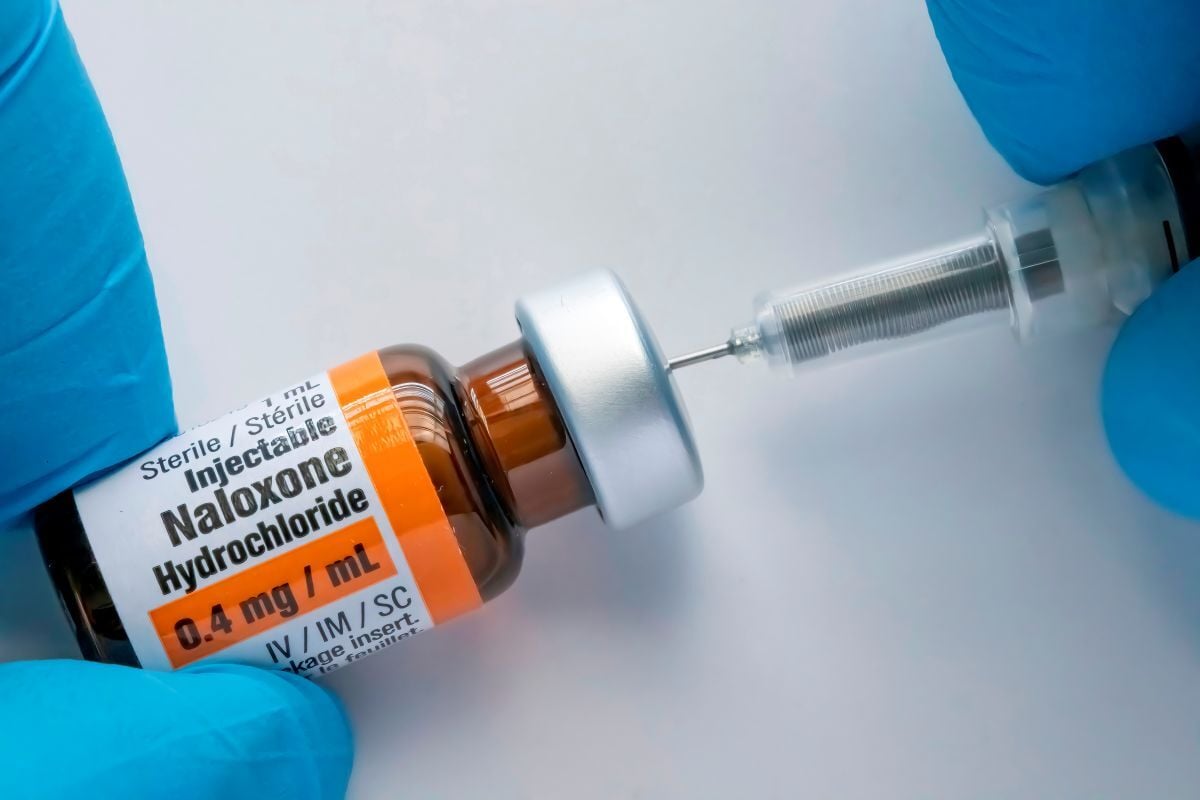
Statistics of successful spontaneous recovery
At this point, you may be doubting your decision to enter rehab. It can sound time-consuming, energy-sapping, and incredibly difficult. You might be wondering: Can I just achieve sobriety on my own?
Research has explored this possibility. Studies suggest that some individuals with substance use disorders do achieve remission without formal treatment. Some data indicates that around 18-26% of individuals may achieve spontaneous remission in any given year without formal intervention.
However, this is a rough estimate that fluctuates based on the substance and the population studied. It is vital to note that successfully detoxing and achieving sustained, long-term recovery is extremely difficult without professional guidance and communal support. While it is possible to "white-knuckle" sobriety for a short period on your own, it is generally not a sustainable long-term solution.
Does drug treatment work?
The short answer is: Yes. Drug treatment is most effective when it is tailored specifically to your needs and supported by evidence-based methods. This includes a combination of therapy and Medication-Assisted Treatment (MAT), which addresses both the physical cravings and the behavioral patterns of addiction.
History and research show that longer treatment durations (typically 90 days or more) tend to produce the best outcomes. Recovery is a marathon, not a sprint, and it requires a long-term commitment to the process.
As you begin your journey, remember that relapse—while common—is not a sign of failure. Instead, it’s a signal to adjust your treatment plan and keep moving forward. With the right support from therapists, peer groups, and family, you can improve your quality of life and maintain the success you've worked so hard for.
Your Future with Avenues Recovery Center
At Avenues Recovery Center, we are here to guide you every step of the way. We provide comprehensive aftercare and a vibrant alumni program that keeps our community connected long after they leave our doors.
Our results speak for themselves: our relapse rates are exceptionally low, with a record-breaking 92% of our active alumni remaining sober after one year.
If you are ready to begin treatment that actually works, contact us. You deserve to live a life of health, happiness, and lasting sobriety.