

Key Takeaways
- Benadryl is the brand name for diphenhydramine, an antihistamine used to ease allergic reactions.
- The TikTok “Benadryl Challenge” pushed teens to take large Benadryl doses for hallucinations.
- Overdose signs include strong drowsiness, confusion or hallucinations, extreme dryness, and fast or irregular heartbeat.
- What to do in the case of a Benadryl Overdose — CALL 911 right away
What Is a Benadryl Overdose?
You may have wondered, Can you overdose on Benadryl pills? Or, What happens if you overdose on Benadryl? A Benadryl overdose happens when someone takes more Benadryl than their body can safely handle. Key signs of overdose include:
- Strong drowsiness or inability to stay awake
- Confusion, agitation, or hallucinations
- Very dry mouth and inability to urinate
- Fast or irregular heartbeat
- Seizures
- Loss of consciousness or breathing problems (in severe cases)
If you or a loved one is abusing Benadryl, reach out to Avenues Recovery so we can guide you on your road to recovery. If overdose is suspected, call 9-1-1 immediately.
What Is Benadryl, and What Are its Common Uses?
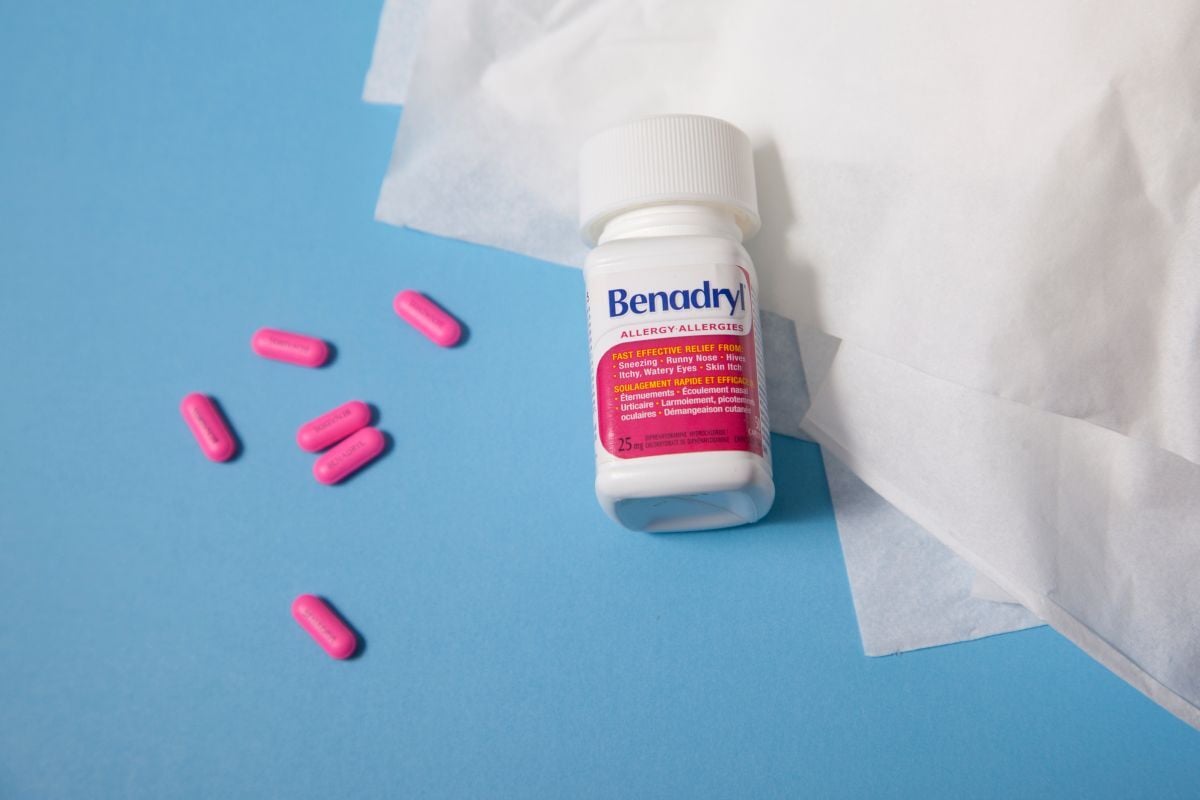
Benadryl is the brand name for diphenhydramine, an antihistamine often used to ease symptoms caused by allergic reactions. It works by blocking histamine, a natural substance the body releases during allergic responses. Because of this, Benadryl is often used to ease sneezing, runny nose, itchy eyes, and hives. It can also help with mild allergic rashes, motion sickness, and short-term difficulty sleeping, since it tends to cause drowsiness.
If someone is using Benadryl frequently for sleep, or in larger amounts than recommended, it’s important to know that dependence and side effects can develop over time.

Benadryl Safe and Overdose Amounts
What is a safe amount of Benadryl, and what is a dangerous overdose amount? The chart below explains:
|
Category |
Typical/Safe Range |
Caution Range |
Toxic/Dangerous Range |
Key Notes |
|
Adult Dose Guidelines |
25-40 mg every 4-6 hours |
300-400 mg total in 24 hours |
500 mg or more in 24 hours |
Combining with alcohol or sedatives greatly increases danger |
Benadryl Overdose Symptoms
There are many signs that can tell you when someone is having a Benadryl overdose.
These are signs of Benadryl overdose:
Mild symptoms:
- Drowsiness
- Dry mouth
- Dizziness
- Blurred vision
- Mild confusion
Moderate symptoms can include:
- Agitation
- Restlessness
- Fast heartbeat
- Inability to urinate
- Flushed skin
- Dilated pupils
Severe symptoms include:
- Hallucinations
- Confusion
- Seizures
- Fast heart rate
- Low blood pressure
- Coma
- Death

What are the Short and Long-term effects of Benadryl Overdose?
Short-term effects of Benadryl can include strong drowsiness, confusion, blurred vision, dry mouth, flushed skin, fast heartbeat, agitation, and hallucinations. In more serious cases, seizures, dangerously low blood pressure, irregular heart rhythms, and coma can occur.
Long-term effects of Benadryl are less common, but can develop after a severe overdose or repeated misuse.
These might include memory problems, difficulty concentrating, heart rhythm disturbances, and lasting mental or psychological changes. In rare cases, organ damage can occur because of prolonged low oxygen levels or complications from seizures. Immediate medical care greatly reduces the risk of long-term harm.
What Happens if You Overdose on Benadryl?
Overdosing on Benadryl (diphenhydramine) can severely affect the brain, heart, and other organs. Mild overdoses may cause extreme drowsiness, dry mouth, confusion, and blurred vision. As the dose increases, symptoms can escalate to agitation, hallucinations, rapid heartbeat, tremors, and severe disorientation. In serious cases, it can lead to seizures, irregular heart rhythms, dangerously low blood pressure, coma, or even death. Because symptoms can worsen quickly, anyone who may have taken too much Benadryl should get emergency medical help right away.
Benadryl Overdose Treatment and First Aid (when to call 911)
If someone overdoses from Benadryl (diphenhydramine), immediate medical attention is critical. Call 911 (or your local emergency number) right away if the person is unconscious, having seizures, showing severe confusion, experiencing hallucinations, has an irregular heartbeat, or is having trouble breathing.
First aid steps while waiting for help include keeping the person calm and lying on their side if they are drowsy or vomiting, to prevent choking. Do not try to make them vomit unless told by a doctor. If the person is alert, you can call Poison Control (1-800-222-1222 in the U.S.) for specific guidance.
Hospital treatment may involve activated charcoal to absorb the drug if taken recently, IV fluids, medications to control heart rhythm or seizures, and monitoring of vital signs and heart function. Quick medical care greatly improves the chances of full recovery.
Mixing Benadryl With Other Substances
Mixing Benadryl with alcohol or other substances can be dangerous, because both depress the central nervous system. When taken together, they can intensify drowsiness, dizziness, confusion, and poor coordination — increasing the risk of accidents or falls. The combination can also slow breathing and heart rate, which can become life-threatening at high doses. Mixing Benadryl with other sedatives, sleep aids, anxiety medications, or opioids can further increase the risk of overdose, coma, or even death. Even at normal doses, combining Benadryl with alcohol or other depressants should be avoided to prevent harmful or unpredictable effects.
What Was the TikTok Benadryl Challenge?
The TikTok “Benadryl Challenge” was a dangerous trend in which teens were encouraged to take extremely high doses of Benadryl (diphenhydramine) to try and cause hallucinations. It first gained attention in around 2020, and led participants to film themselves while experiencing the effects.
The FDA issued public warnings, and Benadryl manufacturers strongly discouraged this misuse. There were multiple hospitalizations tied to the trend, and at least one widely reported case involved the death of a 13-year-old boy. Although TikTok stated that it removed related content, health experts continued to caution parents to secure medications and educate teens about the risks, since similar posts sometimes resurface.
Statistics of Lethal Overdose on Benadryl
Nearly 15% of the ~92,000 U.S. drug overdose deaths in 2019–2020 tested positive for antihistamines, and 3.6% were antihistamine-involved, with diphenhydramine (Benadryl) seen in the majority of those cases. Diphenhydramine was rarely the only drug involved — over 80% of these deaths also included opioids, which can make the overdose even more deadly.
Recovery and Treatment for Benadryl Abuse
Misusing Benadryl can lead to physical harm, dependence, and ongoing misuse, but recovery is very possible with the right support. Treatment usually starts with medical assessment and supervised detox to manage symptoms safely, followed by therapies that address triggers, cravings, and the underlying issues that often drive misuse. Ongoing support through structured programs helps people regain stability and reduce the risk of relapse. For compassionate, professional help, reach out to Avenues Recovery Center.
You can find your way home today!